The production team of the BBC documentary "Blue Planet II" said that during filming at sea, there were very few times when they didn't see plastic. The third episode of the series focuses on how plastic affects marine life. Production assistant Sarah Conner told the BBC, "Almost every dive, I found some kind of plastic—sometimes plastic fishing line, sometimes candy wrappers, sometimes plastic bottles."
"When sailing on the open sea, if we see plastic waste, we always do our best to retrieve it and take it away. All people who love the ocean would do the same."
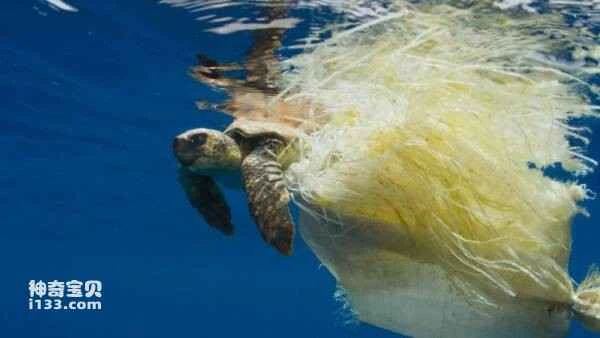
Plastic restraints are used to bind and tie up marine life.
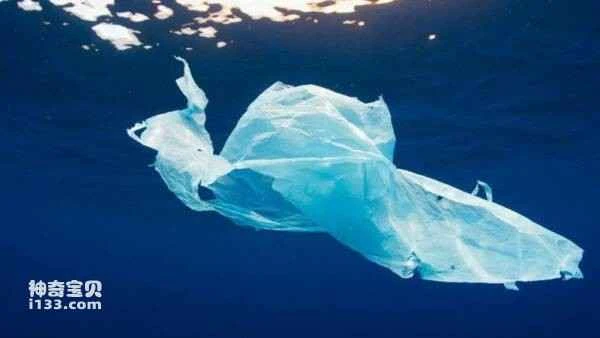
In the third episode of Blue Planet II, viewers see a hawksbill turtle trapped in a plastic bag. This time, it's lucky. Cinematographer Rafa Herrero Massieuz went to great lengths to free the turtle, which swam away unharmed.
Sarah said that some scientists believe that marine life trapped in plastic is the most serious human-made threat to the ocean.
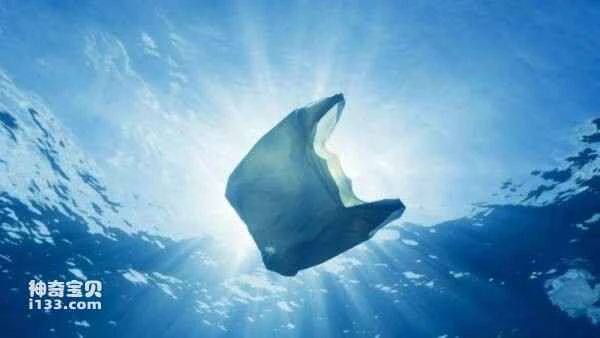
However, the seventh episode of Blue Planet II will focus on another threat: microplastics may affect the absorption of industrial pollutants by marine life.
The production team explained that microplastics may cause marine life to absorb more pollutants, which could lead to more severe chemical pollution in large predators, such as pilot whales.
Sarah told the BBC that microplastics are now "everywhere in the ocean, ingested by large numbers of marine life... even in the deepest, most remote places on Earth, in the Mariana Trench," she said, adding that scientists desperately need to do more research on microplastics.
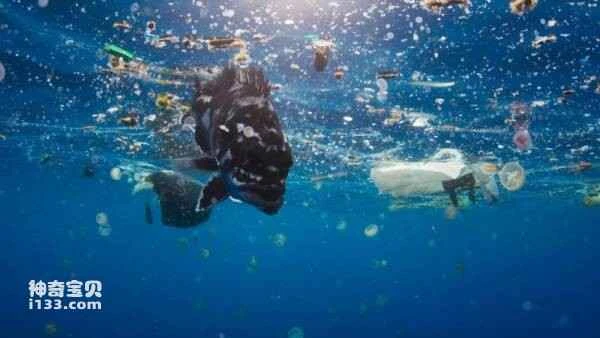
During filming, the Blue Planet 2 production team documented all the plastic they found.
Oddly enough, plastic pollution is typically most severe on the most remote and isolated islands. According to the manufacturers, this is caused by ocean currents. These currents accumulate plastic in the center of each ocean, forming massive "landfills."
The production team told the BBC that plastic pollution of the oceans is a global problem that requires a global solution.
A scientific report describes the situation of marine plastic debris as extremely serious.
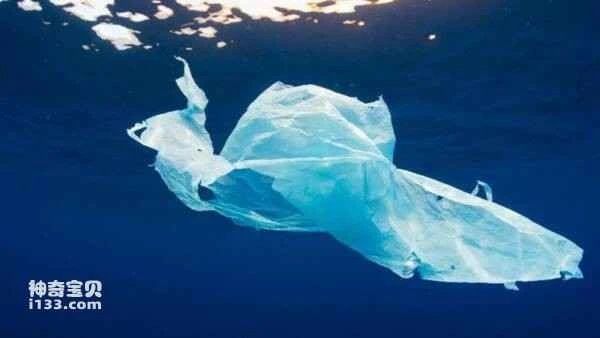
BBC documentary "Blue Planet":
The BBC launched the documentary series "Blue Planet" in 2001, exploring the mysteries of the ocean. "Blue Planet II," consisting of seven episodes, began airing on October 29, 2017.
The filming of Blue Planet II took four years, involved 125 expeditions, visits to 39 countries, and a total of 6,000 hours of underwater filming!
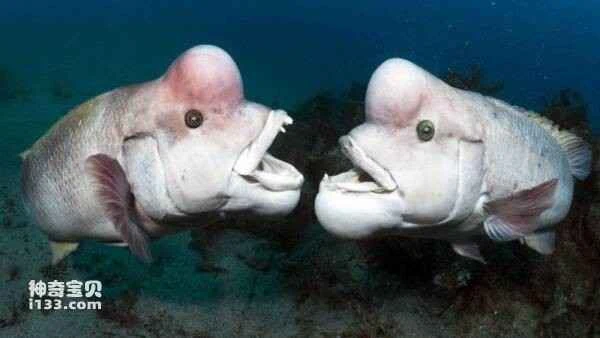
To see more great video clips, visit the BBC website (English).
Sometimes, when the production team sees plastic endangering marine animals, they step in to help.
Sarah said, "I've seen dead birds with their legs trapped in plastic bags, unable to fly or forage, probably starving to death. I've also seen a diamondback terrapin trapped in a fishing rope, dead."
There have been extensive reports in the past of marine life dying from ingesting plastic, including sea turtles and albatrosses.
On one occasion, off the coast of British Columbia, the Blue Planet II production team helped rescue a humpback whale that was trapped. At the time, the whale was struggling to swim forward, dragging a fishing net rope that was almost a kilometer long behind it.
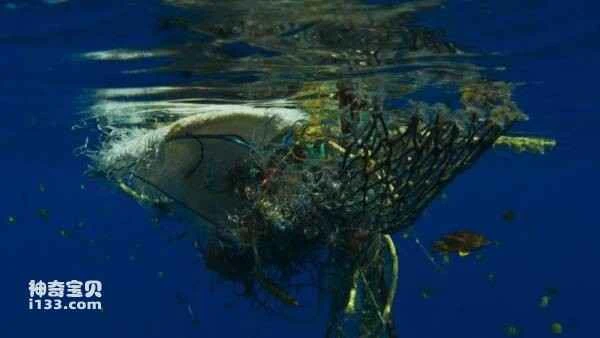
Photographer Raphael explained that it took them nine hours to rescue the humpback whale, until all the ropes were removed and the whale could swim freely.
He said, "The hardest thing for us to deal with is the emotion. We can feel the whale's sorrow."
In South Georgia, the production team also saw plastic in the pellets regurgitated by baby albatrosses.
Sarah said that her parents must have found the plastic while foraging at sea, thought it was edible, and brought it back to feed the baby.
"A baby died. It ate a plastic toothpick, and its stomach ruptured..."
Scientific research shows that the smell emitted by the decomposition of plankton on the surface of plastic waste is similar to that of rotting seaweed. As a result, seabirds such as albatrosses mistake them for food and eat them.
Seabirds use their sense of smell to find food.