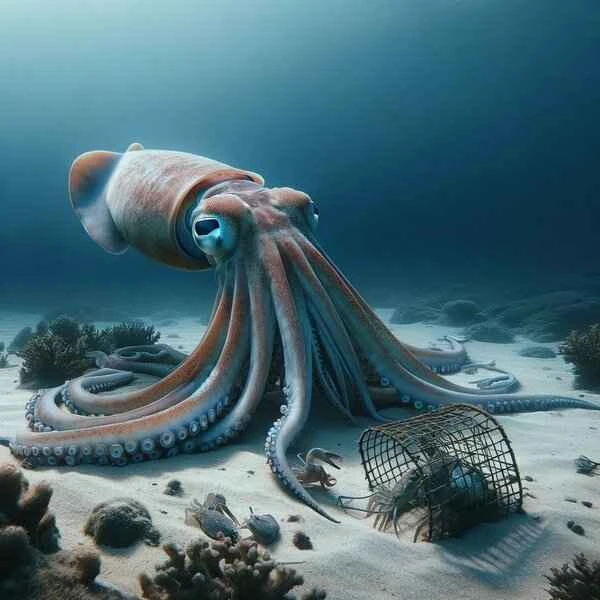
When it comes to the mysteries of the ocean, few creatures capture our imagination as much as the giant squid. These elusive behemoths have been the subject of legend for centuries, but just how big are they? In this article, we'll explore the largest squid ever discovered, its characteristics, its habitat, and the fascinating science behind these amazing marine creatures.
What is a giant squid?
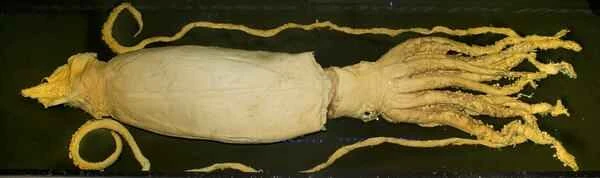
The giant squid, scientifically known as *Architeuthis dux* , is one of the largest mollusks in the world. They are known for their impressive size, with some specimens reaching lengths of 43 feet (13 meters) or more, including their long tentacles. Although once considered mythical creatures, modern science has revealed many aspects of their biology and behavior.
Record-breaking discovery
In 2007, a group of researchers from New Zealand attracted attention by discovering what was believed to be the largest squid ever ever recorded. The giant creature was approximately 13 feet (4 meters) long, but when its long tentacles were included, the total length reached about 40 feet (12 meters). This remarkable specimen was photographed in its natural habitat, providing valuable insights into the life of giant squid.
Characteristics of giant squid
Size : As mentioned earlier, giant squid can grow to impressive lengths. While the average size is between 30 and 43 feet (9 to 13 meters), there are reports of even larger specimens.
Anatomical structure : Giant squid have a streamlined body, enormous eyes (the largest of any animal), and eight tentacles with suckers. Their long tentacles are used to capture prey, mainly fish and other squid.
Color and camouflage : These squid can change their color and texture, allowing them to blend into their surroundings. This ability helps them evade predators and ambush prey.
Habitat : Giant squid inhabit deep-sea waters, typically at depths of 1,000 to 3,000 feet (300 to 900 meters). Due to their elusive nature, studying them is extremely difficult, and much of what we know comes from specimens washed ashore or rare underwater footage.
The mystery of the giant squid
Despite their enormous size, giant squid are rarely seen by humans. They are deep-sea creatures, making it difficult to study them in their natural environment. Much of our understanding comes from anecdotal evidence and occasional sightings. Over the years, fishermen have reported seeing enormous squid, leading to legends of deep-sea monsters.
Recent discoveries and research
Technological advancements have enabled scientists to study giant squid more effectively. In recent years, underwater cameras and submersibles have captured images of these creatures in their natural habitats, providing insights into their behavior and ecology. Research has also focused on their reproductive habits, feeding strategies, and interactions with other marine life.
Diet and predators of giant squid
The giant squid ( Architeuthis dux ) is a remarkable creature that plays a vital role in marine ecosystems. Understanding its diet and predators helps in gaining a deeper understanding of its life and survival strategies.
Giant Squid's Diet
Carnivorous diet :
Giant squid are carnivorous, primarily feeding on fish, small squid, and crustaceans. Their enormous size and hunting prowess make them formidable predators in the deep sea.
Hunting techniques :
Ambush hunting : Giant squid use their long, flexible tentacles to ambush prey. They can quickly extend their tentacles to grab unsuspecting fish or small squid and pull them close to eat.
Suckers : Their tentacles are covered with suckers, which help them grip their prey firmly. Some giant squid have been observed using their beaks to tear apart the flesh of their prey, much like birds feed.
Eating behavior :
Giant squid are considered opportunistic predators, capable of adapting their hunting strategies to the availability of food in their environment.
They typically hunt at night, using the darkness as cover to sneak around.
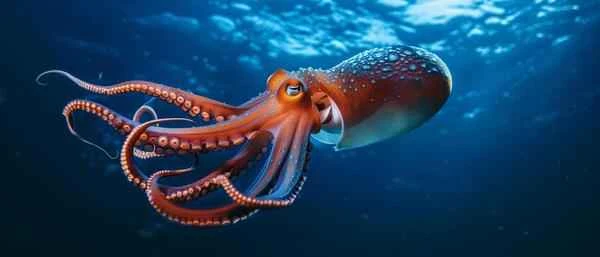
The natural enemy of giant squid
sperm whale :
The main predator of the giant squid is the sperm whale ( Physeter macrocephalus ). These enormous marine mammals dive deep to hunt giant squid. Giant squid remains have been found in the stomachs of sperm whales, demonstrating their role as natural predators.
Other marine life :
While sperm whales are the primary threat, other predators in the ocean may also target giant squid, especially when they are young or small. These predators include larger fish and other squid species.
Sea lions and some sharks may also occasionally prey on smaller or injured giant squid.
Environmental challenges :
In addition to biological predators, giant squid also face environmental challenges, including changes in water temperature, pollution, and habitat destruction, all of which can affect their food sources and overall health.
Giant squid are fascinating predators in themselves, feeding on a variety of marine life and employing efficient hunting techniques. However, they also belong to a larger food chain, with sperm whales being their most prominent predators. Understanding these dynamics helps to reveal the ecological role of giant squid and the delicate balance of life in the deep sea.
Giant squid are fascinating creatures that continue to captivate scientists and the public. The largest squid ever discovered testifies to the wonders of the ocean and the mysteries that still remain. As technology advances, we may uncover even more about these deep-sea giants. Whether you're an ocean enthusiast or simply curious about the natural world, the giant squid serves as a reminder of the extraordinary life that lurks beneath the ocean's surface.
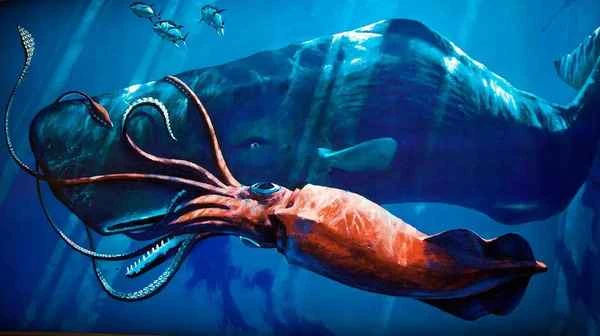
Sperm whale vs. giant squid: Who will win?
The battle between sperm whales ( Physeter macrocephalus ) and giant squid ( Archieuthis dux ) has long captivated scientists and ocean enthusiasts alike. Both creatures possess their own unique allure, but in this clash between these deep-sea behemoths, who will emerge victorious? Let's explore their characteristics, hunting strategies, and the dynamics of their interactions.
Characteristics of sperm whales
Body type :
Sperm whales are the largest toothed predators on Earth, with males reaching up to 60 feet (18 meters) in length and weighing up to 45 tons. Their enormous size gives them a significant advantage in strength and power.
diet :
Sperm whales primarily feed on squid, including giant squid. They can dive to depths of up to 3,000 feet (900 meters) in search of food.
Hunting techniques :
Sperm whales use echolocation to locate prey in the dark depths of the ocean. They typically hunt in groups, employing cooperative strategies to capture their prey.
Social behavior :
These whales are social animals and typically live in groups. Their social structure helps them hunt, as they can cooperate to surround and capture prey.
Characteristics of giant squid
Body type :
Giant squid can grow to 43 feet (13 meters) or longer, making them one of the largest mollusks. However, they are generally lighter than sperm whales.
diet :
Giant squid are carnivorous, feeding on fish and small squid. As predators, they are able to evade larger threats in their environment.
Hunting techniques :
Giant squid rely on ambush tactics, using their long, flexible tentacles and suckers to capture prey. They are also capable of moving quickly to escape danger.
Disguise and defense :
These squid can change their color and texture to blend into their surroundings, helping them avoid being spotted by predators.
Confrontation: Who will win?
Predator and Prey :
In direct encounters, sperm whales are predators, while giant squid are prey. Sperm whales have evolved to hunt and consume giant squid, making them highly adept at conquering these creatures.
Strength and physique :
The sperm whale's enormous size and strength give it a significant advantage. Its powerful jaws and massive body can easily overwhelm giant squid.
Intelligence and social hunting :
Sperm whales are highly intelligent and capable of coordinated group hunting. This social behavior increases the chances of successfully capturing giant squid.
Survival strategy :
Although giant squid possess impressive defense mechanisms, such as camouflage and rapid escape, they are generally no match for the hunting prowess of sperm whales.
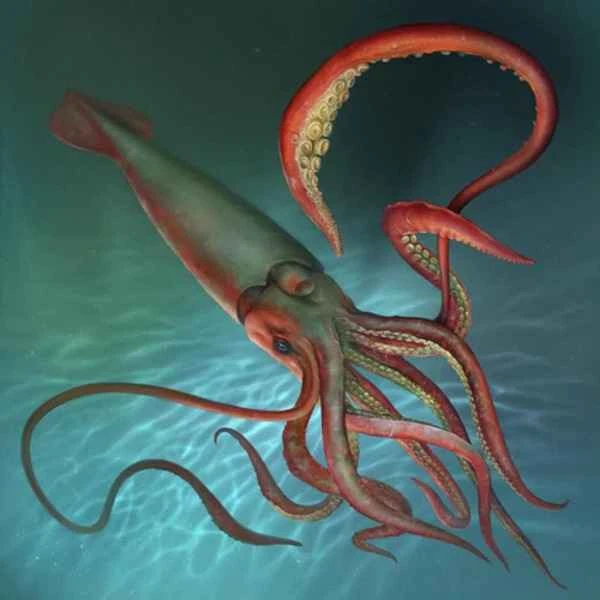
In the battle between sperm whales and giant squid, sperm whales would likely prevail. Their size, strength, and hunting strategies make them formidable predators in the ocean. However, this dynamic also highlights the complex balance of life in the deep sea, where both creatures play vital roles in the marine ecosystem. While sperm whales may be the dominant force, giant squid remain an awe-inspiring and mysterious marine animal.
Architeuthis dux vs. Mesonychoteuthis hamiltoni: A comparison of aggression and bite force
When comparing the two largest cephalopods in the ocean, the giant squid ( Architeuthis dux ) and the giant squid ( Mesonychoteuthis hamiltoni ), aggressiveness and bite force are several important factors. The following is a detailed analysis and comparison.
Key features
| feature | Giant squid (Architeuthis dux) | Giant squid (Mesonychoteuthis hamiltoni) |
|---|---|---|
| body shape | It can reach a maximum length of 43 feet (approximately 13 meters). | It can reach a maximum length of 46 feet (approximately 14 meters). |
| weight | It can weigh up to 600 pounds (approximately 272 kilograms). | It can weigh up to 1,000 pounds (approximately 450 kilograms). |
| Habitat depth | 1,000 - 3,000 feet (approximately 300 - 900 meters) | 3,000 - 7,000 feet (approximately 900 - 2,100 meters) |
| diet | Fish, small squid | Fish, small squid and other marine life |
| bite force | Medium strength (specific capabilities not fully studied) | High (estimated to be stronger due to its larger beak) |
| Aggressive | Medium; inclined to ambush prey | High; hunting strategies are relatively aggressive. |
| Natural enemies | Sperm whales, larger fish | Sperm whales, larger fish |
Aggressive
Giant squid (Architeuthis dux) : Giant squid are generally considered to be relatively elusive predators. They employ ambush tactics, waiting for the right moment to strike their prey. Although they may appear aggressive when hunting, they tend to avoid unnecessary confrontation.
Giant squid (Mesonychoteuthis hamiltoni) : The giant squid is known for its aggressive hunting style. It has been observed fighting with predators, including sperm whales. Its size and powerful tentacles make it a formidable opponent in the ocean.
bite force
Giant squid (Architeuthis dux) : The giant squid has a moderate bite force, but specific measurements are not fully documented. Its beak is powerful enough to tear flesh, aiding in efficient feeding.
Giant squid (Mesonychoteuthis hamiltoni) : Giant squid likely have a stronger bite force due to their larger size and more powerful beak. This allows them to hunt larger prey, indicating a greater need for a powerful bite.
In summary, while both species exhibit unique adaptations and hunting strategies, the giant squid ( Mesonychoteuthis hamiltoni ) is generally considered more aggressive, and its bite force may be stronger than that of the architeuthis dux . The giant squid's size and aggressiveness make it a formidable predator in the deep sea, while its ambush tactics also make it a successful hunter. Understanding these characteristics highlights the fascinating dynamics of life in the deep ocean.