Ribbonfish belong to the family Triplophysa in the order Scombroids. They are commonly called "knife fish" because of their flat, ribbon-like bodies. In some areas along the Yellow Sea coast of China (such as Qingdao and Rizhao), they are also known as "dao fish" or "sickle fish." Ribbonfish are widely distributed in warm and tropical seas worldwide, with the largest populations found in the western Pacific and Indian Oceans. They are one of my country's four major marine products.
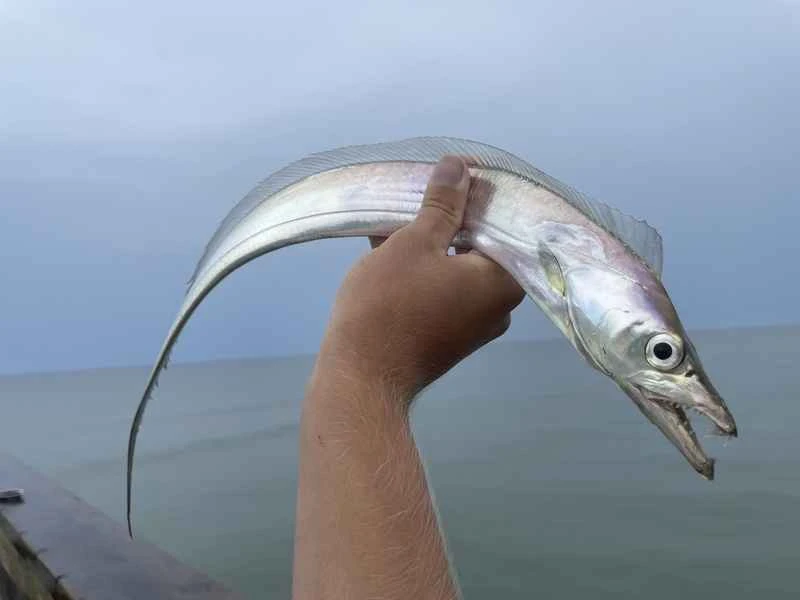
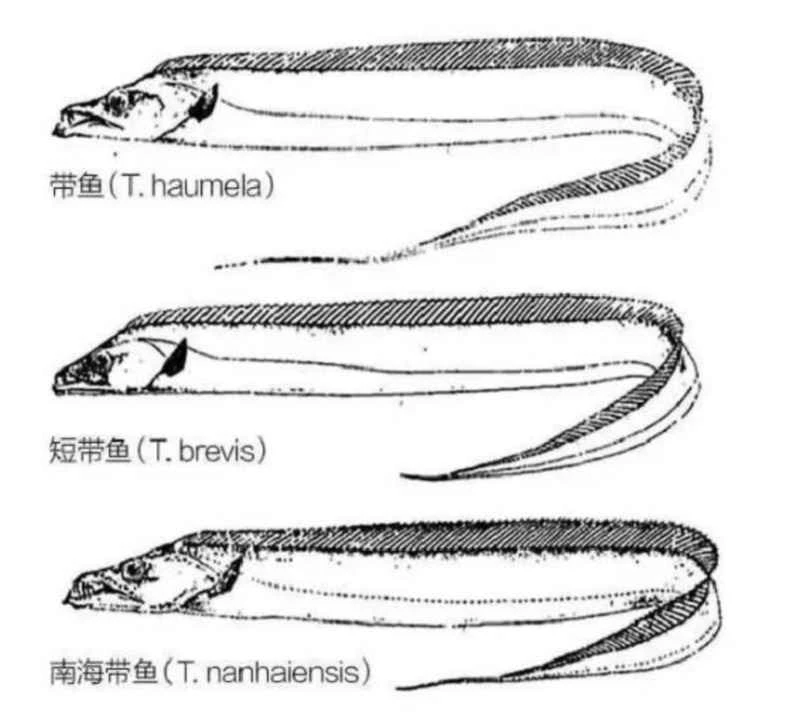
So, what kinds of ribbonfish are there? Common types include white ribbonfish, short ribbonfish, South China Sea ribbonfish, small ribbonfish, sand ribbonfish, Japanese ribbonfish, narrow-skull ribbonfish, forktail ribbonfish, isofin forktail ribbonfish, and wrasse. Below, we've compiled a list of ten ribbonfish species; let's take a look at their characteristics and differences.
1. Ribbonfish (annual production exceeds 500,000 tons/worldwide warm/tropical waters)
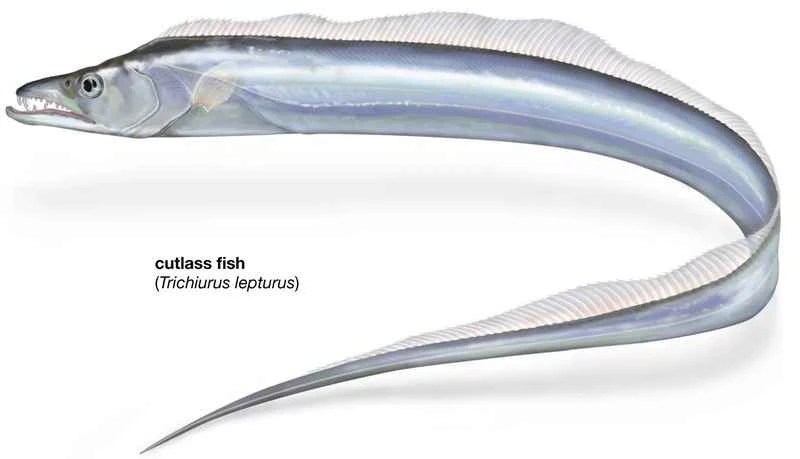
The ribbonfish is the most common type of ribbonfish and an important economically important food fish. It is widely distributed, mainly inhabiting warm and tropical waters at depths of 1 to 400 meters worldwide, including the waters surrounding Taiwan. Except for western Taiwan, it is heavily fished in other regions, with very substantial yields. Global annual ribbonfish production exceeds 500,000 tons, with peak season typically in spring and summer.
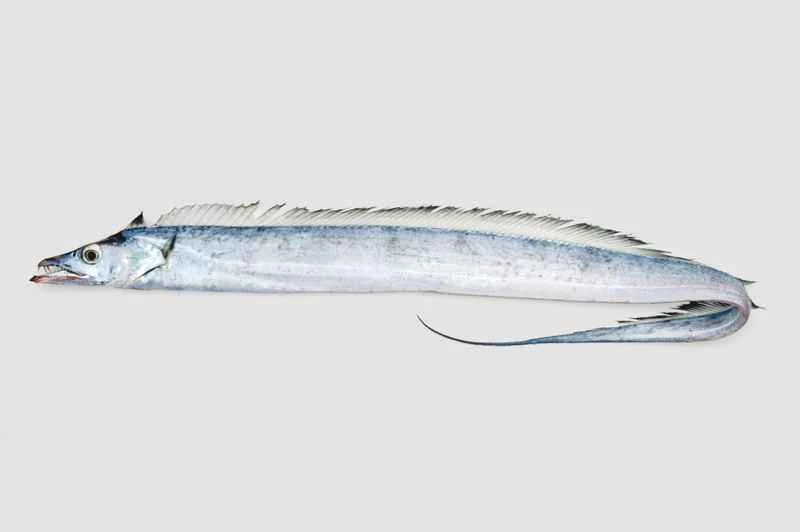
Ribbonfish are relatively large, with a long, whip-like tail, a grayish-white dorsal fin, and no pelvic fins or scales, but they have a prominent lateral line. Their body surface is silvery-white, while their dorsal and pectoral fins are pale white. Ribbonfish can reach a maximum length of 234 cm and have delicious flesh. Larger ribbonfish are often sold in sections and can be fried, marinated, or used to make sashimi.
2. Short ribbonfish (approximately 54cm in length/Hainan, China)
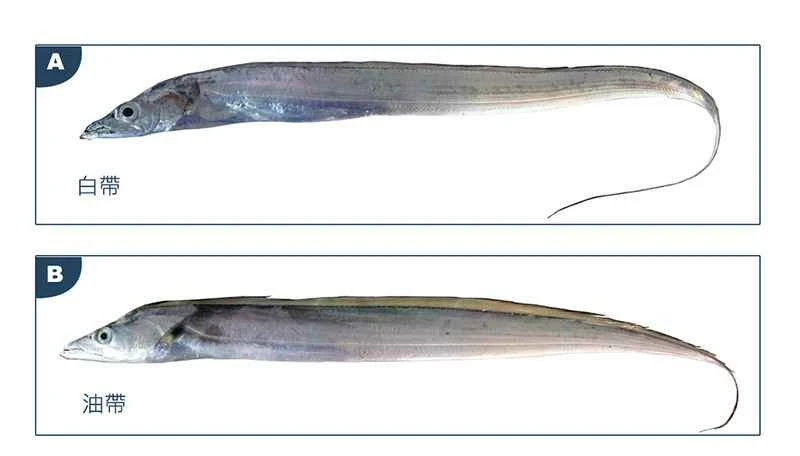
The short-tailed ribbonfish, also known as the Chinese short-tailed ribbonfish or the Qiong ribbonfish, is a high-quality ribbonfish species endemic to my country. Short-tailed ribbonfish reach sexual maturity early, are relatively small, have slender and laterally compressed bodies, and white dorsal fins. They typically reach a length of over 54 centimeters. They are carnivorous, primarily preying on small fish, crustaceans, and benthic mollusks.
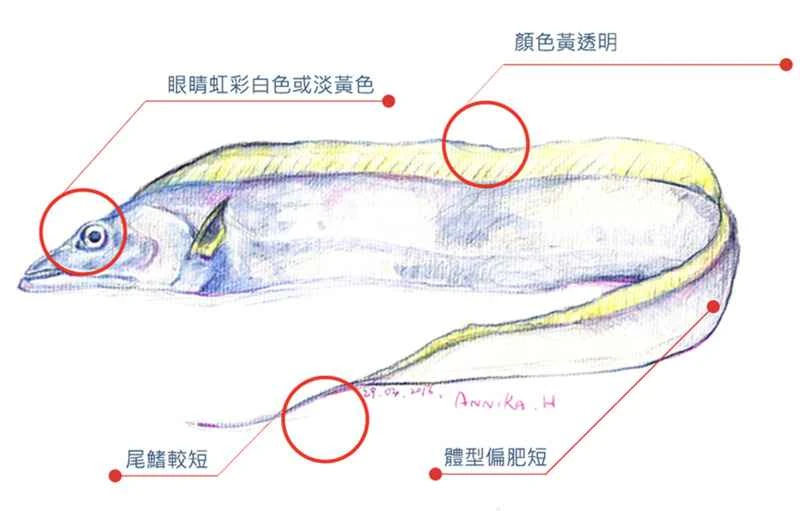
Short ribbonfish are mainly distributed in the waters surrounding Hainan Province. Although they are small in size, they have a delicious flavor and are more distinctive than other ribbonfish. Compared with other ribbonfish, short ribbonfish have smoother and finer scales, thicker and firmer flesh, resulting in a richer texture, tenderness, and a natural sweetness. Whether steamed or simply boiled in soy sauce, short ribbonfish are incredibly delicious.
3. South China Sea ribbonfish (light yellow dorsal and pectoral fins/Southern East China Sea/South China Sea)
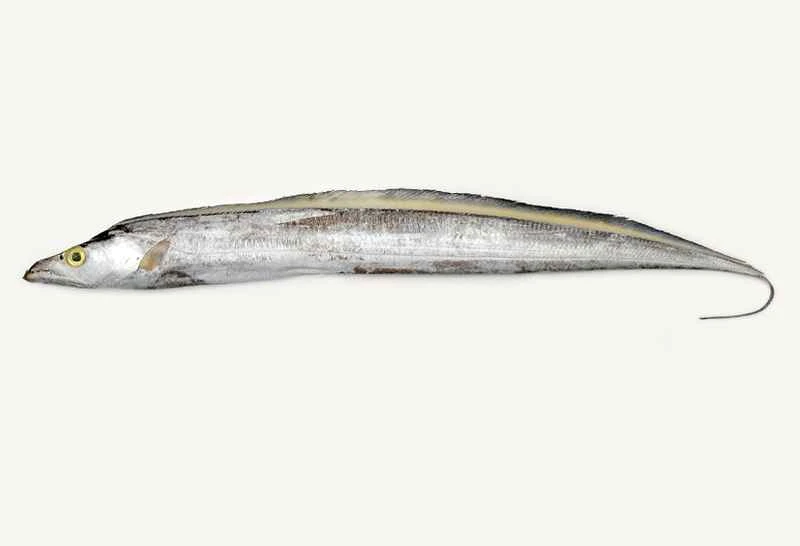
The South China Sea ribbonfish, also known as the yellowfin ribbonfish or golden ribbonfish, is a species of ribbonfish in the family Triplophysa. It is mainly distributed in the southern East my country Sea and the South China Sea, and is also found in India, Indonesia, the Philippines, and southern Japan. The South China Sea ribbonfish prefers to inhabit continental shelf waters with muddy or sandy bottoms in nearshore areas. It is carnivorous with a large appetite, primarily feeding on small fish and crustaceans.
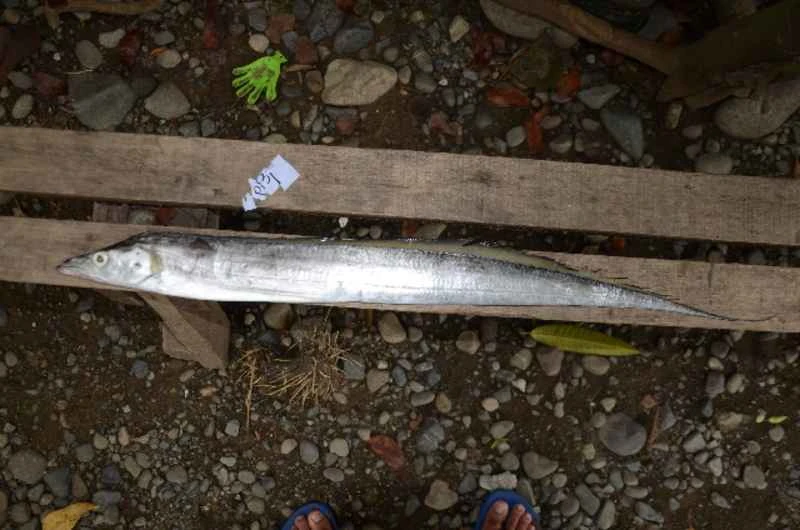
The South China Sea ribbonfish (Trichiurus nanhaiensis) has yellow eyes and yellow fins. It prefers to live in warm waters and will migrate north to the vicinity of Kyushu, Japan, with the warm Kuroshio Current.
Its body is silvery-gray, with an overall appearance that shimmers with a stainless steel-like sheen, resembling armor. The tail is relatively short and thick, and the irises of its eyes are golden yellow. Its most distinctive feature is the pale yellow dorsal and pectoral fins. The flesh of the South China Sea ribbonfish is rather coarse and has a fishy smell, so it is recommended to marinate it before cooking to remove the fishy odor, and then fry it for a more delicate and crispy texture.
4. Small ribbonfish (body length 10-35cm/Indo-West Pacific)
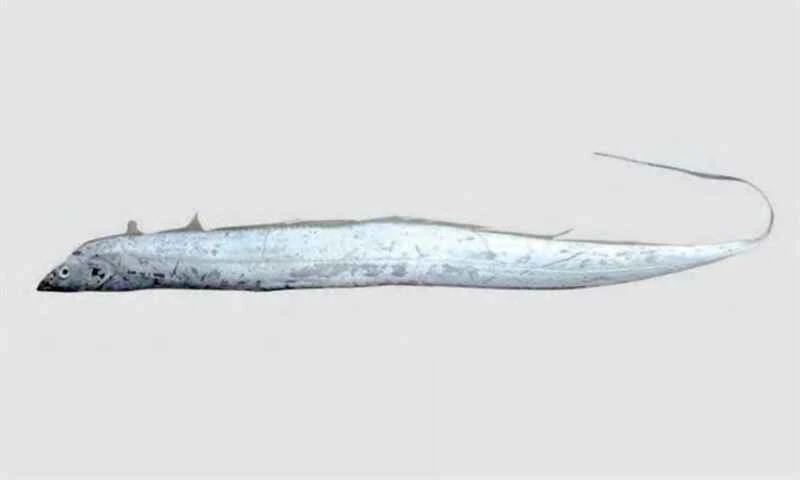
The small ribbonfish is the smallest of the ribbonfish species, with common individuals ranging from 10 to 35 centimeters in length. It is widely distributed in the Indian Ocean and the western Pacific Ocean, and can also be found in the Yellow Sea, East China Sea, Bohai Sea, and South China Sea in my country. It usually inhabits shallow seas, brackish waters, and estuaries near the coast.
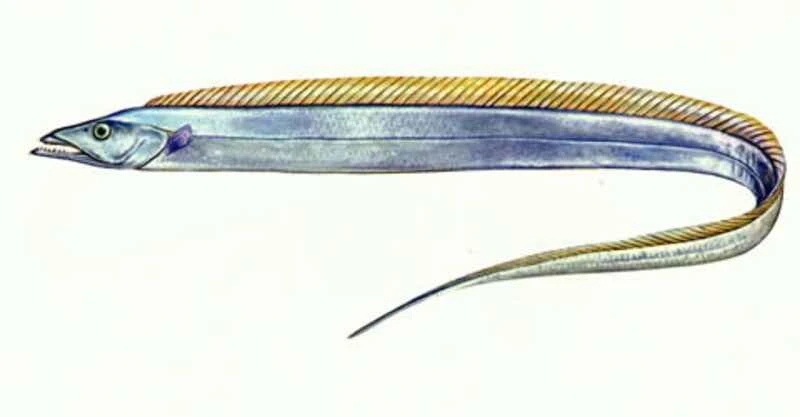
The small ribbonfish has a noticeably protruding interorbital septum forming a central ridge. Its lateral line is almost horizontal, the upper part of the pectoral fin is not significantly curved, the pelvic fins have a pair of round, scale-like protrusions, and the anal fin has a scale-like protrusion at its origin. Compared to most ribbonfish, the small ribbonfish is smaller in size, but its flesh is more delicate, with a delicious and non-fishy taste. It has thick flesh, few bones, and a tender and delicious flavor.
5. Sand ribbonfish (metallic blue body surface/northern Indian Ocean)
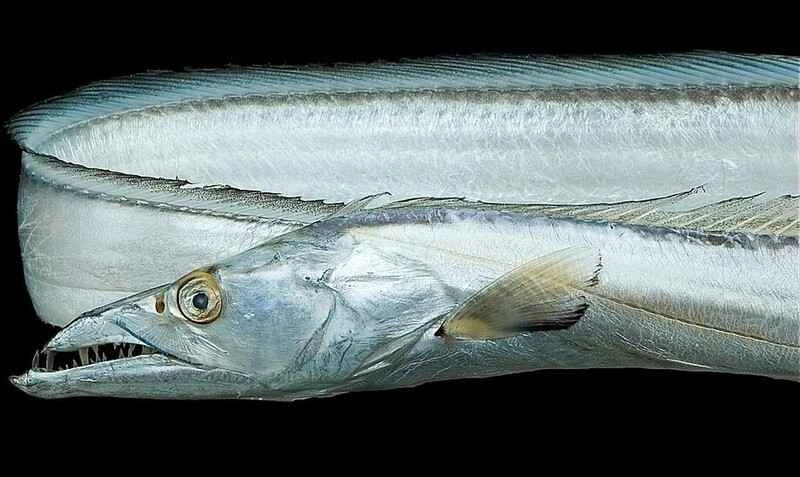
The sand ribbonfish is a relatively unique species of ribbonfish, with a metallic, reflective blue body. It lacks pelvic and caudal fins and can reach a maximum length of 100 centimeters. It is mainly distributed along the northern coast of the Indian Ocean, east to Australia, north to the Okinawa Islands of Japan, and in the South China Sea and Taiwan Strait of my country, typically inhabiting waters up to 100 meters deep.
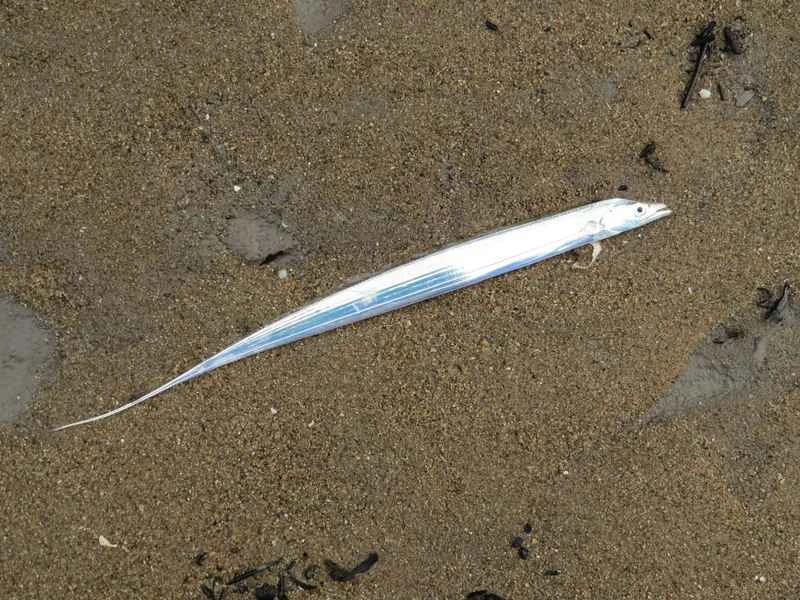
Ribbonfish has a very delicate texture and no muddy taste. Whether fresh or frozen, it is very easy to process and can be paired with a variety of ingredients. Common cooking methods include stewing, steaming, frying, and braising. It can also be used in dry pot, hot pot, and various Western and Japanese dishes.
6. Japanese ribbonfish (western Pacific/northeastern Indian Ocean)
Which type of ribbonfish tastes best? Japanese ribbonfish is one of the species with exceptionally fine flesh, and it's typically best enjoyed fried or pan-fried. Japanese ribbonfish are mainly distributed in the western Pacific and the eastern and northern Indian Oceans, and are also found in the Yellow Sea, East China Sea, and South China Sea of my country. They usually inhabit waters 20 to 50 meters deep, but can reach depths of up to 150 meters.
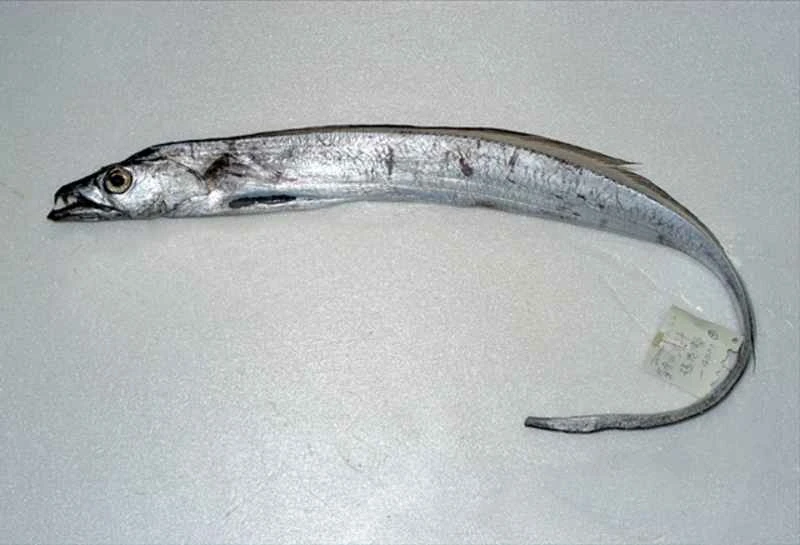
Japanese ribbonfish (Trichiurus japonicus) is a dominant species in the Northwest Pacific Ocean. It prefers low temperatures, and climate warming may shrink its range.
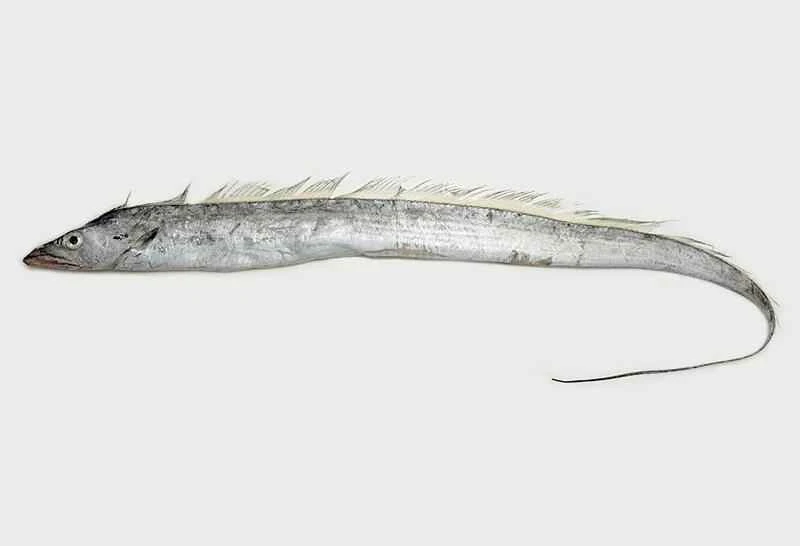
The spawning season for Japanese ribbonfish is generally from May to August each year, with peak production from May to July. This type of ribbonfish has a relatively slender body, with a ribbon-like shape from the side, and a particularly long tail that tapers gradually to a whip-like tip. Its scales are degenerate, and its caudal and pelvic fins are missing. Its body color is silvery-white, with the upper part of the dorsal fin and pectoral fins being pale gray with small black spots, the tail being darker, and the abdomen being grayish-black.
7. Narrow-skulled ribbonfish (narrow and long head/tip-shaped and long snout/northern Indian Ocean)
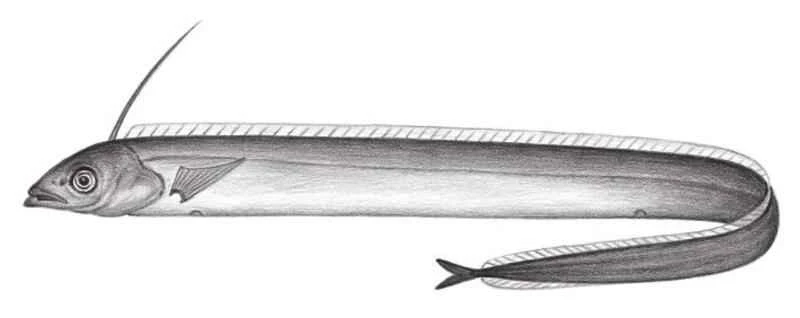
Narrow-headed ribbonfish is one of the top ten ribbonfish species. It is a warm-water fish mainly distributed along the northern coast of the Indian Ocean, the Andaman Islands, the Red Sea, the Strait of Malacca, and the South my country Sea, Taiwan Strait, and East China Sea. They generally inhabit muddy seabeds at depths of 50 to 70 meters. Narrow-headed ribbonfish are usually caught accidentally through bottom trawls, longlines, or tuna fishing. Although their fishing methods are not specific, their flesh is delicious and edible.
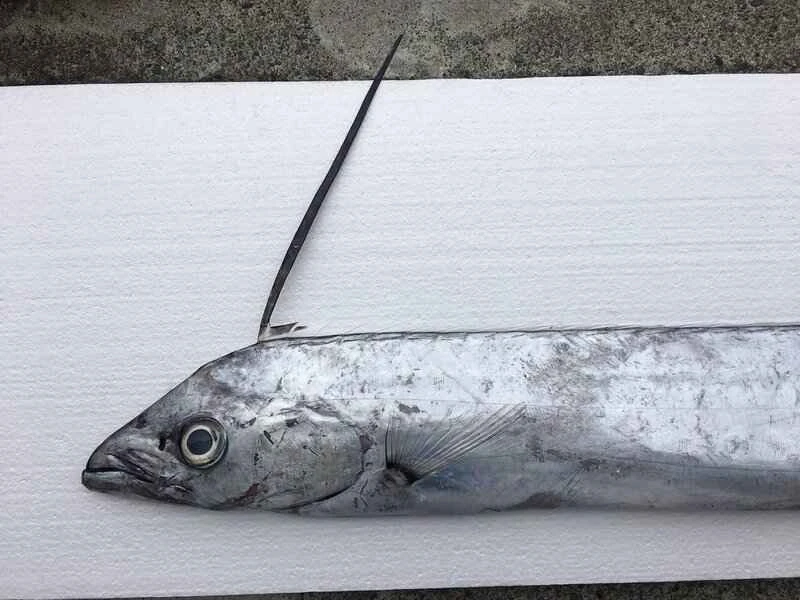
Its distinctive features include a silvery-white body with a darker back, and most notably, a narrow, elongated head with a slightly protruding top, a pointed tip, and a slender snout. The flesh is tender and best suited for simple cooking methods such as steaming or braising, which fully showcase its delicate texture. Common representative species of narrow-headed ribbonfish include the striped narrow-headed ribbonfish, the Bois narrow-headed ribbonfish, the bigeye narrow-headed ribbonfish, and the Bois narrow-headed ribbonfish.
8. Forktail ribbonfish (body length up to 2.1m/45°N-30°S sea area)
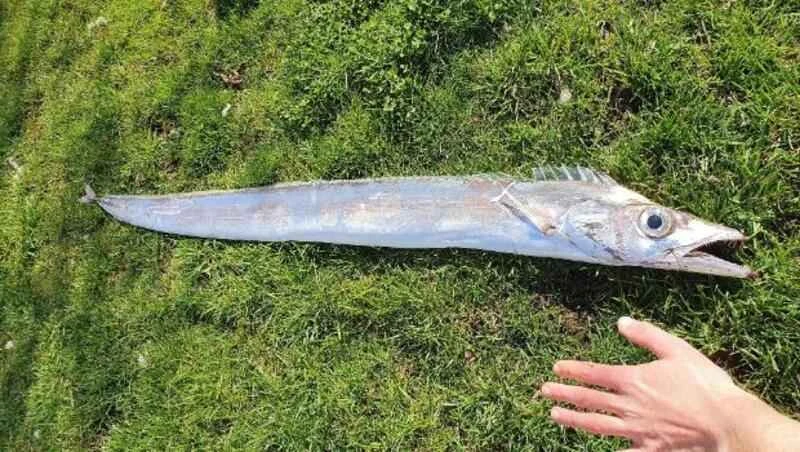
Forktail ribbonfish, also known simply as forktail ribbonfish, encompasses several species, including the Atlantic forktail ribbonfish and the West African forktail ribbonfish. Atlantic forktail ribbonfish are mainly distributed in the tropical to temperate waters of the Pacific, Atlantic, and Indian Oceans. They have a silvery body color and their most distinctive feature is their forked tail. They can reach a length of 210 cm.
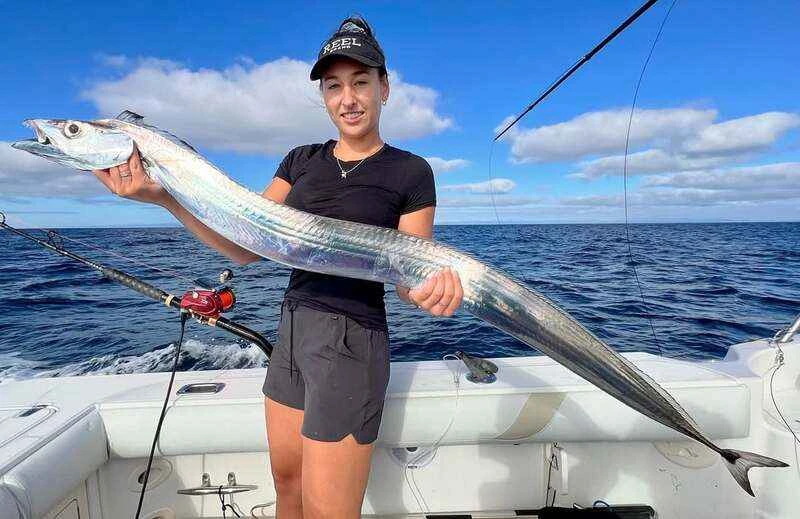
The West African ribbonfish mainly inhabits the waters off the west coast of Africa, living at depths between 20 and 500 meters. It has a silvery body color with black gill covers and typically reaches a length of 43 centimeters. According to our understanding, the deep-sea ribbonfish is distributed throughout tropical and warm temperate waters worldwide, especially spawning around tropical regions. Its spawning season is relatively long, mainly concentrated from April to June, followed by September to November.
9. Equal-finned forktail ribbonfish (copper-black body/Atlantic/Australia/Peru)
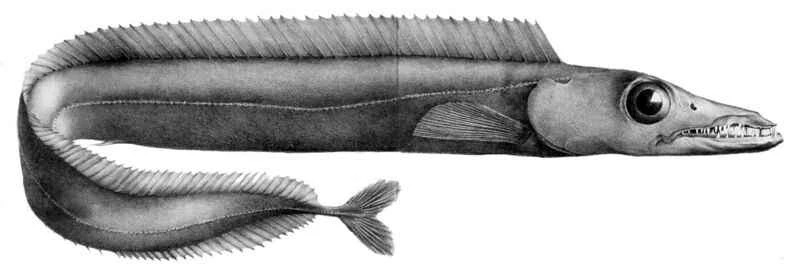
The equal-finned forktail ribbonfish is a ferocious species of ribbonfish, sometimes called the "black monster fish" due to its copper-black body. There are two main common types. The first is the intermediate equal-finned forktail ribbonfish, widely distributed in the tropical and subtropical waters of the Atlantic Ocean, typically inhabiting depths of 300 to 1350 meters. They are very slender, reaching up to 100 centimeters in length, with extremely sharp teeth, and their entire body is copper-black, including their mouth and gill cavities.
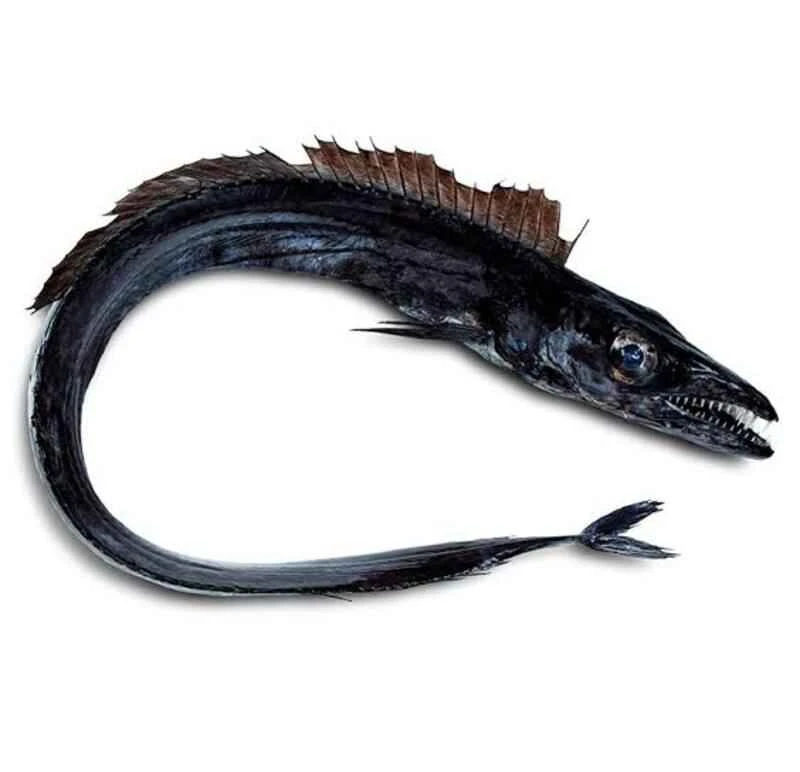
The second type is the black forktail ribbonfish, which is mainly distributed in the waters east of Australia and Peru. It lives in waters at depths of 200 to 1700 meters. It has large and sharp teeth, and the inside of its mouth is also black. Its body color is copper-black, and its body length can reach 110 centimeters.
10. Wrought Razorfish (up to 90cm in length/Indo-West Pacific)
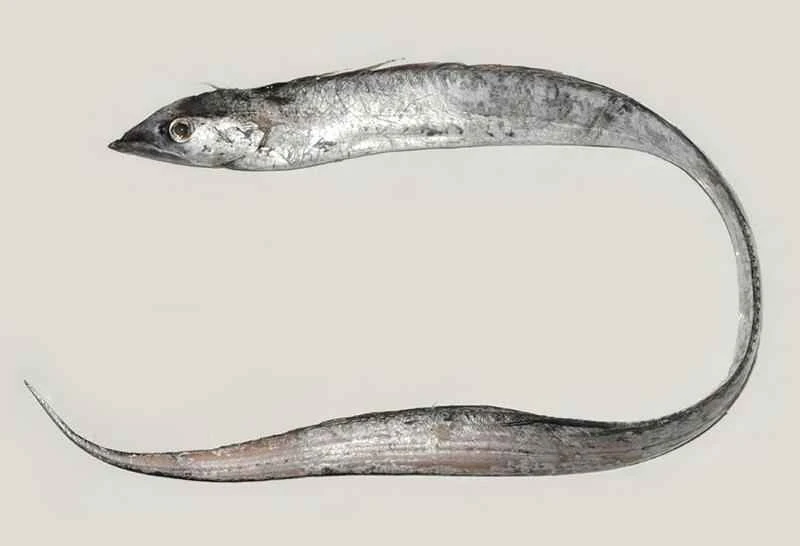
The wrasse, also known as the narrow-skulled ribbonfish, is one of the ten most common ribbonfish. Its body is silvery-white with irregular dark spots on its sides. The dorsal and pectoral fins are light gray with small black spots, while the tail is black. It can reach a maximum length of 90 centimeters. Its flesh is thick and slightly fishy, and it is typically eaten fried or pickled.
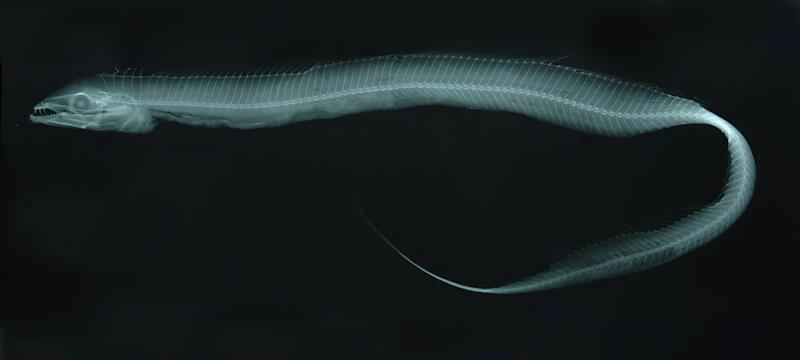
Wretch (Hairtail) are mainly distributed in warm waters from the Indian Ocean to the western Pacific Ocean, including the Red Sea, the Mozambique Channel, and the Andaman Sea, extending eastward to southeastern Australia, and northward to the South China Sea, the East China Sea, and southern Japan. In Taiwan, they are primarily found in the Penghu area. They typically inhabit waters with muddy or sandy bottoms, are gregarious, and voracious eaters, primarily feeding on small fish and crustaceans.

The list of the top ten ribbonfish species is based on the characteristics and quality of common ribbonfish, taking into account public awareness and other relevant information, and combining other related rankings on the internet. It is for reference only. If you have any questions, please feel free to comment/discuss at the end.