One of the most fascinating and unusual reproductive processes in the animal kingdom is parthenogenesis , a form of asexual reproduction in which animals can reproduce without a mate. Essentially, some animals can become pregnant on their own, a rare but remarkable phenomenon. In this comprehensive article, we'll explore the answer to the question, "What animals can become pregnant on their own?" We'll delve into the science behind parthenogenesis, the animals that can reproduce in this way, and the evolutionary significance of this unique reproductive strategy.
What is parthenogenesis?
Before delving into specific animals, it's important to understand the concept of parthenogenesis. The word "parthenogenesis" comes from the Greek words "parthenos," meaning virgin, and "genesis," meaning creation. This form of asexual reproduction allows females to produce offspring without male fertilization. Offspring are typically clones of the mother, although genetic variation can still occur in some species.
Types of parthenogenesis
Depending on how the egg develops, parthenogenesis has different types:
Obligate parthenogenesis : In species that rely entirely on parthenogenesis, all reproduction requires no male involvement. This is common in some lizards and insects.
Facultative parthenogenesis : Some species can reproduce sexually when they have a mate, but can switch to asexual reproduction through parthenogenesis when necessary. This phenomenon has been observed in some reptiles and fish.
What animals can get pregnant on their own?
Several animals can reproduce through parthenogenesis, meaning they can become pregnant on their own without male fertilization. Here are some examples of animals known for their asexual reproductive capabilities:
1. Komodo dragon
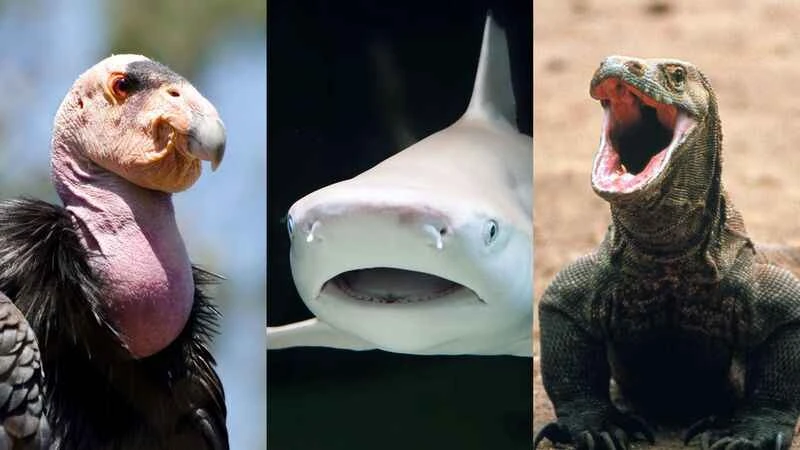
Komodo dragons are among the most well-known parthenogenetic animals. While they typically reproduce sexually, female Komodo dragons have been observed to lay viable eggs in the absence of a male. This phenomenon was first documented in captive Komodo dragons, where females gave birth without ever having contact with a male. In these cases, the offspring are male, which helps maintain the possibility of sexual reproduction in future generations.
2. Whiptail Lizard
Some whiptail lizard species are entirely female and reproduce solely through parthenogenesis. These species do not require males to reproduce, and all offspring are clones of their mothers. Interestingly, some of these lizards engage in sham mating behavior, where a female plays the male role, which may stimulate ovulation, although no actual fertilization occurs.
3. Bees
In bee colonies, parthenogenesis plays a crucial role in reproduction. The queen bee lays unfertilized eggs, which develop into drones through a process called parthenogenesis . Fertilized eggs, on the other hand, develop into female worker bees or new queens. Parthenogenesis ensures the production of drones without the need for mating.
4. Aphids
Aphids are small insects that reproduce parthenogenetically at certain stages of their life cycle. Under favorable environmental conditions, aphids can produce live larvae without mating, thus enabling rapid population growth. However, when environments become harsh, aphids switch to sexual reproduction to increase the genetic diversity of their offspring.
5. Shark
Some shark species, such as hammerhead sharks and blacktip reef sharks , are capable of parthenogenesis. It has been observed that captive female sharks can give birth without mating, and the offspring are genetically similar to their mothers. While parthenogenesis in sharks is relatively rare, it serves as an alternative reproductive strategy in the absence of males.
6. Turkey
Surprisingly, turkeys are another animal that can reproduce through parthenogenesis. While turkeys typically reproduce sexually, some females are able to lay unfertilized eggs that develop into male offspring. Offspring produced through parthenogenesis in turkeys are usually male and can contribute to the next generation.
7. Snake
Several snakes, including the Burmese snake and the python , have been observed to reproduce parthenogenetically. They can still produce viable offspring even when the female is unable to access the male, although this type of reproduction is less common in the wild and more prevalent in captivity.
8. Starfish
Some species of starfish can reproduce asexually, similar to parthenogenesis. Starfish can regenerate lost limbs, and in some cases, severed limbs can grow into a fully functional new starfish. This ability to self-replicate without sexual reproduction makes starfish one of the many marine animals capable of asexual reproduction.
9. Ants
Many ant species reproduce parthenogenetically, particularly in producing males. In some species, the queen lays unfertilized eggs that develop into males, while fertilized eggs become female worker ants. This reproductive method helps ensure the continuation and growth of the colony.
10. Daphnia
Water fleas, or daphnia , are tiny crustaceans known for their ability to reproduce both sexually and asexually. Under favorable conditions, water fleas reproduce parthenogenetically, enabling them to rapidly produce large numbers of genetically identical offspring. When conditions deteriorate, they switch to sexual reproduction to increase genetic diversity.
Why do animals reproduce through parthenogenesis?
Parthenogenesis provides several advantages to species, especially in environments where mates are scarce or unavailable. Here are some reasons why animals may reproduce through parthenogenesis:
1. Survival in isolated environments
In species where individuals are isolated from potential mates, parthenogenesis allows females to continue reproducing and maintain population levels without the need for males. This is particularly advantageous for species in captivity or dispersed habitats.
2. Rapid population growth
Under favorable environmental conditions, parthenogenesis enables species to reproduce rapidly and in large numbers. This rapid population growth is particularly useful for species such as aphids that need to utilize temporary resources.
3. Conserve energy
Asexual reproduction requires less energy than sexual reproduction because it does not require searching for, competing for, or pursuing a mate. By reproducing through parthenogenesis, females can conserve energy while still ensuring the survival of their species.
Limitations of Parthenogenesis
While parthenogenesis has several advantages, it also has limitations:
1. Lack of genetic diversity
A major drawback of parthenogenesis is the lack of genetic variation. Because offspring are clones of their mothers, they have the same genetic makeup, making the population more susceptible to disease, environmental changes, or genetic defects.
2. Reduced adaptability
Species that rely heavily on parthenogenesis may struggle to adapt to changing environments. Sexual reproduction introduces genetic diversity, which helps populations adapt to new challenges or threats over time.
in conclusion
"What animals can get pregnant on their own?" This question opens up a fascinating world of parthenogenesis. From Komodo dragons and whiptail lizards to bees and sharks, many species have developed this unique reproductive strategy to survive in challenging environments. While less common than sexual reproduction, parthenogenesis provides an essential means for some animals to thrive without a mate.
By understanding parthenogenesis and its role in animal reproduction, we can gain a deeper understanding of the diversity and adaptability of life on Earth. From self-replicating lizards to turkeys laying eggs without a mate, parthenogenesis continues to fascinate scientists and animal lovers, highlighting the remarkable strategies animals use to ensure the survival of their species.