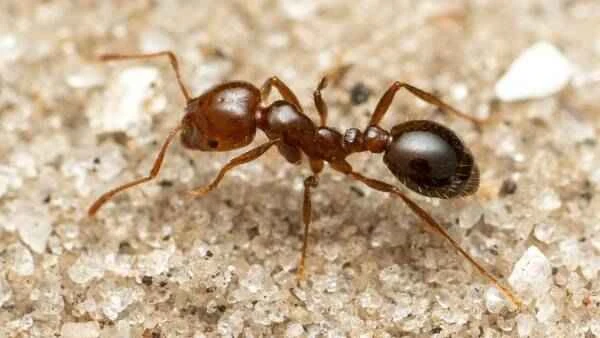
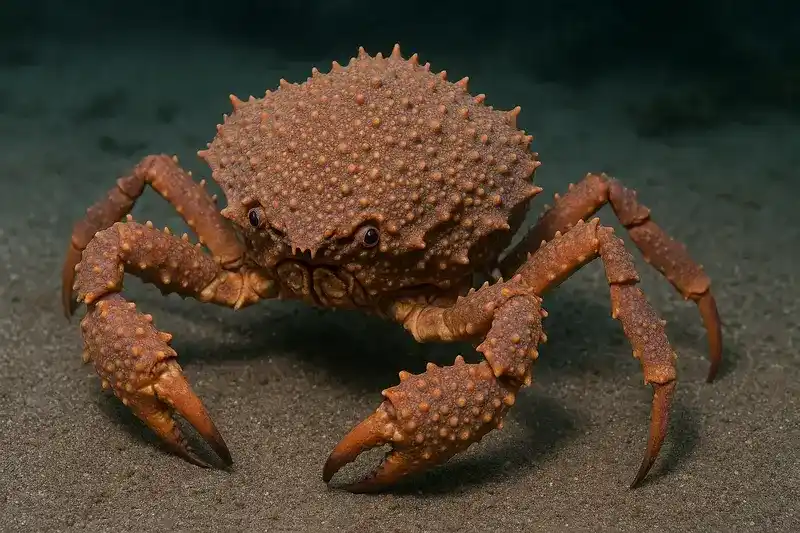
Brazil is one of South America's most quintessential "super biodiversity countries." The Amazon rainforest, the Atlantic rainforest, the Pantanal wetlands, and the Cerrado savanna, among other ecosystems, together nurture an astonishing number of wild animals. From apex predators to brightly colored birds and giant invertebrates of the rainforest, Brazil's natural world is rich and breathtaking. Below are 10 representative animals of Brazil.
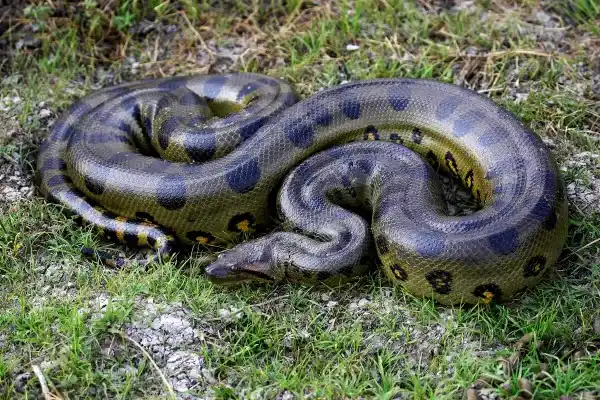
1) Green anaconda ( Eunectes murinus )
The green anaconda is one of the largest snakes in the world, and it is particularly adept at ambushing prey in swamps and slow-flowing rivers.
Main features
Where it appears in Brazil: swamps, rivers, lakes, and seasonally flooded forests in the Amazon basin lowlands.
Appearance: The olive-green body with dark patches is excellent for camouflage in weedy and murky waters.
Size: Females are usually larger than males, with extreme individuals exceeding 6 meters.
Diet: Opportunistic predator, preying on fish, birds, reptiles and mammals, often using entanglement to subdue them.
2) Amazon pink river dolphin (Poto River dolphin) ( Inia geoffrensis )
The pink river dolphin is one of the most iconic aquatic mammals in the Amazon, with adult males often displaying a more pronounced pink color.
Main features
In Brazil, it appears in: the main Amazon River and its tributaries, floodplain lakes, and seasonally flooded forests.
Appearance: The muzzle is relatively long and the neck is more flexible; the color ranges from gray to pink.
Diet: Primarily feeds on various types of fish, but also preys on crustaceans, and has been recorded preying on turtles in some areas.
Hunting methods: They mostly hunt alone, but in some cases they will cooperate/co-hunt.

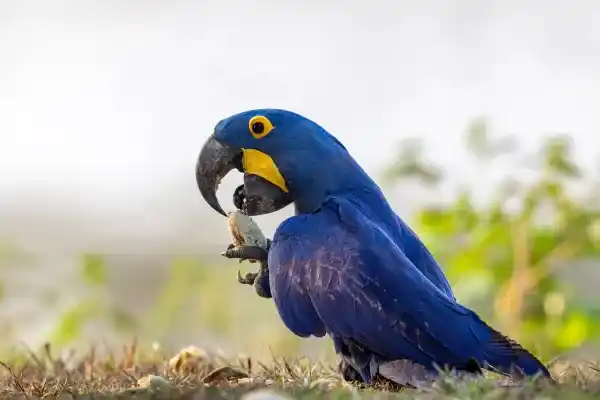
3) Hyacinth Macaw (Blue Macaw/Hyacinth Macaw) ( Anodorhynchus hyacinthinus )
It is the world's largest flying parrot, with an extremely striking blue color and a very strong beak.
Main features
Where it appears in Brazil: It is most representative of the Pantanal wetlands, but it is also found in other suitable palm-growing environments.
Appearance: Cobalt blue feathers; large black beak; yellow bare skin around the eyes and at the base of the beak.
Diet: It has a strong preference for palm nuts and hard seeds and requires a strong bite force.
Reproduction: They often use tree cavities (palm cavities) to build nests, and in some areas they also use rock walls.
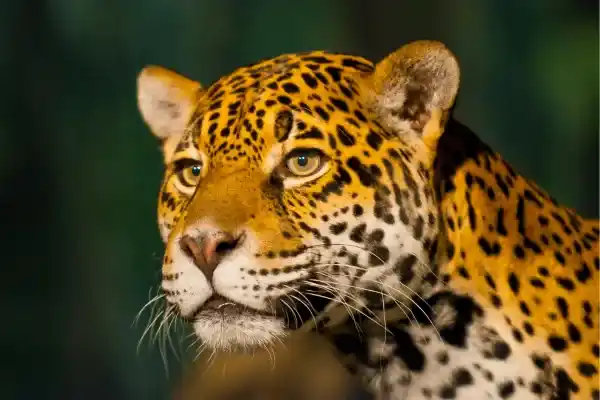
4) Jaguar ( Panthera onca )
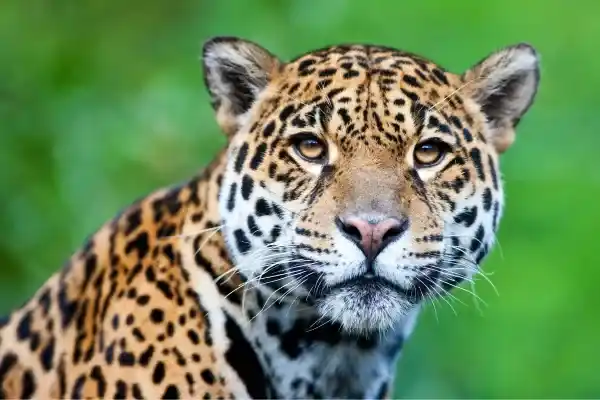
The jaguar is the largest cat species in the Americas and one of the top predators in the Brazilian rainforest and wetland ecosystems.
Main features
In Brazil, it is found in the Amazon and Pantanal, which are important core distribution areas, as well as in other forest/wetland mosaic environments.
Appearance: Sturdy build, large head; rosette fur (often with "spots within spots").
Diet: Very broad, it can prey on peccaries, deer, caimans, capybaras, fish, etc.
Hunting method: adept at ambushes, with an extremely strong bite force.
5) Red-bellied Thrush ( Turdus rufiventris )
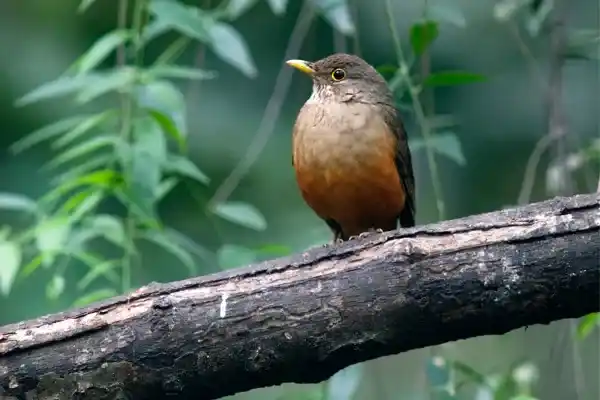
It is very common in southern and eastern Brazil, often found in parks, gardens and woodlands, and is a representative bird of the "between city and nature".
Main features
Where it appears in Brazil: It is most common in southern and eastern Brazil, and is adapted to woodlands and urban green spaces.
Appearance: The abdomen is orange-red, and the back is olive-brown; there are often light yellow circles around the eyes.
Diet: Omnivorous, it eats insects and spiders, as well as fruits and helps spread seeds.
Nest building: Mostly cup-shaped nests, commonly found among tree branches and shrubs.
6) Golden Lion Tamarin ( Leontopithecus rosalia )
The golden lion-faced tamarin is the "flagship species" of the Brazilian Atlantic Forest, with its golden mane as striking as a lion cub.
Main features
Where it appears in Brazil: The remnants of the Atlantic Forest in southeastern Brazil; it is endemic to Brazil.
Appearance: Golden orange fur, with a distinct "mane" around the head.
Size: Small body, long tail, adept at moving in the canopy.
Diet: Omnivorous, eating fruits, insects and other small invertebrates.

7) South American tapir (Brazilian tapir/lowland tapir) ( Tapirus terrestris )
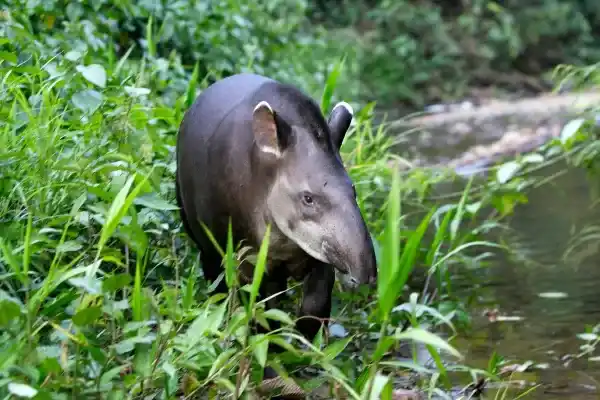
Tapirs are large herbivores, often called "forest gardeners" because they can carry and disperse many plant seeds.
Main features
In Brazil, it appears in the Amazon and other tropical forests, wetlands, and riparian environments.
Appearance: Dark brown to reddish-brown fur, short mane; retractable nose, like a small elephant trunk.
Body type: Adult weight typically ranges from 150 to 250 kg.
Diet: Primarily feeds on leaves, tender branches, and fruits; in many regions, it is active at dusk or night.
8) Amazonian manatee (freshwater manatee) ( Trichechus inunguis )
These manatees live only in the Amazon basin and are very gentle, large freshwater mammals.
Main features
In Brazil, it appears in: slow-flowing waters of the Amazon River and its tributaries, bays, and black lakes.
Appearance: The body is rounded and mainly gray; there are whisker-like bristles on the muzzle.
Size: Approximately 2.8 meters.
Diet: Herbivorous, it eats aquatic plants and floating plants, and often eats more during periods of high water levels.

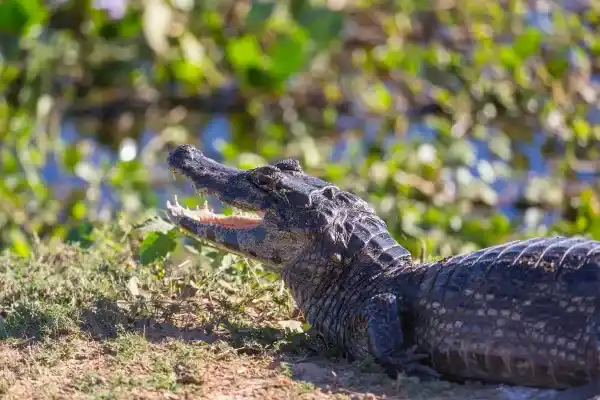
9) Spectacled Caiman ( Caiman crocodilus )
Caimans are one of the most typical reptiles in South American wetlands, with strong adaptability and diverse ecological niches.
Main features
It appears in various freshwater environments in Brazil, including rivers, lakes, swamps, and wetlands (the exact locations vary by region).
Appearance: Olive-colored body; bony protrusion between the eyes, resembling "wearing glasses".
Size: Commonly 1.5–2.1 meters, but can reach up to 3 meters.
Diet: Broad-spectrum predator, feeding on fish, insects, crustaceans, birds, reptiles, and small mammals.
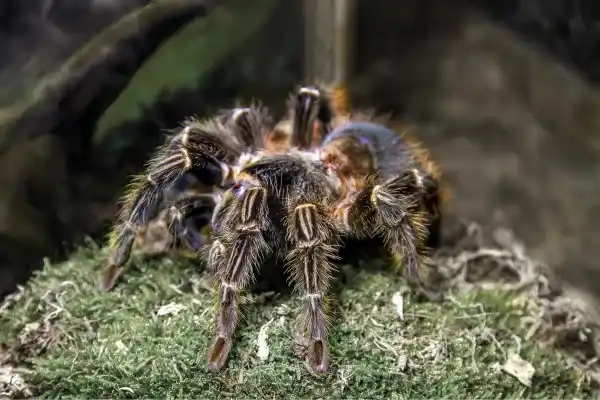
10) Goliath birdeater ( Theraphosa blondi )
It is one of the largest spiders in the world (known for its weight and leg span), and is a truly "amazing" presence in the Amazon rainforest.
Main features
It appears in the hot and humid regions of the northern Amazon rainforest, where it prefers moist soil.
Appearance: Sturdy build, hairy legs, overall reddish-brown/dark brown tone.
Size: Extremely long foot span, with extreme records reaching nearly 30 centimeters.
Diet: Nocturnal hunters, primarily feeding on invertebrates, and opportunistically preying on small vertebrates.
Summarize
These 10 animals span multiple ecosystems, including the Amazon River, rainforest, wetlands, and Atlantic forests, showcasing a microcosm of Brazil's biodiversity.