Table of contents
What does "loudest sound" mean? — Units of sound and moments of awe.
From smallest to largest: The loudest animal in the animal kingdom makes its debut.
2.1 A Small But Loud Voice: Even Tiny Insects Can Make a Loud Sound
2.2 The Nighttime Song Kings of the Frog World: Rainforest Notes—Tree Frogs and Water Bugs
2.3 The "Sonic Attack" of Birds: From Oilbirds to Giant Parrots
2.4 The Loud Voices of Mammals: The Lion's Roar Shakes the Heavens and Earth
2.5 The Sounds of the Ocean: The Underwater Symphony of Blue Whales and Sperm Whales
2.6 The Battle of the "Strongest Sound": A Showdown Between Shrimp and Whale
Behind the loudest sound: A fascinating collision of science and evolution
Data Overview: Top 10 Noisiest Animals on Earth
In summary: Why is being "loudest" so important?
1. What does "loudest sound" mean? — Units of sound and moments of awe.
What exactly does "loudest sound" mean? We usually measure sound volume in decibels (dB). For example, a normal conversation is about 60 decibels, while the sound of a lawnmower is about 90 decibels. Extremely loud sounds can reach over 120 decibels, at which point the sound can cause ear pain.
In the animal kingdom, "loudest voice" has two meanings:
One type is the absolute loudest volume, such as the sound of a whale, which can reach 230 decibels under certain circumstances, enough to shake the ocean.
Another type is the loudest sound relative to its size. For example, the sound made by a tiny water bug can travel across a pond, which is amazing in terms of volume relative to its size.
The power of sound: How to measure loudness?
Loudness is measured in decibels (dB), representing the intensity of sound. Here are some comparative examples:
Normal human conversation: approximately 60 dB
Rock concert: approximately 120 dB
Jet engine: approximately 140 dB
The loudest animal in nature: up to 230 dB
Next, we'll start with the smaller animals and gradually uncover the loudest contestants in the animal kingdom!
2. From smallest to largest: The loudest animals in the animal kingdom are revealed one by one.
2.1 A Small But Loud Voice: Even Tiny Insects Can Make a Loud Sound
2.1.1 Water bugs: natural "little trumpets"
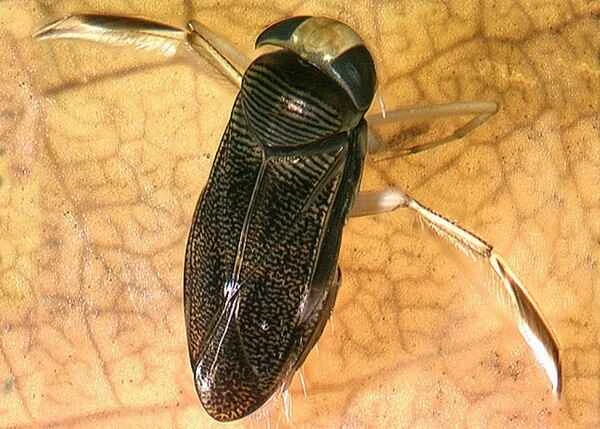
Water bugs are among the loudest animals on Earth relative to their size. Male water bugs produce sound by rubbing their genitals against a special structure on their abdomen, reaching 99 decibels – equivalent to standing next to a train! For such a tiny creature, the sound can penetrate an entire pond and travel a distance of about 2 meters . While this may not seem like a large range, considering its length of only a few millimeters, this proportion is nothing short of miraculous and incredible.
2.1.2 Light-up Cricket: Musical Instrument Performer
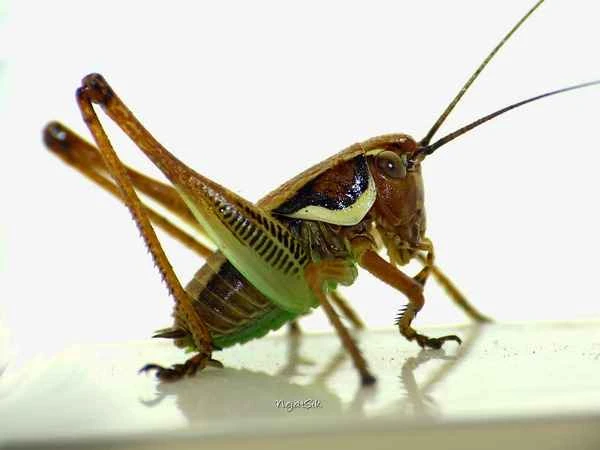
When it comes to insects that excel at sound production, crickets and katydids are definitely among them. Especially the light-emitting cricket, which produces a chirping sound reaching up to 110 decibels by rubbing its wings together, primarily to attract females. This is equivalent to the sound of someone standing next to a giant truck—it sounds like "the power of love." Its sound can travel up to 30 meters away, which is truly "earthy" for an insect less than 10 centimeters long.
2.2 The Nighttime King of the Frog World: Notes of the Rainforest
2.2.1 Costa Rica's "Singing Star": The Tree Frog

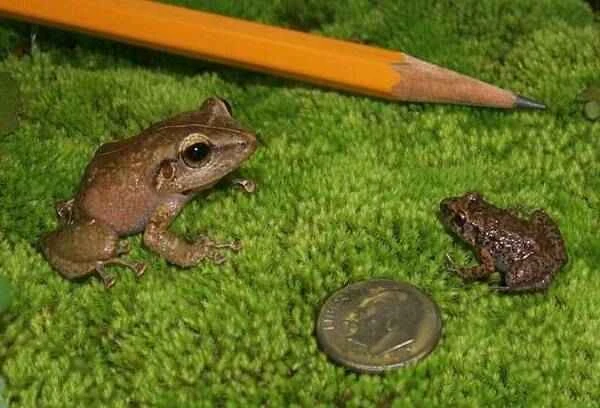
Frogs are the singers of wetlands and rainforests. The Costa Rican resonant tree frog, in particular, can reach 90 decibels in its call, traveling approximately 50 meters . Their voices are especially loud in the rainforest at night, becoming a natural backdrop. While not as extreme as water bugs, their calls are still powerful enough to resonate throughout the entire rainforest.
2.2.2 The Little "Loudspeaker": The Rain Frog
Let's talk about the rain frogs that are common in tropical rainforests. Their "ko-kee" calls can reach 80-90 decibels, but their chorus when they live in groups can be heard up to 100 meters away. Their dense distribution in the rainforest makes these sounds the main theme of the night, enough to keep newcomers awake!
2.3 Birds' "Sound Attacks": From Oilbirds to Parrots
2.3.1 Oilbirds: "Infrasound" in Caves

Oilbirds are nocturnal birds that inhabit caves in South America and emit sounds up to 100 decibels loud enough to travel up to 300 meters . They primarily use these sounds for echolocation and social communication. These birds utilize echolocation, much like "aerial bats."
2.3.2 The world's largest parrot: the noise maker—the kakapo

The large kakapo is one of the loudest birds. During the breeding season, the male emits a low-frequency "buzzing" sound reaching 132 decibels, followed by a metallic high-pitched "ching" sound that can travel nearly 1 kilometer to attract females.
2.4 The Loud Voices of Mammals: The Lion's Roar Shakes the Heavens and Earth
2.4.1 The Lion: The True "King of Beasts"

A lion's roar can reach 114 decibels and travel an astonishing distance of 8 kilometers . This sound not only declares territory but also warns potential enemies and intimidates them. Scientists have discovered that lions have a very special vocal cord structure, rich in elasticity and fat, allowing them to produce enormous volumes with low airflow.
2.4.2 Howler Monkeys: Their howls can be heard from three kilometers away.
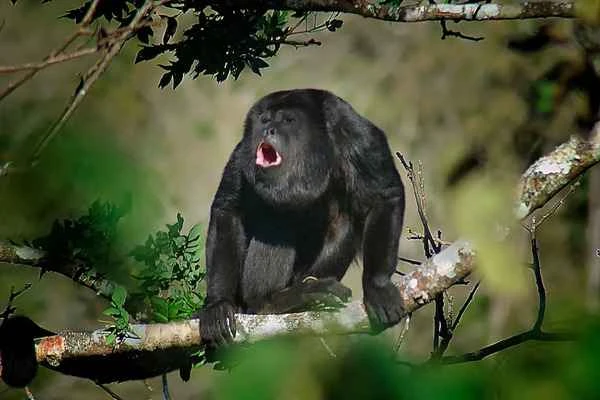
Howler monkeys in tropical rainforests are known for their loud voices. The special throat structure of male howler monkeys can produce a sound of 140 decibels, equivalent to standing next to a jet plane, and can travel up to 5 kilometers , making them one of the animals with the longest-reaching sound on land.
2.5 The Sounds of the Ocean: The Underwater Symphony of Blue Whales and Sperm Whales
2.5.1 Blue Whale: The "Giant" of the Ocean
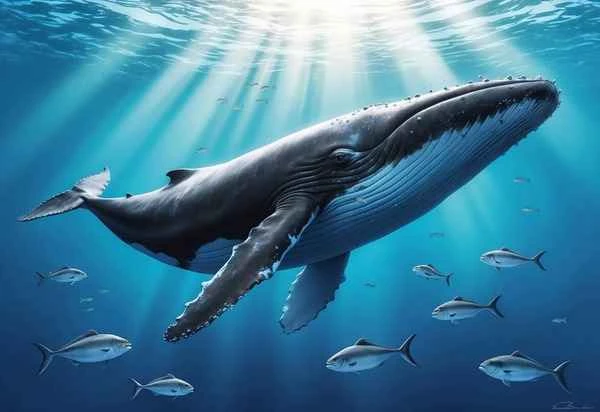
The blue whale is one of the loudest animals on Earth. Its call can reach 188 decibels and travel up to 1,600 kilometers! This sound is not only used for communication but may also be used to explore the deep-sea environment. As the loudest mammal on Earth, this long-distance transmission may be used to find mates or for navigation.
2.5.2 Sperm Whale: The "Underwater Master" of Click Sound
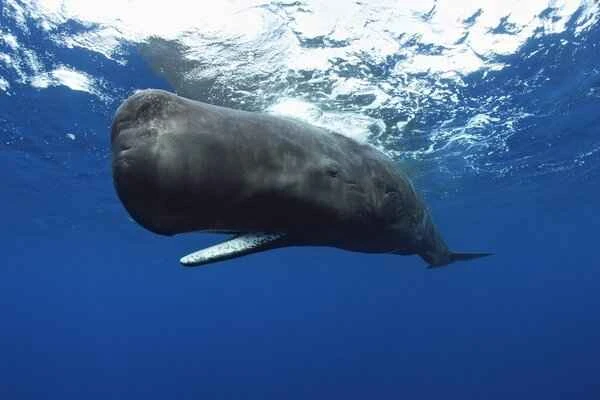
The sperm whale's click sound reaches an astonishing 230 decibels, surpassing the absolute volume of the blue whale. These click sounds are used for underwater positioning and hunting, and are among the "loudest" techniques used by cetaceans. They are considered one of the loudest sounds on Earth. Their sounds also travel extremely far, estimated to be over 500 kilometers .
2.6 The Battle of the "Strongest Sound": A Showdown Between Shrimp and Whale
2.6.1 Pistol Shrimp: An Underwater "Sonic Weapon"

Don't underestimate the pistol shrimp (also known as the "snap shrimp"). They generate a 200-decibel sound by rapidly closing their large pincers, and the shockwave can travel up to 1.5 meters . This shockwave can even stun or kill prey!
2.6.2 The loudest "ultimate champion": the sperm whale
While the pistol shrimp's sound is awe-inspiring, the sperm whale holds the record for the "loudest" animal with a volume of 230 decibels.
3. Behind the Loudest Sound: A Marvelous Collision of Science and Evolution
Why do some animals need to make such loud noises?
Communication needs: Many animals live in dense or complex environments, and sound is an important means of transmitting information.
Courtship strategy: Males with louder voices are usually more likely to attract mates.
Predation and defense: Like pistol shrimp and sperm whales, sound is not only a tool for communication, but also a weapon for hunting.
4. Data Overview: Top 10 loudest animals on Earth
| Ranking | animal | Maximum sound recording (decibels) | Remark |
|---|---|---|---|
| 1 | sperm whale | 230 | Underwater click sound |
| 2 | pistol shrimp | 200 | Underwater sonic attack |
| 3 | Blue Whale | 188 | underwater long-distance transmission |
| 4 | howler monkey | 140 | The smell could be heard from three kilometers away. |
| 5 | Kakapo | 132 | "Sonic attacks" during the breeding season |
| 6 | lion | 114 | Low-frequency vibration |
| 7 | Light Cricket | 110 | Wings making a sound |
| 8 | Oil Bird | 100 | Echolocation |
| 9 | Water bug | 99 | Largest relative size |
| 10 | Rain frog | 90 | Night Singer in the Rainforest |
5. Summary: Why is "loudest sound" so important?
The loudest sounds are not only an amazing natural phenomenon in the animal kingdom, but also a testament to evolutionary adaptation and survival wisdom. From insects to mammals, each loudest sound has a unique scientific story behind it. The next time you hear an animal's sound, don't forget to marvel at the wonders of nature!