The Savannah Monitor is a truly remarkable reptile, renowned for its robust size, unique behavior, and adaptability to diverse environments. Whether you're a reptile enthusiast, a pet seeker, or simply interested in wildlife, this article provides a comprehensive and in-depth introduction to this amazing creature.
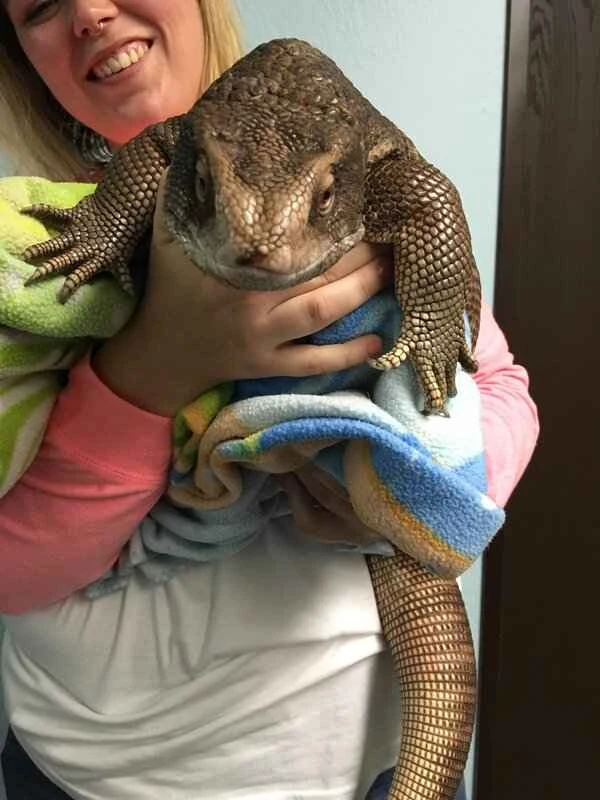
What is a monitor lizard?
The Savannah Monitor, scientifically known as *Varanus exanthematicus *, is a medium to large lizard belonging to the family Varanidae. It is native to the grasslands of sub-Saharan Africa and is adapted to dry, hot environments.
Main features:
Size : Adults can reach 3–4 feet (about 1 meter) in length and weigh about 10–15 pounds (4–7 kilograms).
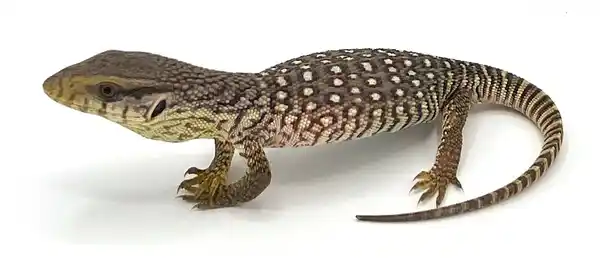
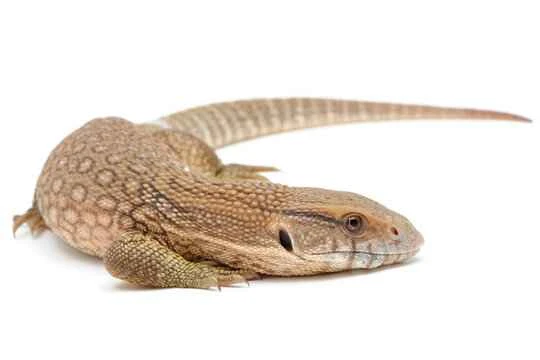
Appearance : Thick and muscular body covered with hard scales. Usually yellow to brown with dark spots, which helps it camouflage itself in the wild.
Lifespan : Under proper care, the grassland monitor lizard can live for 10–15 years.
Due to their toughness and interesting behavior, the Savannah Monitor Lizard is quite popular among reptile enthusiasts.
Natural habitats and ecology
The savanna monitor lizard primarily inhabits the arid, open grasslands of sub-Saharan Africa. These grasslands (also known as savannas) are characterized by expansive meadows covered with trees and shrubs.
Habitat preference:
Distribution : Commonly found in countries such as Ghana, Nigeria, and Kenya.
Climate conditions : Adapted to arid and semi-arid climates, and can survive in high-temperature environments exceeding 100°F (38°C).
Hiding places : They often dig holes to escape the heat or avoid predators.
Ecological role:
The monitor lizard is both a predator and prey, playing an important role in the ecosystem:
Predators : feed on insects, small mammals, birds and other reptiles.
Prey : Eagles, snakes, and sometimes humans prey on them.

Behavior and Diet
The Savannah Monitor Lizard is known for its active and curious nature. They are diurnal animals, most active during the day.
Hunting techniques:
They use their keen sense of smell and sight to find prey.
They are skilled diggers, often digging up hidden food such as beetles or snails from underground.
Outdoor Dining:
Insects : locusts, crickets, and beetles.
Small animals : mice, birds and other lizards.
Eggs : Bird eggs and reptile eggs are their delicacy.
Diet for artificially raised animals:
As pets, they need a high-protein diet:
Main food : rodents (such as mice), insects (such as crickets and mealworms), and cooked eggs.
Supplements : It is necessary to add multivitamins specifically for reptiles to avoid nutritional deficiencies.
Prairie Monitor Lizard Pet Care Guide
Because of their moderate size and ease of care, the Savannah Monitor is kept as an exotic pet by many people. However, they require specialized care to thrive.
Habitat:
Enclosure size : It is recommended to use a large space of at least 6 feet (about 1.8 meters) in length.
Temperature control :
The temperature of the tanning area should be maintained at 100°F–110°F (38°C–43°C).
The ambient temperature needs to be maintained at 80°F–90°F (26°C–32°C).
Humidity : Maintain a moderate humidity of 40%–50%.
Substrate : Use sand, soil, or coconut fiber to facilitate the monitor lizard's digging and burrowing.
Interaction and taming:
Frequent, gentle interactions help build trust, but they may take defensive measures if they feel threatened.
Avoid suddenly grabbing or pulling their tails.
Health problems and protection
Prairie monitor lizards are generally healthy, but they can develop health problems if not properly cared for.
Common health problems:
Metabolic bone disease (MBD) : caused by a deficiency of calcium or vitamin D3.
Prevention : Provide UVB light and a calcium-rich diet.
Respiratory tract infections : often caused by low temperature or high humidity.
Prevention : Maintain the best breeding environment.
Parasites : Monitor lizards captured in the wild may be infected with internal or external parasites.
Prevention : Have regular veterinary checkups.
Comparison of the Savannah Monitor with other monitor lizards
The steppe monitor lizard is often compared to other members of the monitor lizard family.
Comparative analysis:
Savannah Monitor vs. Nile Monitor : The Nile Monitor is larger and more aggressive, making it unsuitable as a pet.
Savannah Monitor vs. Black-throated Monitor : Both are gentle in nature, but the Black-throated Monitor needs more space to roam.
Savannah Monitor vs. Asian Water Monitor : The water monitor is semi-aquatic and requires water, while the savannah monitor is more adapted to arid environments.
Protection status
The Savannah Monitor is listed in CITES Appendix II , and its trade is regulated to ensure sustainability. Although not currently listed as an endangered species, habitat destruction and overcapture for the pet trade pose threats to it.
Protective measures:
Promote artificial breeding programs to reduce capture in the wild.
Support habitat protection projects in Africa.
Interesting facts and cultural significance
The savannah monitor lizard has a forked tongue, similar to that of a snake, which enhances its sense of smell.
In some African cultures, they are seen as symbols of strength and resilience.
They are popular in educational programs to educate people about reptiles and ecosystems.
Savannah monitors are amazing creatures, both in the wild and as pets. While they require a bit more care, the attention and attention they receive will bring the joy of observing and interacting with them. If you're considering keeping a savannah monitor, make sure you're prepared to provide a suitable environment for this fascinating reptile to thrive!