Lake sunfish are among the most popular freshwater fish in North America, renowned for their vibrant colors, diverse species, and the enjoyment of fishing for them. This article delves into the world of lake sunfish, covering their habitats, behaviors, and ecological importance, while also providing practical advice for anglers. Whether you're a fishing enthusiast or a nature lover, this article will offer you a wealth of information about this fascinating fish.
What are lake sunfish? Learn about these freshwater gems.
Lake sunfish belong to the family Centrarchidae and include well-known species such as the bluegill sunfish, pumpkin seed sunfish, and red-eared sunfish. They typically inhabit lakes, ponds, and slow-moving rivers in North America. Due to their vibrant colors and unique body shapes, sunfish are highly favored by anglers and nature observers.
Characteristics of sunfish
Size: Most lake sunfish are between 10 and 30 centimeters in length.
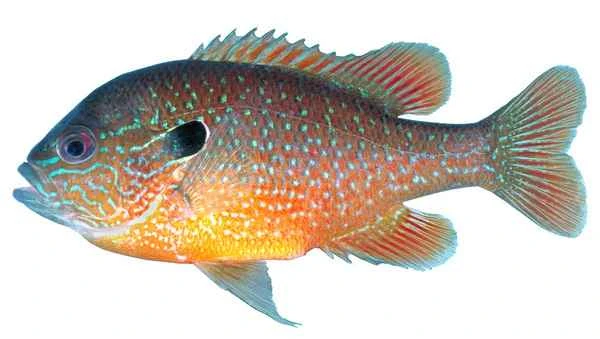
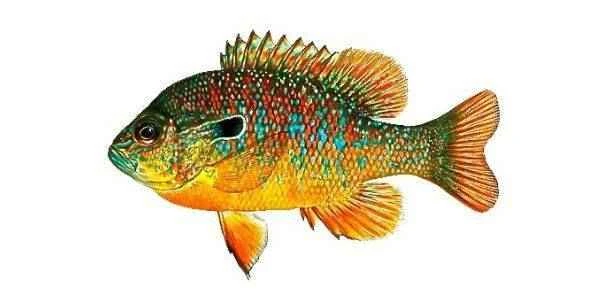
Color: The color varies depending on the species, such as the blue-green sheen of the bluegill or the bright orange of the pumpkin seed fish.
Body shape: Sunfish have a flat, disc-shaped body, making them very easy to identify.
Common sunfish species in lakes
There are many common sunfish species in the lake, each with its own unique characteristics and behaviors:
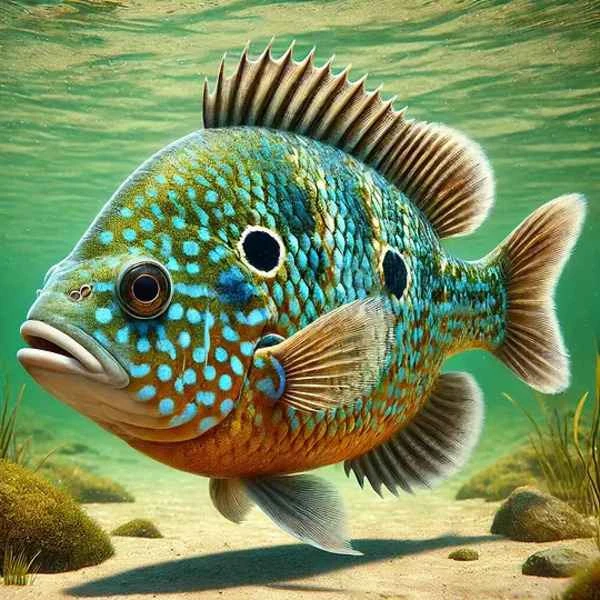
1. Bluegill Sunfish
Appearance: Dark blue gills and a greenish-orange body.
Habits: Prefers to live in groups.
Habitat: Prefers shallow waters rich in aquatic plants.
2. Pumpkin Seed Sunfish
Appearance: The body has bright orange spots, and there are conspicuous red markings on the gill covers.
Diet: Primarily eats insects, small crustaceans, and mollusks.
3. Red-eared Sunfish (Shell-breaking Fish)
Features: Red lines are present along the edge of the gill cover.
Food: Known for eating shellfish such as snails.
4. Green Sunfish
Habitat: Highly adaptable, it can live in lakes, ponds, and even murky waters.
Appearance: Olive green body with blue or orange markings.
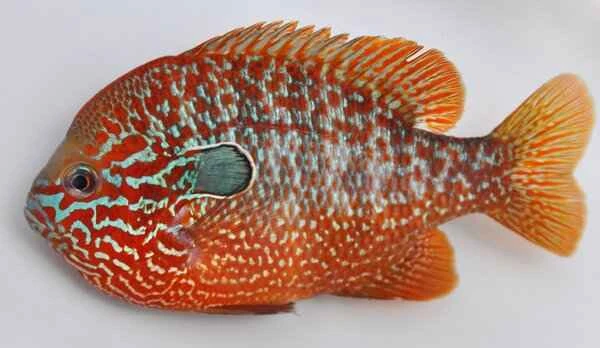
5. Long-eared Sunfish
Characteristics: elongated gill covers, brightly colored, mostly red or orange.
Distribution: Typically found in clear, rocky lakes and streams.
Lake sunfish habitat: Where can they be found?
Sunfish are highly adaptable fish that thrive in a variety of lake environments, but they have particular preferences for certain conditions:
Preferred habitat
Abundant vegetation: Sunfish typically live around aquatic plants, using them as shelter and foraging grounds.
Shallow waters: Especially in the warm season, they prefer waters 3-6 feet deep.
Calm areas: Look for sheltered spots in lakes, such as bays or near submerged logs.
Seasonal changes
Springtime: Sunfish swim to shallow waters to breed.
Summer: They stay in shaded vegetated areas to avoid direct sunlight.
In winter, sunfish will hide in deeper waters to adapt to the more stable water temperature.
Behavioral habits of lake sunfish
Understanding the behavior of sunfish helps fishing enthusiasts and ecologists better understand this fish.
Foraging habits
Food types: Sunfish are omnivorous fish, and their diet includes insects, small crustaceans, worms, and algae.
Foraging time: They are usually most active in the early morning and evening.
Reproductive behavior
Breeding season: Late spring to early summer.
Nest building: Male fish build round nests on sandy or gravelly substrates.
Nest protection behavior: Male fish will actively protect their nest from invasion.
Fishing Techniques and Suggestions for Sunfish in Lakes
Sunfish fishing is a fun activity suitable for anglers of all levels. Here are some tips to improve your success rate:
Best bait
Live bait: Earthworms, crickets, and small fish are most effective.
Artificial lures: Small spinners, swivel hooks, and artificial lures can effectively mimic natural prey.
Fishing Techniques
Throw food near vegetation: target areas rich in aquatic plants.
Float fishing: Use a light float to keep the bait at a suitable depth.
Ice fishing: In winter, ice fishing can be carried out by drilling holes in deep water areas.
Equipment Recommendations
Fishing rod and line setup: Lightweight spinning rods are best suited for sunfish fishing.
Fishing line strength: Choose a 4-6 pound fishing line to avoid startling alert fish.
The relationship between lake sunfish and the ecosystem
Sunfish play an important role in maintaining lake ecosystems.
Ecological significance
Predators: Sunfish control the populations of insects and plankton to prevent them from overproducing.
Prey: They are an important food source for large fish, birds, and mammals.
Protection issues
Overfishing and habitat destruction could threaten sunfish populations.
Invasive species (such as zebra mussels) may disrupt the sunfish's food chain.
Deliciousness and Cooking Methods of Lake Sunfish
For anglers who prefer to be self-sufficient, lake sunfish is a delicious option:
Is sunfish tasty?
Sunfish have delicate flesh and a mild taste, making them a favorite among anglers.
Cooking suggestions
Cleaning: Before cooking, remove the scales, internal organs, and fins.
Classic recipes: pan-fried sunfish fillets, lemon-baked sunfish, or herb-baked sunfish.
Comparison of lake sunfish with other fish species
Sunfish are often compared to other freshwater fish. Here are the differences:
Sunfish vs. Bass: Bass is larger and more aggressive, while sunfish is easier to catch.
Sunfish vs. Trout: Trout prefer colder waters, while sunfish are more common in warmer lakes.
Sunfish vs. Panfish: All sunfish are panfish, but not all panfish are sunfish.
Cherish the unique charm of lake sunfish
Lake sunfish are not only beautiful in appearance, but also an important part of the freshwater ecosystem, bringing endless enjoyment to anglers. Whether you're fishing for pleasure, studying their ecology, or preparing a fresh and delicious meal, sunfish offer boundless opportunities for exploration and appreciation.
Next time you come to the lake, take the time to appreciate the colorful world of sunfish, and maybe you can even catch one yourself!