
The tradition of eating snake meat has a long history around the world. It is not only a unique culinary culture but also reflects people's exploration of the relationship between food and health. This article will explore the allure of snake meat from multiple perspectives, including its cultural significance, nutritional value, culinary applications, and ethical considerations.
The cultural significance of eating snakes
Historical background
The consumption of snake meat dates back hundreds or even thousands of years, especially in regions dependent on natural resources for survival. For example, ancient records from China, Southeast Asia, and Africa document snake meat as food or medicine. In situations where conventional food was scarce, snakes also became a primary food source for many rural or tribal communities.
Regional customs
In Asia , snake meat is considered a delicacy in countries like China and Vietnam. Traditional Chinese medicine believes that certain snakes have the effects of promoting blood circulation and strengthening the body.
Africa : Some African tribes use snake meat as part of sustainable hunting practices.
North America : In Texas and Louisiana, rattlesnake meat is often used to make fried snake meat or stews.
This regional variation demonstrates how snake meat can be both practical and deeply symbolic in different cultures around the world.
Common edible snake species
Not all snakes are suitable for consumption, but the following types of snakes are popular due to their taste and texture:
Python : Its meat is tender and lean, and it is often used in soups or stews.
Rattlesnake : A popular choice in North America, often used for deep-frying or grilling.
Cobra : In some parts of Southeast Asia, it is cooked into soup or medicinal dishes.
Water snake : Widely consumed in Asian countries, with a relatively mild flavor.
The choice of edible snake species is often influenced by local availability and cultural preferences.
The types of snakes consumed annually and the consumption volume of each type vary depending on region, cultural customs, and market demand. Below is a detailed analysis of some common edible snake species and their global consumption patterns:
Common edible snake species
Pythonidae (python)
Consumption regions : Southeast Asia (Vietnam, Thailand, Indonesia), Africa, and parts of South America.
Uses : Python meat is commonly used in soups, stews, or stir-fries. In some regions, python leather is also a major reason for hunting and farming.
Annual consumption estimates : Especially in countries with developed python farming industries, such as Vietnam, tens of thousands of pythons are consumed annually.
Rattlesnake (Crotalus)
Consumption areas : United States (especially Texas, Oklahoma, and New Mexico).
Uses : Rattlesnake meat is often fried or grilled and is a traditional delicacy in the southwestern United States.
Annual consumption estimated at approximately 20,000–25,000 snakes, primarily consumed during rattlesnake hunting festivals and food festivals.
Naja (cobra)
Consumption regions : China, Vietnam, India and other Southeast Asian regions.
Uses : Cobra meat is considered a delicacy and is often used in soups or medicinal dishes. Its gallbladder and blood are also consumed because they are believed to have health benefits.
Annual consumption estimated at several thousand, primarily from wild capture and regulated farming.
Water snake (Homalopsidae)
Consumption areas : Southeast Asia, especially China and Cambodia.
Uses : Water snakes are often sold in wetland markets and used to make soups and curries.
Annual consumption estimated at tens of thousands, typically from catches in local rivers and lakes.
Sea snake (Hydrophiinae)
Consumption areas : Coastal areas of Southeast Asia and Pacific islands.
Uses : Sea snakes are rarely eaten, but are considered a delicacy in some fishing communities.
Annual consumption estimated at only a few thousand units, affected by legal and environmental restrictions.
Bodae (snake)
Consumption areas : South America, especially the Amazon region.
Uses : Boa meat is often an important source of protein for local indigenous groups and rural communities.
Annual consumption estimate : The exact number is difficult to determine, but it is likely between several hundred and several thousand.
Common rat snake (Ptyas mucosa)
Consumption regions : India and Southeast Asia.
Uses : Rat snakes are commonly eaten in rural areas and sold in local markets.
Annual consumption estimated at tens of thousands, mainly from wild capture.
The challenge of estimating consumption
Lack of comprehensive data : Most snake meat consumption occurs in rural or unrecorded areas, making it difficult to obtain accurate figures.
Legal and illegal trade coexist : While aquaculture contributes a large portion of the supply, illegal hunting and unregulated trade result in higher consumption figures.
Cultural sensitivities : In some regions, eating snakes is associated with traditional beliefs, so accurate reporting may be limited.
Global consumer trends
Farming and Commercialization : Countries such as Vietnam and China are leaders in snake farming, especially pythons and cobras, ensuring a stable supply of meat and other products.
Food festivals and cultural events : For example, the Rattlesnake Hunting Festival in the United States has significantly increased the annual consumption of rattlesnakes for entertainment and food.
Environmental concerns : Conservation efforts have led to restrictions on hunting of certain species, thereby affecting consumption trends in specific regions.
In summary, annual snake consumption varies depending on species, geography, and cultural factors. Pythons, cobras, and rattlesnakes are the most common edible snake species, with tens of thousands consumed annually through farming or wild capture.

Nutritional value of snake meat
Snake meat is not only a unique ingredient, but also has rich nutritional value:
High in protein : Every 100 grams of snake meat contains more than 20 grams of protein, which is comparable to chicken and fish, making it a high-quality protein source.
Low in fat : Snake meat is low in fat and is a healthy alternative to red meat.
Trace elements : Rich in various minerals such as calcium, iron, and zinc.
Some studies suggest that snake meat may have immune-boosting effects, but further scientific verification is still needed.
Food Applications and Classic Dishes
Traditional snake meat dishes
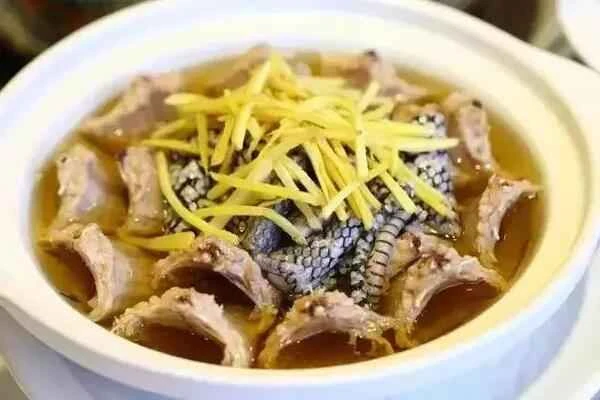
Snake soup (China): made by slow-cooking snake meat, medicinal herbs and spices, it is considered a good warming food in winter.
Fried rattlesnake (USA): Coated in batter and deep-fried, its taste is described as similar to chicken.
Snake curry (India): A spicy and delicious dish made by cooking snake meat with traditional Indian spices.
Modern innovative dishes
Chefs around the world are incorporating snake meat into innovative dishes, such as snake tortillas and grilled snake skewers, giving this traditional ingredient a new lease on life.
Moral and legal considerations
Hunting and Farming
Overhunting to meet the demand for snake meat has raised concerns about ecological balance. In recent years, snake farming has emerged as a sustainable option to meet market demand while reducing pressure on wild snake populations.
Laws and regulations
In many countries, eating snake meat is legal, but certain endangered snake species are protected by law. Travelers should pay special attention to the relevant regulations of their destination when consuming snake meat.
Risks and precautions
Health risks
Parasites and toxins : If not handled properly, parasites or residual toxins may be ingested.
Allergic reactions : Some people may be allergic to snake protein.
Preparation Guide
To minimize risk:
Cook thoroughly : Ensure potential parasites are killed.
Legitimate sourcing : Purchase snake meat from reliable suppliers.
Sustainable Development and Snake Farming
Snake farming offers a more sustainable source of snake meat. In farms, snakes breed in controlled environments, which not only meets culinary needs but also reduces the likelihood of snake disease transmission.
Global Controversy: Should Humans Eat Snakes?
The practice of eating snake meat has sparked extensive discussions about ethics, environmental impact, and cultural respect. Some view it as a sustainable dietary habit, while others are concerned about its effects on animal welfare and ecosystems. Ultimately, the choice to eat snake meat depends on individual cultural background and ethical values.
A unique culinary adventure
Snake meat is a unique delicacy that blends cultural heritage, nutritional value, and exotic flavors. From snake soup in Asia to fried rattlesnake in the United States, tasting snake meat is both an exploration of the diversity of human diets and a demonstration of the utilization of natural resources. However, when enjoying this exotic delicacy, it is essential to pay attention to safety, sustainability, and legal regulations.
For adventurous food lovers, snake meat offers an opportunity to explore new flavors, but it's always important to pay attention to the source of the ingredients and the preparation methods to ensure food safety.
Snakes that are not recommended for consumption
Below is a table listing which snakes are unsuitable for consumption, and why they should not be eaten:
| Snake species | Reasons why it is not suitable for consumption | Additional Notes |
|---|---|---|
| Venomous snakes (such as king cobras and inland taipans) | Improper handling or preparation may lead to the risk of venom contamination. | Although cooking can neutralize the venom, improper handling can lead to accidental poisoning. |
| Sea snakes (such as the ringed sea snake) | The risk is high due to the concentrated venom in the body or the consumption of venomous prey. | Some coastal areas have a tradition of eating sea snakes, but safety is highly dependent on local experience. |
| Endangered species (such as the Indian rock python) | It is a species protected by law, and hunting or consumption is prohibited in order to protect its population. | Consuming these species could result in legal penalties and damage to biodiversity. |
| Large pythons (such as anacondas) | There is a risk of parasitic infection, and due to their large size, they are difficult to handle and cook. | Their meat may also contain high concentrations of heavy metals, which may originate from their living environment. |
| Snakes in polluted areas | Heavy metals, pesticides, or other environmental toxins may accumulate in the body. | This includes snakes that live in cities or polluted wetlands. |
| Some arboreal snakes (such as the green tree python) | It is rarely consumed due to its small meat content and the risk of parasites. | These snakes are usually kept as pets rather than as food. |
| Introduced or non-native snakes (such as boas not native to the region). | Whether these snakes are safe to eat or whether they are protected by local laws is often unknown. | Consuming it may pose a risk of zoonotic diseases. |
Important Notes:
Parasites and toxins : Many snakes may carry parasites or accumulate toxins due to their diet and environment.
Legal restrictions : Some snakes are protected by wildlife protection laws and are not allowed to be hunted or eaten.
Ethical issues : In many cultures, eating snakes is controversial or considered taboo.
Tip : Consult local regulations and professionals before consuming any snakes to ensure safety and legality.