Melatonin is a natural hormone commonly used to regulate sleep in humans, but what about for our furry friends? Can dogs take melatonin? This article will explore the benefits, risks, and correct usage of melatonin for dogs, while answering frequently asked questions to ensure your pet's health and safety.
What is melatonin? What is its effect on dogs?
Melatonin is a hormone secreted by the pineal gland that helps regulate the circadian rhythm (sleep-wake cycle). In dogs, melatonin can have a similar effect, and therefore it is often used as an adjunct treatment for certain problems.
Benefits of melatonin for dogs
Relieving anxiety : Melatonin can help relieve separation anxiety, fear of noise (such as thunderstorms or fireworks), etc.
Promotes sleep : For older dogs with disordered sleep patterns, melatonin can help improve sleep quality.
Treatment for alopecia : Seasonal hair loss in some dog breeds can be alleviated and hair growth promoted with melatonin.
Postoperative recovery : It can help dogs that are nervous after surgery relax more quickly.
Is melatonin safe for dogs?
Overall, melatonin is safe for dogs when used correctly. However, the following points should still be noted:
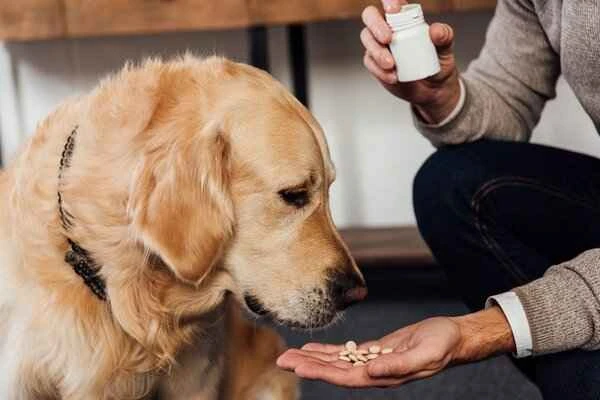
Consult a veterinarian : Always consult a veterinarian before giving melatonin to your dog to ensure the dosage is appropriate and suitable for your pet.
Avoid artificial additives : Some human melatonin may contain xylitol, which is toxic to dogs. Prioritize products specifically designed for pets.
Individual differences : Some dogs may experience mild side effects such as gastrointestinal upset or lethargy.
How much melatonin can a dog take?
Dosage Guidelines
Small dogs (under 10 lbs) : 1 mg
Medium-sized dogs (10–25 lbs) : 1.5–3 mg
Large dogs (over 25 pounds) : 3–6 mg
Frequency of administration : Usually taken 1 to 2 times a day, but may need to be adjusted according to veterinary advice.
Precautions
Do not use excessive amounts, otherwise it may cause problems such as vomiting, diarrhea or increased heart rate.
Use a dosing chart to ensure accuracy and strictly follow the product instructions.
Specific uses of melatonin
1. Relieve anxiety
For dogs experiencing separation anxiety or noise phobia, melatonin is an effective solution. It can lower cortisol levels, thus having a calming effect.
2. Improve sleep in older dogs
Older dogs often experience sleep-wake cycle disorders, and melatonin can help them regain a regular sleep schedule and improve their quality of life.
3. Treatment of hair loss
For breeds like Boxers or Bulldogs that are prone to seasonal shedding, melatonin can promote hair growth and improve coat condition.
4. Relieve travel or stress
Long journeys can make dogs anxious. Melatonin can help alleviate this anxiety, making them more comfortable during the trip.
Side effects of melatonin in dogs
Although melatonin is generally well tolerated, some side effects may occur:
Drowsiness
Indigestion (such as vomiting, diarrhea)
In rare cases, heart rate increases
Behavioral changes, such as slight confusion
If your dog experiences any adverse reactions, stop using the product immediately and consult a veterinarian.
melatonin alternatives
If melatonin is not suitable for your dog, you can consider the following alternatives:
CBD oil : Known for its calming and anxiety-relieving effects.
L-Theanine : A natural supplement that promotes relaxation.
Prescription medication : In severe cases, a veterinarian may recommend specific anti-anxiety medications.
Frequently Asked Questions: Can dogs take melatonin?
1. Can dogs be poisoned by an overdose of melatonin?
Yes, taking too much melatonin can cause serious symptoms such as drowsiness, tremors, or high blood pressure. It is essential to strictly adhere to the recommended dosage.
2. Is melatonin suitable for relieving fear of fireworks?
Absolutely. Melatonin is very effective in relieving dogs' fear of noise (such as fireworks, thunder).
3. Can puppies take melatonin?
Always consult a veterinarian before giving melatonin to a puppy, as a puppy's developmental system may react differently to it.
What are the differences between melatonin for dogs and melatonin for humans?
While melatonin works for both dogs and humans, it is recommended to use products specifically designed for dogs. Human melatonin may contain additives that are harmful to dogs, such as xylitol.
Best practices for using melatonin
Always choose veterinary-certified melatonin products specifically formulated for pets.
Avoid giving melatonin to pregnant or lactating dogs unless you have a veterinarian's permission.
Store melatonin out of reach of pets to prevent accidental ingestion.
Melatonin is a safe and effective supplement that can alleviate anxiety, improve sleep, and treat hair loss in dogs. However, it is essential to consult a veterinarian before use to ensure correct dosage and administration. With proper preventative measures, melatonin can significantly improve a dog's quality of life and address some common health issues.
By following this guide, you can make informed health decisions for your pets, allowing them to live a more comfortable and healthy life.