When discussing "Sphynx cats with Down syndrome ," understanding the realities of feline genetic diseases is crucial, especially for breeds like the Sphynx, which often attract attention due to their distinctive appearance and health issues. This article will explore whether cats can have Down syndrome, the genetic and health factors that influence Sphynx cats, and broader knowledge about feline genetic abnormalities.
Can cats have Down syndrome?
Whether animals can develop Down syndrome has been a highly controversial topic. Down syndrome is caused by an abnormality (trisomy) on human chromosome 21. However, cats cannot develop this specific syndrome because their chromosome structure is completely different from that of humans.
Nevertheless, some cats may exhibit symptoms similar to Down syndrome, such as:
Unique facial features (such as a wide nose or wide-set eyes)
Poor muscle tone
Developmental delays are usually caused by rare genetic diseases or birth defects, rather than Down syndrome as commonly known.
Unique characteristics of the Sphynx cat
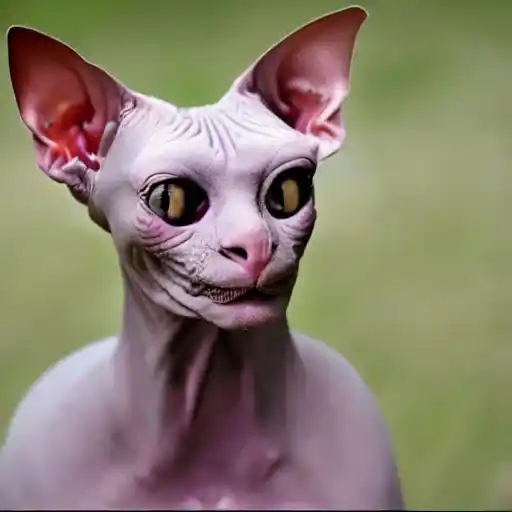
The Sphynx cat , often called the "hairless cat," is a breed known for its hairless appearance, wrinkled skin, large ears, and expressive eyes. While their distinctive appearance can sometimes lead to misunderstandings, these characteristics are unrelated to Down syndrome.
Physical characteristics of a Sphynx cat
Hairless and wrinkled skin
Muscular build
prominent cheekbones
Wide-set eyes
These characteristics are normal for this breed and are unrelated to any genetic disease.
personality and temperament
Sphynx cats are gentle, friendly, lively, and sociable, often described as exhibiting "dog-like" behavior. They crave attention, have close bonds with their owners, and make ideal family pets.
Common health problems in Sphynx cats
Although Sphynx cats do not suffer from Down syndrome, they are prone to some health problems due to their genetics and hairless nature.
Sphynx cat health issues
Hypertrophic cardiomyopathy (HCM): A common heart disease in this species.
Skin problems: Their lack of hair makes them prone to sunburn, and they need to be cleaned regularly to avoid oil buildup.
Respiratory infections: Because they lack nasal hairs, they are more susceptible to respiratory illnesses.
Sensitive to cold: Their hairless nature makes them susceptible to temperature changes.
Caring for a Sphynx cat requires regular bathing, maintaining a warm environment, and regular veterinary checkups to monitor for potential health problems.
genetic mutations in cats
Cats, including the Sphynx cat, may exhibit rare diseases or unusual characteristics due to genetic mutations , such as:
Polydactyly (extra toes)
dwarfism
craniofacial abnormalities
Although these conditions may resemble some features of Down syndrome, they are caused by completely different genetic factors.
Cats with Disabilities: Misunderstandings and Reality
Misconceptions about cats exhibiting symptoms of Down syndrome often stem from observing cats with disabilities. These cats may be misdiagnosed due to neurological disorders or facial deformities. However, these characteristics are usually caused by trauma, infection, or congenital defects, rather than a genetic syndrome like Down syndrome.
How to care for a cat with a disability
Whether a cat has a genetic disease or a physical disability, proper care is essential. Here are some suggestions for caring for a disabled cat :
Provide a safe and convenient environment for activities.
Monitor your cat for signs of pain or discomfort.
Have regular veterinary checkups.
Provide more care and psychological stimulation.
Is the Sphynx cat a hypoallergenic cat breed?
Many people ask, "Are Sphynx cats hypoallergenic?" While there are no completely hypoallergenic cat breeds, Sphynx cats are a popular choice for allergy sufferers due to their low dandruff production. However, their hairless nature means they require more grooming.
Other low-allergenic cat breeds include:
Bali Cat
Bengal cat
Russian Blue Cat
Debunking misconceptions about Sphynx cats and disability
Due to their distinctive appearance, Sphynx cats are often misunderstood. Here are some key facts to clarify:
They will not have Down syndrome.
Their unique characteristics are the standard features of this variety.
If bred responsibly, Sphynx cats are generally in good health.
Feline genetic abnormalities and research
Feline genetic abnormalities are a hot research area. Scientists are dedicated to better understanding genetic diseases in cats to help breeders and pet owners improve the care of these animals.
While the concept of "Sphynx cats with Down syndrome" is misunderstood, this discussion highlights the importance of understanding feline health and genetics. Sphynx cats remain a beloved breed due to their charming appearance and temperament. By dispelling misconceptions and focusing on scientific information, we can better appreciate the uniqueness of these animals and give them the love and care they deserve.