The ocean covers more than 70% of the Earth's surface and is full of mystery and unsolved enigmas. Among the countless marine species, some animals have become the focus of scientific research due to their unique behaviors, important roles in the ecosystem, or biological characteristics. This article will introduce you to ten of the most studied marine animals and why they are so important.
1. Dolphins: Intelligent Communicators in the Ocean
Dolphins are among the most studied marine animals due to their remarkable intelligence and social behavior. These marine mammals communicate through complex clicking sounds, whistles, and body movements.
Why is dolphin research so important?
Echolocation: Dolphins use echolocation to navigate and hunt, a system that inspired sonar technology.
Social structure: Dolphins form complex social groups, demonstrating empathy, problem-solving abilities, and even teamwork.
Conservation significance: Many dolphin species face threats from fishing nets and habitat loss.
Scientific discoveries brought about by research
Dolphin cognitive studies have revealed their advanced communication methods and ability to mimic human actions.
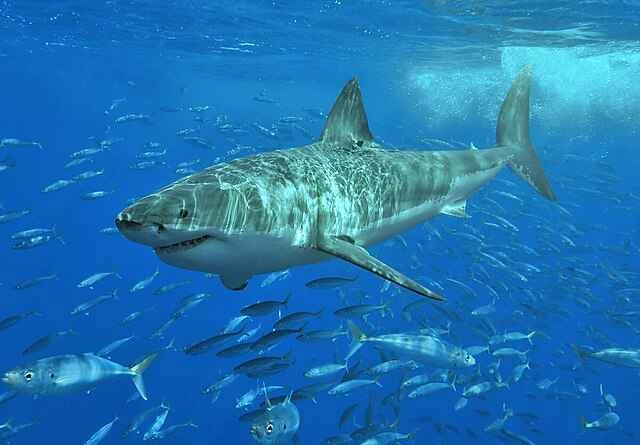
2. Great White Shark: The Ocean's Top Predator
Great white sharks are another group of marine animals that have been studied extensively. As apex predators, they maintain the balance of marine ecosystems by controlling prey populations.
Research Focus
Migration patterns: Scientists track sharks to study their long-distance migration behavior.
Behavioral research: studying their hunting strategies and interactions with other species.
Health research: Shark cartilage is being used in medical research, including potential applications in cancer treatment.
Interesting facts
A single drop of blood from a great white shark can be detected in an Olympic-sized swimming pool!
3. Sea Turtle: Navigator of Time
Sea turtles are living fossils of the ocean, and their importance to marine and coastal ecosystems makes them a focus of conservation and scientific research.
The unique features of sea turtles
Ecosystem role: Sea turtles maintain the health of seagrass beds and coral reefs.
Amazing migrations: they can travel thousands of miles to lay their eggs.
Endangered status: Most sea turtle species are threatened, making conservation efforts crucial.
4. Octopus: Master of Disguise
Octopuses are among the most studied marine animals due to their high intelligence and adaptability. Their camouflage and problem-solving abilities have aroused great interest among scientists.
Research Focus
Camouflage ability: Octopuses can quickly change color and texture to blend into their environment.
Neuroscience: Despite their dispersed nervous systems, octopuses exhibit incredible learning and memory abilities.
Reproductive behavior: Octopus mothers will sacrifice themselves to protect their offspring, which is a rare behavior in the animal kingdom.
5. Whale: The Giant of the Deep Sea
Whales, especially humpback whales and blue whales, have become a hot topic of research due to their enormous size and unique songs.
Main areas of whale research
Communication methods: Whale songs can travel across the ocean and are believed to play an important role in courtship and navigation.
Ecosystem impact: Whales promote nutrient cycling in the marine environment through "whale falls".
Conservation significance: Whaling and marine noise pollution pose a serious threat to the survival of whales.
6. Jellyfish: Simple yet captivating
Although jellyfish are relatively simple organisms, they are among the most studied marine animals due to their biological and ecological significance.
Key areas of jellyfish research
"Immortality" ability: Some jellyfish species (such as the immortal jellyfish) can revert to their larval stage, challenging our understanding of aging.
Ecosystem role: Jellyfish outbreaks often indicate changes in marine ecosystems caused by overfishing or climate change.
Venom Applications: Jellyfish venom is being researched for medical applications, such as pain relief and anti-inflammatory treatments.
7. Penguins: Swimming seabirds
Although penguins are birds, they spend most of their time in marine environments. Their adaptability to harsh environments and unique behaviors make them a focus of research.
Key areas of research on penguins
Climate change indicators: Penguin breeding and foraging patterns reflect environmental changes.
Physiological adaptations: Their ability to survive in extremely cold conditions and during prolonged fasting has sparked scientific interest.
8. Coral reefs: the cornerstone of the ecosystem
Corals are living marine animals that form the backbone of underwater ecosystems. They are vital for biodiversity and habitat conservation.
Why study corals?
Coral bleaching: Scientists are studying the impact of rising ocean temperatures on coral survival.
Symbiotic relationships: Their symbiotic relationships with algae are a key focus of research.
Coral restoration: Techniques for repairing damaged coral reefs are becoming increasingly important.
9. Stingray: The Elegant Glider
The manta ray, with its elegant swimming posture and migratory behavior, has become the focus of research.
Research Highlights
Filter feeding behavior: They influence marine ecosystems by regulating plankton populations.
Migration and Behavior: Scientists study their migration patterns and social interactions.
10. Seahorse: Small in size but of great significance
Seahorses are among the most studied marine animals due to their unique reproductive strategy (males becoming pregnant and giving birth).
Challenges of hippocampal research
Habitat loss and overfishing due to traditional medicine needs threaten the survival of seahorse populations.
Table: Overview of the Top Ten Most Studyed Marine Animals
| marine animals | Research Focus | importance |
|---|---|---|
| dolphin | Communication, intelligence, echolocation | Sonar technology inspiration, conservation and ecological importance |
| Great White Shark | Migration and hunting | Ecological balance, medical research |
| sea turtle | Migration and habitat protection | Coastal and marine ecosystem health |
| octopus | Disguise, problem-solving, reproductive behavior | Cognitive science, bionics |
| whale | Exchange, migration, nutrient cycle | Ecological impact and conservation significance |
| jellyfish | Aging and ecological change indicators | Medical research, climate monitoring |
| penguin | Climate change indicators | Antarctic ecosystem monitoring |
| Coral reef | Whitening and restoration techniques | Maintaining biodiversity and protecting habitats |
| stingray | Foraging behavior, migration | Ecological balance and conservation significance |
| Haima | Reproduction strategy | Habitat protection and overfishing issues |
Summary: The Ten Most Studyed Marine Animals and Their Importance
Scientists' research on these marine animals not only helps us understand the behavior and ecological roles of marine life, but also promotes technological development, medical breakthroughs, and environmental protection. The common goal of this research is to protect marine biodiversity and maintain global ecological balance.