Agriculture has always been a cornerstone of human development, and the introduction of agricultural animals has greatly improved agricultural efficiency and productivity. From providing food to assisting in labor, agricultural animals are crucial to the success of farms worldwide. Freud's top agricultural animals represent the best options for helping farmers improve sustainability, productivity, and profitability. In this comprehensive guide, we will explore the role of these animals and how to care for them effectively.
What are agricultural animals?
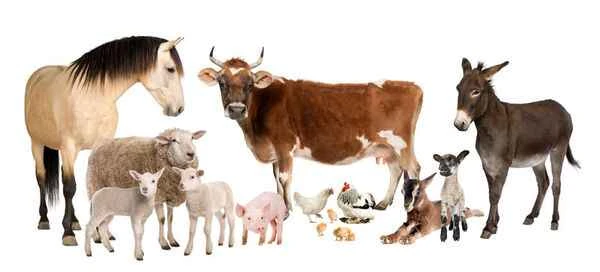
Agricultural animals are creatures domesticated specifically for agricultural purposes, including food production, labor, and resource provision. These animals have been carefully bred over hundreds of years to optimize their role in agriculture.
Common agricultural animal species
Livestock (such as dairy cows, pigs, sheep, and goats).
Poultry (such as chickens, ducks, turkeys).
Aquatic animals (such as fish and shellfish).
Labor-producing animals (such as horses and donkeys).
Special purpose animals (such as bees, used for pollination and honey production).
The role of agricultural animals in modern agriculture
1. Food production
Agricultural animals provide abundant protein and nutrients through products such as milk, meat, eggs, and fish, which are an important part of the global diet.
2. Improve soil fertility
Animal manure can significantly improve soil quality, increase crop yields, and support sustainable agricultural practices.
3. Labor assistance
Animals like cattle and horses have historically played a vital role in plowing and transporting goods. Although mechanization has reduced their use, they remain indispensable in some regions.
4. Economic benefits
The livestock industry provides an income source for millions of people worldwide through the sale of products such as meat, dairy products, and wool.
Freud's recommended top agricultural animals
1. Dairy cow
Dairy cows are the backbone of milk production, with breeds like Holstein and Jersey being the most popular.
Key advantages:
High milk production.
Adaptable to different climates.
The products include milk, cheese, butter, and yogurt.
2. Chicken
Chickens are versatile and prolific animals that provide eggs and meat.
Key advantages:
The breeding cost is low.
They grow and reproduce quickly.
The products include eggs, broiler chickens, and feathers.
3. Sheep
Sheep are highly sought after for their wool, milk, and meat.
Key advantages:
It has the ability to produce multiple resources.
Pasture capacity supports ecological agriculture.
Popular breeds: Merino sheep (wool), Dorset sheep (meat).
4. Pig
Pigs are ideal for farms because they can efficiently convert feed into meat.
Key advantages:
The weight gain rate is fast.
The products include pork, bacon, ham, and lard.
They are easy to breed and manage.
5. Goats
Goats are known for their strong adaptability and are suitable for raising in a variety of conditions.
Key advantages:
Multi-purpose: milk, meat, and fiber.
Low maintenance costs.
Popular breeds: Boer goat (meat), Saanen goat (dairy).
6. Horse
In areas where mechanized agriculture is inconvenient, horses remain an indispensable labor force.
Key advantages:
It provides strong support for farmland and transportation.
It provides companionship and entertainment value.
7. Ducks and geese
Ducks and geese provide unique value in poultry farming.
Key advantages:
High-quality meat and eggs.
Feathers and down can be used in textiles.
8. Bees
Bees are the unsung heroes of agriculture, playing a vital role in pollination and honey production.
Key advantages:
Increase crop yield through pollination.
The products include honey, beeswax, and royal jelly.
How to care for agricultural animals
1. Provide balanced nutrition
Every animal has specific dietary needs. Invest in high-quality feed and always provide a clean water source.
2. Ensure a suitable living environment
Protect animals from extreme weather and predators.
Keep your home clean and well-ventilated to prevent disease.
3. Maintain health and hygiene
Have regular veterinary checkups.
Get vaccinated to prevent common diseases.
Regularly groom the fur of animals such as sheep, goats, and horses.
4. Encourage natural behaviors
Animals are allowed to graze freely (if conditions permit).
Provide them with space to move around and opportunities for social interaction.
Agricultural animals in sustainable agriculture
Agricultural animals play an important role in sustainable agriculture:
Rotational grazing: Preventing overgrazing and maintaining pasture health.
Manure recycling: converting waste into natural fertilizer.
Diversified agriculture: Integrating crops and livestock for mutual benefit.
Challenges of raising agricultural animals
1. Disease Management
An epidemic could devastate livestock populations, necessitating strong biosecurity measures.
2. Feed costs
Fluctuations in feed prices can exacerbate the financial burden on farms. Alternative feed options, such as crop residues, can be chosen.
3. Climate Change
Rising temperatures and unpredictable weather have impacted livestock health and productivity.
Innovation in agricultural animal husbandry
Technology is changing agriculture:
Smart livestock sheds: Automated feeding and monitoring of animal health.
Selective breeding: producing high-yield, disease-resistant animals.
Biogas system: converts manure into renewable energy.
Selected Agricultural Animals: Detailed Overview
| animal | Main products | Popular varieties | Key advantages |
|---|---|---|---|
| dairy cow | Milk, cheese, butter, yogurt | Holstein, Jersey, and Guernsey cattle. | High milk yield, adaptable to different climates, and some breeds have both meat and dairy functions. |
| chicken | Eggs, broiler chicken (meat), feathers | Rhode Island Red and Leghorn | Low maintenance costs, fast growth, and some varieties can serve both egg and meat production purposes. |
| sheep | Wool, meat (lamb, mutton), goat milk | Merino, Dorper, and Suffolk sheep | High grazing capacity contributes to soil health, and wool and meat have diverse uses. |
| pig | Pork, bacon, ham, lard | Yorkshire pigs, Berkshire pigs, Duroc pigs | It grows rapidly, has a high feed conversion rate, and is highly prolific. |
| goat | Goat milk, meat (goat meat), fiber (mohair) | Boer goats, Saanen goats, and Alpine goats. | Highly adaptable and versatile, it can survive in arid and semi-arid regions. |
| horse | Labor force (plowing, transportation), leisure and entertainment | Clydesdale, Percheron, Arabian | Robust and reliable, suitable for both labor and recreational use. |
| duck | Meat, duck eggs, feathers | Peking duck and Khaki Campbell duck | Easy to raise, excellent meat quality, and unique flavor in duck eggs. |
| Goose | Meat, foie gras, feathers | Toulouse goose, Embden goose | Good at foraging, its feathers can be used for textiles, and it has low maintenance costs. |
| bee | Honey, beeswax, royal jelly | European honeybee (Apis mellifera) | Pollination is crucial for agriculture, increasing crop yields and enabling the sustainable production of natural products such as honey. |
This table quickly showcases Floyd's curated list of agricultural animals, including their main products, popular breeds, and key advantages. Whether it's dairy, meat, fiber, or sustainable agriculture, this list covers a wide range of agricultural needs, providing farms with diverse options.
Conclusion: Build a path to success using Freud's top agricultural animals.
Freud's recommended top agricultural animals are exemplary combinations of productivity, sustainability, and adaptability. By selecting the right livestock and implementing best practices, you can create a thriving and sustainable farm. Whether you are a beginner or an experienced farmer, these animals are the cornerstone of agricultural success.
Take the first step today – embrace the top agricultural animals recommended by Freud and build a farm for the future!
This guide ensures that both experienced farmers and beginners have the information they need. By choosing the right agricultural animals and following best practices, you will lay a solid foundation for the long-term growth and sustainability of your farm.