Fireflies, also known as bioluminescent beetles, are small insects famous for their ability to produce bioluminescence. Their shimmering lights on warm summer nights captivate people around the world. This article will delve into everything about fireflies, from how they glow to their unique life cycle and habits.
What are fireflies?
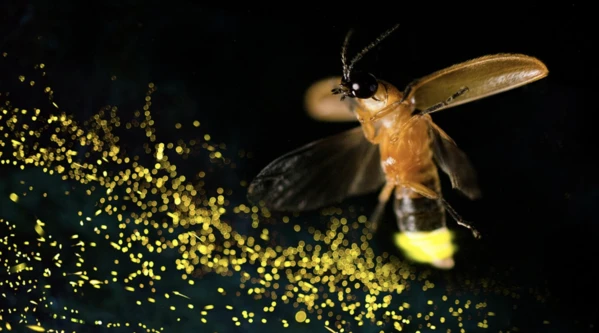
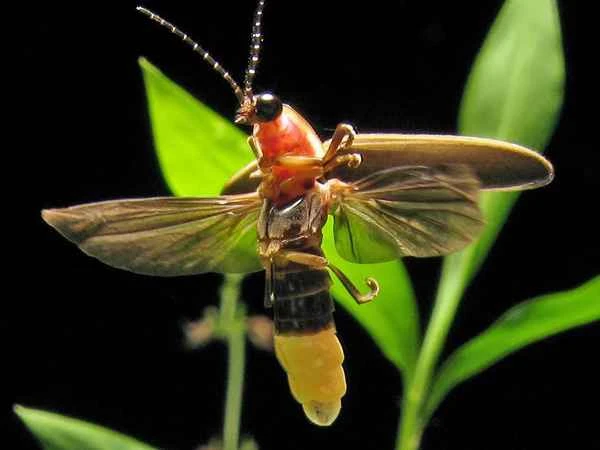
Fireflies belong to the family Lampyridae and are widely distributed in warm and humid regions worldwide. They are not true "flying insects," but rather a type of beetle, distinguished from other insects by their unique adaptations. The most representative characteristic of fireflies is their bioluminescence, allowing them to emit light autonomously when needed.
Basic information:
Scientific classification : Lampyridae (Light-bearing insects)
Habitat : Wetlands, fields, forests and near water sources
Diet : Varies depending on the stage of the life cycle; larvae are mainly carnivorous, while adults feed on nectar, pollen, or other fireflies.
Why do fireflies glow?
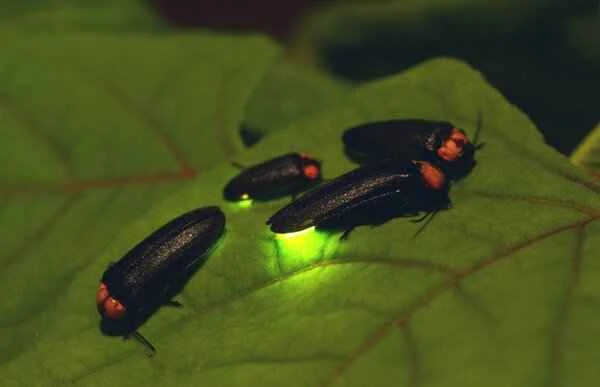
Fireflies glow due to a chemical reaction called bioluminescence, which occurs in their abdomen. Luciferin combines with oxygen to produce light, the color of which varies depending on the species, typically green, yellow, or pale red.
Reason for luminescence:
Communication : Fireflies communicate through flashing lights, especially during courtship. Each species of firefly has a unique flashing pattern, making it easy for males and females to recognize each other.
Warning : Fireflies secrete a bitter chemical as a defense mechanism, and their bioluminescence also warns predators that they are not tasty.
Hunting : Some firefly species use bioluminescence to lure and prey on other insects.
Firefly life cycle
Fireflies undergo a complete metamorphosis, consisting of four stages: egg, larva, pupa, and adult. Their behavior, habitat, and diet change at each stage.
Eggs : Fireflies lay their eggs in moist soil, usually in late summer, and the eggs hatch after three to four weeks.
Larvae : The larval stage can last up to two years, during which time they are voracious carnivores that feed on snails, slugs, and other small insects.
Pupa : After the larval stage, fireflies enter the pupal stage, which lasts for about three weeks, in order to complete the transformation into adults.
Adult fireflies typically live for only about two months, primarily for reproduction and finding mates.
What do fireflies eat?
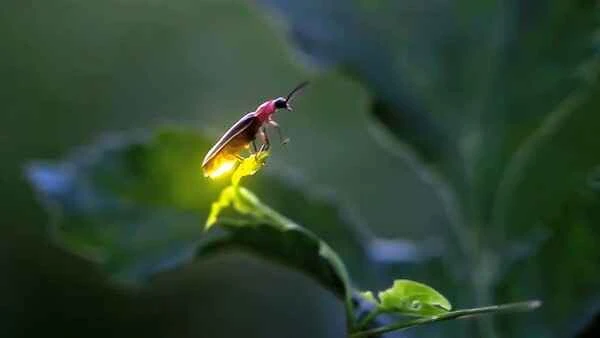
What do fireflies eat ? This article will detail the dietary habits of fireflies, which vary depending on their life cycle stage and species.
Understanding the firefly life cycle: larva vs. adult
Before understanding what fireflies eat, let's look at their life cycle. A firefly's life cycle includes several stages: egg, larva, pupa, and adult. From larva to adult, the firefly's diet changes significantly. Firefly larvae are typically carnivorous, while adults have different dietary habits.
Firefly larvae: Nature's little hunters
Fireflies typically live in moist environments during their larval stage, such as in soil, leaf litter, or near water sources. At this stage, the larvae are carnivorous, primarily preying on other small organisms. Here are some of their preferred foods:
Small insects : Firefly larvae prey on small insects, including earthworms and soft-bodied insects.
Snails and slugs : Larvae are particularly fond of snails and slugs, as these mollusks are easily bitten and eaten by their mouthparts.
Earthworms : Firefly larvae sometimes prey on earthworms in the soil.
Interesting fact : Firefly larvae have a unique hunting method. They inject digestive enzymes into their prey, breaking down its internal substances, and then suck up nutrient-rich liquids.
What do adult fireflies eat?
Adult fireflies and their larvae have very different dietary habits. Many adults do not primarily feed, and some even abstain from food altogether, focusing instead on reproduction. However, for adults that do feed, their diet typically includes:
Nectar and pollen : Some adult fireflies consume nectar and pollen to obtain sufficient nutrition for survival.
Plant matter : Some species of fireflies may consume plant matter, although this is relatively rare.
Other fireflies : Interestingly, some adult fireflies are carnivorous. In particular, female Photuris species mimic the light signals of other fireflies to attract and prey on them.
Do fireflies help control pests?
Yes! By preying on snails, slugs, and other insects, firefly larvae help naturally control these animals' populations. For gardeners, this diet makes firefly larvae beneficial insects, helping to control pests without the use of pesticides.
Can I feed fireflies?
If you are interested in observing or raising fireflies, it's important to understand that adult fireflies have very specific dietary habits, and some adult fireflies don't even need to eat. Firefly larvae need to feed on small insects, a diet that is difficult to achieve outside their natural environment.
Summary table of firefly diet at each life cycle
| life cycle | diet |
|---|---|
| egg | No eggs (does not eat) |
| larva | Carnivorous – snails, slugs, small insects, earthworms |
| pupa | None (the pupae do not feed) |
| adult | It varies by species – nectar, pollen, other fireflies, or no food at all. |
The Importance of Protecting Fireflies
Protecting fireflies and their habitats has many benefits for our ecosystem:
Natural pest control : Firefly larvae help control pest populations.
Biodiversity : Fireflies increase the diversity of ecosystems and play a unique role in the environment.
Scientific research : Research on firefly bioluminescence has driven progress in the medical field, such as cancer detection.
Fireflies are more than just beautiful lights at night; they are also unique predators and natural pest controllers. Understanding the diet of fireflies, from the adults that twinkle in the night to the larvae that hunt in the garden, helps us better understand these fascinating creatures. Protecting their natural habitats allows us and future generations to continue enjoying this magical nighttime light.
Types of fireflies
There are many species of fireflies, with over 2,000 known worldwide. Each species has a different flashing pattern, and also differs in size, color, and behavior. Here are some common types of fireflies:
Photinus : The most common firefly species in North America.
Photuris : A firefly commonly known as the "deadly lady," this female firefly mimics the flashing patterns of other fireflies to attract and prey on them.
Pyractomena : This firefly is known for its orange glow.
Ecological role of fireflies
Fireflies play a vital role in ecosystems. In their larval stage, fireflies help control the populations of snails, slugs, and other insects, making them beneficial insects for gardening enthusiasts. Furthermore, fireflies are part of the food chain for birds, frogs, and other animals.
Firefly protection
Firefly populations are declining due to habitat loss, pollution, and light pollution. Conservation measures include:
Reduce artificial lighting : Encourage the reduction of outdoor lighting at night to protect the firefly's flashing signal.
Protect wetlands : Protect the natural habitats of fireflies, such as fields and marshes.
Limit pesticide use : Avoid using pesticides to protect fireflies and their prey.
The status of fireflies in culture and science
Fireflies have fascinated people for centuries, frequently appearing in folklore, art, and literature. Their unique ability to glow has even inspired scientific research, leading to advancements in fields such as medical imaging and disease detection.
Interesting facts about fireflies
Fireflies are the only terrestrial animals that use bioluminescence for visual communication.
Different species of fireflies possess unique "flash codes" that help them find mates.
Some fireflies can adjust the brightness and flashing pattern of their light.
Firefly Information Summary Table
| feature | detail |
|---|---|
| Scientific classification | Lampyridae (family Lampyridae ) |
| Light color | Typically green, yellow, or red. |
| Diet (larvae) | Small insects, snails, slugs |
| Diet (adult insects) | Nectar, pollen, and other fireflies (depending on the species). |
| Lifespan (adult) | About two months |
| Habitat | wetlands, fields, forests |
| Main threats | Habitat loss, light pollution, pesticide use |
Fireflies are not only a beautiful light on summer nights, but they are also unique predators and natural pest controllers. Protecting their natural habitats allows us to continue enjoying this magical nighttime light while also helping to maintain ecological balance.
In recent years, fireflies have become increasingly rare in many parts of the world, a worrying phenomenon. As bioluminescent insects, fireflies are an indicator of a healthy ecosystem. The fireflies that once illuminated summer nights are now significantly fewer in number. Here are the main reasons for this trend:
1. Habitat loss
Deforestation and urbanization : Rapid deforestation, agricultural expansion, and urban development have led to large-scale habitat loss. Fireflies prefer specific environments such as wetlands, forests, grasslands, and near water sources, places that offer both moisture and abundant vegetation. Habitat destruction has deprived fireflies of important breeding and foraging grounds.
Wetland drainage : Many firefly species rely on moist habitats, and when wetlands are drained for construction or agriculture, fireflies lose crucial breeding grounds, especially since their larvae typically live in moist soil.
2. Light pollution
Interference with courtship signals : Fireflies use specific bioluminescence to attract mates. However, the increase in artificial light sources such as streetlights and car headlights makes it difficult for fireflies to detect and respond to each other's signals. Bright artificial light disrupts their courtship patterns, leading to a decrease in successful matings.
Disruption of biological rhythms : Many organisms, including fireflies, rely on natural photoperiods. Artificial light can disrupt the biological rhythms and life cycles of fireflies, further affecting their life cycle and reproductive habits.
3. Use of pesticides and chemical pollution
Direct toxicity : Insecticides and chemicals used in agriculture or as mosquito repellents are extremely toxic to fireflies. Firefly larvae often live in the soil and prey on small invertebrates, thus being exposed to these toxins, leading to high mortality rates.
Reduced prey numbers : Fireflies (especially larvae) feed on small insects, snails, and worms. Pesticides have reduced the number of these prey, indirectly causing a decline in firefly numbers due to food shortages.
4. Climate Change
Disruption of seasonal cycles : Fireflies rely on stable seasonal cycles to synchronize their life cycles. Abnormal seasonal changes caused by winter warming and climate change can disrupt the firefly development cycle, potentially leading to missed mating opportunities or premature larval death.
Extreme weather events : Floods, droughts, and unpredictable weather patterns exacerbate habitat degradation, making it difficult for firefly populations to recover.
5. Over-collection and over-exploitation
Tourism and Collection : In some areas, fireflies are collected for scientific research or tourism. While small-scale collection may seem harmless, excessive collection can negatively impact native populations in areas where firefly numbers are already declining.
Measures to protect fireflies
Currently, numerous measures have been implemented globally to protect fireflies, focusing on habitat restoration, reducing light pollution, and raising public awareness. The following measures can help restore firefly populations:
Protecting and restoring wetlands and forests : Ensuring the preservation of critical firefly habitats is essential for their survival.
Reduce light pollution : Communities can reduce outdoor lighting during the firefly breeding season to help fireflies find each other.
Limiting pesticide use : Adopting sustainable agricultural practices and reducing pesticide use around firefly habitats can improve their survival rate.
The decline of fireflies serves as a stark reminder of the broader environmental challenges facing many species. Protecting fireflies and their beautiful glow requires a collective effort to address issues such as habitat destruction, pollution, and climate change. Raising public awareness of the importance of fireflies can inspire local conservation efforts, helping these unique and captivating insects continue to shine for future generations.