Before we delve into these ugly animals, let’s consider what makes them visually unappealing.
unusual features
These animals often have exaggerated physical features—such as oversized eyes, strange body shapes, or wrinkled skin—features that may seem odd to us.
Cultural bias
Human perception of beauty typically excludes animals that do not conform to traditional aesthetic standards. Animals with unusual features, such as large noses or unusual textures, are often considered "ugly."
misunderstanding
We may label some animals as ugly, but they may actually be very well adapted to their environment. In many cases, these animals play a vital role in the ecosystem, and their appearance is often highly consistent with their ecological functions.
25 Ugly Animals
1. Blobfish (jelly fish)

The blobfish, also known as the jellyfish, is often called "the ugliest animal in the world." It lives in the deep sea and endures immense water pressure. Its loose, jelly-like shape is due to the lack of a rigid skeleton, an adaptation to the high-pressure environment of the deep sea.
2. Naked Mole Rat
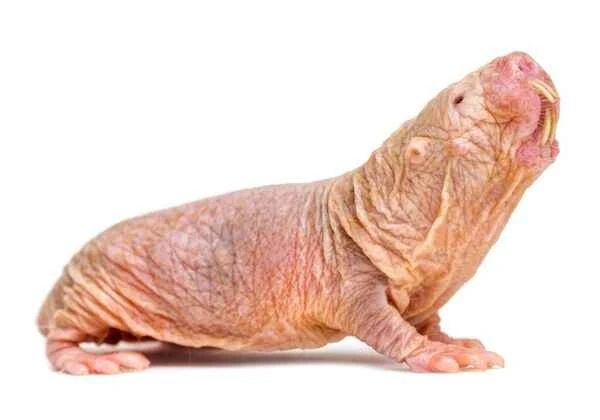
This hairless rodent, with its oversized teeth and wrinkled skin, may not be visually appealing, but it is an interesting example of evolution. Naked mole-rats live in underground colonies with a unique social structure, and their cancer resistance makes them extremely valuable for biological research.
3. Aye-Aye
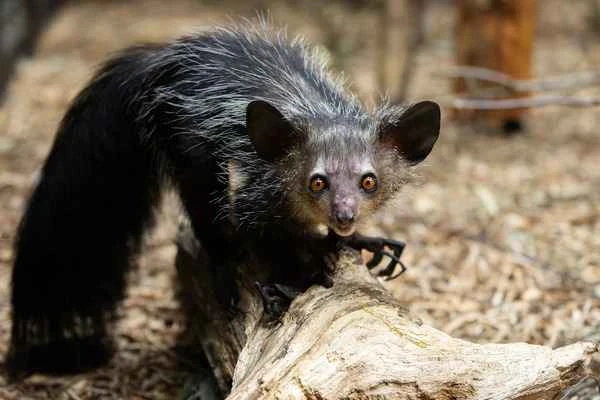
The aye is a nocturnal animal from Madagascar with long, bony fingers that it uses specifically to feed on insects by cutting through tree bark. Its large, bright eyes and extremely long fingers make it look like a character from a horror movie, but it plays a vital role in controlling insect populations in its habitat.
4. Star-Nosed Mole
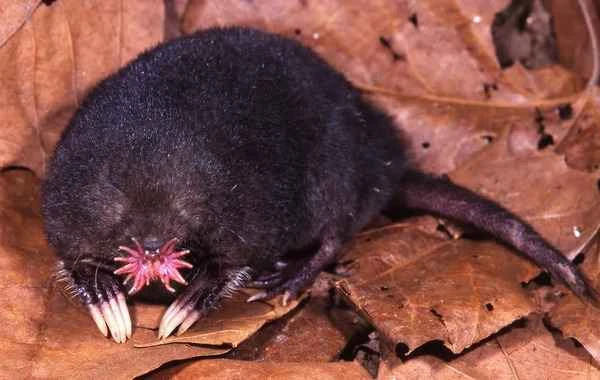
The star-nosed mole has a peculiar star-shaped nose, the tip of which is composed of 22 whiskers that help it quickly sense food. Despite its somewhat strange appearance, it is an efficient hunter, capable of finding and capturing prey in less than a second.
5. Mexican walking fish (Axolotl)
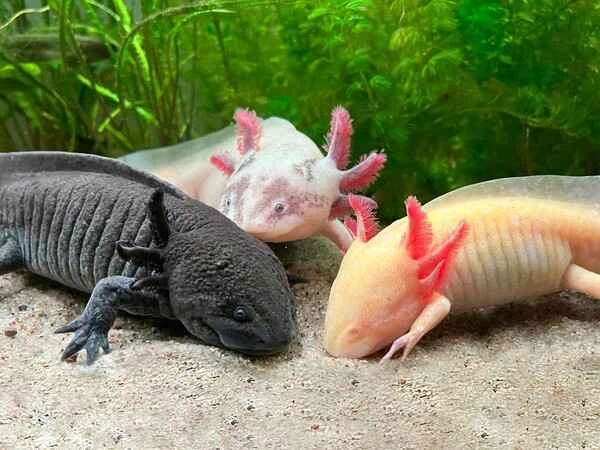
The Mexican walking fish is a juvenile sand lizard that retains its external gills and smiling expression throughout its life. Although its appearance may not conform to beauty standards, the Mexican walking fish has become an important subject of scientific research due to its remarkable regenerative abilities, such as regenerating lost limbs, spinal cord tissue, and even parts of the heart and brain.
6. Warthog

Warthogs, native to sub-Saharan Africa, are considered ugly animals due to their warty faces, sharp teeth, and thick, rough skin. However, these features are actually evolutionary adaptations they have made to survive in their environment; the warts on their faces are believed to protect them from harm in fights with other warthogs.
7. Proboscis Monkey
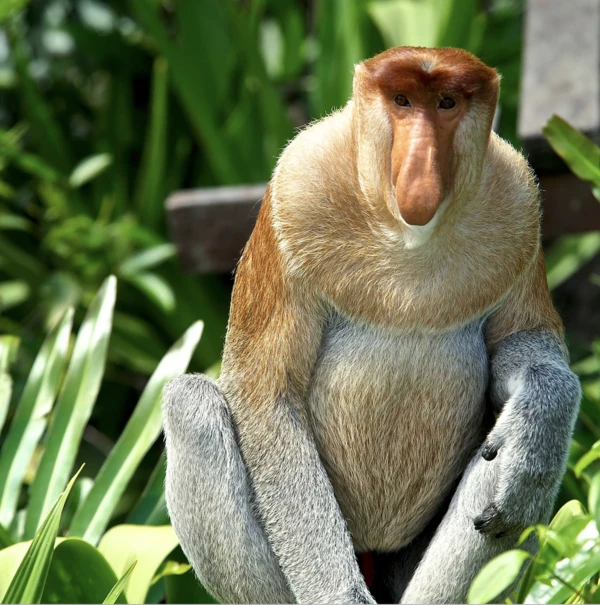
The proboscis monkey, with its large, round nose and round belly, has a comical appearance and mainly lives in Borneo. Despite its somewhat unpleasant appearance, the proboscis monkey is an excellent swimmer and spends much of its time in the water. Its distinctive nose is believed to enhance vocal resonance and help attract mates.
8. Frilled Shark
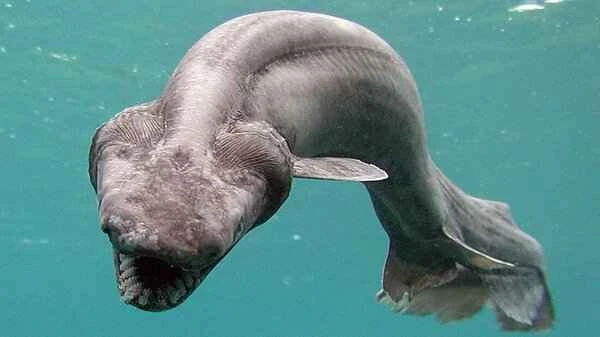
The folding fin shark, often called a "living fossil," has a slender, eel-like body and a mouth full of needle-like teeth. This deep-sea predator's appearance is more reminiscent of ancient creatures than modern fish. It typically lives in the deep sea, preying on small fish and squid.
9. Shoebill Stork
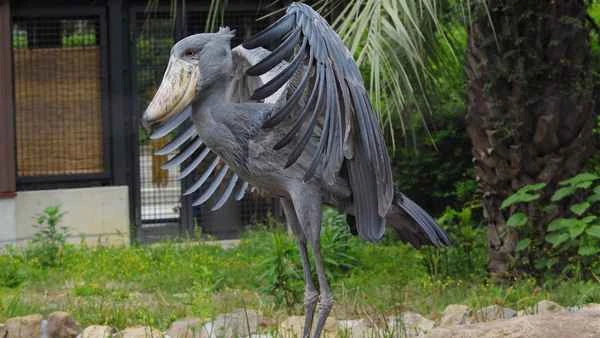
With its enormous, shoe-shaped beak and sharp eyes, the shoe-toed stork is often considered a character from science fiction. Living in the swamps of east-central Africa, this large animal is a highly skilled hunter, preying on fish, amphibians, and even small crocodiles.
10. Chinese Crested Dog
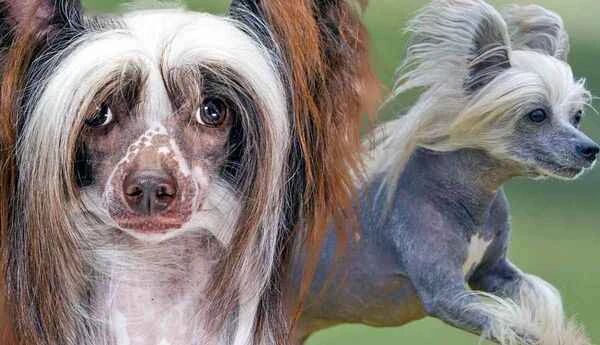
This almost hairless dog, with some hair on its head, tail, and paws, is often considered one of the ugliest dog breeds in the world. However, it is also a very affectionate and lively pet. Although its skin requires special care, it has a surprisingly gentle temperament.
11. Goblin Shark
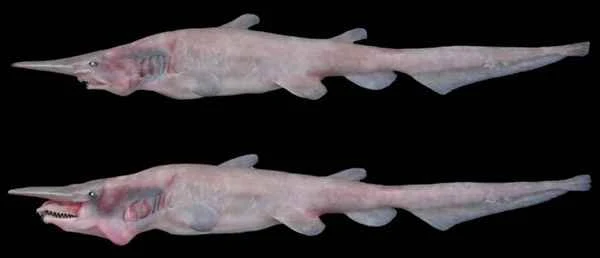
The devil shark, often called a "living fossil" due to its unique appearance, has a mouth that can extend to quickly capture prey. Its flat, long, and prominent snout, along with its mouth full of sharp teeth, gives it an almost alien look. Living in the deep sea, it typically inhabits areas close to the seabed and is a mysterious and fearsome predator.
12. California Condor
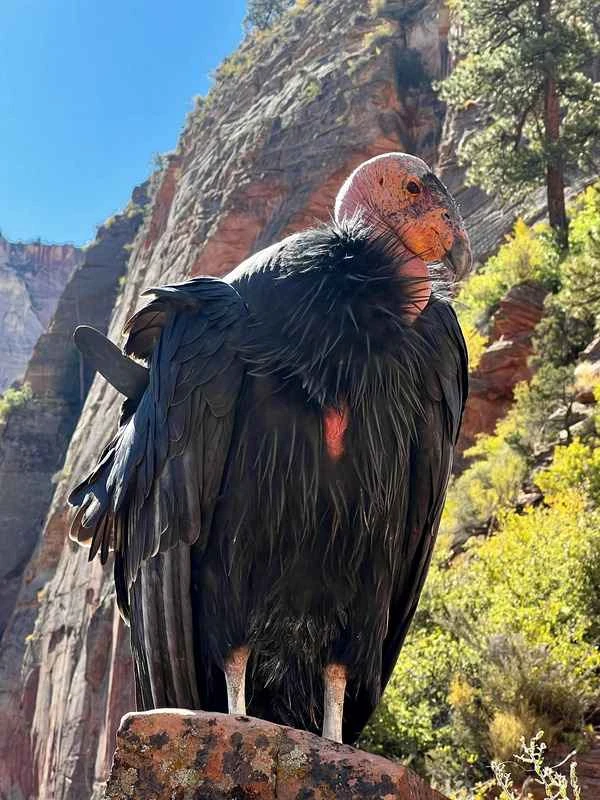
The California condor, with its bald head and imposing black wings, gives off a menacing aura. Once endangered, it is now primarily found in the western United States. Despite its unappealing appearance, the California condor, as a scavenger, plays a vital role in the ecosystem, cleaning up animal carcasses and helping to maintain a clean natural environment.
13. Marabou Stork
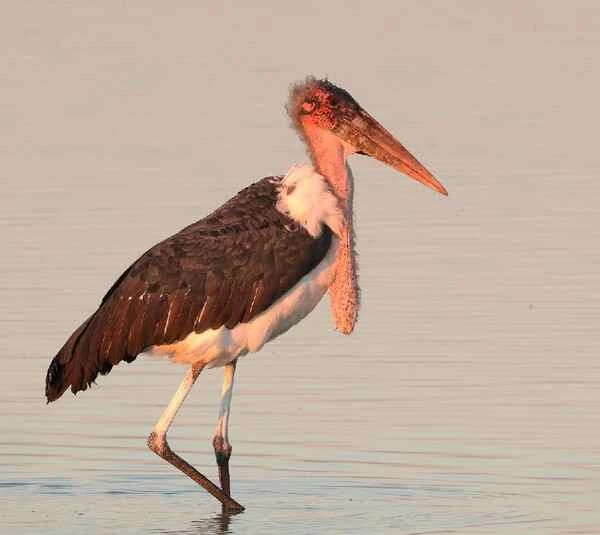
The Marabou Stork, native to sub-Saharan Africa, is known as the "funeral bird" because of its ruffled feathers and bald head. Despite its somewhat frightening appearance, the Marabou Stork is an expert scavenger, effectively cleaning up carcasses and acting as a natural cleaner. It adapts well to both urban and rural environments.
14. Monkfish
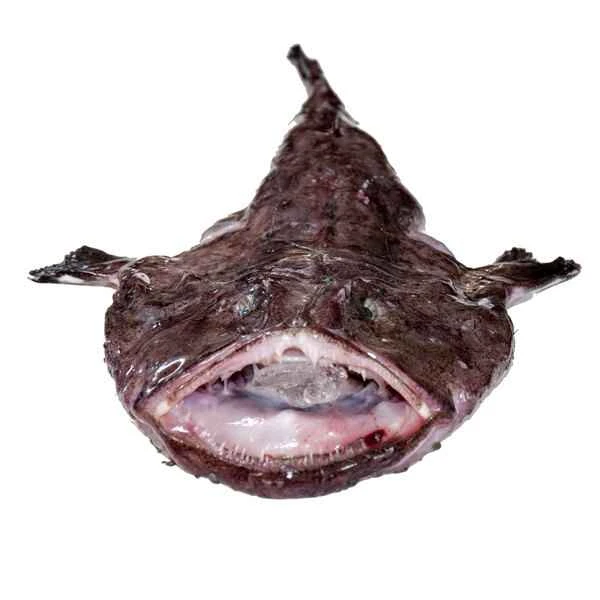
The monkfish is a deep-sea fish with a large, ugly mouth filled with sharp teeth. It uses a lure on its head to attract prey. Despite its unpleasant appearance, the monkfish has very delicate flesh and is often used to make delicious seafood dishes.
15. Sea Pig
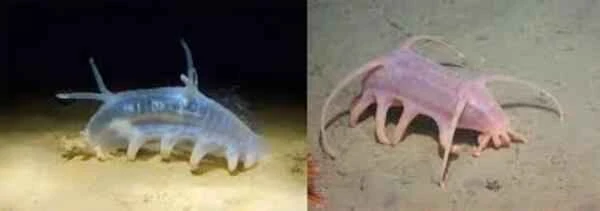
Sea hogs are deep-sea animals, relatives of sea cucumbers, and resemble small, translucent, plump slugs. They live in the deep ocean and feed mainly on organic matter on the seabed, helping to clean up marine debris. Despite their somewhat unusual appearance, sea hogs play an important cleaning role in the marine ecosystem.
16. Horseshoe Bat
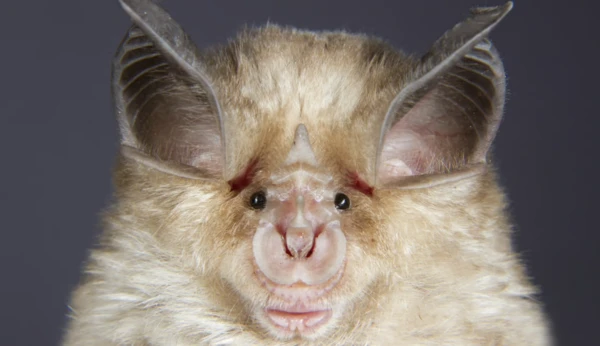
Horseshoe bats are known for their distinctive horseshoe-shaped noses and are found in parts of Asia and Europe. They use this nose for echolocation to hunt insects at night. Despite their somewhat peculiar facial structure, this unique adaptation helps them become excellent hunters at night.
17. Titicaca Water Frog
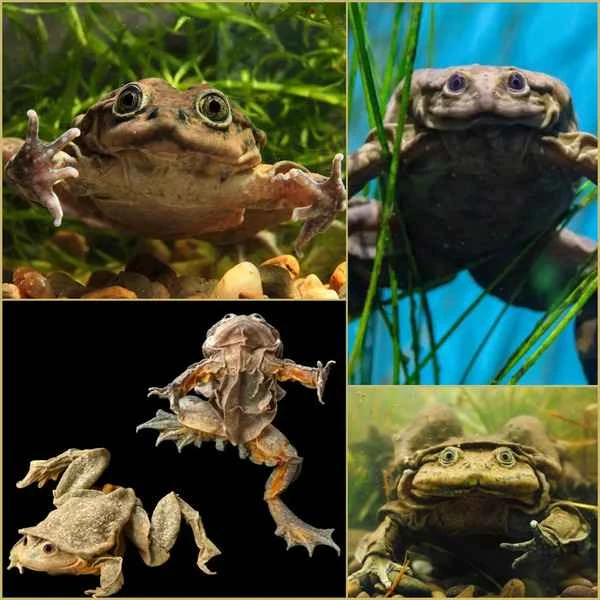
The Titicaca water frog lives in Lake Titicaca, on the border of Peru and Bolivia. It has somewhat wrinkled skin and spends almost all its time underwater. Its extra skin helps it absorb more oxygen from the water, which is crucial for its survival in the oxygen-deficient environment.
18. Barreleye Fish
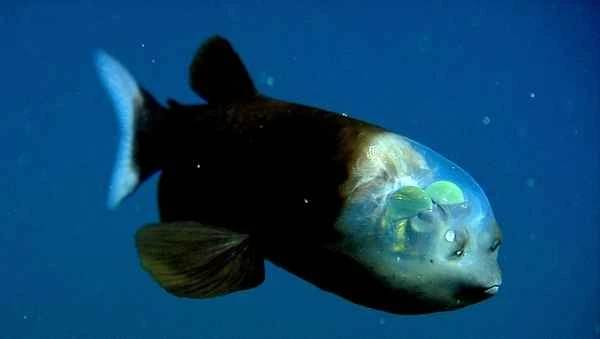
The transparent-headed fish has a transparent head, which allows us to see its eyes, which can rotate inside its skull. This unique adaptation enables it to hunt prey or evade predators in the darkness of the deep sea, helping it survive in a challenging environment.
19. Red-lipped Batfish
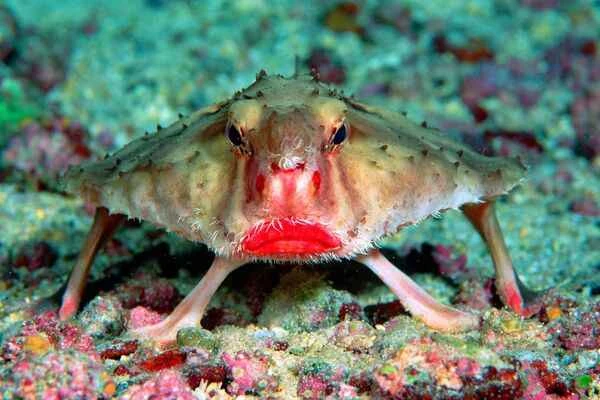
The red-lipped batfish is extremely unusual due to its bright red mouth and leg-like "limbs". It lives near the Galapagos Islands and can "walk" around on the seabed. Although its appearance is not appealing, it is very agile in its underwater environment.
20. Hyena
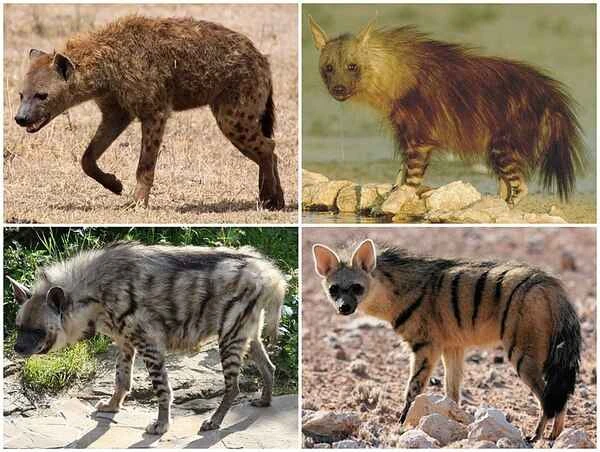
Hyenas often have a negative image due to their unusual laughter and scavenging behavior. They have arched backs, powerful jaws, and are highly adaptable. Despite their potentially unappealing appearance, hyenas play a vital role in the ecosystem, helping to control the populations of other animals and maintain ecological balance.
21. Komondor Dog
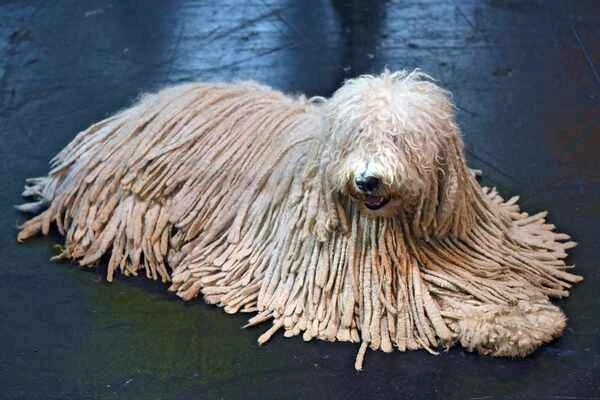
The Comondo dog is a Hungarian breed known for its long, mop-like, rope-like coat. Although it looks like a walking rug, the Comondo is actually a very loyal guard dog, originally bred to protect livestock.
22. Mata Mata Turtle
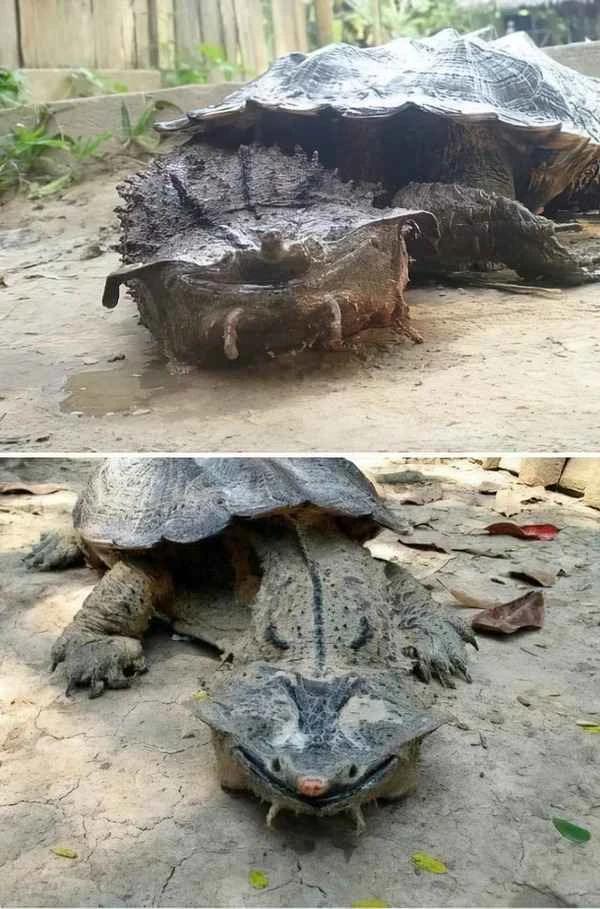
The Mata Mata tortoise lives in the Amazon and Orinoco River basins. Its head is flat and triangular, resembling tree bark. This camouflage helps it avoid predators and allows it to remain hidden while waiting for small fish or invertebrates, increasing its hunting success rate.
23. Tarsier
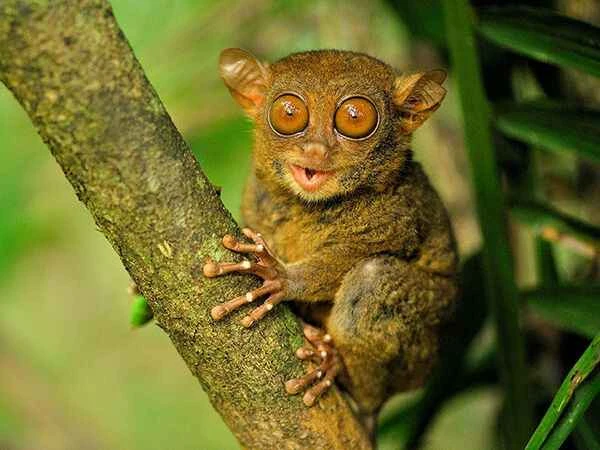
The tarsier is a small primate mainly found in Southeast Asia, possessing eyes larger than its brain. These enormous eyes provide exceptional night vision, making the tarsier a formidable nocturnal hunter. Its long fingers and agile movements give it a somewhat alien appearance, and despite its unusual appearance, it plays a vital role in controlling insect populations.
24. Lamprey
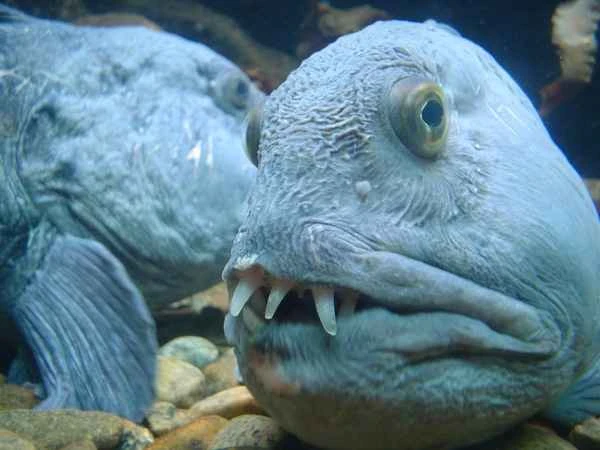
Lampreys are primitive jawless fish with slender, eel-like bodies and a round mouth lined with sharp teeth that allows them to attach to other fish. They typically attach themselves to other fish and feed on their blood. Although they appear to be parasites, they play an important role in evolutionary history.
25. Hagfish
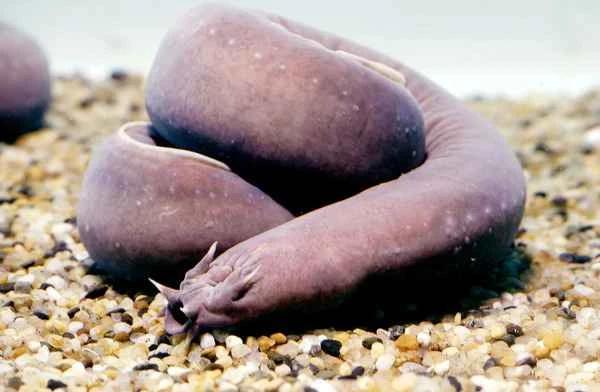
Sea monsters, also known as "slime eels," are deep-sea scavengers. Their bodies are soft and highly elastic, and they secrete large amounts of mucus as a defense mechanism. They lack jaws and have large, open mouths, typically feeding on dead or dying marine life. Despite their unsettling appearance, they play a significant role in cleaning up the seabed.
Why are ugly animals important?
Although these animals may not conform to traditional aesthetic standards, they play an indispensable role in their respective ecosystems. Whether scavengers clean up waste, predators maintain ecological balance, or unique species inspire scientific discoveries, "ugly" animals, like their more aesthetically pleasing relatives, are all important components of Earth's ecological network.
Common problems with ugly animals
Q: Are any of these ugly animals endangered?
A: Many animals considered ugly are actually threatened with extinction. For example, the tilapia and the jellyfish are endangered due to habitat destruction and climate change, while the California vulture requires extensive conservation efforts to avoid extinction.
Q: Why do some animals look so strange?
A: These unusual features are usually the result of evolutionary adaptation. Like the nose of the star-nosed mole or the proboscis monkey, these are unique adaptations that help them survive in specific environments.
Q: Are ugly animals disliked or disliked?
A: Unfortunately, many ugly animals do not receive enough conservation attention because they don't easily attract public interest like pandas or dolphins. However, a growing number of conservation campaigns aim to change this prejudice and call for greater attention to these misunderstood species.
Final Reflections on the "Ugly" Animals in Nature
Beauty is subjective; in the animal kingdom, form often serves function. Every creature, however strange or ugly its appearance, is a testament to evolutionary forces and the diversity of life. By understanding these often misunderstood animals, we can gain a deeper appreciation for their importance and the wonders of nature.