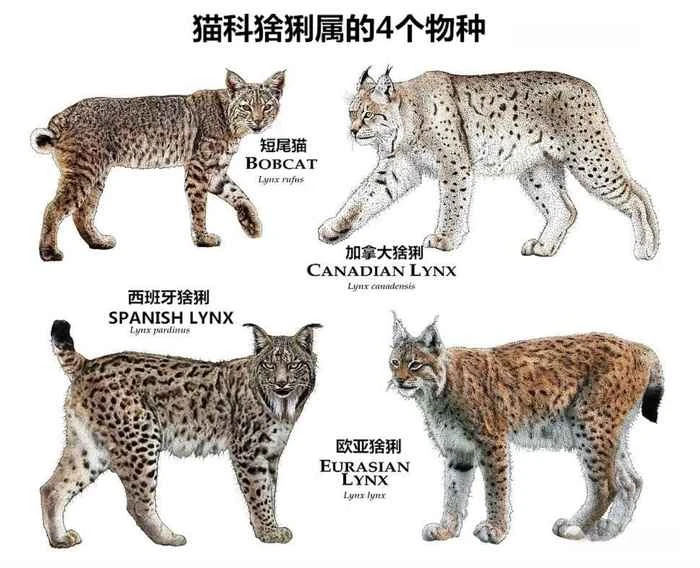
The genus *Lynx* is an important branch of the cat family, encompassing four extremely wild and powerful species. They are distributed across different parts of the world, adapted to diverse ecological environments. These lynxes are not only apex predators in nature but also vital components of the ecosystem. This article will provide a detailed introduction to the four lynx species, including their physical characteristics, habitats, hunting behaviors, and current conservation status, helping readers gain a comprehensive understanding of these mysterious and ferocious beasts.
1. Spanish Lynx (Lynx pardinus)
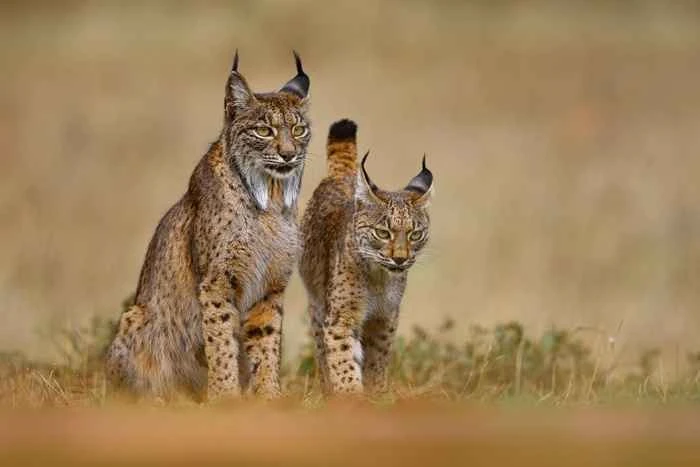
The Spanish lynx, also known as the Iberian lynx, is one of the most endangered species in the lynx genus. They are mainly distributed in the Iberian Peninsula of Spain and Portugal, inhabiting forests, grasslands, and scrublands. The Spanish lynx is of medium size, with adults measuring approximately 80 to 130 centimeters in length. It has a relatively short tail, and its fur is tan with black spots, black tufts of hair at the tips of its ears, and often white hair around its eyes.

Ecological Characteristics and Habits: The Spanish lynx primarily feeds on rabbits, especially hares, which are its main prey. They hunt by stealth, typically approaching their prey quietly from within vegetation and then swiftly attacking. Due to habitat destruction and declining rabbit populations, the Spanish lynx population has plummeted, leading to its classification as critically endangered. In recent years, the Spanish government and several international conservation organizations have implemented effective conservation measures, achieving some success in restoration.
Conservation Status: According to a report by the International Union for Conservation of Nature (IUCN), the Spanish lynx population recovered from approximately 100 in 2002 to approximately 400 in 2020. While the Spanish lynx's survival has improved through captive breeding and habitat protection, continued conservation efforts are still needed (IUCN, 2020).
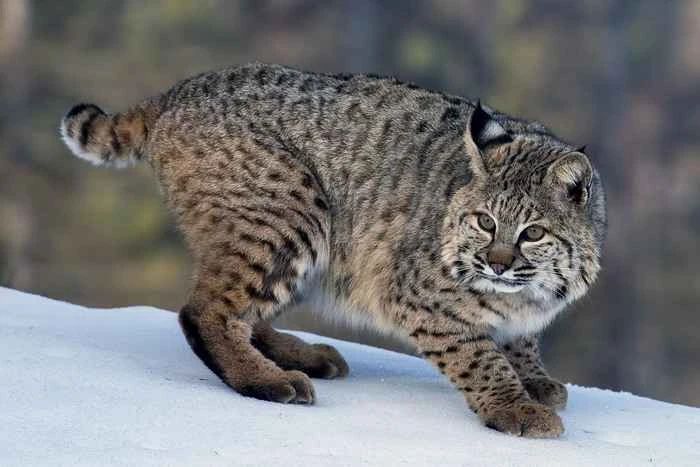
2. Bobtail cat (Lynx rufus)
The bobcat, widely distributed in North America, is one of the most common species in the lynx genus. Their range spans from southern Canada to most of the United States, and even extends into Mexico. Bobcats typically measure 65 to 105 centimeters in body length, with a tail approximately 15 to 25 centimeters long. They have prominent black tufts of hair at the tips of their ears, and their coat is usually yellow, gray, or light brown with spots or stripes.
Ecological Characteristics and Habits: Bobcats are highly adapted predators, capable of surviving in a variety of habitats, including forests, grasslands, deserts, and even suburban areas. They have a diverse diet, primarily preying on small mammals such as rabbits, squirrels, and rodents, and occasionally birds or reptiles. Bobcats are excellent climbers, perching in trees and able to traverse different environments rapidly. Bobcats play a vital predator role in the North American ecosystem, helping to control the populations of small animals.
Conservation Status: Bobtail populations remain stable in most areas, although they face some threats in certain regions due to habitat destruction and illegal hunting. Their adaptability makes them relatively common in North America.
3. Canada Lynx (Lynx canadensis)
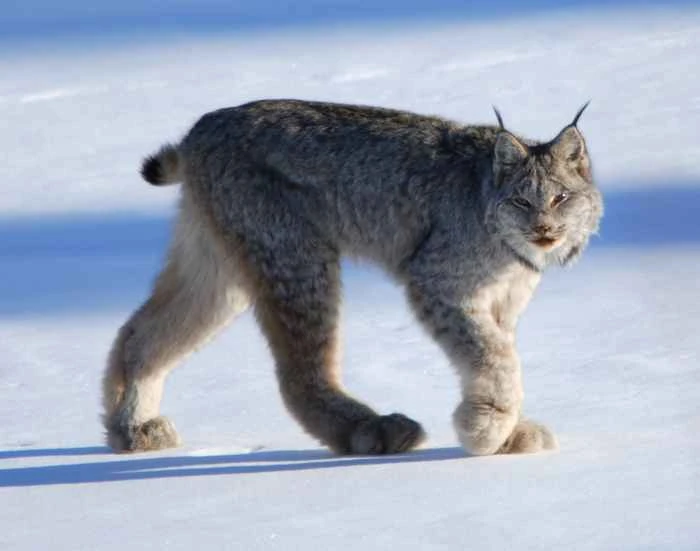
The Canadian lynx is a representative feline species of the cold regions of North America, mainly distributed in northern Canada and the United States, including Alaska. The Canadian lynx is relatively large, with adults measuring approximately 80 to 110 centimeters in length. It has a short tail, black tufts of hair at the tips of its ears, and dense fur, all adapted to its cold environment.
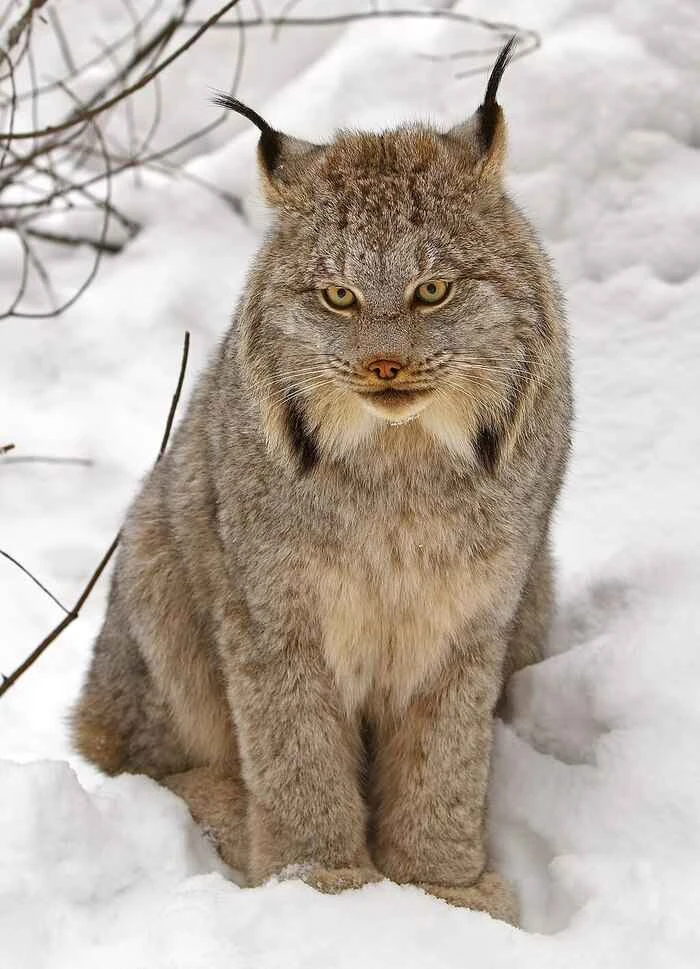
Ecological Characteristics and Habits: The primary prey of the Canada lynx is the snowshoe hare, and they possess exceptional hunting skills and stamina. Canada lynxes can traverse deep snow quickly, using their sharp claws and keen sense of smell to capture hares in snow-covered environments. Since snowshoe hares are their main food source, a decline in their population would negatively impact the survival of the Canada lynx.
Conservation Status: The Canadian lynx population remains relatively stable in North America, but its survival faces challenges due to climate change and habitat loss. The United States and Canada have taken steps to protect these animals' habitats and have strengthened habitat restoration efforts.
4. Eurasian Lynx (Lynx lynx)
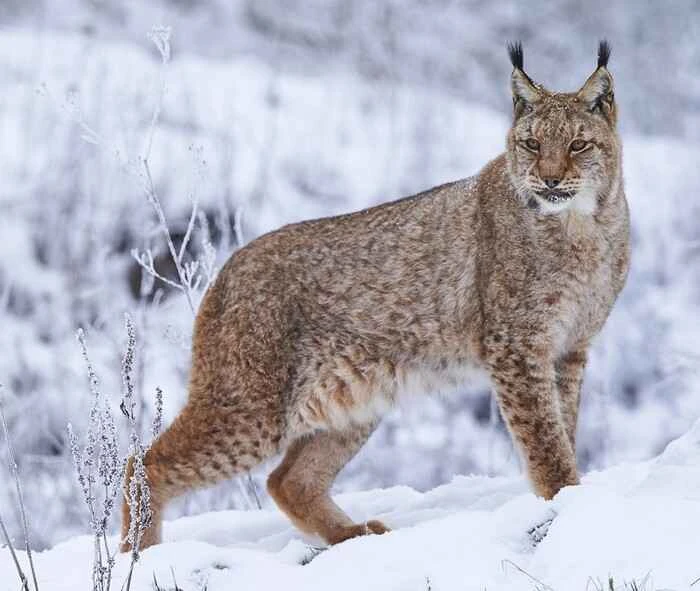
The Eurasian lynx is one of the largest and most widely distributed species in the lynx genus. They are found in vast forest regions of Europe, Asia, and Russia. They typically measure 80 to 130 centimeters in length, with a tail about 10 to 20 centimeters long. Their fur is gray or yellowish-brown, often with spots or stripes, and their ear tips have prominent tufts of black hair.
Ecological characteristics and habits: The Eurasian lynx is a top predator in the forest, primarily hunting large mammals such as deer and wild boar. Their hunting method typically involves ambush, silently approaching their prey and launching a swift attack. The Eurasian lynx's formidable hunting skills result in virtually no natural predators within its habitat. Their habitats are diverse, including coniferous forests, mixed forests, and montane forests.
Conservation Status: While the Eurasian lynx population is stable in Russia and Scandinavia, its numbers remain threatened in parts of Europe, primarily due to habitat destruction and illegal hunting. To protect this species, European countries have implemented stringent conservation measures and are assisting in population recovery through habitat restoration projects.
Conclusion: Ecological importance and conservation challenges of the lynx genus
The four lynx species play vital roles in their respective ecosystems. They are not only predators but also maintainers of ecological balance. With threats such as habitat loss, climate change, and illegal hunting, some lynx species face survival challenges. While significant progress has been made in conservation efforts worldwide, including habitat protection, artificial breeding, and species recovery, global cooperation is still needed to ensure the long-term survival of these predators.
References:
IUCN Red List of Threatened Species. (2020). Lynx pardinus (Iberian lynx). Retrieved from IUCN.org
Hemmer, H., & Barlow, A. (2019). Lynx canadensis and its role in the North American ecosystem. Wildlife Biology, 25(2), 122-130.
Sunde, P., & Landa, A. (2021). Lynx lynx in European forests: Status and conservation efforts. European Wildlife Journal, 44(1), 78-85.