Modern animal performances originated in the 18th century, pioneered by the Englishman Astray, who incorporated acrobats and clowns into equestrian performances, creating a unique performance style. By the 19th century, rare animals such as elephants and tigers were gradually introduced into equestrian, animal training, and acrobatic performances, and this novel combination quickly became popular worldwide.

So, do you know which animals are "stars" of acrobatic performances? We've compiled a list of the top ten most skilled performers, including elephants, tigers, monkeys, lions, dolphins, sea lions, and bears. Let's learn about these animal stars on stage!
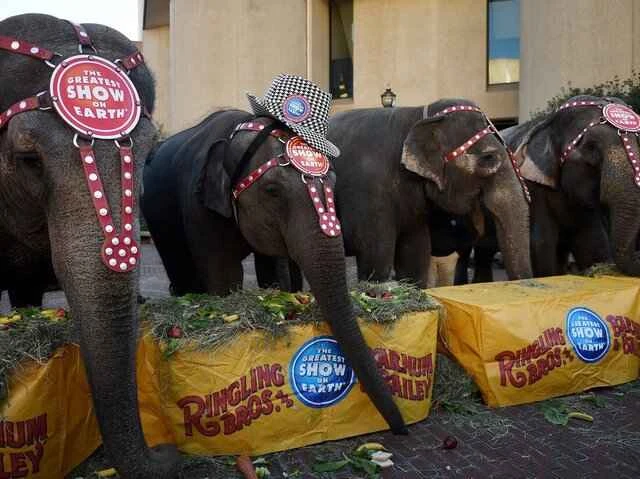
Actually, I have a negative view of animal performances. Although these performances may seem exciting and entertaining, there are many problems hidden behind them. Many animals may experience unnecessary pain and stress during training, and their natural instincts and freedom are often deprived. Animals should live in their natural habitats, not be forced to perform on stage to please an audience.
1. Elephant (bicycle/soccer/painting/handstand/tightrope walking)
In many cultures, elephants are seen as symbols of wisdom, renowned for their exceptional memory. Asian elephants are the most frequently used species in wildlife shows and performances, and are among the most common performing animals globally. It is estimated that there are approximately 25,000 captive Asian elephants worldwide.
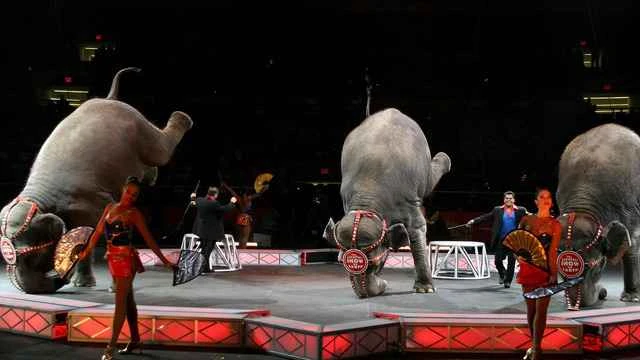
These elephants are widely used in various entertainment activities to attract audiences, including circus performances, camping trips, shows, street performances/begging, and even as a means of transportation. In some famous scenic spots in Xishuangbanna, Yunnan, my country, elephants have performed for tourists, including dancing, crossing log bridges, doing handstands, and playing football. In Thailand's tourism industry, elephant shows are a popular attraction, with acrobatic performances such as hula hooping, handstands, and tightrope walking drawing countless tourists to watch.
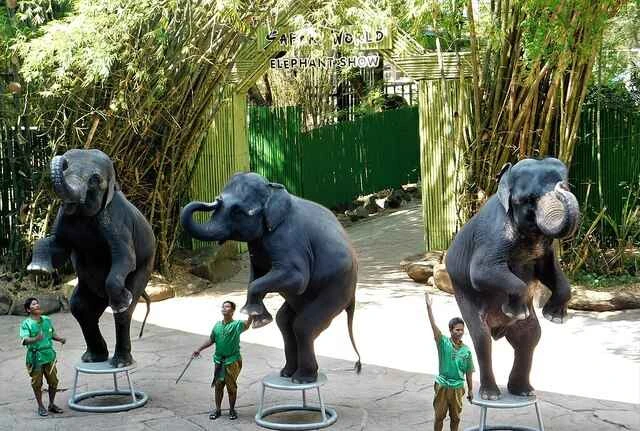
However, behind these amazing performances often lies a neglect of animal rights, which has sparked increasing discussions about animal protection.
2. Tiger (Head into tiger's mouth/Through fire hoop/Walk on wooden stake/Play with ball)
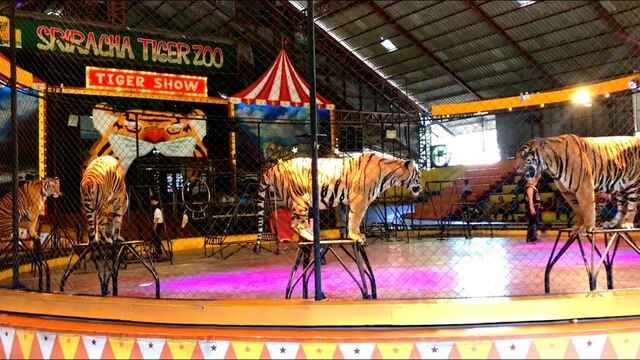
Tigers, revered as the king of beasts, have always been known for their majestic and awe-inspiring image. However, they were also once a common sight in acrobatic performances. Tragically, almost every tiger used in these shows suffered the fate of having its teeth pulled. Tigers in circus performances often had their teeth ground down, and some even had their canines removed. Trainers would often use pliers to cut off the canines of young tigers to facilitate taming and performance.
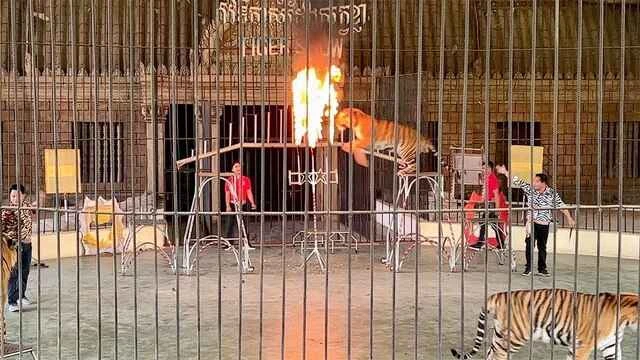
Classic acts like "jumping through a ring of fire," while widely known, have been phased out by most circuses due to the potential for severe physical harm to tigers. However, even so, incidents of tigers injuring people in circuses still occur from time to time. For such a apex predator, a life confined to the circus often leads to a heartbreaking end. Many tigers, after growing old or losing their commercial value, may be skinned or used to make tiger bone wine—essentially being devoured and rendered meaninglessly.
3. Monkey (doing somersaults/walking a tightrope/riding a bicycle/carrying a load)

Monkeys are undoubtedly among the most performative animals and are frequent stars in zoos and circuses. Monkey shows have a long history in China, dating back to the Tang Dynasty. Today, monkey shows remain a popular attraction in some zoos, theme parks, and circuses. Common acts include riding bicycles, jumping through fire hoops, walking on tightropes, somersaults, ballet, face-changing, walking on parallel beams, and comedic skits. Furthermore, the "Xinye Monkey Show," an intangible cultural heritage of Henan, is performed by monkey trainers like Wang Zhongxu, who focus on comedic antics and interaction between monkeys and humans, with martial arts performances being particularly famous.
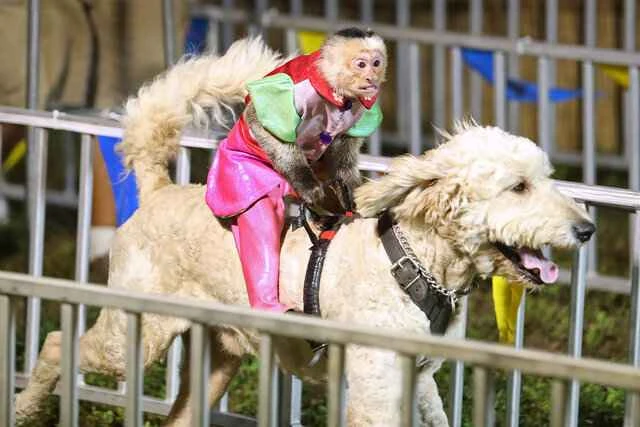
However, in the past, many performing monkeys in acrobatic troupes suffered from various health problems due to long-term mistreatment, including illness, incontinence, and self-harm. These diseases and suffering often accompanied them throughout their lives. Although monkey shows seem entertaining, the underlying problems cannot be ignored.
4. Lion (rolling/standing up/walking on wooden stakes/jumping through fire hoops/rolling on embroidered balls)
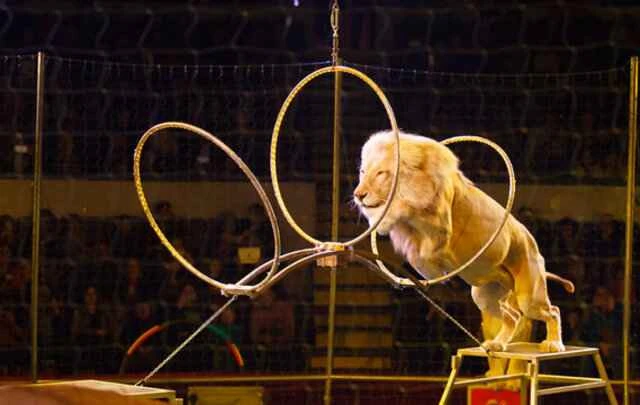
Similar to tigers, lions were once a common sight in acrobatic performances. As a large animal belonging to the genus Panthera in the family Felidae, the lion is known as the "King of the Forest" for its majesty and power. Since Roman times, lions have enjoyed a high reputation in Europe, often being exported to zoos for exhibition or trained for circus performances. However, incidents of lions suddenly becoming aggressive and attacking people or escaping during circus performances are not uncommon.
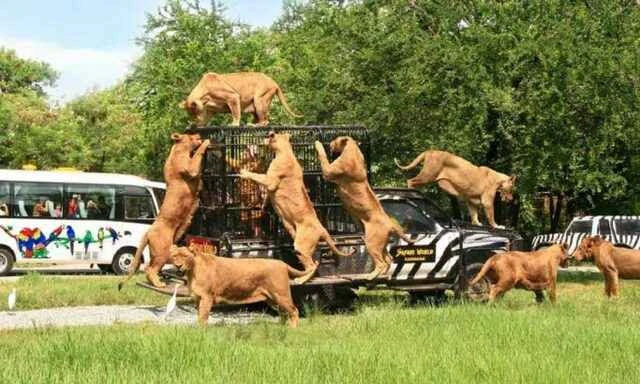
In the past, lions were often forced to participate in intensive training to perform various complex acts. Today, these performances have gradually been replaced, with most activities shifting to closer interactions with humans, such as taking photos and going for walks – gentler forms of interaction. Nevertheless, how to ensure both entertainment value and animal welfare remains a question worth considering.
5. Dolphins (balancing a ball/standing upside down/rolling over/jumping through a hoop)
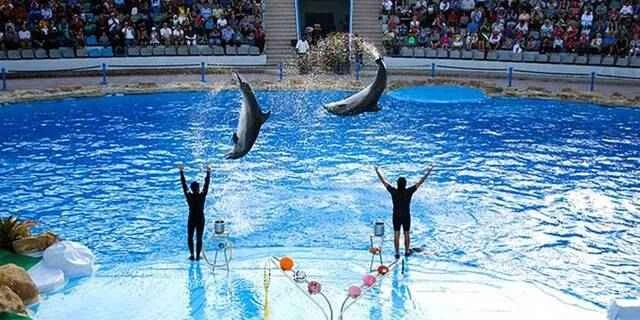
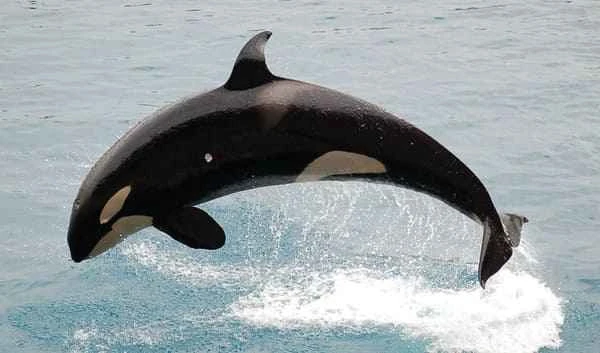
Among marine performing animals, dolphins are undoubtedly one of the most common stars. Dolphins are extremely intelligent animals and are strictly protected in many countries. They have a close relationship with humans and are known as "lifeguards of the sea," often stepping forward to help people in distress during emergencies. Besides rescuing people, dolphins are also gifted performers, capable of performing many amazing acts, such as jumping through hoops, playing basketball, interacting with people, and making various amusing sounds and actions that often bring laughter to the audience.
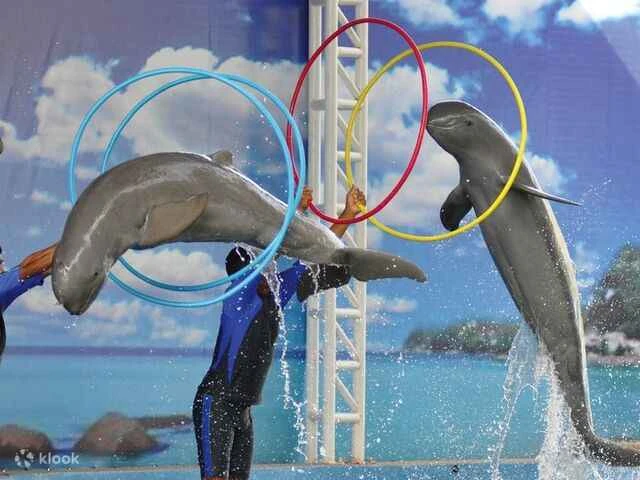
However, for these "ocean spirits" who should be freely swimming in the ocean, artificial pools are often too small and monotonous, and may even cause their echolocation systems to malfunction. This unnatural environment not only shortens the lifespan of captive dolphins but also makes their breeding difficult. Even more regrettably, to meet the demands of performances, many dolphins still need to be captured from the wild, which undoubtedly has a negative impact on their populations and the ecosystem.
6. Sea Lion (handstand/umbrella toss/ring toss/street dance/ballroom dance)
Sea lions are known as the "Lions of the Sea" for their powerful diving abilities and agile movements. They can dive to depths of over 300 meters and are also highly intelligent marine mammals. With training, sea lions can perform many difficult maneuvers, making them star attractions in aquariums around the world.
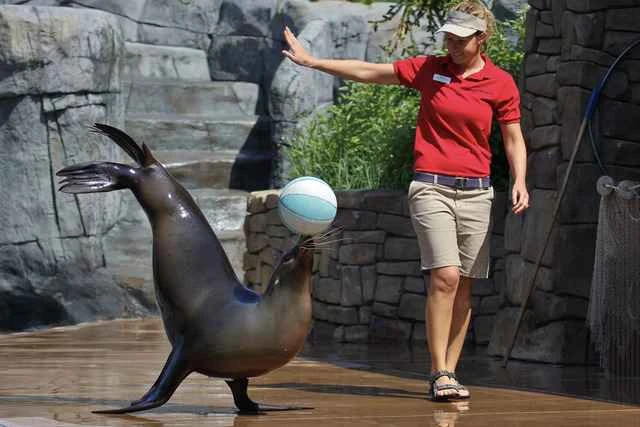
It's worth noting that for pinnipeds like sea lions, instead of spending their days idly, they expend their abundant energy through training and performances with their trainers and fellow sea lions. This regular activity not only increases their daily exercise but also makes them healthier. Coupled with the ample food and excellent medical care available in aquariums, these "sea lion performers" often live longer than their wild counterparts.
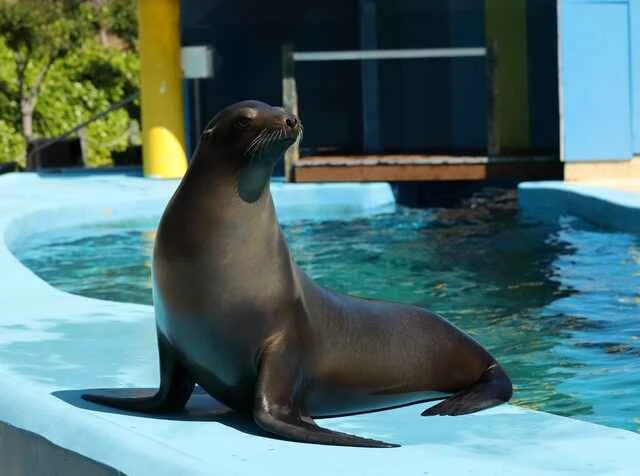
In addition, due to increased awareness of animal protection, many Western countries have legislated to ban the keeping and performance of cetaceans, while sea lion shows have been preserved and have become a major highlight of aquarium performances.
7. Bear (walking a tightrope/boxing/playing basketball)
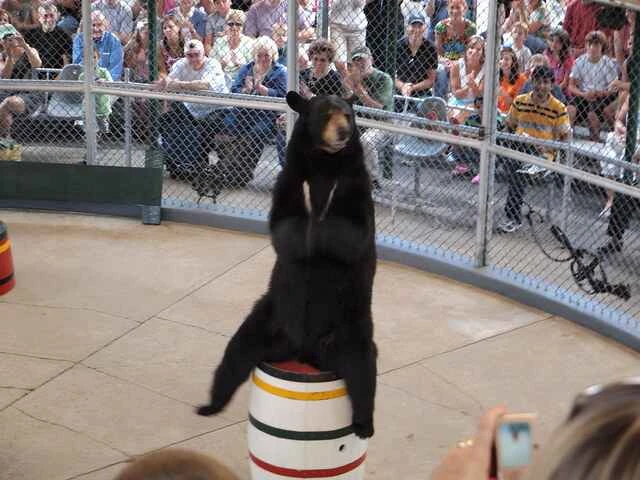
Bears are generally gentle animals that do not actively attack humans or other creatures and tend to avoid conflict. However, when they feel the need to protect themselves, their cubs, food, or territory, they can display an extremely dangerous and frightening side. Nevertheless, throughout history, bears have been repeatedly used for entertainment and performances.
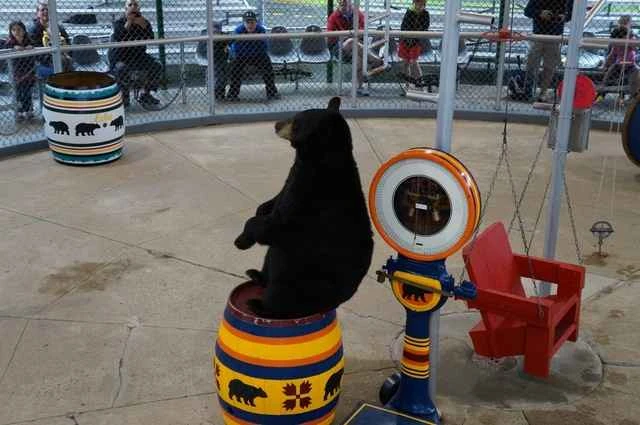
To train black bears to stand and walk or perform tricks like balancing on a balance board, many circus trainers use various methods, even extreme ones. The bears used for performances are usually young black bear cubs, whose sharp claws are removed from a young age, and they are forced to undergo intensive training. While black bears can briefly stand upright on their hind legs, their limb structure is not suited to maintaining this posture for extended periods. Forcing them to stand and perform violates their natural instincts and can cause long-term damage to their bodies.
8. Parrot (doing arithmetic/riding a small car/doing somersaults/sound imitation)
In many Western countries, bird shows are one of the few remaining performance options in zoos, with parrot shows being the most common. Parrots, with their intelligence and quick learning abilities, can perform many novel and interesting acts after training, earning them the reputation of "performing artists" in circuses, parks, and zoos, and making them beloved by audiences.
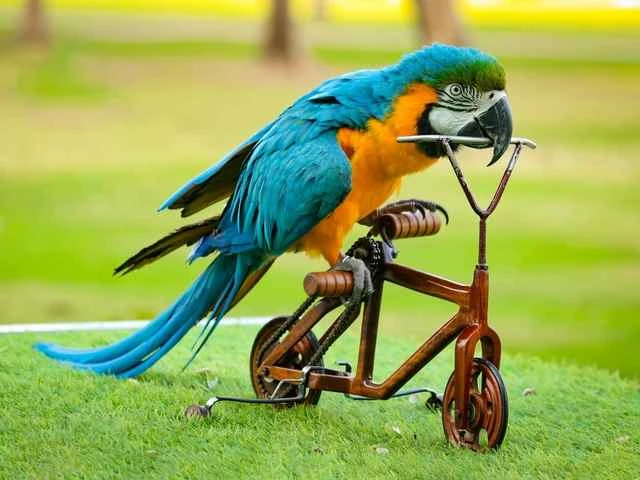
These "bird stars" are skilled in a variety of tricks, such as fetching small flags, catching food, riding bicycles, pulling carts, and doing somersaults, often winning rounds of applause with their humorous and entertaining performances. In such shows, parrots only need to "be their best" to easily capture the hearts of the audience and become highly sought-after animal stars.
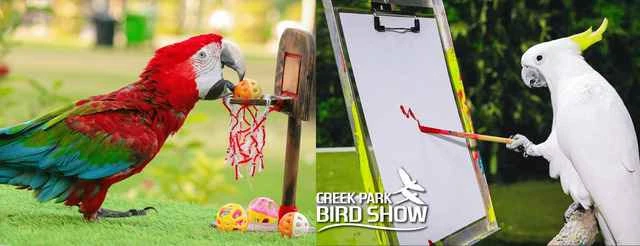
Nowadays, these kinds of bird shows are gradually being introduced to some zoos in my country, bringing a rich viewing experience to tourists and becoming one of the highlights of the "luxury lunch".
9. Seal (clapping/rolling around)
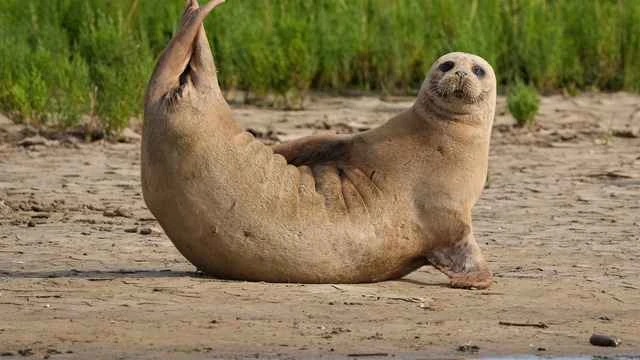
Although seals and sea lions look very similar, seals are much softer and cuter than sea lions. Even without performing, their chubby bodies are enough to make them adorable. While seals don't swim as gracefully as sea lions, and rarely swim as fast, they are far more adept at deep diving. They can even store some of the oxygen they inhale in their blood, like whales, allowing them to stay underwater for longer periods—an advantage over animals that rely solely on lung capacity to hold their breath.
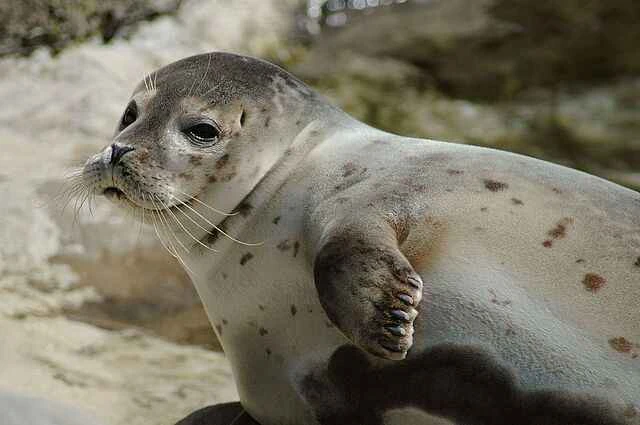
During the performance, the seals won the audience's hearts with their unique charm. They would crawl forward, roll around adorably, surf, and clap their hands; their round bodies and big, watery eyes were full of healing appeal, and they did everything they could to make the audience smile. Their innocent appearance was endearing, making them little stars who received a lot of attention on stage.
10. Teddy Bear (Counting/Handstand/Jumping through hoops/Stepping on a ball/Diving through hoops)
Dogs are undoubtedly among the most performing animals, especially Poodles, who are frequent "stars" in many acrobatic troupes. Poodles were once considered the national dog of France, where they were used not only as hunting dogs but also as acrobatic performers in circuses. Even as family pets, Poodles often develop amusing little tricks, making them beloved by their owners. However, as a common performing breed in circuses, dogs often undergo very rigorous training.

Behind performances like standing, jumping through hoops, and even handstands lies a lot of hardship during training. For example, when training dogs to stand, trainers often use a rope to strangle them, forcing them to maintain the posture. Handstands are often achieved by tying the dog's hind legs up and suspending it repeatedly. While this method allows dogs to master advanced skills, it goes against their natural instincts and has sparked reflection and concern about animal performances.
Caring for animals and refusing to support inhumane animal performances is a responsibility and a sign of respect for these silent companions. We hope that more people will pay attention to animal rights in the future, allowing animals to truly live free and unfettered lives.