Radar guns, magnetic compasses, and infrared detectors are all man-made inventions that enable humans to transcend the five natural senses of sight, taste, smell, touch, and hearing. But these gadgets are far from original. Millions of years before human evolution, some animals already possessed these "extra" senses.
Infrared and ultraviolet vision
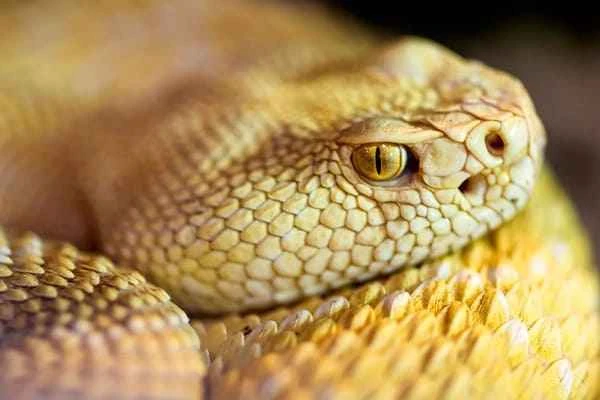
Like most other vertebrates, rattlesnakes and other rattlesnakes see with their eyes during the day. But at night, these reptiles use infrared sensory organs to detect and hunt warm-blooded prey that are normally completely invisible. These infrared "eyes" are cup-shaped structures that create a coarse image when infrared radiation shines on their thermally sensitive retina. Some animals, including eagles, hedgehogs, and shrimp, can also see the lower regions of the ultraviolet spectrum. Humans cannot see infrared or ultraviolet light with the naked eye.
Echolocation
Toothed whales (a family of marine mammals including dolphins), bats, and some shrews that live on the ground and in trees use echolocation to navigate their surroundings. These animals emit high-frequency sound pulses, either very high-pitched to the human ear or completely inaudible, and then detect the echoes produced by these sounds. Specialized ear and brain adaptations enable these animals to construct a three-dimensional picture of their surroundings. For example, bats have large ear flaps that collect sound and direct it to their thin, highly sensitive eardrums.
inductance
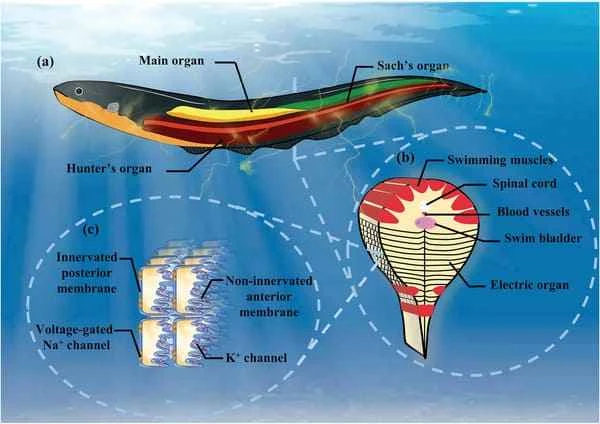
Some animals generate ubiquitous electric fields that function like senses. Electric eels and certain rays have modified their muscle cells to generate charges strong enough to shock or even sometimes kill prey. Other fish (including many sharks) use weaker electric fields to help them navigate murky waters, track prey, or monitor their surroundings. For example, bony fish (and some frogs) have lateral lines on their sides and a row of sensory pores on their skin that detect electric currents in the water.
Magnetic induction
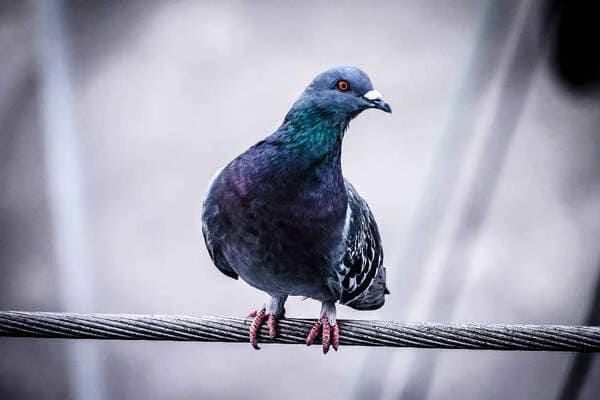
The flow of molten material in the Earth's core and the movement of ions in the Earth's atmosphere create the magnetic field surrounding the planet. Just as a compass points to the magnetic north pole, animals with a magnetic sense can orient themselves in specific directions and undertake long-distance travel. Behavioral studies have shown that a variety of animals, including bees, sharks, turtles, rays, homing pigeons, migratory birds, tuna, and salmon, possess a magnetic sense. Unfortunately, the details of how these animals actually perceive the Earth's magnetic field are unclear. One clue may be the presence of small amounts of magnetite deposits in the nervous system of these animals. These magnet-like crystals align with the Earth's magnetic field and may function as miniature compasses.