True monogamy is rare in the animal kingdom, but it does exist in some species. It is unclear whether these animals feel "love" for their partners like humans do, but it is evident that for many species, forming lifelong partnerships is related to both the survival of the species and having someone to help build a nest and keep their feathers clean.
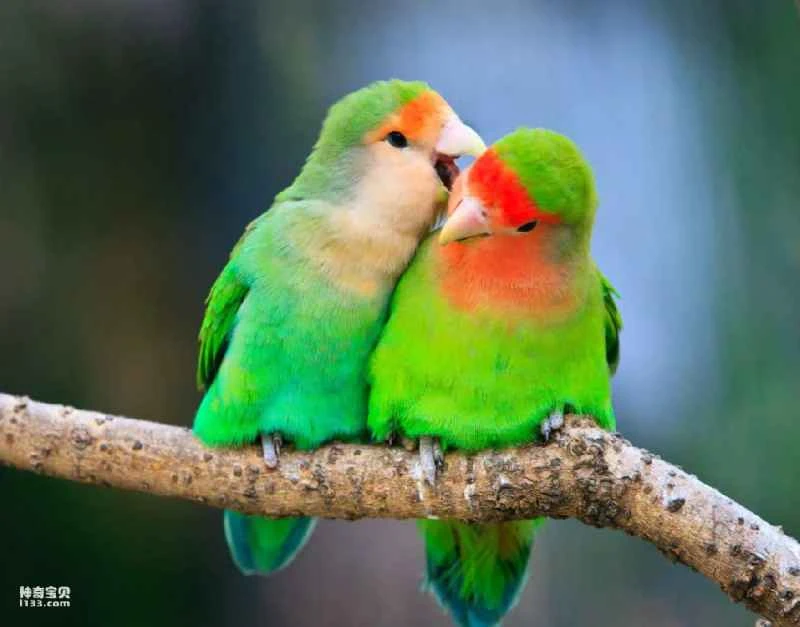
Whatever their reasons for practicing monogamy, we humans can learn a great deal from the devotion that several animals show to their mates.
Scroll through this list to discover eight amazing animal pairs that will stay together for life.
1. Swans – a symbol of true love
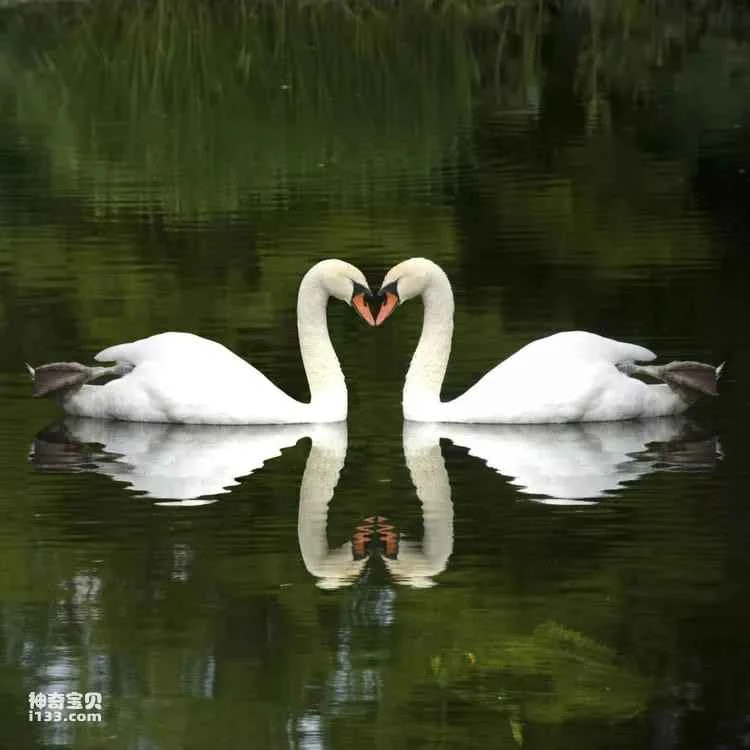
Two swans touching beaks—a common symbol of true love in the animal kingdom. And it truly does represent true love—or at least that's what humans call it. Swans form monogamous pairs that can last for many years, and in some cases, a lifetime.
Romantic? Sure, but swan pairing is more about survival than love. When you consider the time swans need to migrate, establish territory, incubate and raise their young, you realize they don't want to waste any extra time each season trying to attract a new mate.
2. Wolves – lifelong loyalty
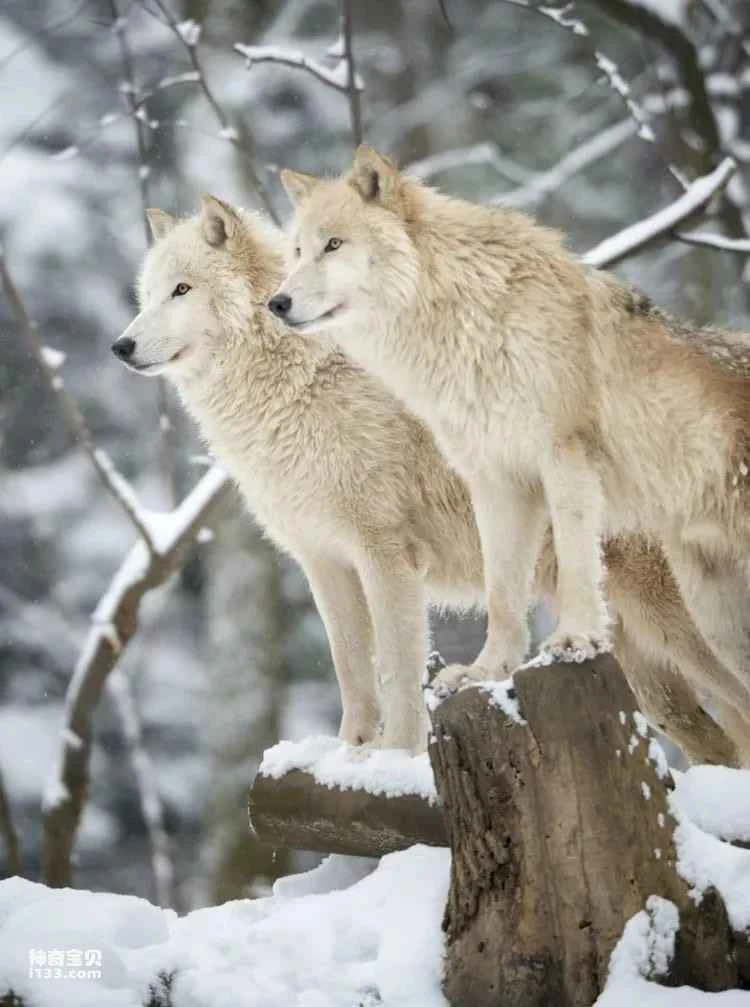
These cunning old wolves aren't as solitary as you might imagine. Leaving aside the stereotype of lone wolves, most wolf "families" consist of a male, a female, and their cubs, just like human families.
The male and female leaders share dominance in the group, except during mating season when the female leader takes charge.
3. Albatross - Forever Loyal
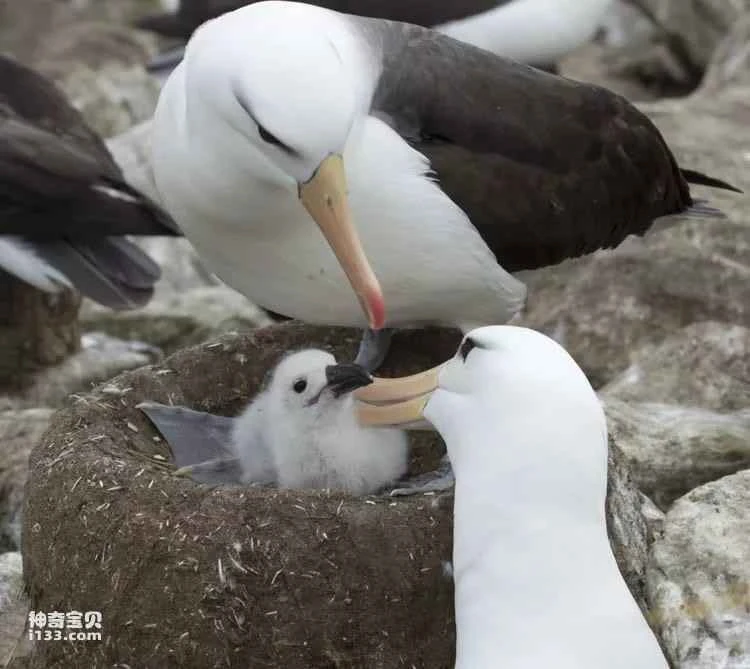
Many bird pairs are lifelong, but albatrosses take things to the next level by learning advanced maneuvers to maintain their romantic relationship. From a very young age, albatrosses learn to attract mates using a complex system of grooming, pointing, cawing, bowing, and dancing. They may try these maneuvers with many partners, but once they choose "the one," they become lifelong faithful companions.
4. Gibbons - Perhaps faithful, perhaps unfaithful
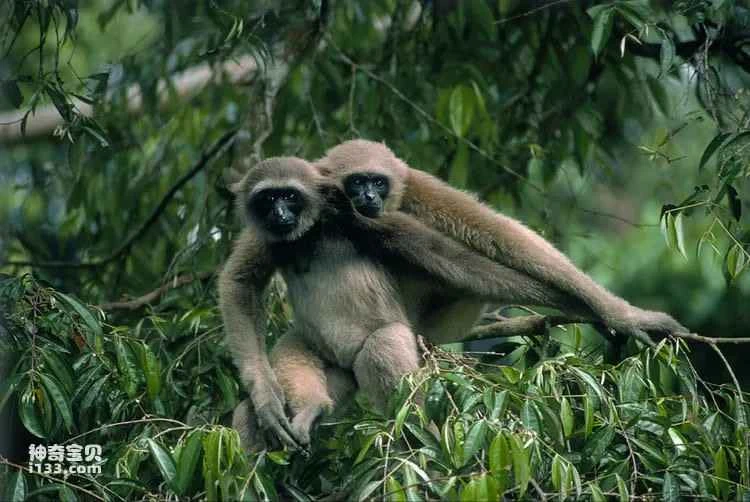
Gibbons are our closest animal relatives, and they mate with their partners for life. Males and females are roughly the same size, making it very comfortable for them to groom and relax together. New research suggests that some flirting may occur within gibbon groups, but in general, pairs of gibbons stay together for life.
5. French Angelfish – A Love Story in the Deep Sea
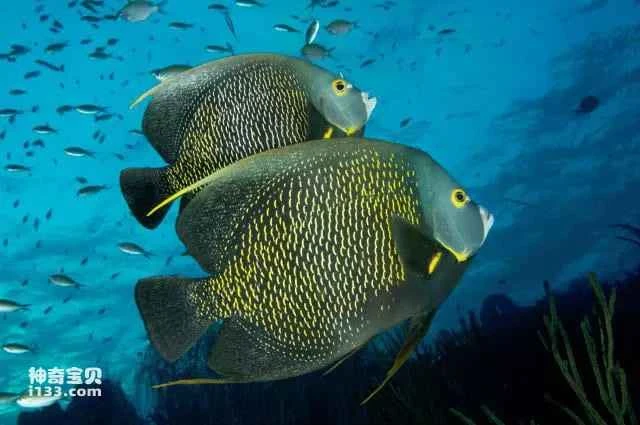
French angelfish are rarely (if ever) solitary. They form close, monogamous pairs from a young age and then do everything together for the rest of their lives. They live, travel, and hunt in pairs, and will even defend their marine territory from neighboring fish.
6. Doves - always in pairs
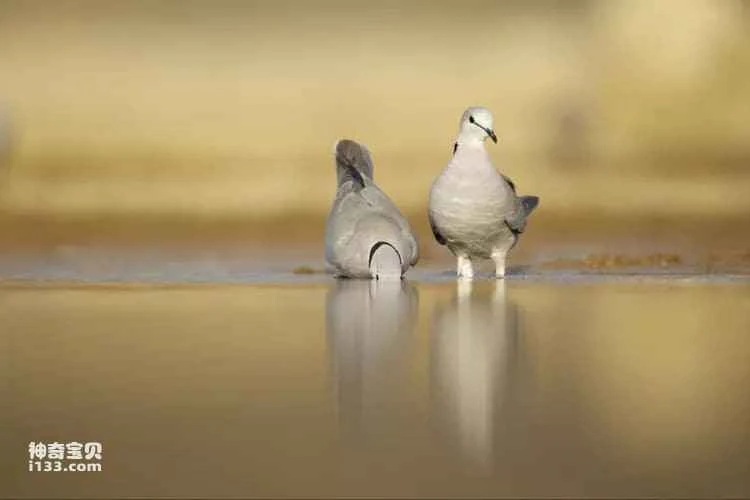
The pairing of doves in the famous Christmas carol "The Twelve Days of Christmas" is for good reason. These birds pair up for life. Their loyalty even inspired Shakespeare, who described them in his poem "The Phoenix and the Tortoise."
7. Prairie Vole - A romantic rodent
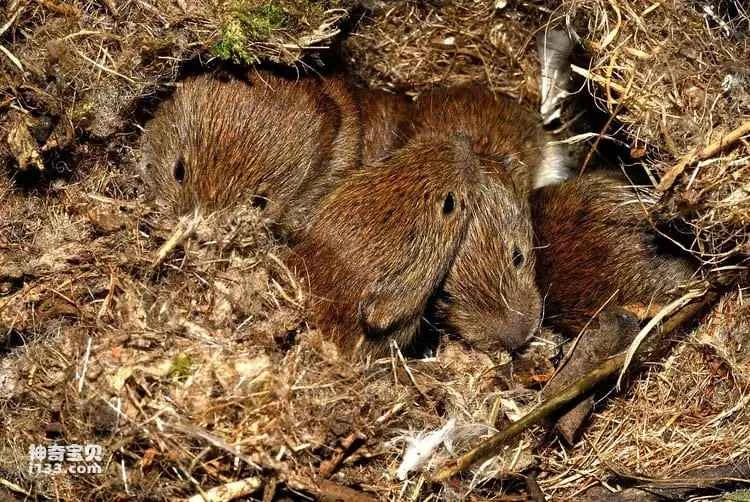
Most rodents are not inherently monogamous, but prairie voles are an exception. They form lifelong partnerships with their mates, spending their lives building nests, grooming, mating, and providing support. In fact, they are often cited as a model of faithful monogamy in nature.
8. Termites - a domestic issue
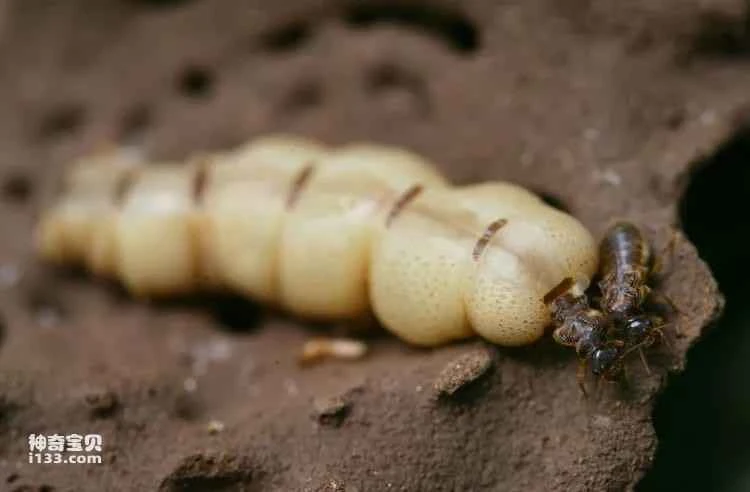
When people think of loyal animal companions, they don't usually think of termites, but they are. Unlike ants, where the queen ant mates with one or a few males before dying, a termite queen mates with only one termite "king" throughout her life. Therefore, the entire termite colony is actually just one mother and father and thousands upon thousands of offspring. Ah…