When we think of snakes, we often picture long, sleek creatures. However, among the many fascinating species, one stands out for its astonishing size: the Barbados line snake (Tetracheilostoma carlae). This tiny snake is the smallest snake in the world, and its minuscule form raises intriguing questions about adaptation, ecology, and the limits of size in the animal kingdom. In this article, we will explore the characteristics, habitat, behavior, and conservation status of this remarkable creature.
Understanding Barbados Line Snake
Size and data
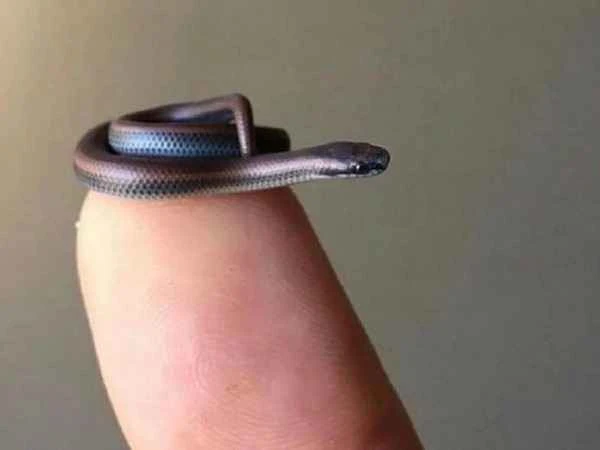
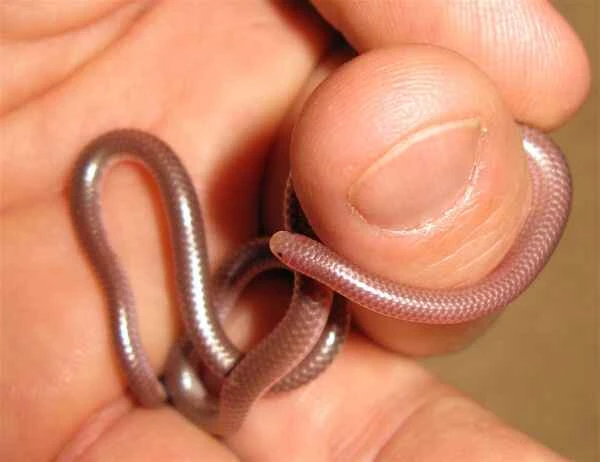
The Barbados line snake is not only the smallest snake, but also one of the smallest reptiles in the world. Here are some surprising statistics:
Length: Adult Barbados line snakes are typically about 10 centimeters (4 inches) long, with some individuals even smaller.
Width: Their diameter can be as narrow as 2 millimeters, thinner than a pencil.
Weight: They weigh about 1 gram (0.035 ounces), which allows them to easily camouflage themselves in soil and fallen leaves.
These data highlight the species’ remarkable adaptability to its environment.
Appearance
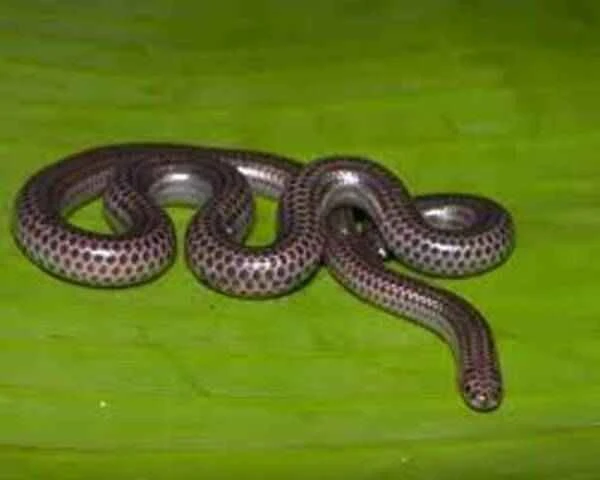
The Barbados line snake has a slender body, typically dark brown or gray with a slightly lighter belly. This coloration gives it excellent camouflage in its natural habitat. Its small size and smooth scales make it almost indistinguishable from its surroundings, allowing it to evade predators and stealthily approach prey.

Habitat and Distribution
The Barbados line snake is a species endemic to the Caribbean island of Barbados, inhabiting a variety of habitats:
Forest floor: These snakes typically inhabit dense foliage, where they can easily dig and hunt.
Grasslands: They may also inhabit grasslands, taking advantage of the cover provided by the vegetation.
The island's humid climate and rich biodiversity provide ideal conditions for the flourishing of this tiny snake.
Behavior and diet
Nocturnal sex life
Barbados line snakes are primarily nocturnal, meaning they are most active at night. Their small size and stealth allow them to survive in the face of larger predators. They rely on their keen sense of smell to navigate their surroundings and locate prey.
diet
This snake primarily feeds on small invertebrates, such as:
Earthworms: This is their main food source, which snakes catch using their small mouths.
Small insects: Other soft-bodied invertebrates are also part of its diet.
Their ability to prey on such small animals reflects their evolutionary adaptation to their environment and body size.
Reproduction
Barbados line snakes are oviparous, meaning they lay eggs. Females typically lay one to three eggs at a time, usually hidden in fallen leaves. The eggs are small and well-camouflaged, providing some protection. After a few weeks, the eggs hatch into baby snakes, who must immediately fend for themselves.
Protection status
The Barbados line snake is currently classified as Least Concern on the IUCN Red List, but it faces potential threats from habitat loss and climate change. Island development and agricultural practices could destroy its natural habitat. Conservation efforts are crucial to ensuring the survival of this unique species.
Protect habitat
Efforts to protect natural habitats and promote sustainable land use are crucial for the continued presence of the Barbados line snake. Educating local communities about the importance of biodiversity and the role of small species in ecosystems also contributes to conservation initiatives.
The Barbados line snake may be the smallest snake in the world, but its importance to the ecosystem is immense. This extraordinary creature embodies the miracle of evolution and adaptation, demonstrating how life can thrive in tiny forms. By studying and protecting these unique species, we can gain a deeper understanding of biodiversity and the delicate balance of nature.
Whether you're a herpetologist, a nature enthusiast, or simply curious about the animal kingdom, the Barbados wire snake reminds us that size doesn't determine importance in nature. As we continue to study wire snakes and their interactions with other species, we may unlock entirely new insights into the complexity of life on Earth.