The horse (scientific name: *Equus ferus caballus*) is a domesticated mammal widely used in agriculture, transportation, sports, and leisure activities. Below is a detailed overview of the horse's characteristics and habits:
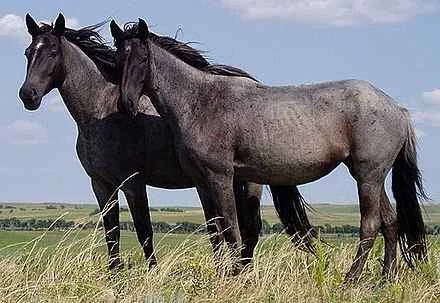
Features and Classification
Physical characteristics: Horses are strong with long limbs and are known for their speed and endurance.
Types: Based on their purpose and size, horses are divided into two subspecies: domestic horses and wild horses. Typical examples of wild horses are Przewalski's horse and Mongolian horse, while domestic horses include many breeds such as Hanoverian horses, Andalusian horses, and Arabian horses.
Distribution and ecological environment
Distribution: Originally from Eurasia, horses were later introduced to other continents. Today, horses are a widely distributed domesticated animal worldwide.
Ecological environment: Horses usually live in grasslands, plains and semi-desert areas, and their diet is mainly herbaceous plants.
Dietary habits
Diet: Horses are herbivores, feeding on herbaceous plants. Certain breeds may require additional feed such as wheat, corn, and oats.
Digestive characteristics: Horses have a large cecum, colon, and long, winding intestine, adapted to digesting coarse, fibrous foods.
Social structure and behavior
Sociality: Horses are typically social animals. Wild horses form herds, and domestic horses also prefer to live with their own kind.
Communication: Horses communicate through their ears, eyes, body posture, neighing, and hoofbeats to express emotions and intentions.
Socially active: Within a group, horses typically have a strict social hierarchy (such as the "leader horse" within the group).
Relationship with humans
Domestication: Horses were among the first animals domesticated by humans and were used for agriculture, transportation, and military purposes, and have become important partners in human leisure activities.
Sports and competitions: Horses are widely used in equestrian competitions, horse racing, polo and other sports.
Leisure and companionship: In modern times, horses have also become objects of leisure activities, companionship, and therapy for people, such as equestrian training and horseback riding trips.
Precautions
The training and raising of horses requires special skills. Those who raise horses need to understand the behavior and habits of horses, provide suitable feed and environment, and conduct regular health checks.
In general, the horse is an important domestic animal that has had a profound impact on human production, daily life, culture, and entertainment. Its long history of coexistence with humans gives the horse a unique place in human history and culture.