Cattle are among the earliest domesticated mammals, primarily providing meat and dairy products, and serving as draft and transport animals in agriculture. Below is a detailed overview of cattle's characteristics and habits:
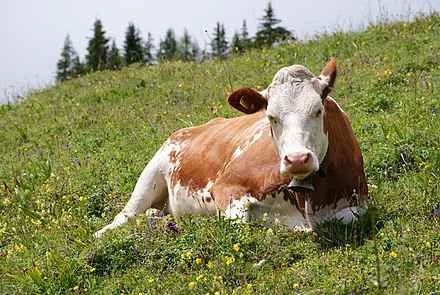
Features and Classification
Body shape: Cattle are usually strong and muscular, with four sturdy legs and thick horny hooves.
Types: Common types of cattle include dairy cows, beef cattle, and draft cattle, which have different characteristics in terms of purpose and body size.
Distribution and ecological environment
Distribution: Domestic cattle are raised worldwide and play an important role, especially in the expanding agriculture and livestock industry.
Ecological environment: Cattle generally live on land, and their ecological environment is usually agricultural and livestock farms such as pastures, cattle sheds, and farmland. Wild cattle species, such as bison or gaur, inhabit grasslands and forest areas.
Dietary habits
Diet: Cattle are herbivores, mainly feeding on herbs, grass, and hay. Dairy cows require additional high-energy feed during production to maintain milk yield.
Digestive characteristics: Cattle are ruminants with multiple stomachs, which allows them to effectively digest cellulose and utilize plant fiber as an energy source.
Social structure and behavior
Sociality: In cattle herds, domestic cattle usually form a clear social hierarchy, with group leaders, etc.
Communication: Cattle communicate with each other through posture, noise (such as mooing), touch, etc., to express emotions and intentions.
Relationship with humans
Domestication: Cattle are among the earliest animals domesticated by humans. They are used for agriculture, providing meat and dairy products, and also play an important role in traditional celebrations and festivities.
Economic value: The production of beef and dairy products provides an important food source for humans, and the leather is also used to make various products.
Cultural significance: The cow has symbolic and spiritual significance in many cultures, and cow elements often appear in literature, religion, and folk tales.
Precautions
Cattle husbandry requires understanding their behavioral characteristics, providing good feed and water conditions, and ensuring reasonable penning and exercise conditions.
In general, cattle are an important type of livestock, profoundly influencing human production, daily life, cultural customs, and dietary traditions. Through long-term domestication and interaction with humans, cattle occupy a special place in human history and culture.