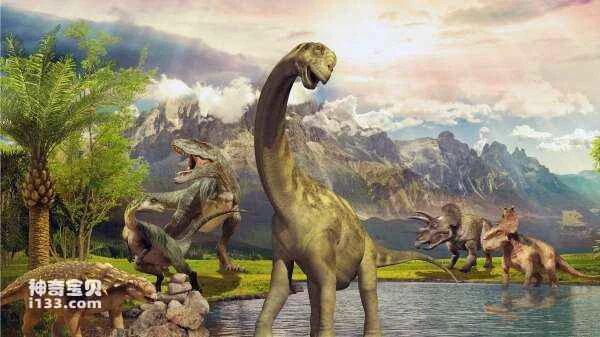
Dinosaurs were prehistoric sauropod reptiles that primarily lived during the Jurassic and Cretaceous periods, before becoming extinct at the end of the Cretaceous period, approximately 66 million years ago. Below is a detailed overview of dinosaurs and their habits:
Classification and characteristics
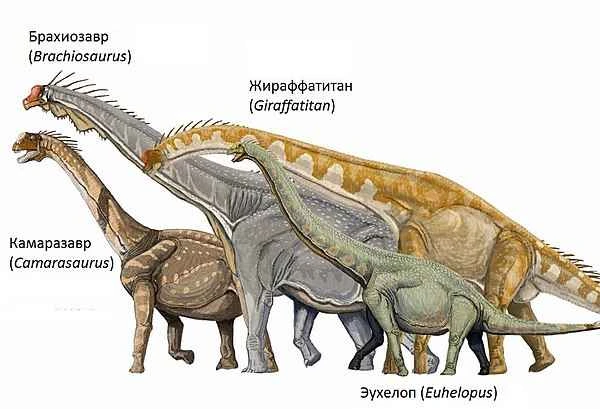
Classification: Dinosaurs are a diverse group of animals, including sauropods, theropods, ankylosaurs, ornithopods, which vary greatly in morphology, habits, and diet.
Body shape: Most dinosaurs typically had four limbs, but some subspecies also evolved the ability to walk on two legs.
Distribution and ecological environment
Distribution: Dinosaur remains have been found all over the world, but the richest are found in North America, South America and Asia.
Ecological environment: Dinosaurs lived in various ecological environments at that time, from grasslands and forests to swamps, adapting to different climates and environmental conditions.
Dietary habits
Diet: Dinosaurs had different diets depending on their species. Some were herbivorous, such as Brachiosaurus and Stegosaurus; others were carnivorous, such as Tyrannosaurus Rex and Velociraptor.
Ecological niche: At that time, dinosaurs occupied important positions at different levels of the food chain and became key species in the ecological environment at that time.
Lifestyle
Sociality: Some dinosaurs were social, such as Triceratops, which lived in groups, while others were solitary, such as Tyrannosaurus Rex.
Reproduction: According to scientific research, some dinosaurs had very complex reproductive habits, and may have built nested nests and cared for their young.
Extinction
According to the generally accepted view in the academic community, dinosaurs may have been caused by a series of natural disasters and environmental changes, such as large-scale volcanic eruptions and meteorite impacts.
Research and Reconstruction
Through the discovery and study of fossils, scientists have provided us with important information about the appearance, behavior, and ecological environment of dinosaurs. Through paleontological research, scientists are also attempting to reconstruct the ecosystem and Earth's environment during the prehistoric dinosaur era.
Although dinosaurs disappeared from Earth tens of millions of years ago, they represent a very important chapter in the history of biological evolution. The study of dinosaurs helps us better understand the complexity and rich diversity of life, and also deepens our understanding of Earth's history and natural evolution.