"Guarding the house" generally refers to rituals or measures performed to avoid disasters or protect the peace of the family. In ancient times, people believed that certain places or houses had feng shui problems that could lead to unfavorable situations such as illness and financial difficulties. To resolve these negative influences, people would take measures to "guard the house," such as placing talismans, hanging portraits, and burning incense and lamps. In traditional Chinese architecture, the images of these mythical beasts are often carved or painted on the lintels, pillars, and beams of buildings to achieve the effect of guarding the house. Furthermore, ornaments or paintings of these guardian beasts can be used in the home to enhance decoration and also serve a protective function. Guardian beasts are mythical creatures used to ward off evil and protect the family's peace. Common guardian beasts include dragons, phoenixes, qilin, white tigers, and green dragons. These mythical beasts are believed to possess spiritual power, protecting the dwelling from evil forces and bringing good fortune and peace to the family.
Do you know which mythical beast is best for warding off evil spirits and protecting the home? This article lists the top ten mythical beasts for warding off evil spirits in ancient China, such as the Qilin, lion, Pixiu, phoenix, dragon, tortoise, elephant, and golden toad. Let's learn about them together.
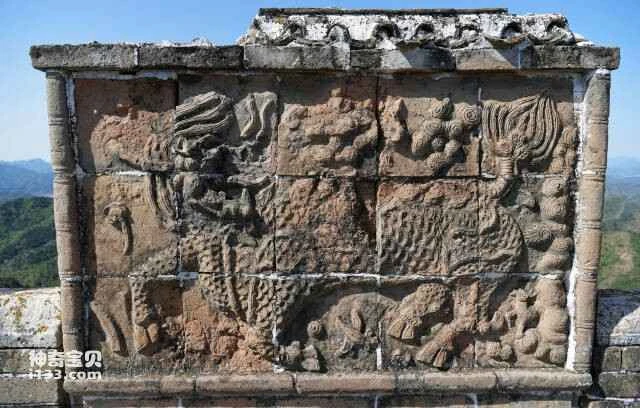
1. Qilin
The Qilin, one of the five auspicious beasts in ancient China, is revered as the foremost of the ten guardian beasts for protecting the home. People believe that the appearance of the Qilin signifies good fortune. In traditional Chinese folk customs, people create various ornaments and decorations for wearing and for home decoration, symbolizing blessings and protection. Ancient shops, temples, and government offices commonly feature Qilin stone carvings or reliefs, signifying the wish to turn misfortune into good fortune and overcome difficulties. With the continuous development of society, many ordinary families and businesses today also place Qilin figurines in their homes or shops, hoping to achieve auspicious effects such as warding off evil spirits, attracting wealth, and bringing good luck. Therefore, it can be said that the Qilin is one of the most popular guardian beasts for protecting the home today.
2. Lion
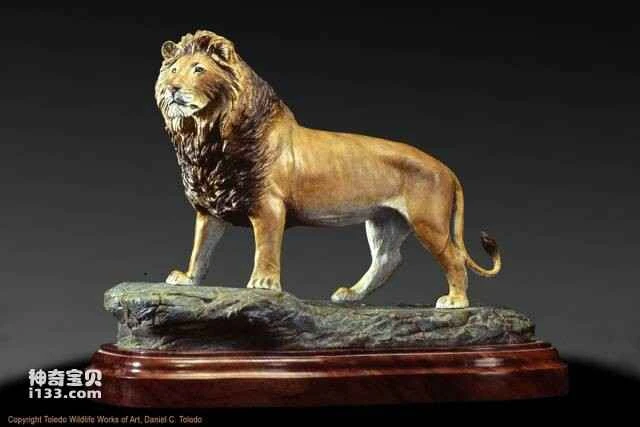
The lion, hailed as the "King of Beasts," is one of China's traditional guardian beasts. During the Eastern Han Dynasty, the King of Parthia presented the first lion to China, marking its entry into Chinese culture. Since then, people have sculpted lions into stone or bronze statues and placed them at their doorsteps for protection and to ward off evil spirits. Bronze lions are considered auspicious objects for protecting the home, dispelling negative energy, and bringing good fortune and power. They are typically made using pure brass and are meticulously cast. Their main function is to neutralize negative energy and disasters, while also enhancing official authority or the homeowner's positive energy. Stone lions can be seen at the entrances of many buildings around us, including palaces, temples, pagodas, bridges, mansions, gardens, and tombs. Stone lions are not only decorative but also capable of dispelling various forms of negative energy, bringing good fortune and peace to families and businesses. Therefore, the lion holds a very important position as a guardian beast in Chinese culture.
3. Pixiu
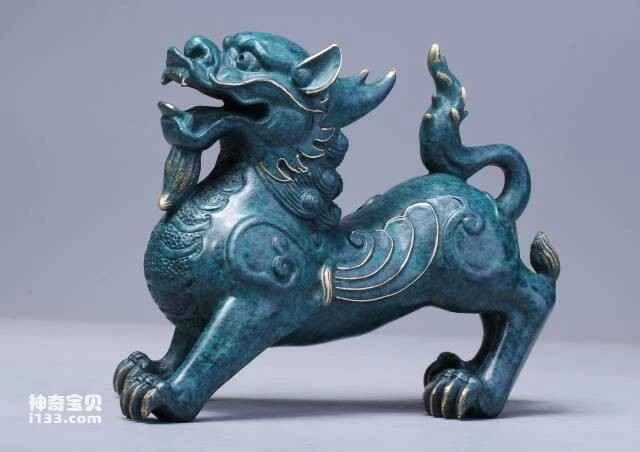
In traditional Chinese culture, warding off evil spirits and protecting the home has always been a very important topic. In various legends and stories, the Pixiu is considered a magical guardian beast. The Pixiu is an auspicious creature in ancient legends, said to be able to turn misfortune into good fortune, protecting the family and ensuring lasting wealth and prosperity. Carving a Pixiu into a stone statue and placing it in the home can bring wealth and blessings to oneself and one's family, while also warding off evil spirits. From ancient times to the present, from emperors to commoners, there has been a custom of using Pixiu to ward off evil and protect the home. Legend has it that Pixiu can not only bring good luck and ward off evil, but also counteract the effects of Tai Sui (the Grand Duke Jupiter) and promote marriage, thus many people consider it one of the most effective guardian beasts. In ancient times, Pixiu could be seen in palaces, government offices, shops, and private courtyards, demonstrating its important position in Chinese culture. In conclusion, the Pixiu is indeed a very suitable guardian beast for protecting the home and warding off evil spirits, with widespread belief and application.
4. Phoenix
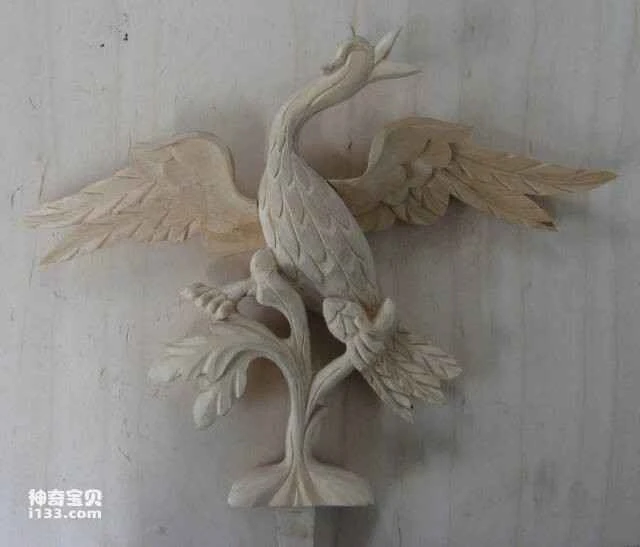
The phoenix is considered one of the mythical creatures used to ward off evil spirits and protect the home. In the *Book of Rites*, the unicorn, phoenix, tortoise, and dragon are referred to as the "Four Spirits," and these mythical creatures are very common in ancient architecture, artifacts, and paintings. The phoenix in question was a totem used by ancient nobles such as Yu, Shun, Emperor Ku, and Qi. Ancient texts describe the phoenix as a beautiful bird, revered as the king of birds for its song and graceful bearing. People believed the phoenix brought good fortune, possessed special spirituality, perched only on the parasol tree, ate only bamboo and ripe fruit, and drank only clear spring water. Therefore, in ancient times, the phoenix was widely used to symbolize the power and glory of empresses and royalty.
In traditional Chinese culture, the phoenix is also regarded as a mythical creature that wards off evil spirits and protects the home. It is said that carving or painting a phoenix on a door can protect the family from malicious attacks and bring good fortune and wealth. Images of the phoenix are frequently seen in ancient palaces, mansions, and shops. In conclusion, the phoenix, as a mythical creature, plays an important role in Chinese culture, serving not only as a symbol of royal glory but also as a guardian deity protecting family peace.
5. Dragon
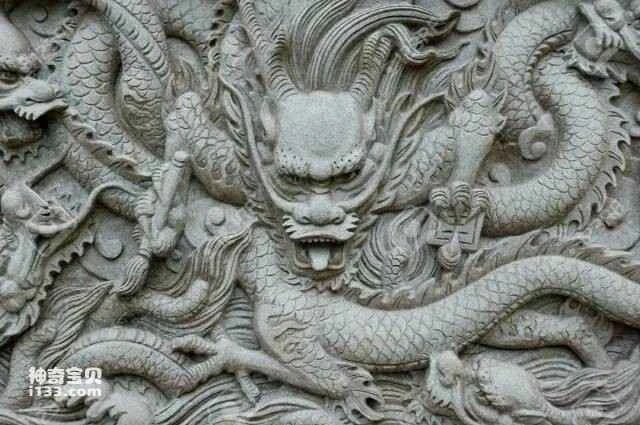
There are many types of auspicious beasts used to ward off evil spirits, among which the dragon is the most famous. The dragon is a mysterious animal, regarded in Chinese culture as a symbol of ferocity, power, and divine majesty. Dragons can appear and disappear, transform into various forms, and are not limited by size. It is said that dragons can summon wind and rain, and control the weather, making them omnipotent. Furthermore, the dragon was also regarded as a symbol of emperors in feudal times, representing nobility, divine might, power, excellence, and wealth, and is considered the most revered auspicious symbol in the hearts of Chinese people.
The dragon is believed to not only bless people with prosperous descendants but also possess the ability to foretell good or bad fortune. Therefore, in traditional Chinese culture, people often use the dragon to ward off disasters and evil spirits, hoping to protect the safety and development of their families and careers. In conclusion, the dragon, as one of the most famous guardian beasts in traditional Chinese culture, holds a very important position. It is not only a powerful symbol but also a protector in all aspects of life, bringing blessings and protection to people.
6. Turtle
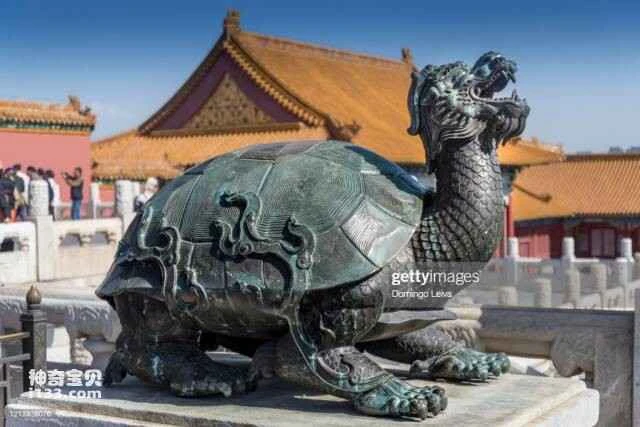
The tortoise is also one of the ten most auspicious animals for warding off evil spirits. Regarded as a descendant of the Black Tortoise, the tortoise symbolizes patience, resilience, longevity, and authority, and is considered one of the most auspicious mascots. The tortoise's back and tail are believed to have the power to ward off evil and misfortune, while its dragon head symbolizes bestowing blessings. It is said that carving the characters for "longevity" on a tortoise can attract wealth and good fortune, ensure health, and also neutralize the three evil influences.
The dragon turtle, in particular, is a very common auspicious symbol in Feng Shui, believed to have the power to bring peace, protect the home, ward off evil, and ensure safety. People believe that by identifying the Three Killings direction of the year and placing the dragon turtle's tail in that direction, one can neutralize negative energy, attract wealth, and resolve legal troubles or problems caused by malicious people. In conclusion, the turtle, as an ancient auspicious symbol, plays an important role in Chinese culture. It not only possesses the ability to protect the family but also attracts good fortune and wealth, making it one of the widely used guardian beasts for protecting the home and warding off evil.
7. Elephant
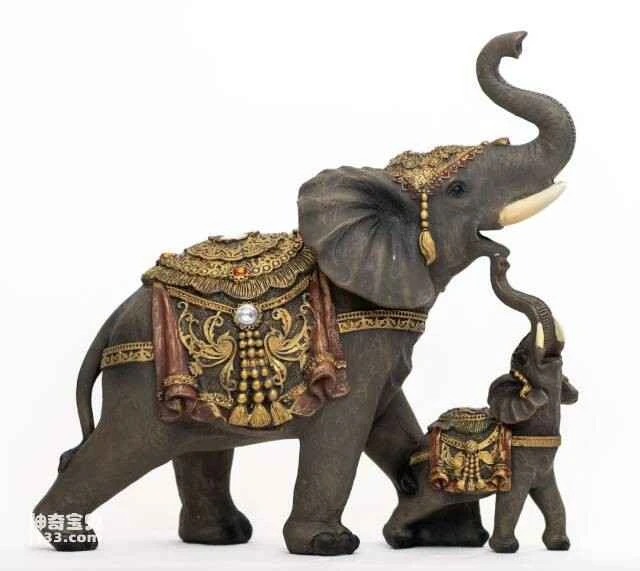
Elephants are also widely regarded as animals that can ward off evil spirits and protect the home. The word for elephant (象) is a homophone for "auspicious" (祥), thus the elephant is considered a symbol of good fortune. Elephants are also considered guardian beasts of the home, helping to dispel evil spirits and protect the family from malicious intrusion, thus making the dwelling more peaceful and stable. In ancient times, many family disputes, disharmony, and bad luck were attributed to the invasion of evil spirits; therefore, people hoped to drive them away by carving stone sculptures of elephants, ensuring the peace and health of their families.
Furthermore, people associate the elephant's trunk sucking up water with attracting wealth, thus the elephant is also considered a symbol of good fortune. People believe that displaying elephant statues can bring good luck and wealth to themselves and their families. In conclusion, the elephant, as one of the common auspicious beasts for warding off evil and protecting the home in traditional Chinese culture, holds a very important position. It is not only a powerful symbol but also a guardian beast of the home, protecting the peace and health of the family while also attracting good luck and wealth.
8. Golden Toad
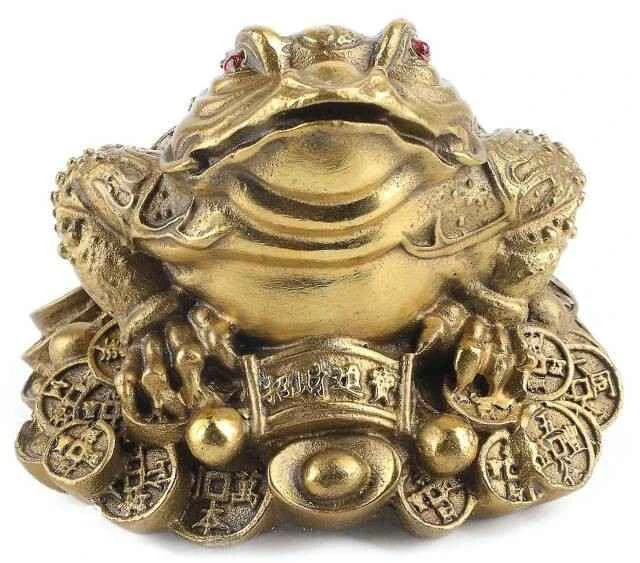
The golden toad is a famous auspicious creature in Feng Shui, long regarded as a symbol of wealth and prosperity. Furthermore, it is widely used as a symbol to ward off evil spirits and protect the family, while also representing longevity and health. The golden toad is considered a long-lived auspicious creature, representing good fortune, peace, health, and long life. Its image is typically depicted with its feet resting on a gold ingot, its mouth holding a coin, and its body plump and robust, symbolizing wealth and abundance. Because this image signifies "spitting out treasure and bringing in wealth," the golden toad is also widely used to symbolize wealth and good fortune.
In folk tradition, there's a saying, "Whoever possesses a golden toad will surely become rich," illustrating the widespread belief in and reverence for this creature. The golden toad is believed to not only attract wealth and protect families, but also bring longevity and health, thus making it beloved and revered by the people. In conclusion, the golden toad is a very important auspicious creature in traditional Chinese culture, symbolizing wealth, prosperity, warding off evil spirits, and longevity. It is not only a powerful symbol but also capable of bringing good fortune and blessings.
9. Carp
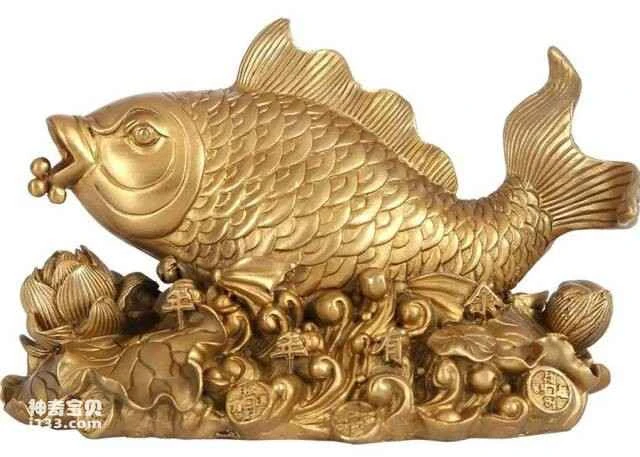
Carp are one of the most common animals used to ward off evil spirits and protect the home. Because the word for "fish" (鱼) is a homophone for "abundance" (余), they are traditionally considered auspicious, symbolizing wealth, good fortune, and celebration. Furthermore, fish correspond to the Azure Dragon, a creature of extreme Yin nature, capable of transforming Yin into Yang and Yang into Yin. People believe that using carp to ward off evil spirits and protect the home can accumulate blessings, dispel negative influences, attract wealth, and bring prosperity to the homeowner, making the residence more peaceful and stable. Placing carp in major inauspicious locations or key positions allows them to absorb and release Yin energy, thereby accumulating blessings and wealth, and suppressing disasters and neutralizing negative influences.
However, it's important to note that to ward off evil and bring good fortune, the fish tank must be placed in an inauspicious location. Placing it in an auspicious location will instead lead to financial loss. Therefore, when using carp for feng shui purposes, the correct location must be chosen, and proper management is essential. In conclusion, the carp, as one of the most famous auspicious creatures for warding off evil and protecting the home in traditional Chinese culture, holds a very important position. It is not only a powerful symbol but also capable of bringing good luck and blessings. However, it is crucial to choose the correct location when using carp for feng shui purposes to maximize its effectiveness.
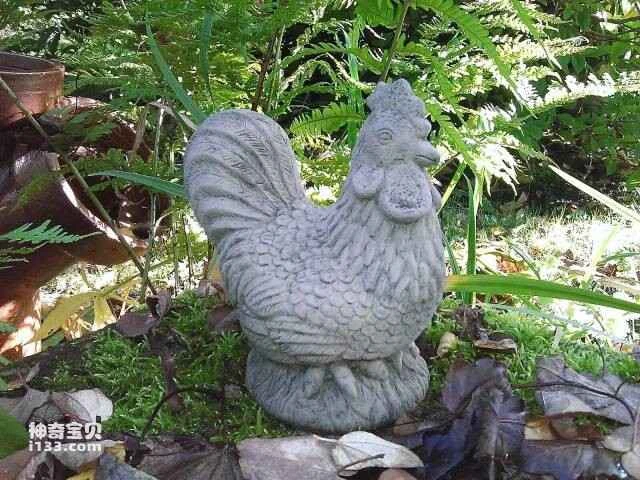
10. Rooster
In Chinese folk beliefs, the rooster is also a commonly used animal to ward off evil spirits and protect the home. Firstly, the rooster is considered an auspicious creature, similar to the Vermilion Bird, and is believed to have the power to dispel yin and guide yang. The ancient text *Taiping Yulan* mentions that roosters crow when the sun rises because "the rooster crows when the yang energy emerges, thus influencing its kind." The ancients referred to the rooster as "yang essence," the essence of the sun, while evil spirits and demons were considered dark and ugly creatures that feared sunlight, naturally avoiding the rooster's righteous energy.
Furthermore, the word for "chicken" (鸡) is a homophone for "auspicious" (吉), thus the chicken is imbued with auspicious meaning in many folk customs. Based on the tradition of using chickens to ward off evil spirits, this further reinforces the auspicious connotations represented by the chicken. In conclusion, the rooster, as one of the talismans used in traditional Chinese culture to protect the home and ward off evil, possesses powerful symbolic meanings of good fortune, exorcism, and auspiciousness. It not only dispels yin and guides yang, driving away evil and bringing good luck and blessings. Therefore, the chicken has always held a very important position in Chinese folk beliefs.
The ranking of the top ten ancient Chinese mythical beasts for warding off evil spirits is mainly based on the beasts' popularity, traditional customs, and folk legends, and also takes into account relevant internet rankings and lists. If you have any questions, please feel free to comment or criticize at the end.