What are mustelids?
Mustelidae, belonging to the order Carnivora, comprises approximately 57 extant species and is the most widely distributed and morphologically diverse family on Earth. They are commonly found in temperate and frigid regions, with a near-global distribution (except for Australia and Antarctica), inhabiting forests, grasslands, wetlands, and even coastal areas. Common physical characteristics include:
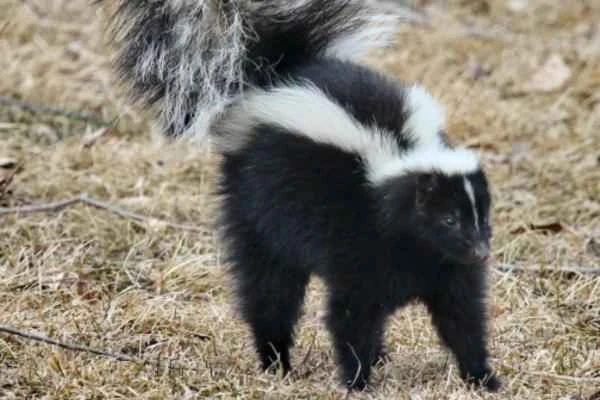
Slender body and tubular trunk : advantageous for traversing narrow caves or under fallen leaves in forests.
Short limbs and digitigrade gait : walks on toes with sharp claws, and some aquatic species have webbed feet.
Typical tooth structure of carnivores : sharp canines and molars specifically designed for tearing meat; some species have reduced or hidden teeth.
Well-developed anal glands : capable of secreting strong odors, used for territorial marking or defense.
Diurnal/nocturnal habits differ : most species are nocturnal and solitary, while a few are diurnal or social.
Members of the Mustelidae family hold a special place in human economy and ecosystem: for example, as pets (domestic mink Mustela putorius furo), for biological rodent control (weasel Mustela nivalis), and also due to overhunting for fur (American mink Neovison vison), or due to ecological degradation (otter Lutra lutra, European mink Mustela lutreola).
10 classic representative species
The following section selects 10 representative, widely distributed, or closely related to humans mustelid species, and provides a detailed introduction to their names, scientific names, distribution, habitats, and main habits.
1. Neovison (American mink)
Distribution : Native to North America, later introduced to Europe, South America, Russia and other regions.
Habitat : River and lake shores, dense shrublands, or caves under cliffs
Characteristics : Semi-aquatic, adept at swimming and diving; dark brown fur; excellent sense of touch, smell, and hearing.
Diet : Fish, amphibians, crustaceans, small mammals
Interpersonal relationships : Widespread farming due to the fur industry and the resulting escape and invasion of animals pose ecological risks.

2. Ferrets (Mustela nivalis)
Distribution : Eurasia, North Africa, and many parts of North America
Habitat : Open grasslands, farmland, stone wall crevices, and also found around human settlements.
Characteristics : Only 15–20 cm in length, it is the smallest carnivore in the world; agile, adept at jumping and ambush.
Diet : Primarily preys on rodents, and can consume dozens of small mice per day.
Ecological Value : Top-tier rodent control agent, maintaining the ecological balance of rural areas.
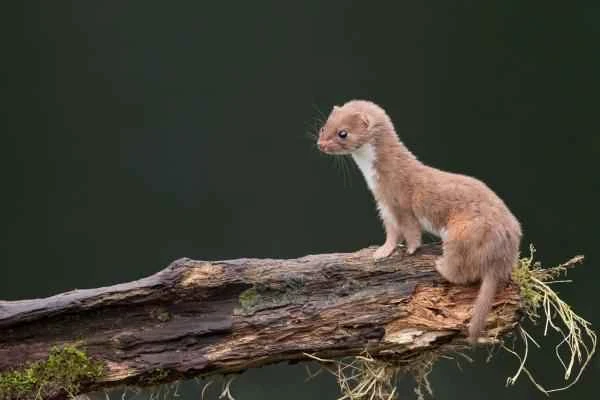
3. European mink (Mustela lutreola) [Critically Endangered]
Distribution : Only found in a small area of Western Europe, mainly in northern Spain and southwestern France.
Habitat : Slow-flowing riverbanks and marshlands, relying on clear water sources and contiguous vegetation.
Characteristics : Dark brown fur with white spots on the muzzle and lower jaw; slightly smaller than the American mink.
Threats : River pollution, habitat fragmentation, competition with invasive American mink
Conservation Status : IUCN "Critically Endangered", many countries implement reintroduction and water body protection measures.
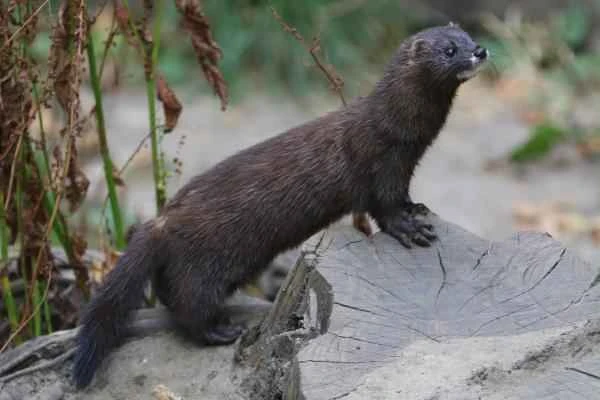
4. Domesticated mink/European mink (Mustela putorius furo)
Distribution : Domesticated worldwide, mostly derived from wild mink in Europe.
Habitat : Artificial breeding environment
Characteristics : Diverse skin colors and patterns; curious and lively temperament, requires careful training.
Uses : Formerly used for rodent control, now primarily for pets and scientific research.
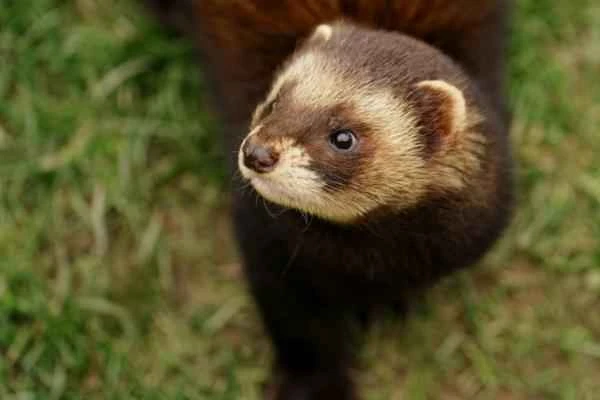
5. European marten (Martes martes)
Distribution : Most of Europe; a few are found in West Asia and Siberia.
Habitat : Complete broad-leaved and coniferous forests; adept at climbing tall trees
Features : Orange-yellow "neck warmer" at the shoulders, slender build
Diet : Bird eggs, small mammals; also eats fruits and insects.
Environmental value : Forest ecological indicator species, its survival reflects the health of forest trees.
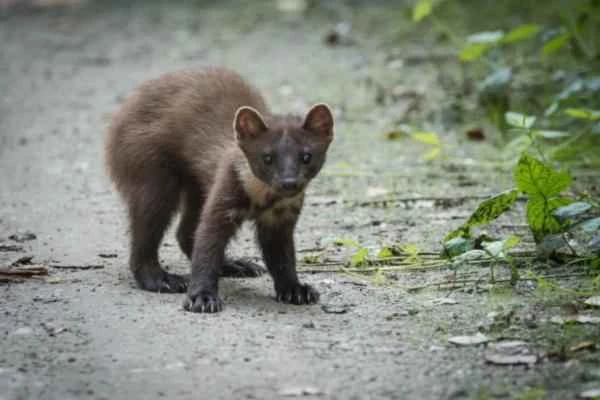
6. Pine marten (Martes foina)
Distribution : Temperate regions of Eurasia
Habitat : Rocky mountains, fields and surrounding villages
Characteristics : Grayish-brown body color, with a white heart-shaped patch on the neck; more resistant to human activity disturbance.
Diet : Rodents, poultry, garbage scraps
Interpersonal relationships : Often mistaken by farmers as livestock thieves and hunted down.
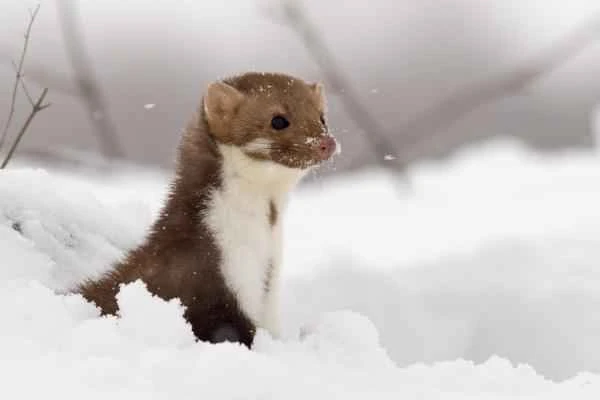
7. European Badger (Meles meles)
Distribution : Widespread across Eurasia, from Britain in the west to Mongolia in the east.
Habitat : Mixed forests, farmland and grassland, with complex terrain
Characteristics : Sturdy build, gray-black back, two distinct white and black stripes on the face.
Diet : Omnivorous, it can eat insects, rodents, fruits, and plant roots and stems.
Social behavior : They live in large underground den systems ("badger dens"), with a distinct group structure.
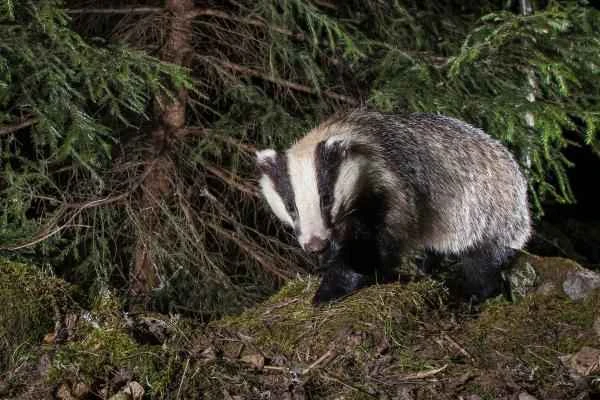
8. Eurasian otter (Lutra lutra)
Distribution : Coastal and inland river systems of Eurasia
Habitat : Clear rivers, lakes and riparian thickets
Features : Streamlined body, dense waterproof fur, webbed feet
Diet : Fish, amphibians, shellfish; can dive to forage within 3 minutes.
Indicative significance : A biological indicator of water quality and riparian vegetation health
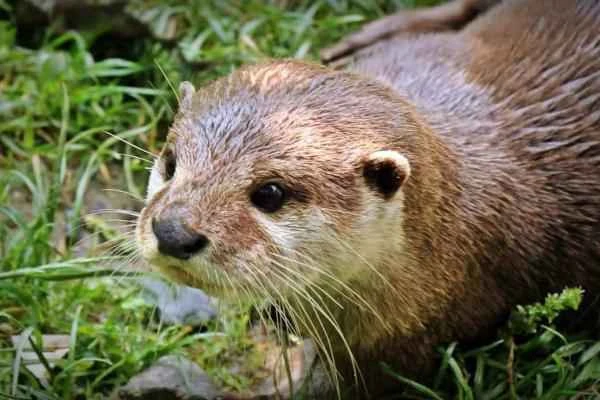
9. Ferrets (Mustela erminea)
Distribution : Arctic and temperate regions of the Northern Hemisphere
Habitat : Forest edges, grasslands, rocky mountains
Characteristics : Brownish-brown in summer, white all over in winter except for the black tip of the tail.
Diet : Small rodents, with a surge in predation during the summer breeding season.
Adaptability : Color-changing camouflage, agile physique, and top-notch tunneling ability.
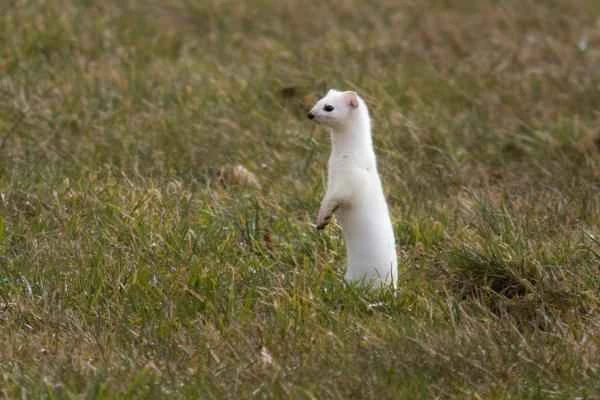
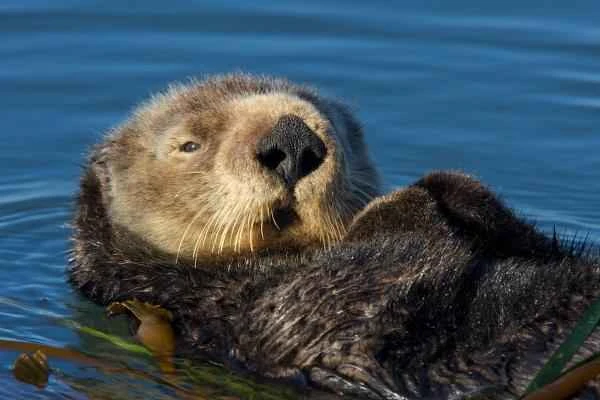
10. Sea otter (Enhydra lutris)
Distribution : North Pacific coast, including Alaska, Russia, and California.
Habitat : Nearshore kelp forests and rocky reef waters
Characteristics : The densest-haired marine mammal, lacking a fat layer, using thick fur for warmth.
Diet : Sea urchins, crabs, shellfish; often carries "stone tools" to crack open shells.
Ecological functions : Controlling sea urchin populations and maintaining the health of kelp forests.
Ecology and Conservation of Mustelidae
Agriculture and ecological balance : Weasels, badgers, and other rodents are natural "rat poisons" that control harmful rodents and promote farmland health.
Fur trade and pet breeding : American mink and European mink are being kept in large numbers due to the fur industry, leading to escapes and invasions into the wild; domesticated mink require standardized breeding and management.
Wetland and forest conservation : Riverside otters, minks, and badgers depend on intact vegetation and clean water sources, reflecting the health of the ecosystem.
Protection recommendations :
Increase the protected area of wetlands and forests , and restore key habitats;
Strictly regulate the fur and pet trade to reduce escapes and illegal transactions;
Promote biological control and environmental education to raise public awareness of mustelids;
Promote scientific research and monitoring to understand population dynamics and provide a scientific basis for conservation decisions.
bibliography
(Date unknown). (Date unknown). Iberian Fauna. Website: https://www.faunaiberica.org
Montero R., Otino A. (2018). Vertebrate systematics and phylogenetics. Independent Publishers, San Miguel de Tucumán, Argentina. 1580 pages.
Schiafini, MI. (2014). Small carnivorous communities in Patagonia (Carnivora: Mustelidae and Mophagocytidae): classification, distribution, and food allocation. Doctoral dissertation. National University of La Plata.