In nature, although humans have evolved independently on Earth as a unique species for millions of years, many animals share remarkably similar characteristics and behaviors. By studying these closely related animals, scientists can not only better understand their lifestyles but also further explore human evolutionary history. This article will delve into several animals closely related to humans, revealing their close connections to us.
1. Chimpanzees – Humans' closest "cousins"
1. Genetic similarity
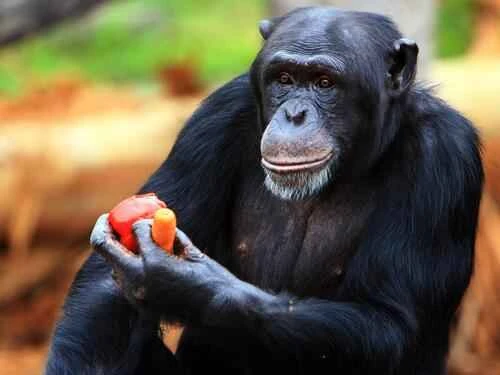
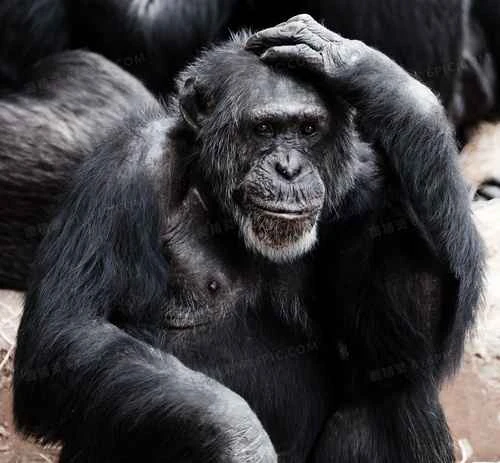
Chimpanzees are the closest primates to humans, sharing approximately 98.7% of their genes with humans. They share a common ancestor with humans, making them a crucial species in the study of human evolution.
2. Social Structure and Behavior
Chimpanzees live in complex social groups, exhibiting highly social behaviors such as cooperative hunting, tool use, communication, and emotional expression. They use branches to make tools for food and communicate through body language, facial expressions, and vocalizations, which bear many similarities to human communication.
3. Learning and memory abilities
Chimpanzees possess remarkable learning abilities and memories; they can learn new skills through observation and retain problem-solving methods for extended periods. This demonstrates that their cognitive abilities are highly similar to those of humans.
II. Bonobos – Peaceful “Human Relatives”
1. Genetic similarity
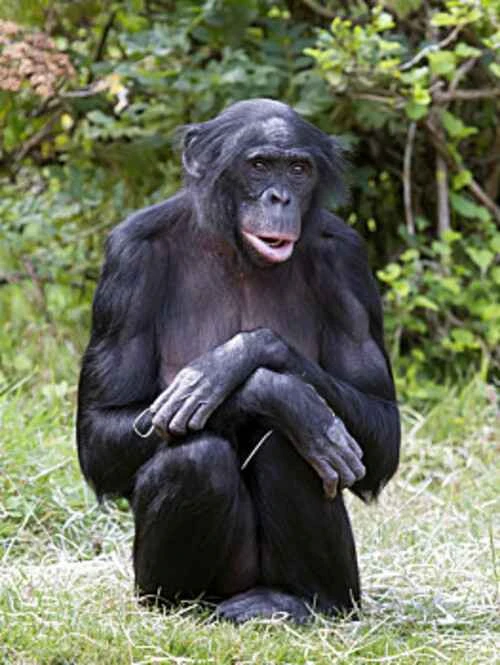
Like chimpanzees, bonobos share approximately 98.7% of their genome's DNA with humans. Unlike chimpanzees, bonobos engage in social interactions in a more peaceful and cooperative manner.
2. Social behavior
Bonobos are highly social animals that resolve conflicts peacefully and harmoniously, often defusing tensions through physical contact and sexual activity. Their social structures are more egalitarian, with females typically dominating the group.
3. Emotional expression
Bonobos possess complex emotional expression abilities, exhibiting empathy, cooperation, and sharing behaviors. Research shows that their ways of coping with emotions and conflict bear a striking resemblance to those of humans.
III. Gorilla – The Gentle Giant
1. Genetic similarity
Gorillas share approximately 98.3% of their genes with humans. Despite their large size and strength, gorillas are gentle in nature and typically eat mainly plants.
2. Family Structure
Gorillas live in groups, typically led by an adult male known as a silverback. Their social structure is somewhat similar to that of human families, with adult males protecting females and offspring and ensuring the group's safety.
3. Emotions and Communication
Gorillas are capable of expressing a wide range of emotions, such as love, protection, anger, and sadness. They communicate through body language, vocalizations, and facial expressions, exhibiting complex patterns of social interaction.
IV. Orangutan – The Solitary Wise One
1. Genetic similarity
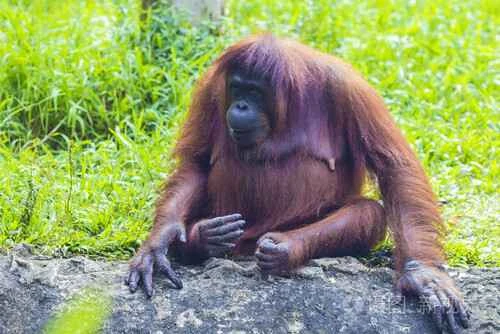
Orangutans share approximately 96.9% of their genes with humans. They are highly intelligent animals, primarily solitary, and live in the tropical rainforests of Southeast Asia.
2. Tool Usage
Orangutans are the second most prolific tool users after chimpanzees, using branches to obtain food and build nests. This tool-using behavior is similar to that of early humans, indicating a high level of intelligence in both species.
3. Learning and Imitation
Orangutans possess an exceptional learning ability, capable of imitating human behaviors by observing them, such as using tools or opening bottle caps. This ability to imitate reflects their cognitive level and learning potential.
5. Dolphins – Intelligent marine inhabitants
1. Intelligence level
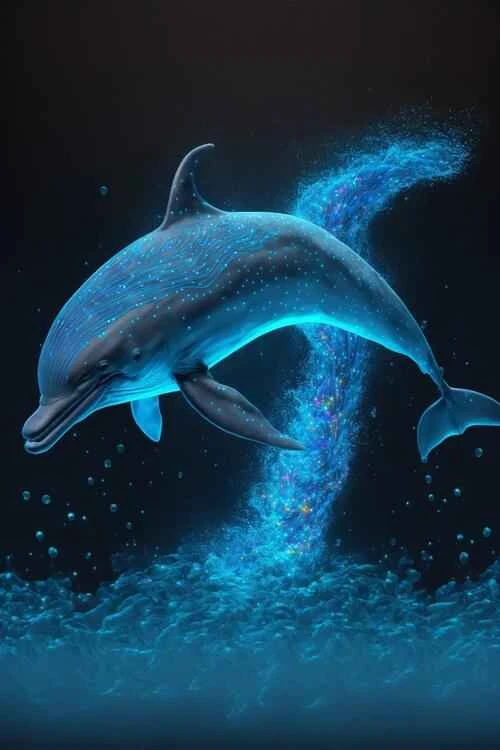
Dolphins are considered among the most intelligent mammals in the ocean. They possess highly developed brains, exhibiting complex cognitive abilities, social behaviors, and problem-solving skills. Despite significant biological differences from primates, dolphins' intelligence is quite close to that of humans.
2. Social behavior
Dolphins live in highly organized social groups, communicating with each other through whistles and clicks, and exhibiting behaviors such as cooperative hunting and mutual care. Their social behaviors are very similar to the cooperative spirit of humans.
3. Emotional expression
Dolphins exhibit emotions similar to humans, such as joy, sadness, and compassion. Studies have found that dolphins display mourning behavior when faced with the death of a companion, which is remarkably similar to human emotional responses.
6. Elephant – A compassionate giant.
1. Complex social structure
Elephants live in highly social groups, usually led by an older female. They exhibit strong family bonds within the group, with adult elephants caring for calves and helping older and injured members.
2. Emotional expression
Elephants are known for their rich emotional expression, capable of displaying joy, sadness, anger, and compassion. They even hold "mourning ceremonies" for their deceased companions, a behavior extremely rare in the animal kingdom.
3. Cognitive ability
Elephants possess exceptional memory and learning abilities, remembering the locations of water sources, habitats, and food sources. Furthermore, they can solve complex problems, demonstrating a high degree of intelligence and adaptability.
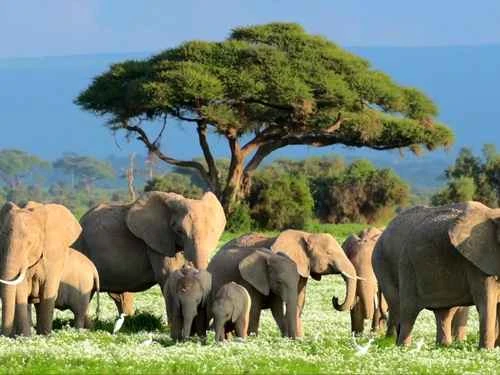
In nature, many animals share striking similarities with humans, from chimpanzees to elephants. They are not only genetically similar but also exhibit similar social, emotional, and cognitive abilities. The existence of these animals reminds us that humans are not isolated from nature but share many common characteristics with other species. By studying these animals that are close to us, we can better understand the evolutionary history of humanity and further explore the nature of our biology and behavior.