In nature, the food chain is a crucial component of the ecosystem. The apex predators, or top predators , have no natural enemies and maintain the balance of the entire ecosystem. This article will explore which animals occupy the top of the food chain and detail their importance in different ecosystems.
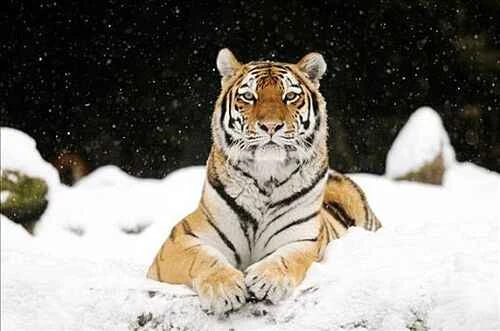
1. Tiger – The apex predator of the terrestrial food chain
1. Species Introduction
Tigers are the largest cat species in the world, found in the forests, grasslands, and wetlands of Asia. As apex predators on the terrestrial food chain, tigers dominate their territories with their immense strength, speed, and agility.
2. Predatory Habits
Tigers prey on herbivores, including deer, wild boar, antelope, and buffalo. They are solitary hunters, typically employing ambush and surprise attacks to capture their prey. A tiger's powerful jaws and sharp claws allow it to easily subdue large prey.
3. Role in the ecosystem
As apex predators, tigers maintain ecological balance by controlling the population of herbivores. Without tigers, the herbivore population would rapidly increase, leading to excessive consumption of vegetation and ultimately disrupting the entire ecosystem.
II. Lion – King of the Grasslands
1. Species Introduction
Lions are known as the "Kings of the Savannah," and they live in the grasslands and savannas of Africa. Lions are the only social cat species, typically living in groups of lionesses led by a single male.
2. Predatory Habits
Lions primarily prey on large herbivores, including zebras, antelopes, and buffalo. They hunt in packs, a social hunting method that greatly increases their success rate. Male lions are responsible for protecting the territory and the pack, while lionesses are the primary hunters.
3. Role in the ecosystem
As apex predators, lions control herbivore populations by hunting, preventing the overexploitation of grassland vegetation. They play a crucial role in maintaining the health and balance of the African savanna ecosystem.

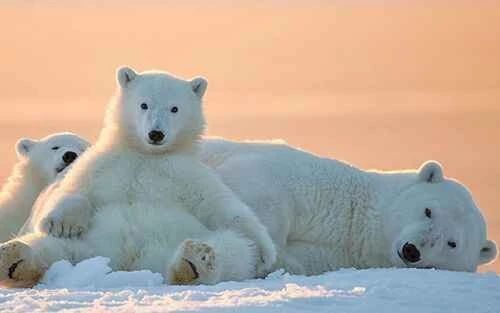
III. Polar Bear – The Invincible Hunter of the Arctic
1. Species Introduction
Polar bears are apex predators living in the Arctic region, renowned for their enormous size and powerful hunting abilities. They are the largest land carnivores in the world, weighing up to 600 kilograms.
2. Predatory Habits
Polar bears primarily prey on seals, especially ringed seals. They hunt in snow-covered environments thanks to their excellent swimming abilities and cold-hardiness, typically lying in wait near the seal's blowhole for their prey to surface.
3. Role in the ecosystem
Polar bears maintain the food chain balance of the Arctic ecosystem by preying on seals and other marine mammals. Their predation behavior affects the population dynamics of seals and other prey, thereby indirectly impacting the health of the marine ecosystem.
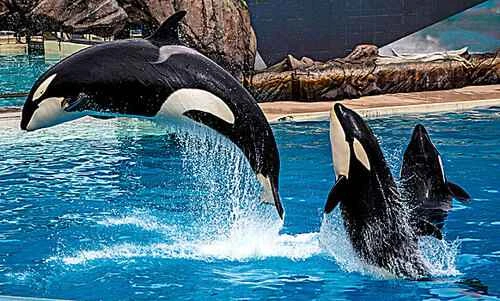
IV. Orca – Top Predator of the Ocean
1. Species Introduction
Killer whales (orcas) are apex predators in the ocean with virtually no natural predators. They are the largest dolphins, possessing highly social group structures and typically living and hunting in family groups.
2. Predatory Habits
Orca have a very broad diet, preying on fish, dolphins, seals, penguins, and even sharks and large whales. They are highly cooperative hunters, using sophisticated strategies to hunt their prey. Different orca groups choose different prey based on their environment and cultural habits.
3. Role in the ecosystem
As apex predators in the ocean, killer whales play a crucial role in controlling the populations and distribution of various species. They regulate the populations of their prey species and maintain the stability of the marine food chain through predation.
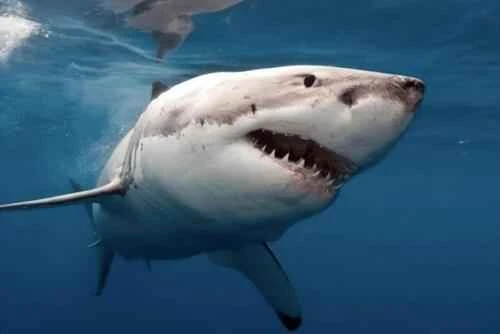
5. Great White Shark – The “White Reaper” of the Deep Sea
1. Species Introduction
Great white sharks are among the most threatening apex predators in the ocean, renowned for their powerful bite and agile swimming speed. They are widely distributed in temperate and subtropical waters worldwide, especially along the coast.
2. Predatory Habits
Great white sharks primarily prey on seals, sea lions, whale calves, and large fish. They typically capture their prey through surprise attacks, relying on their keen sense of smell and ability to detect the electromagnetic waves of their prey, allowing them to accurately locate their targets even in the dark depths of the ocean.
3. Role in the ecosystem
Great white sharks play a vital role in marine ecosystems, controlling prey populations and preventing overpopulation of any particular species. Furthermore, their presence indirectly influences the behavior and habitat selection of other predators.
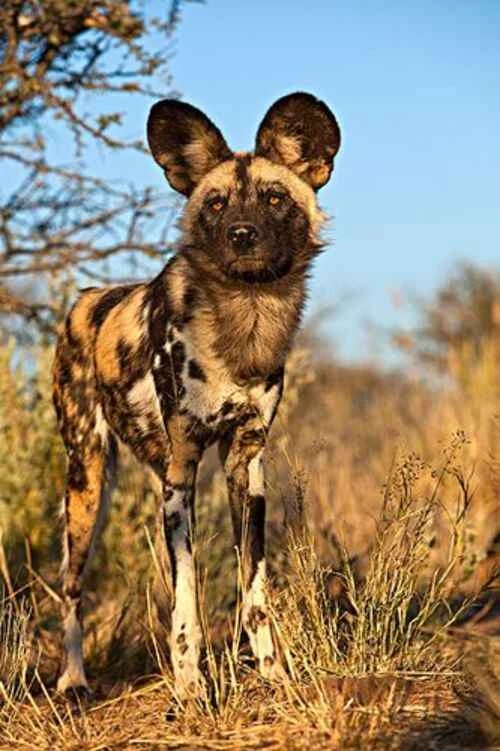
6. African Wild Dog – Tactical Masters of the African Savannah
1. Species Introduction
African wild dogs are among the most efficient hunters on the African savanna, with a hunting success rate of up to 80%. They are highly social animals, living in packs and hunting in teams.
2. Predatory Habits
African wild dogs typically prey on small to medium-sized herbivores, such as gazelles, antelopes, and zebra calves. They are known for their endurance and speed, and usually hunt by chasing and surrounding their prey. The entire pack works in concert to ensure a successful hunt.
3. Role in the ecosystem
African wild dogs play a vital regulatory role in grassland ecosystems. They control prey populations through efficient hunting, preventing damage to the grassland ecosystem. Their hunting also provides food for other scavengers.
7. Bald Eagle – King of the Skies
1. Species Introduction
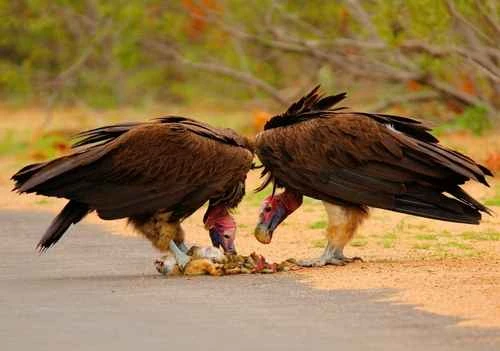
Condors are the top predators in the skies of North America, dominating the airspace with their keen eyesight and powerful flight capabilities. They possess sharp talons and strong beaks, allowing them to easily capture their prey.
2. Predatory Habits
Vultures primarily feed on fish, but they also prey on small mammals, birds, and reptiles. Their hunting methods are varied and flexible; sometimes they swoop down from the air to snatch prey from the water.
3. Role in the ecosystem
Vultures are important ecological regulators, controlling fish and small animal populations through predation. They also maintain the cleanliness of the ecosystem by scavenging, reducing environmental pollution from decaying carcasses.
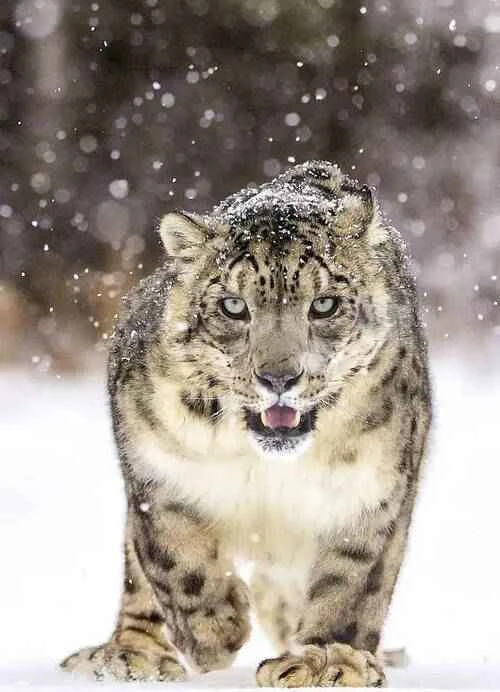
8. Snow Leopard – The Ghost Hunter of the High Mountains
1. Species Introduction
Snow leopards are apex predators living in the high-altitude regions of Central and South Asia, renowned for their exceptional stealth and hunting abilities. They are robust, with thick fur adapted to harsh environments, and typically inhabit high-altitude areas between 3,000 and 4,500 meters above sea level.
2. Predatory Habits
Snow leopards primarily prey on large herbivores such as mountain goats, blue sheep, and wild goats. They approach their prey by ambush and then pounce with incredible speed. Snow leopards possess exceptional endurance, enabling them to track prey for extended periods in extreme environments.
3. Role in the ecosystem
Snow leopards maintain ecological balance by preying on herbivores in high-altitude regions. Their control over prey populations prevents grasslands from degrading excessively, thus protecting the high-altitude ecosystem.
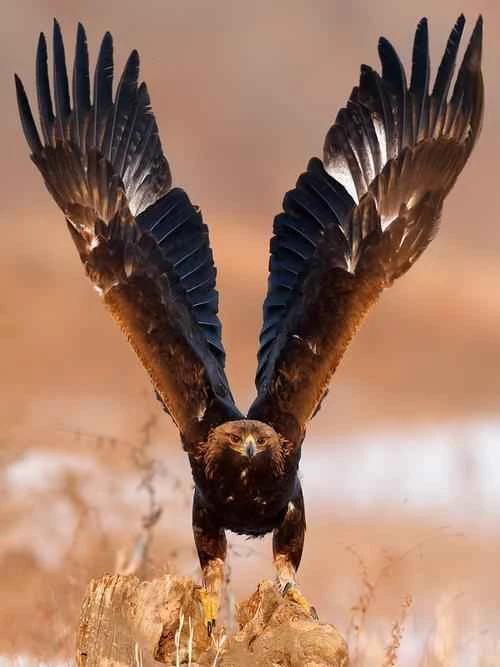
9. Golden Eagle – A high-altitude hunting expert
1. Species Introduction
Golden eagles are among the most threatening birds of prey worldwide, dominating the skies with their exceptional vision and powerful flight skills. They are widely distributed in the mountainous and grassland regions of North America, Europe, and Asia.
2. Predatory Habits
Golden eagles feed on small mammals such as rabbits, squirrels, and snakes, and also prey on other birds and small reptiles. They typically circle high in the air, searching for prey on the ground, before swiftly swooping down to deliver a precise kill.
3. Role in the ecosystem
Golden eagles regulate the populations of small mammals and birds through hunting, maintaining the balance of mountain and grassland ecosystems. Their presence also creates competitive pressure on other predatory birds.
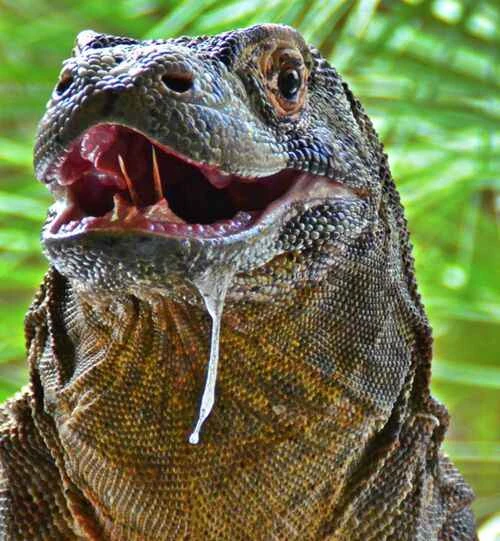
10. Komodo Dragon – Island Ruler
1. Species Introduction
Komodo dragons are large lizards that live in Indonesia, reaching up to 3 meters in length and weighing up to 90 kilograms. They are apex predators in the island ecosystem and have no natural enemies.
2. Predatory Habits
Komodo dragons are opportunistic predators, primarily hunting large animals such as deer, wild boar, and buffalo. They possess an extremely powerful bite and their saliva contains a deadly toxin. They typically bite their prey, wait for it to bleed to death, and then slowly consume it.
3. Role in the ecosystem
Komodo dragons regulate the herbivore population on islands by preying on large animals, preventing the over-consumption of plant resources. They are crucial to the health and stability of the island's ecosystem.
These apex predators not only dominate the food chain and maintain the balance of their respective ecosystems, but have also evolved unique hunting skills and survival strategies. Understanding their behavior and roles not only helps us better comprehend the complexities of nature, but also reminds us to cherish and protect these amazing creatures and their habitats.
From a biological perspective, humans are not entirely at the top of the food chain , because "top of the food chain" usually refers to the apex predator without natural enemies . Although humans have no natural enemies and possess extremely strong technological capabilities in hunting, farming, and food acquisition, their position is more complex. Animals at the top of the food chain often rely on natural instincts and physical abilities to hunt, while humans use technology, agriculture, and tools to alter the food chain and the natural environment.
Why do humans occupy a special position in the food chain?
Omnivorous All-Round Eater : Humans are omnivorous animals with an extremely broad diet, including plants, animals, and other sources of nutrition. Unlike other specialized predators, humans can obtain food through agriculture and animal husbandry, without relying on natural hunting.
Cultural and technological advancements : Unlike other apex predators, humans rely on tools, technology, and social organization to obtain food. Through agriculture, fishing, and animal husbandry, humans do not need to directly hunt wild animals to survive.
Ecosystem Impacts : Human impacts on ecosystems surpass those of other animals in nature. We are not only part of the food chain, but also alter and control the natural environment through pollution, climate change, and invasive species. In many cases, humans play the role of "ecological controllers" through technology.
The definition of the top of the food chain and the difference between humans
In the traditional natural food chain, apex predators like tigers, lions, and sharks occupy their positions at the top through their strength, speed, and hunting skills. While humans lack natural predators, they have altered the structure of the food chain through knowledge, tools, and culture , making it impossible to simply measure them by the standard of "predator."
The complexity of human diet
According to biologists, human eating habits and methods indicate that we are complex omnivores , rather than typical apex predators. We can choose to eat plant-based foods, animal-based foods, and even completely artificial foods.
Conclusion : While humans can be considered apex predators from some perspectives, due to the lack of natural enemies, we control nature more through technology and culture. Unlike traditional apex predators who rely on instinctive hunting for survival, humans occupy their position at the top of the food chain through complex social structures and technology.