In the animal kingdom, eye size is often closely related to an animal's lifestyle. Larger eyes generally mean a wider field of vision and greater sensitivity to light, especially excelling in low-light environments. This article will detail ten animals with the largest eyes, from largest to smallest, whose eyes are not only astonishing in size but also possess extraordinary visual abilities.
1. Colossal Squid – Up to 30 cm in diameter
1. Eye size
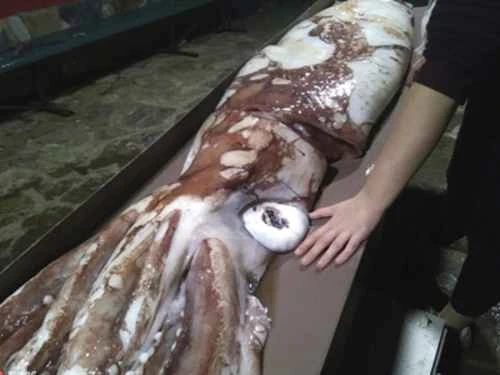
Giant squid possess the largest eyes on Earth, with eyeballs reaching up to 30 centimeters in diameter, almost the size of a volleyball. These enormous eyes help them detect faint light in the extreme darkness of the deep sea, aiding them in finding prey or evading predators.
2. Visual function
Giant squid live in the deep sea, where there is almost no light. Their eyes can detect the faint bioluminescence emitted by other creatures, helping them hunt at depths of hundreds or even thousands of meters. Their large eyes also help them detect predators in the distance, especially natural enemies like sperm whales.
3. Lifestyle Habits
Giant squid live in the deep sea near Antarctica and are rarely seen by humans. Due to the scarcity of food in the deep sea, giant squid have evolved such large eyes that they can hunt efficiently in limited light.
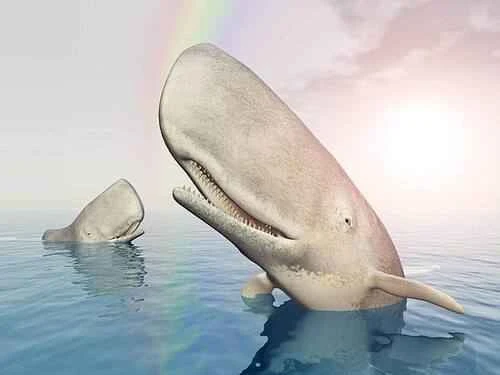
II. Sperm Whale – Up to 17 cm in diameter
1. Eye size
Sperm whales have the second largest eyes on Earth, with eyeballs reaching up to 17 centimeters in diameter. Despite their enormous brains, their eyes have a relatively simple structure, primarily adapted to the visual needs of the deep-sea environment.
2. Visual function
Sperm whales are the largest toothed whales in the world, capable of diving into the deep sea to hunt giant squid. Their large eyes help them locate prey in the deep sea, but they primarily rely on a sonar system , using echolocation to pinpoint the location of their prey.
3. Lifestyle Habits
Sperm whales are giant marine predators that primarily prey on deep-sea squid. Their deep-diving ability allows them to reach depths of over 3,000 meters, an environment that requires them to possess enormous eyes to perceive even the faintest light.
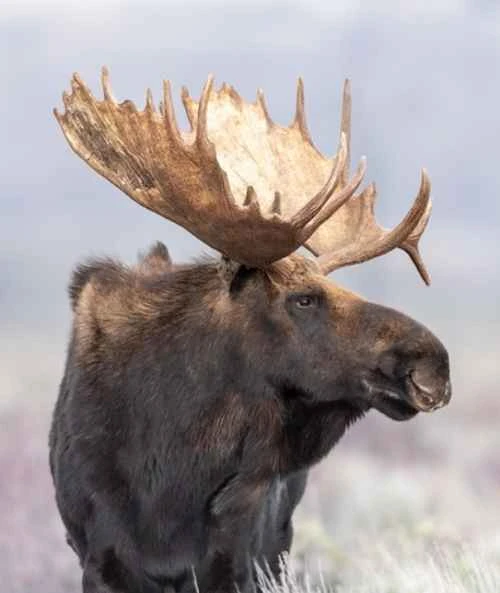
3. Moose – up to 10 centimeters in diameter
1. Eye size
Moose are the largest deer species in North America and Europe, with eyes that can reach 10 centimeters in diameter. Although their eyes are not as large as those of deep-sea animals, they are considered exceptionally large among land mammals.
2. Visual function
Moose have eyes located on the sides of their heads, giving them a wide field of vision, allowing them to observe almost 360 degrees around them. This helps them avoid predators such as wolves and bears in the northern forests.
3. Lifestyle Habits
Moose live in the cold forests of North America, Europe, and Asia. They protect themselves with the wide field of vision of their large eyes and use their keen night vision to find food.
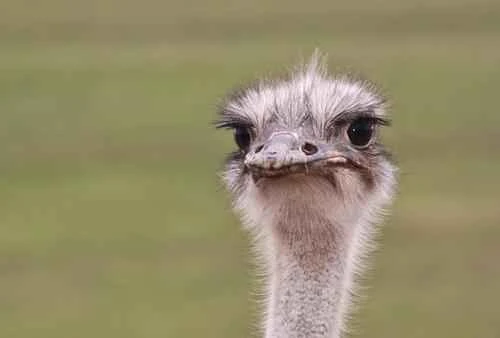
IV. Ostrich – up to 5 centimeters in diameter
1. Eye size
Ostriches have the largest eyes of any land animal, with eyeballs about 5 centimeters in diameter, larger than their brains. These large eyes make ostriches one of the land animals with exceptional vision.
2. Visual function
Ostriches' large eyes give them the ability to observe at long distances. In open grasslands and desert environments, ostriches can spot predators such as lions or leopards from hundreds of meters away. This keen vision helps them react quickly in high-risk environments, enabling them to escape or defend themselves.
3. Lifestyle Habits
Ostriches live in the grasslands and deserts of Africa. Their excellent eyesight and fast running ability allow them to effectively evade predators and ensure their survival.
5. Horse – Approximately 5 cm in diameter
1. Eye size
A horse's eyes are about 5 centimeters in diameter, similar in size to an ostrich's eyes. Their eyes are located on the sides of their heads, allowing them to see almost everything around them.
2. Visual function
Horses' eyes give them excellent lateral vision, with a field of view of almost 350 degrees, allowing them to easily detect threats from behind or the sides. However, their frontal vision is relatively narrow, and they usually turn their heads slightly to observe the scenery in front of them.
3. Lifestyle Habits
Horses are social animals that rely on their excellent eyesight to protect themselves from predators. As herbivores, horses need to constantly monitor changes in their environment through vision so they can escape quickly when danger approaches.

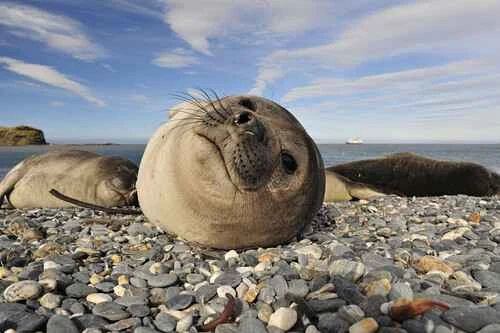
6. Walrus – Approximately 5 cm in diameter
1. Eye size
Walruses have eyes that are about 5 centimeters in diameter, which is relatively large for marine animals. This helps them find food underwater and avoid predators.
2. Visual function
Walruses' vision is not as clear underwater as it is on land, but their eyes are adapted to dim lighting, helping them move around underwater or at night. Their eyes can also withstand strong light reflections, especially sunlight reflected off ice.
3. Lifestyle Habits
Walruses live on the ocean and ice in the Arctic region, relying on their powerful vision and sense of touch (whiskers) to forage in the cold environment. They mainly prey on mollusks, especially clams and shellfish on the seabed.
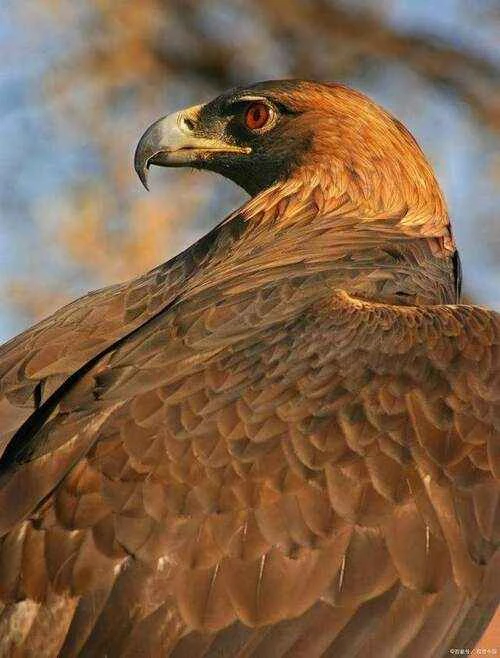
7. Golden Eagle – Approximately 4 cm in diameter
1. Eye size
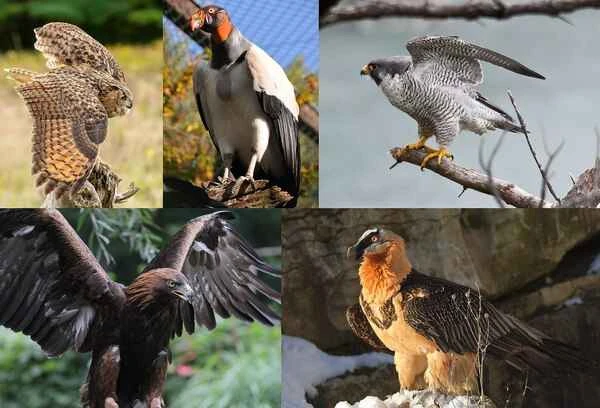
Golden eagles have some of the largest eyes among birds, with eyeballs about 4 centimeters in diameter. These large eyes give them exceptional far-sightedness, allowing them to accurately locate prey from high altitudes.
2. Visual function
Golden eagles have extremely keen eyesight, enabling them to spot prey on the ground, such as small mammals and birds, from hundreds or even thousands of meters in the air. Their eyes have exceptionally high resolution, making them among the most visually powerful birds.
3. Lifestyle Habits
Golden eagles are widely distributed in the mountains and grasslands of North America, Europe, and Asia. They primarily hunt by circling high in the air, searching for prey before swiftly swooping down to capture them.
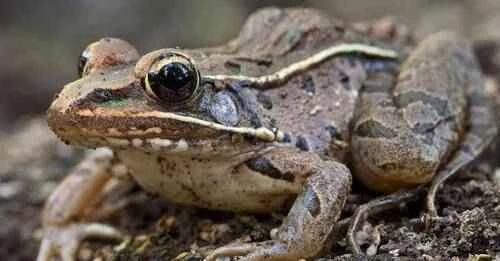
8. Leopard Frog – Eyes are relatively large in diameter compared to its body size.
1. Eye size
Although leopard frogs are relatively small, their eyes are disproportionately large. These large eyes allow them to react quickly in dark environments, especially at night or in shady wetlands.
2. Visual function
Leopard frogs have extremely sensitive eyes, which helps them catch insects at night. Their wide field of vision allows them to quickly spot potential predators and leap away swiftly.
3. Lifestyle Habits
Leopard frogs primarily inhabit wetlands, rivers, and lakes. Their excellent eyesight helps them effectively evade predators such as snakes and birds, and is also a highly efficient tool for hunting insects.
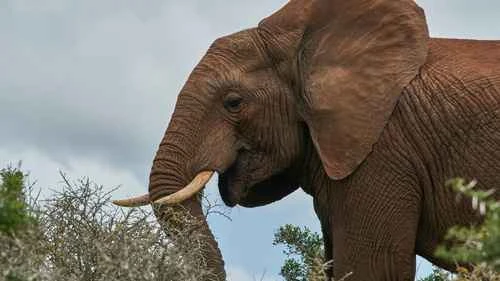
9. Elephant – Approximately 3.8 cm in diameter
1. Eye size
An elephant's eye is about 3.8 centimeters in diameter. Although it is not extremely large, it is still very noticeable relative to its massive body size.
2. Visual function
Elephants have relatively poor eyesight, but they rely primarily on hearing and smell for navigation and communication. While their eyesight is good for close-range observation, their long-distance vision is limited.
3. Lifestyle Habits
Elephants live in tropical and subtropical regions of Africa and Asia. They typically live in groups, relying on strong social structures to protect their herds, and communicate using a combination of sight, sound, and touch.
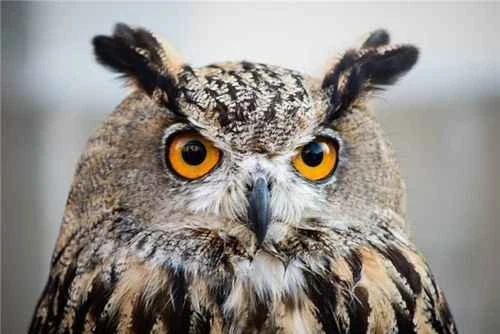
10. Owl – Approximately 3 cm in diameter
1. Eye size
Owls have eyes that are about 3 centimeters in diameter, taking up most of the space in their heads. This makes them experts at hunting at night, especially in low light conditions, where they have excellent night vision.
2. Visual function
Owls' eyes are adapted for nocturnal hunting; their eyes are extremely sensitive to light, enabling them to spot prey in the dark. Owls also possess exceptional depth perception, allowing them to pinpoint the location of their prey precisely while in flight.
3. Lifestyle Habits
Owls live in forests, grasslands, and wilderness areas around the world. They hunt prey such as small mammals, birds, and insects through silent flight.
From giant deep-sea squid to moose on land, these animals with large eyes not only amaze us with the diversity of nature but also showcase the miracle of evolution. Eye size is closely related to an animal's lifestyle and habitat; they adapt to their environment through different visual systems, demonstrating the extraordinary capabilities of biological vision.