In nature, many animals possess mouths with astonishing cleanliness due to their unique structure and function. While animals cannot use toothbrushes and dental floss like humans, their mouths are kept far cleaner than we imagine. This article will explore in detail the animals with the cleanest mouths and how they maintain oral hygiene through unique physiological mechanisms and lifestyle habits.
1. Are dogs' mouths the cleanest? — A common misconception
1. Popular saying
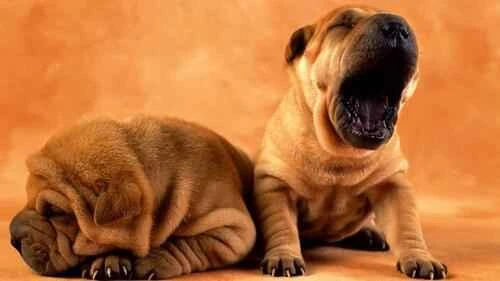
Many people may have heard the saying that "a dog's mouth is cleaner than a human's." This statement is not entirely wrong in some cases, but it cannot be completely accepted either. Dog saliva does contain some enzymes that can inhibit the growth of certain bacteria and even help wounds heal to some extent. However, dogs' eating habits and behaviors (such as licking themselves, the ground, or garbage) result in a diverse and complex variety and quantity of bacteria in their mouths.
2. Composition of dog saliva
Dogs' saliva contains an antibacterial protein called lysozyme , which can break down bacterial cell walls and prevent infection. This biological characteristic gives a dog's mouth a degree of self-cleaning function. However, a large number of bacteria still remain in a dog's mouth, especially after they come into contact with contaminants or ingest unclean objects.
Therefore, although dogs' mouths contain some natural antibacterial components, they are not the cleanest mouths.
II. The Shark's Mouth – A Miracle of Self-Repair
1. Shark oral cavity structure
The shark's mouth is an amazing evolutionary achievement in nature. Although sharks are apex predators, feeding on other marine life, their teeth constantly fall out and regenerate, growing a new row of teeth every so often. This physiological characteristic not only ensures they have sharp teeth for hunting but also prevents their teeth from becoming infected from prolonged use.
2. Self-cleaning teeth
Sharks have teeth covered with a special antibacterial film that reduces the accumulation of bacteria in the mouth. Therefore, despite their diet of decaying or live prey, sharks' self-cleaning ability helps them avoid significant bacterial infections.
3. Antibacterial proteins
Sharks' mouths also contain various antibacterial substances that effectively resist infection. This keeps their mouths relatively clean, even though they live for extended periods in the bacteria-rich ocean.

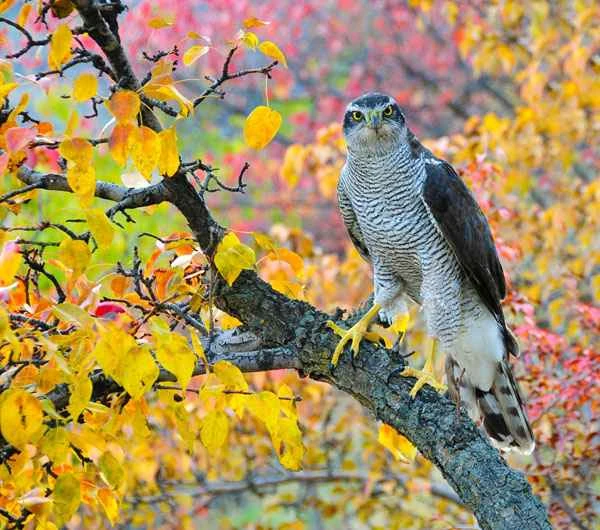
III. Birds' beaks – a limited breeding ground for bacteria
1. The advantage of birds not having teeth
Birds are the only vertebrates without teeth, and the structure of their beaks makes it much harder for bacteria to multiply. Birds have smooth, hard beaks, free from the problems of teeth and cavities, and therefore rarely have oral hygiene issues. Birds eat directly through their esophagus, so food doesn't remain in their mouths for long periods, which also reduces the opportunity for bacteria to multiply.
2. Cleaning behavior
Many birds clean their beaks by bathing or rubbing them with twigs; they not only value the hygiene of their own feathers but also clean their beaks regularly. This self-cleaning behavior greatly reduces the accumulation of germs.
3. Composition of bird saliva
Although birds produce less saliva, their saliva contains enzymes that help digest food, and its relatively mild nature reduces the environment for bacterial growth in the mouth.

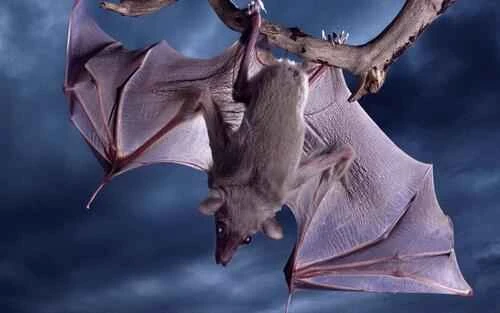
IV. The Bat's Mouth – Surprisingly Clean
1. Oral cleanliness of vampire bats
Vampire bats are known for their unique diet (primarily feeding on the blood of other animals). While this behavior might lead one to believe their mouths are teeming with germs, the opposite is true. Bats' mouths contain various antibacterial components that prevent them from contracting pathogens from feeding on blood.
2. Antithrombin and antibacterial properties
Vampire bat saliva contains an antithrombin called draculin, which not only keeps blood flowing but also has antibacterial effects. This enzyme prevents bacteria from growing in the mouth and helps bats avoid diseases caused by infection.
3. Biological adaptability
Bats have long fed on blood and have evolved a highly adapted oral environment capable of handling large numbers of bacteria without affecting their health. Their oral cavity has a remarkably strong self-cleaning ability.
V. The anteater's mouth – a unique protective mechanism
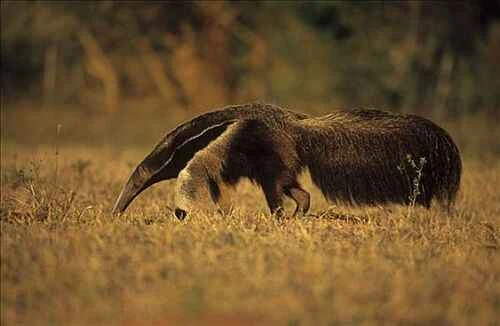
1. Long tongue and edentulous oral cavity
Anteaters feed on ants and termites, and their oral cavity structure is very unique. Anteaters have no teeth; they use their long tongues to catch food, and their tongues are covered in a sticky substance that effectively traps their prey. This toothless oral cavity structure makes it difficult for bacteria to attach to their mouths.
2. Antibacterial saliva
Anteaters' saliva is rich in antibacterial components, which can kill or inhibit bacteria that grow in their mouths. Furthermore, since anteaters have no teeth, they don't need to worry about food residue, which keeps their mouths consistently clean.
3. Unique eating habits
Because anteaters only eat small insects, their food doesn't stay in their mouths for long. This eating habit helps them avoid many oral diseases.
VI. Oral Hygiene in Felines – Self-Cleaning Predators
1. Licking behavior in felines
Lions, tigers, domestic cats, and other felines are known for their self-grooming behavior. Felines not only groom themselves with their tongues but also regularly lick their mouths and surrounding areas, which helps remove food debris and maintain oral hygiene.
2. Antibacterial saliva
Cats' saliva contains lysozyme, which helps break down harmful bacteria in their mouths. This allows cats to maintain oral hygiene in nature, and even though they eat meat, bacteria don't easily grow in their mouths.
3. Hunting techniques to reduce food residue
When hunting, felines use their sharp teeth to quickly tear their food apart. Their eating method results in less food residue in their mouths, which helps prevent bacterial growth and oral infections.

7. Tasmanian Devil – Natural Cleaner
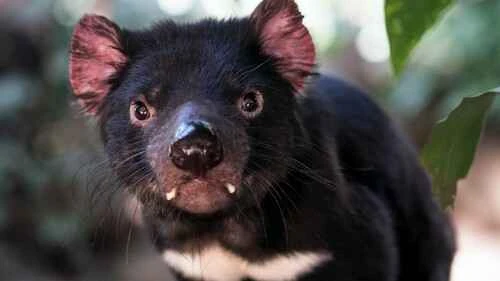
1. The clean oral cavity of scavengers
Tasmanian devils are scavengers that feed on decaying carcasses. Despite frequently ingesting decaying animal carcasses, their mouths are remarkably clean. Their saliva has strong antibacterial properties, helping them eliminate bacteria generated from rotting food.
2. Antibacterial proteins in saliva
Tasmanian devils' saliva contains a variety of antibacterial proteins that can inhibit the growth of a large number of pathogens in the mouth, preventing them from getting infected after eating carrion.
3. Cleaning behavior
Tasmanian devils also clean their mouths by licking, which allows them to remain healthy even in harsh living environments.
In nature, different animals maintain relatively clean oral environments through their unique physiological mechanisms, dietary habits, and behaviors. Animals such as sharks, bats, birds, and felines demonstrate excellent oral hygiene, while many scavengers rely on the antibacterial components in their saliva to protect themselves from bacterial infections. Therefore, while humans need to brush their teeth to maintain oral hygiene, some animals in nature possess innate oral cleaning abilities.