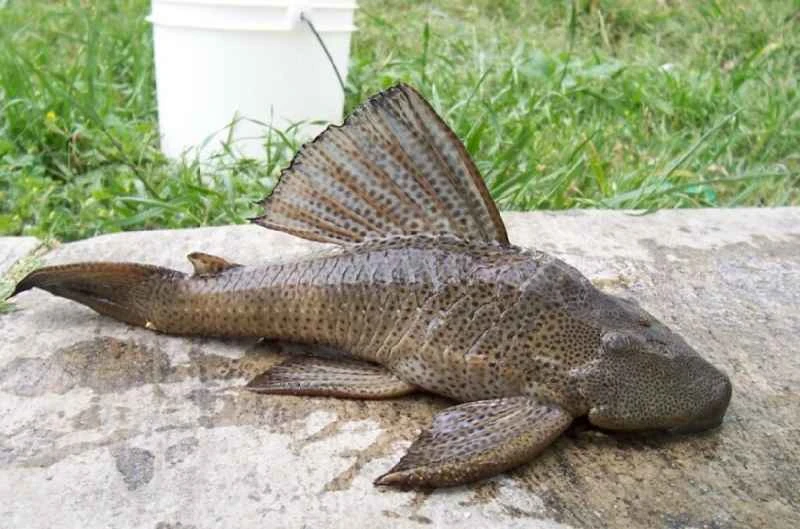
The pleco ( Hypostomus plecostomus ), commonly known as the suckermouth catfish or pleco , is a species native to rivers in Central and South America. These freshwater fish require a specific aquarium environment that closely resembles their natural habitat to thrive. Plecos are cold-hardy and adaptable, tolerating a wide range of water qualities and temperatures, making them excellent aquarium companions for many other species.
Natural habitat of plecos
In their natural environment, plecos are found throughout the rivers of Costa Rica, Panama, and South America. Their habitats change with seasonal rainfall, and water levels rise and fall throughout the year. The fish's ability to adapt to these changing conditions is remarkable. When riverbeds dry up, the fish have developed unique survival characteristics:
| adapt | describe |
|---|---|
| Breathing through the skin | Fish can absorb oxygen through their skin. |
| crawling on land | These fish can crawl across land to find more suitable bodies of water. |
| Long time away from water | If they store oxygen in their abdomen, they can survive outside the water for 30 hours . |
| Reproduction | They breed in deep caves, laying 300 eggs at a time. |
In addition, fish can sometimes be seen gulping air at the surface of the water. This is how they ensure they store enough oxygen in their bodies to survive during periods of low oxygen levels or outside the water.
Scavenger pleco is an invasive species
In the United States, plecos are now considered an invasive species due to their deliberate release by fishkeepers in Texas , Florida , and other states. Plecos were introduced to US waters by aquarium enthusiasts and fishkeepers with the aim of controlling algae growth in aquariums. However, these fish have thrived in North America, far exceeding their native range in Central and South America .
| There are states in the US where Pleco exists. | Common Invasion Areas |
|---|---|
| Texas | Invasive populations found in various rivers and lakes |
| Florida | Released by aquarium enthusiasts in warm freshwater areas |
| Arizona, Colorado, Connecticut, Hawaii, Louisiana, Nevada, Pennsylvania | States where Plecos has been found outside its natural habitat |
Today, Hypostomus plecostomus is considered one of the most widely distributed fish in the Loricariidae family, with populations in North America and native ranges in Central and South America.
Plecostomus in captivity
Due to their docile nature and algae-eating habits, plecostomus are very popular in aquariums . However, they require larger tanks because they can grow up to 2 feet long. Ideally, an adult pleco should be housed in a tank of at least 75 gallons . Here are some important considerations for maintaining a healthy habitat for this species in captivity:
| Require | Detailed information |
|---|---|
| Fish tank size | At least 75 gallons are needed to hold their size. |
| water temperature | The ideal temperature range for plecos is 68°F to 82°F . |
| pH value | The range between 6.5 and 8.0 is suitable for plecostomus. |
| Filter | High-power filters ensure strong water flow, clean water quality, and high oxygen content. |
| Fish tank decoration | This includes driftwood , because plecos need to chew it to stay healthy. |
| plant | Safe and hardy living plants, as plecos may dig them up. |
Plecos require very little supplemental feeding if there is leftover food from their aquarium companions. They are primarily omnivorous benthic animals , feeding on algae and organic matter.
Pleco Aquarium Companion
While plecostomus are gentle fish and generally get along well with other species, they should not be kept with other plecos. They tend to be territorial and cannot tolerate other species in confined spaces. However, plecos make excellent aquarium companions for many other fish species.
| Compatible aquarium companion | fish |
|---|---|
| Cichlids | Including popular species such as the Oscar fish |
| Angelfish | Peace fish that gets along well with plecos |
| Douyu | They are usually kept in a larger aquarium with plecos. |
| Barbed fish, silkworm, guppy | Smaller, gentler fish get along well with plecos. |
| Other catfish species | Ideal for creating a balanced aquarium environment |
Conclusion: Habitat and care of plecos
Providing a suitable habitat for plecos is crucial for their health. They are highly adaptable to a wide range of water qualities, but require special care in captivity, including appropriate aquarium size, water quality, and food. While plecos help control algae and are compatible with many fish, they should ideally be kept alone or with a non-aggressive aquarium companion. By replicating their natural river habitat and providing them with the right environment, you can ensure your plecostomus thrives in both the wild and aquariums.