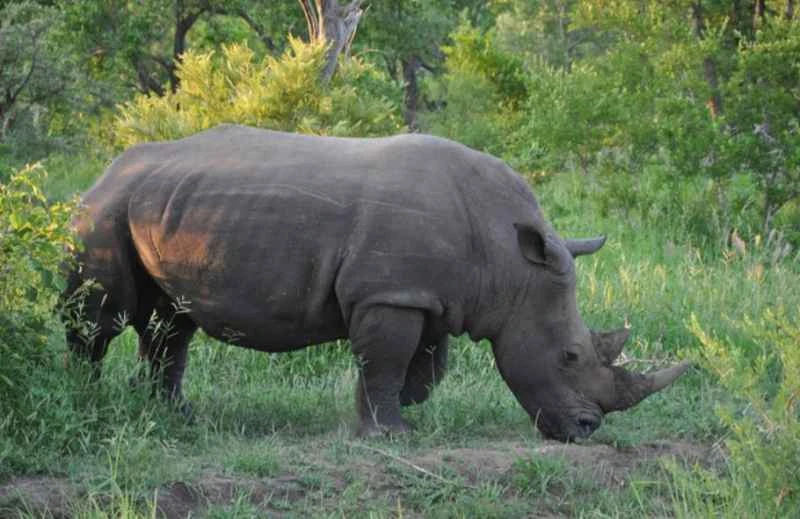
1. Rhinoceros
The greatest threat to rhinos is humans. This is mainly because rhino horns are used to make traditional medicine. In fact, rhino horns have the same structure as fingernails, and many poachers will stop at nothing for profit, causing a sharp decline in rhino numbers. Currently, there are more than 25,000 rhinos living in the wild in Africa and Asia, and more than 2,000 in zoos. Of the five existing rhino species, two are on the verge of extinction, and the other three are also threatened.
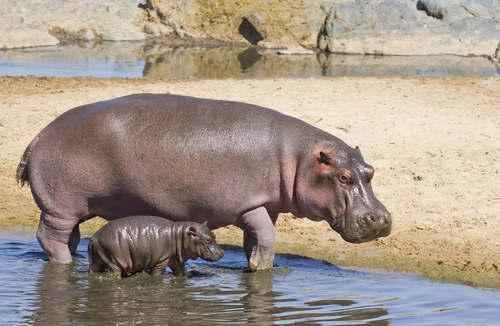
2. Hippopotamus
Hippos are among the oldest living creatures on Earth. They roamed the planet 55 million years ago. They are likely one of the few animals to survive any catastrophe that has ever occurred on Earth. Common threats to hippos include illegal and unrestricted hunting for meat and teeth, and habitat loss. Although not all species of hippos survived on Earth, it is believed that at least three species went extinct around 1,000 years ago. While many researchers believe there are many more extinct species, their remains have never been found.
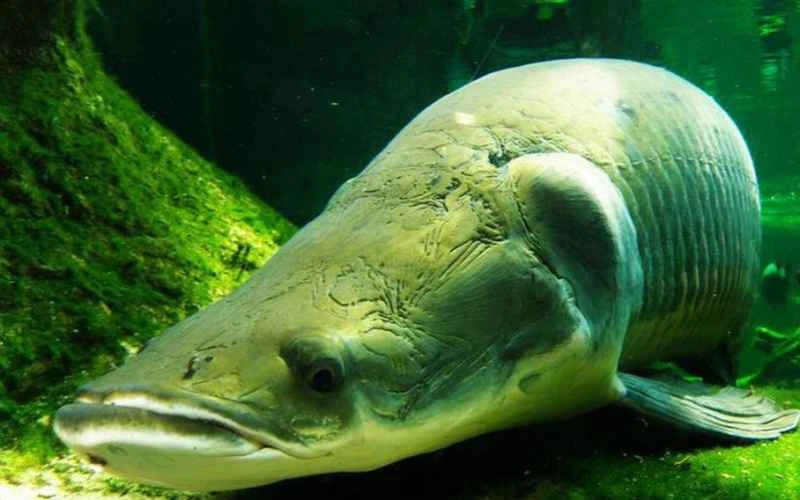
3. Arapaima
The arapaima is a surviving ancient freshwater fish, believed to have first appeared 100 million years ago. Possessing immense strength, it uses its tail as a weapon, easily knocking down adult males and shattering their bones, causing extensive internal injuries. A giant, air-breathing fish, some adult specimens can weigh hundreds of kilograms and sometimes exceed 4 meters in length. Its flesh is delicious and boneless, making it a target of intensive fishing since the early 18th century.
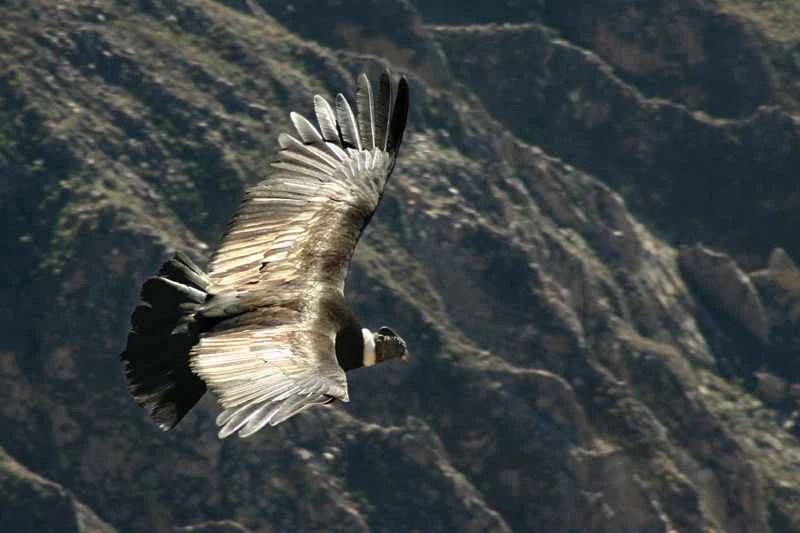
4. Andean condor
The Andean condor is considered the largest flying bird and therefore the largest bird of prey in the world, hence its name "Andean Eagle." Andean condors excel at long-distance flight, covering distances of over 200 kilometers, departing at dawn and returning by dusk, feeding only on carrion such as seals. They are adept at soaring, utilizing updrafts in the mountains to gain altitude and silently traverse ravines and rivers.
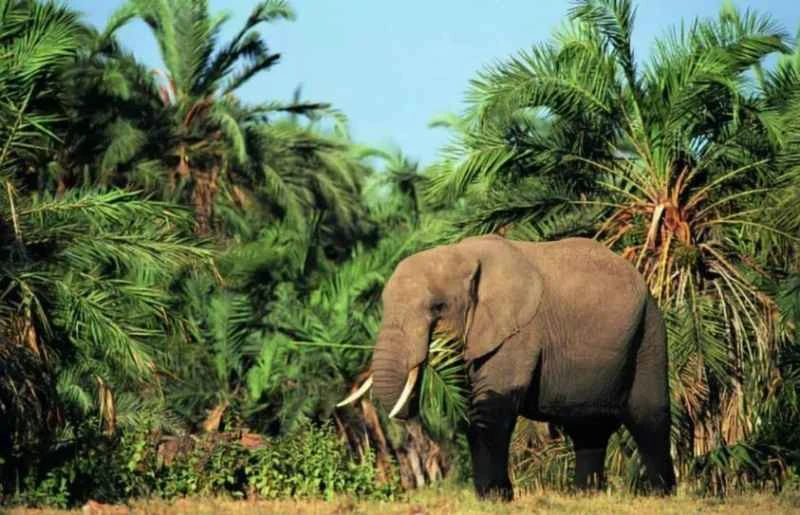
5. Elephant
Historical records indicate that elephants have long been friends of humans and have provided them with assistance. Elephants are highly intelligent, capable of clearing territory and burying their deceased companions among fallen leaves and branches. They have long lifespans, typically living to around 70 years old. Currently, elephants are listed as one of the world's ten most threatened species by trade. To protect endangered elephants, countries like Kenya have called on this conference to implement a 20-year ban on the ivory trade, curb illegal ivory trafficking, severely punish poaching, and prevent elephant extinction.
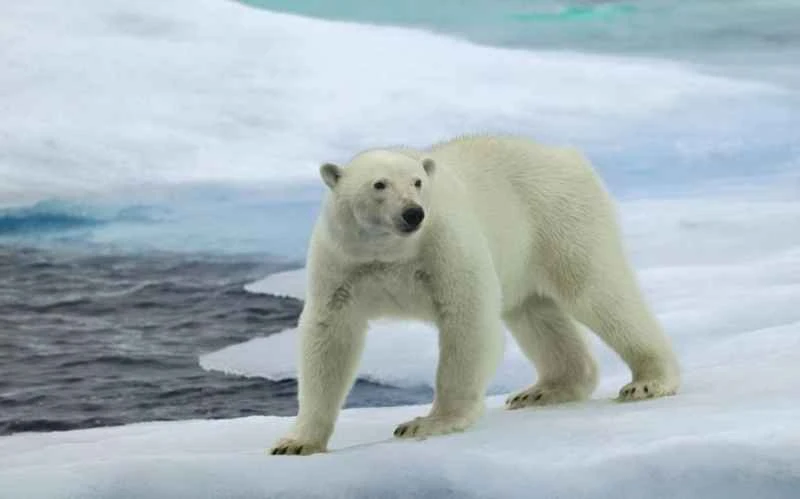
6. Polar bear
Polar bears are distributed throughout the ice-covered waters of the Arctic Circle. In areas where Arctic sea ice melts completely each summer, polar bears are forced to spend several months on land, where they primarily feed on stored fat until the sea freezes again. Polar bears in different regions exhibit very little genetic variation, making them vulnerable to total extinction in the face of climate change crises due to their lack of genetic diversity.
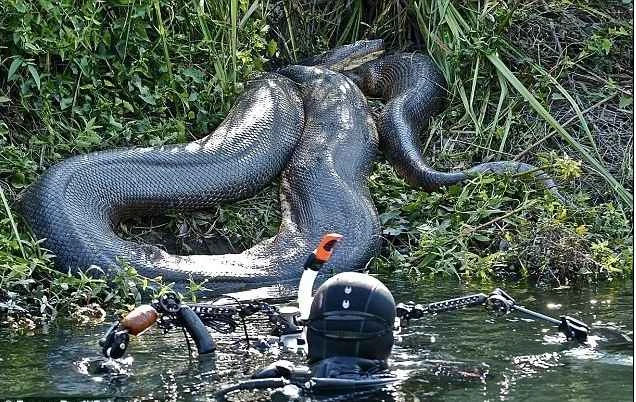
7. Amazonian anaconda
The Amazonian anaconda is the largest snake in the world, inhabiting South America. It can reach lengths of over 10 meters and weigh over 225 kilograms, as thick as an adult male's torso; however, the average anaconda is around 5 meters long. Anacondas are aquatic, typically inhabiting muddy banks and shallow waters, preying on water birds, turtles, capybaras, caimans, tapirs, and other marine prey.