Lamb is categorized into three types: goat meat, sheep meat, and wild sheep meat. It not only helps ward off the cold season but also provides ample energy. Therefore, lamb is considered a top-quality winter tonic. Among lambs, those from Inner Mongolia are particularly famous. So, where in Inner Mongolia can you taste the most delicious lamb? This article compiles a ranking of Inner Mongolian lamb, including Ujimqin lamb, Etuoke Albas goat meat, Xiqi lamb, Hangjin Banner Talagou goat meat, Siziwang Banner Dumeng lamb, Sunite lamb, Urank lamb, Ordos fine-wool sheep, Siziwang Banner Gobi sheep, and Hetao Bamei lamb, among others. Let's learn about some of Inner Mongolia's famous lamb breeds and related information!
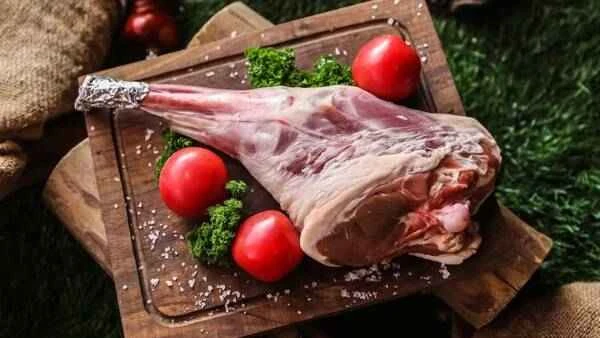
1. Ujumqin mutton (origin: Xilinhot City, Xilingol League)
Ujumqin sheep graze on the lush Ujumqin grasslands, and through long-term natural selection and artificial breeding, have become a superior breed of Mongolian sheep. They thrive in the ecological environment of the Ujumqin meadow and dry steppes, enjoying a unique climate and high-quality forage, while living in a pure, natural, and pollution-free environment. Ujumqin sheep are primarily raised through natural grazing, preserving the characteristics of their pure, natural feed.
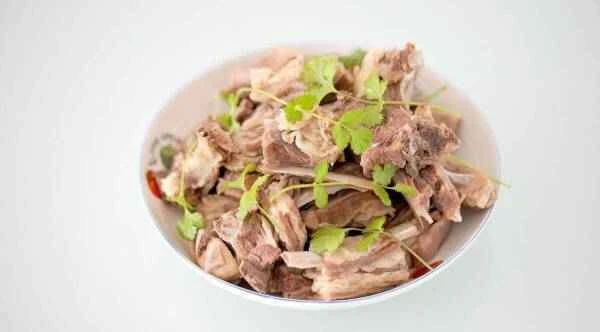
Ujumqin mutton has a rich aroma, tender texture, and refreshing taste. Compared to ordinary mutton, it has a lower moisture content and a significantly higher mineral content. As a valuable mutton resource in China, Ujumqin mutton has been awarded the title of "Green Food" by the National Green Food Development Center and has met the standards for organic (natural) food.
2. Otog Albas Goat Meat (Origin: Otog Banner, Ordos City)
Otog Albas goat meat is one of the most beloved and delicious goat meats in Inner Mongolia, renowned for its excellent color, aroma, and flavor. Local herders affectionately call it "self-seasoning." The unique geographical environment and natural conditions of Otog Banner nurture the exceptional quality of Otog Albas goat meat. Its meat is tender and juicy, with thick, compact layers of meat, rich in protein, low in fat, abundant in amino acids and iron, while also being low in cholesterol, free of any gamey odor, offering a pleasant taste, rich aroma, and unique flavor.
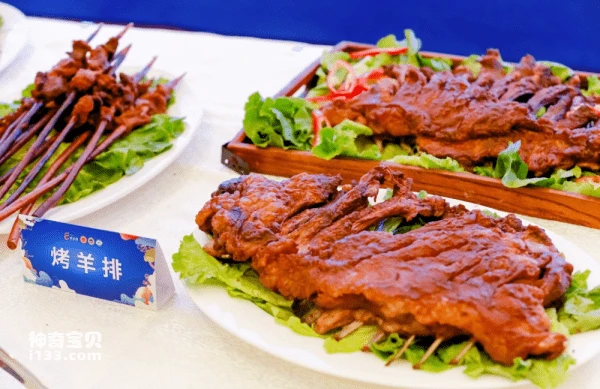
For a long time, Etuoke Banner has developed a unique food culture, among which "hand-pulled mutton," "roasted whole lamb," and "dried mutton" are the most famous. These delicacies are highly praised by diners and have become a shining symbol of Etuoke Banner to the whole country and even the world. No matter when you taste them, they will leave you speechless with delight.
3. Xiqi mutton (origin: Xinbaerhu Right Banner, Hulunbuir City)
The Xiqi sheep thrive on the grasslands of Xin Youqi, enjoying superior environmental conditions. They graze on alkali grasses rich in various Chinese medicinal herbs and drink clear river and spring water. This natural free-range method ensures their pollution-free quality, giving them outstanding intrinsic qualities. Xiqi mutton is delicious, without any gamey smell, and rich in nutrients, thus enjoying a good reputation.
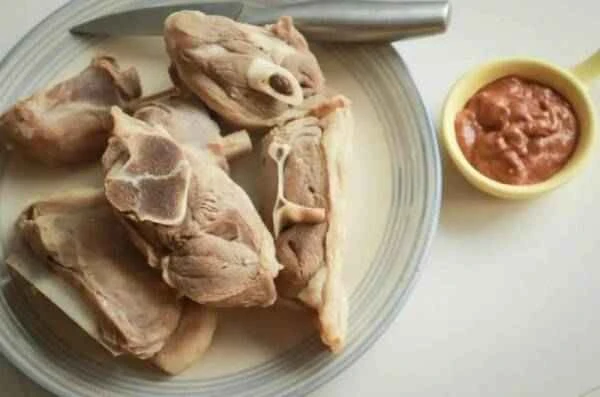
Xiqi mutton has a low water content, high protein and fat content, a high lean meat ratio, and evenly distributed intramuscular fat. It is rich in various amino acids needed by the human body, especially glutamic acid and aspartic acid, which are relatively abundant. This makes Xiqi mutton tender and delicious with a unique flavor. Furthermore, it is easily digestible, making it a high-quality ingredient for delicious hot pot mutton and hand-pulled mutton. In the cold winter, regular consumption of mutton can increase physical strength and promote blood circulation, helping to resist the cold and benefiting health.
4. Hangjin Banner Talagou Goat Meat (Origin: Hangjin Banner, Ordos City)
The main production area of Talagou goat meat in Hangjin Banner is located in Hangjin Banner, Ordos City, and it is known locally as "ginseng among meats." Hangjin Banner is situated in the northwest of the Ordos Plateau, and its unique ecological environment fosters over a hundred kinds of natural pasture grasses, including wild onions, tamarisk, and licorice. It is also a rich source of over twenty kinds of natural Chinese medicinal herbs, such as honeysuckle, rootless grass, and scutellaria. Rivers flow quietly across the grasslands, rich in various trace elements and minerals. The Talagou goats of Hangjin Banner graze on abundant herbs and enjoy pure spring water. The traditional free-range farming methods of the Mongolian nomadic people have been maintained to this day, resulting in goat meat that is free of muttony odor and low in alcohol and fat.
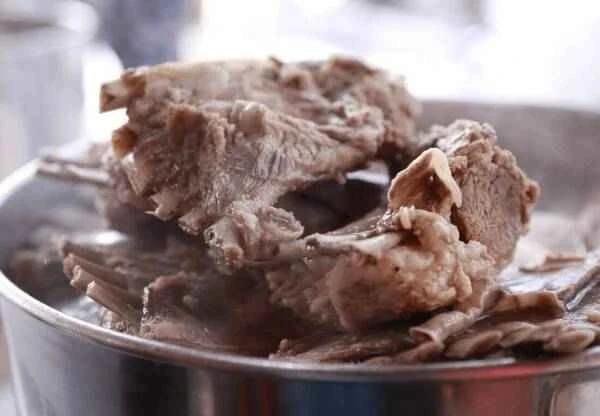
The meat of the Talagou goat from Hangjin Banner is delicate in texture, with a moist but not sticky surface when cut. After boiling, the broth is clear and transparent, without any visible impurities. It has a fresh and fragrant taste, is rich in nutrients, and is considered nourishing and restorative.
5. Du Meng Mutton from Siziwang Banner (Origin: Siziwang Banner, Ulanqab City)
The Siziwang Banner Dumeng sheep is a high-quality meat sheep breed developed through more than ten years of artificial crossbreeding, using black-headed Dorper rams and local Gobi sheep. It is lean-type, cold-resistant, hardy, suitable for grazing, and grows rapidly.
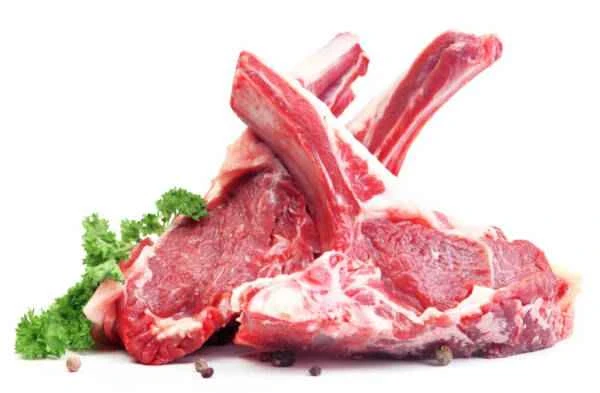
The meat of the Dumeng sheep from Siziwang Banner is of exceptional quality. The meat is bright red or deep red with a glossy sheen, the fat is milky white, and the meat is firm and substantial. It is slightly dry or has a dried film on the surface and is not sticky. It has the normal aroma of fresh mutton. After boiling, the meat becomes clear and transparent, the fat gathers on the surface, and it releases a fragrant aroma. The protein content exceeds 20%, while the fat content is only 6-6.5%. Moreover, it has a high content of unsaturated fatty acids, and the fat quality is excellent, making it unique among mutton.
6. Sunite mutton (origin: Sunite Left Banner, Xilingol League)
Sunite mutton is a specialty of Inner Mongolia, belonging to a specific group within the Mongolian sheep breed. It is renowned for its high meat yield and lean meat content, and is considered one of the top ten most delicious mutton dishes in Inner Mongolia. Sunite sheep frequently graze on clump-forming grasses and alliums, resulting in tender, juicy meat without any unpleasant odor. The meat is thick and compact, rich in protein, low in fat, and with evenly distributed intramuscular fat.
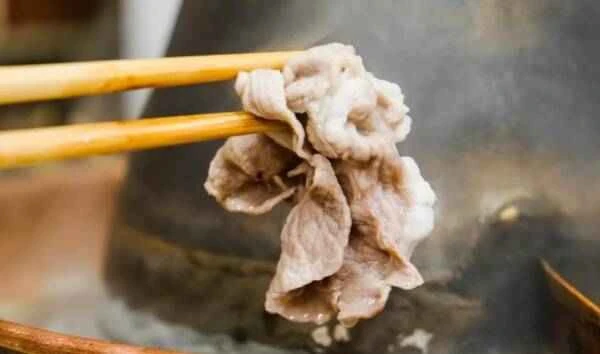
Therefore, it is the best raw material for making hot pot lamb, and it is highly praised and warmly welcomed by diners at home and abroad. Sunite lamb is rich in various amino acids and fatty acids needed by the human body, especially glutamic acid and aspartic acid, which are present in higher amounts than in other lambs. Because of this, Sunite lamb has a rich umami flavor and a particularly good taste. It was once a tribute to the imperial palaces of the Yuan, Ming, and Qing dynasties, and it is also the lamb exclusively used by the famous "Donglaishun" hot pot restaurant in Beijing.
7. Urank sheep (origin: Abaga Banner, Xilingol League)
The Urank sheep is a specialty of Abaga Banner, Xilingol League, Inner Mongolia. Developed through natural selection and artificial breeding, it is a unique breed of Mongolian sheep. It lives in pastoral areas with abundant needlegrass, sheepgrass, crested wheatgrass, artemisia, and sedge, where the water quality is excellent. In particular, the springs in many areas are rich in various minerals and trace elements.
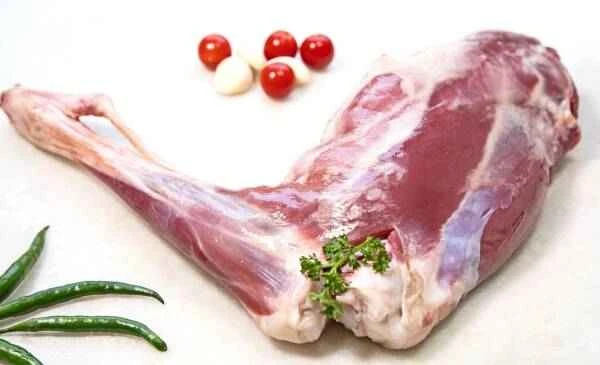
Local legend has it that the Urank sheep drink "mineral water" and eat "Chinese herbal medicine," which gives them rich nutrition and a unique taste. Urank mutton has a protein content of over 21.0 grams per 100 grams, an average subcutaneous fat content of 17.0 grams per 100 grams, and a total amino acid content of approximately 19.0 grams per 100 grams. Consuming it not only provides nutrition but also enhances health.
8. Ordos Fine Wool Sheep (Origin: Uxin Banner, Ordos City)
Ordos fine-wool sheep is one of the most famous sheep breeds in Inner Mongolia. It is characterized by its rich aroma, vibrant color, non-greasy texture, thick layers of meat, and excellent taste. The Uxin Banner Ordos fine-wool sheep was developed based on the long-standing tradition of Mongolian sheep in the region. It possesses excellent environmental adaptability, good resilience, tolerance to extensive feeding and management, drought resistance, and rapid recovery.
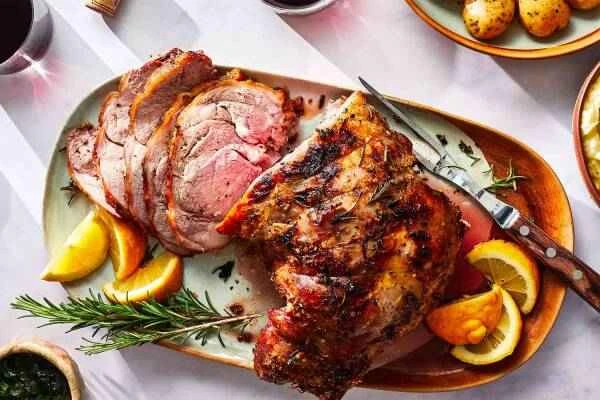
Ordos fine-wool sheep is a valuable multi-purpose breed, with its meat, wool, and hide all having uses. Not only is the meat delicious and nutritious, but the wool is also uniformly fine, noticeably curly, and has a moderate grease content, giving it a white appearance. Furthermore, Ordos fine-wool sheepskin possesses excellent thickness, strong elasticity, and softness, making it an ideal raw material for leather products.
9. Siziwang Banner Gobi Sheep (Origin: Siziwang Banner, Ulanqab City)
The unique geographical environment and natural climate of Siziwang Banner have created the unique quality of Gobi mutton, making it one of the most delicious muttons in Inner Mongolia. The mutton is tender, high in lean meat, low in fat, delicious and juicy, rich in protein, has a full-bodied taste, no gamey smell, and a rich aroma and unique flavor.
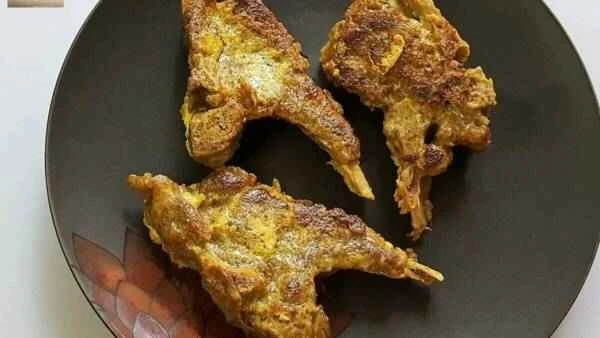
Nutritional analysis of 100 grams of Gobi mutton revealed the following: protein content exceeding 19%, fat content below 10%, calcium content exceeding 4.4%, iron content exceeding 1.80%, zinc content exceeding 4.7%, and total amino acid content exceeding 18%, earning it the nickname "little ginseng." On November 5, 2015, my country's Ministry of Agriculture approved "Siziwang Banner Gobi Sheep" as a national geographical indication protected product.
10. Hetao Bamei mutton (origin: Bayannur City)
Hetao Bamei sheep are a breed produced in the agricultural areas of Bayannur City, including Urad Front Banner, Middle Banner, Rear Banner, Wuyuan County, Hangjin Rear Banner, and Linhe District. They are an excellent product of crossbreeding multiple breeds. Hetao Bamei sheep meat is tender, with an excellent texture and delicious flavor. Every 100 grams of meat contains approximately 20.2% protein, 61.6 mg/kg calcium, 24.6 mg/kg iron, and 38 mg/kg phosphorus, with a suitable fatty acid ratio, exhibiting extremely high nutritional value.
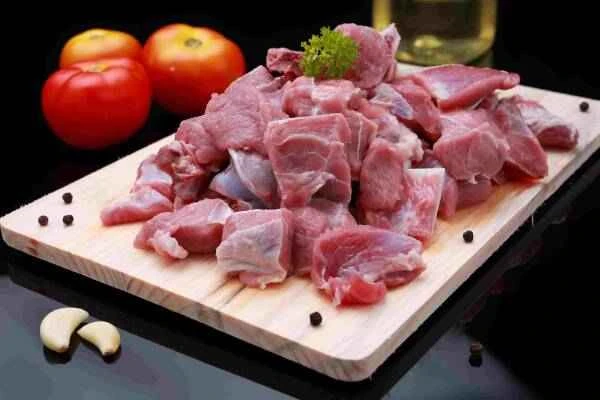
In Bayannur City, the Hetao Bamei sheep are mainly raised using stall feeding or semi-stall feeding methods. By combining breeding and planting, the advantages of integrated farming in agricultural areas are fully utilized, resulting in abundant grain and grassland, sufficient livestock, and increased farmland fertility, thereby promoting the development of ecological agriculture.
The list of Inner Mongolia's top ten delicious lamb dishes is based on the national geographical indication protected products and national agricultural product geographical indication protected products lists published by relevant departments. It takes into account the reputation, quality, and public awareness of the geographical indication products both online and offline, and also refers to relevant internet rankings/lists. The list is for reference only and is not ranked in any particular order. If you have any questions, please feel free to comment/criticize at the end.