In different eras, animals needed different survival skills to survive. Once, enormous size and ferocious behavior were among the most important characteristics of animals. Ancient times saw the existence of some of the largest, strongest, and even most peculiar animals. This article will introduce ten ancient giants, including the moa, pliosaur, giant ape, and helicoprion, hoping it will be helpful to you!
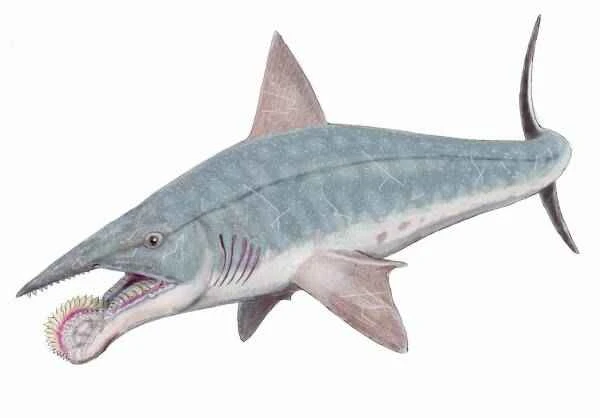
1. Helicoprion
Helicoprion gets its name from the Greek words "helico" (spiral) and "prion" (saw). The name refers to its unique tooth structure. These teeth are arranged in large to small spiral rings, like a powerful milling cutter, giving it a chilling appearance. However, the problem lies precisely with these teeth. Since Helicoprion was discovered, the exact location of its teeth within the shark's body has been a subject of debate. This is because no other extant shark or vertebrate has been found to possess this spiral tooth structure.
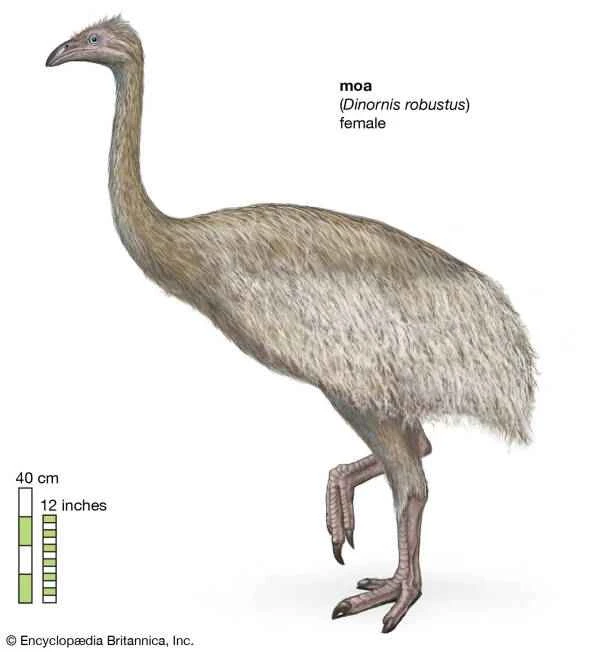
2. Moa
The moa was one of several giant, flightless birds in New Zealand's history. Originally named by the famous British anatomist Irving, its name means "frighteningly large bird." Based on DNA reconstructions from museum collections, we now know of ten species of moa of varying sizes, including two enormous species. The giant moa was the largest, reaching up to 3 meters in height, taller than an ostrich. Smaller moas were only the size of a turkey. Among the giant moas, which averaged about 3 meters in height, the largest individuals were about 3.6 meters tall and weighed about 250 kilograms. Around 3 million years ago, the giant moa was considered the tallest bird in the world. Although their forelimbs had degenerated, moas still possessed a large body and short, stocky hind limbs. However, due to their enormous size, they were far less efficient runners than ostriches.
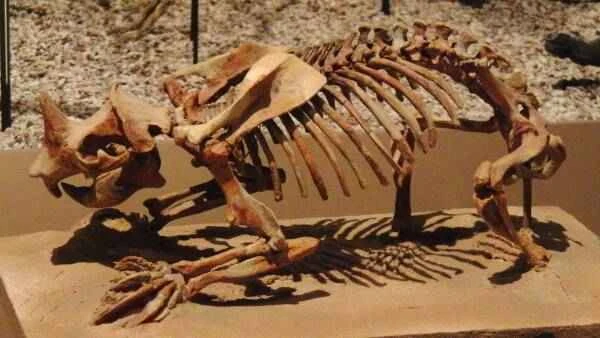
3. Horned hamster
The horned burrowing vole, also known as the "rodent rhinoceros," is one of the smallest horned mammals. They are rodents with a pair of horns and went extinct approximately 5 million years ago. Even the smallest animals deserve our attention, and the horned burrowing vole naturally does. As the smallest horned mammal, they at least deserve our recognition. Scientists initially thought these horns were tools used for digging, but now most agree that they served as defensive weapons.
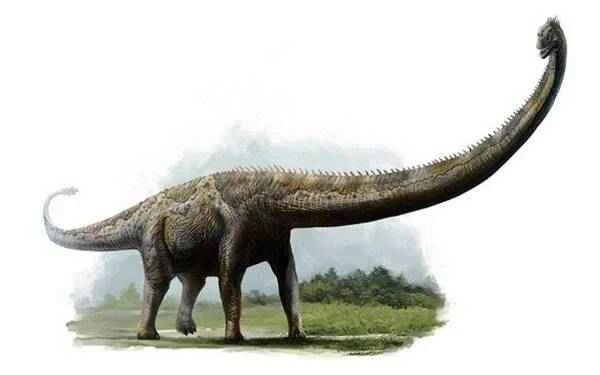
4. Mamenchisaurus
A gigantic sauropod dinosaur has been discovered in China, a massive species among dinosaurs. Its fossils were found at the Mamingxi ferry crossing in Yibin City. Scientific identification indicates it belongs to the suborder Sauropoda. This dinosaur was approximately 22 meters long and nearly 7 meters tall. Its neck was exceptionally long, equivalent to half its body length. Not only were each cervical vertebrae exceptionally long, but it also had a total of 19 cervical vertebrae, the most among sauropods. Furthermore, its neck was the longest of all dinosaurs, reaching up to 12.1 meters. Compared to its cervical vertebrae, it had relatively fewer dorsal, lumbar, and caudal vertebrae.
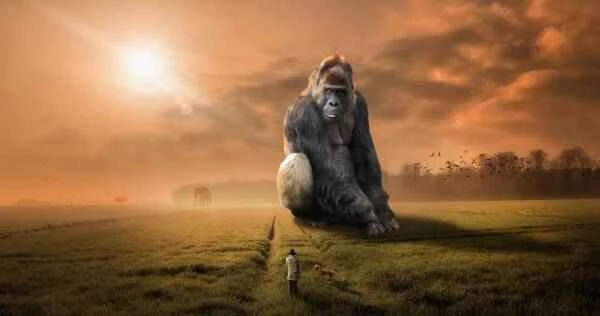
5. Giant ape
Gigantopithecus was an extinct ape that lived in China, India, and Vietnam between approximately 1 million and 300,000 years ago, coexisting with several hominid species in the same geographical area. The fossil record indicates that Gigantopithecus skeletal was the largest ape, reaching up to 3 meters in height and weighing approximately 600 kilograms when standing. This giant ape, similar to an orangutan, lived on the ground and was likely the largest ape in the world. It is estimated to have weighed over 200 kilograms and possessed enormous molars with thick enamel, high crowns, and short cusps. Sometimes Gigantopithecus is incorrectly translated as "giant ape-man," but it is not a human and therefore calling it a giant ape-man is inaccurate (although it was listed as an ape-man in some past books).
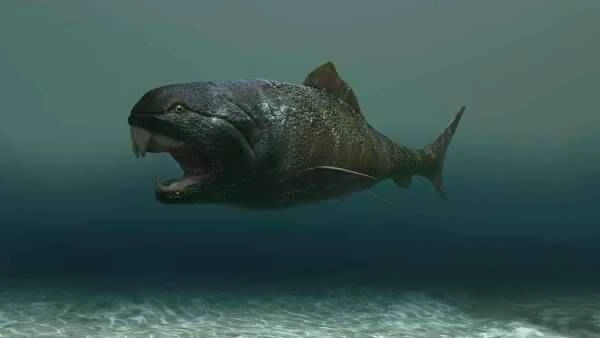
6. Dunkleosteus
Dunkleosteus was a prehistoric fish that lived during the Devonian period of the Paleozoic Era, approximately 360 to 430 million years ago. It was a gigantic prehistoric creature, reaching lengths of about 11 meters and weighing up to 6 tons, with a bite force of up to 5 tons. Dunkleosteus is considered the largest predator in the Devonian oceans and also the largest carnivorous bony fish to have existed from the Cambrian to the Devonian periods, thus having no natural predators. It primarily preyed on fish and invertebrates, sometimes even cannibalizing its own kind. Dunkleosteus possessed an extremely powerful bite, capable of crushing sharks in one bite, and could also use suction to pull prey into its mouth.
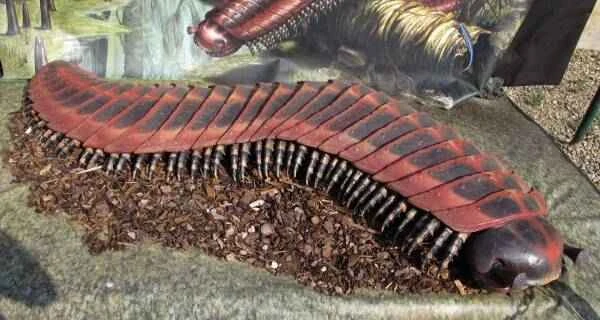
7. Ancient centipede
Ancient centipedes lived during the Carboniferous period, about 300 million years ago. Fortunately, however, they became extinct during the Permian period, 300 million years ago. These terrifying creatures could reach lengths of up to 8.6 feet (approximately 2.59 meters), resembling modern centipedes in appearance but enormous in size. Thankfully, we won't suddenly encounter these animals now, as they existed only in ancient times. We can rest assured!
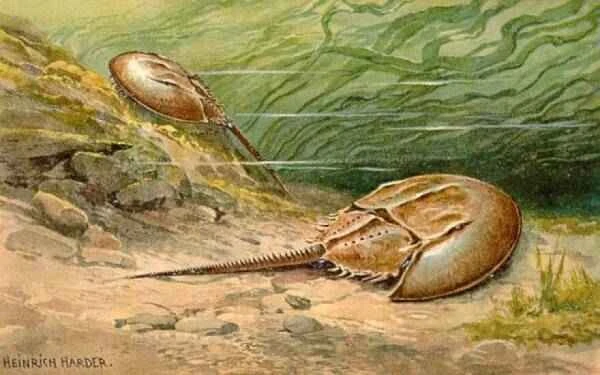
8. Giant Feathered Horseshoe Crab
Around 450 million years ago, a giant eurypterid appeared. It measured approximately 2.43 meters in length! It was the first animal to migrate from water to land and knew how to molt. This animal possessed a robust defense, covered with a spine, claws, and armor. They walked on six legs, with two flattened hind legs that acted like paddles. While clumsy out of water, they could swim considerable distances underwater. They typically inhabited the seabed but were also capable of living in freshwater and on land.
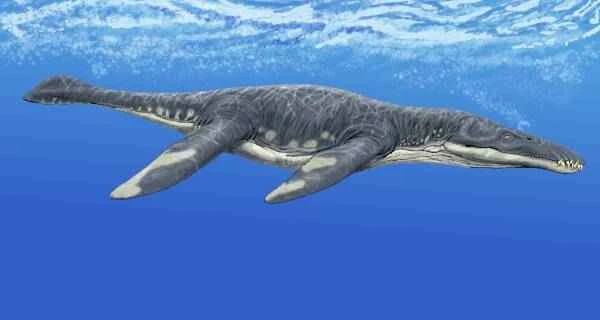
9. Upper Dragon
Pliosaurus was an extinct marine reptile belonging to the family Pliosaurus, which lived during the Late Jurassic period. This giant predator fed on fish, squid, and other marine reptiles. Before being formally named, they were known as "monsters." During the Jurassic period, approximately 200 to 145 million years ago, Pliosaurus was the apex predator of the oceans. The first species in the Pliosaurus family to be discovered and studied was Pliosaurus, thanks to Richard Irwin, who named the species Pliosaurus in 1841.
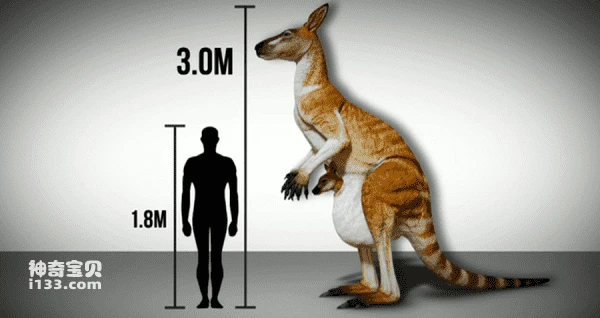
10. Giant Short-faced Kangaroo
The giant short-faced kangaroo (Procoptodon) was a kangaroo species that lived in Australia during the Pleistocene epoch. *Procoptodon goliah* was the largest species, reaching up to 3 meters in height and weighing up to 232 kilograms when standing. They had flat faces, forward-facing eyes, and only one toe on each foot, resembling a horse's hoof. Giant short-faced kangaroos were agile in forests and plains, primarily feeding on grasses and leaves. Their forelimbs had distinctive pads with two exceptionally long fingers and large claws. It is speculated that they may have used these claws to grasp branches and forage for leaves. The extinction date of the giant short-faced kangaroo is estimated to be around 50,000 years ago, but some sources suggest they may have still existed as early as 18,000 years ago.