As we all know, dinosaurs were enormous prehistoric animals that faced extinction due to tectonic activity. The discovery of dinosaur fossils has shown us that such amazing creatures once existed on Earth. Do you know which dinosaur was the largest? This article carefully compiles a ranking of the top 10 largest dinosaurs, including Amphicoelias fragillimus, Ruyangosaurus, Argentinosaurus, Futaloncosaurus, Supersaurus, and Tidalosaurus, among others. Let's take a closer look!
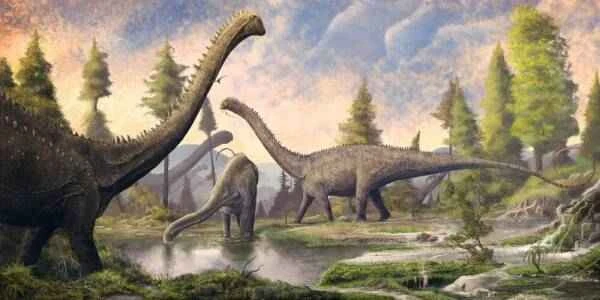
1. Fragile Amphicoelias (40-58 meters in length, weighing approximately 180 tons)
When discussing the largest dinosaur, Amphicoelias fragillimus is sometimes considered the largest known dinosaur. Based on descriptions of a single fossilized skeleton (the type specimen), scientists have made numerous estimates of its size over the years. The largest estimates suggest that Amphicoelias fragillimus could have reached 60 to 80 meters in length, with a hip height of approximately 10 meters, a head height of approximately 14 to 15 meters, and a weight of up to 220 tons, larger than a blue whale. While paleontologists generally exclude Amphicoelias fragillimus from discussions of the largest dinosaurs due to its uncertain understanding and outrageously large size, scientists typically exclude it out of caution. However, based on existing data analysis, even using the smallest possible estimate, Amphicoelias fragillimus would have reached a length of 58 meters and a weight of 180 tons. Therefore, it can be argued that Amphicoelias fragillimus is the largest dinosaur in the world.
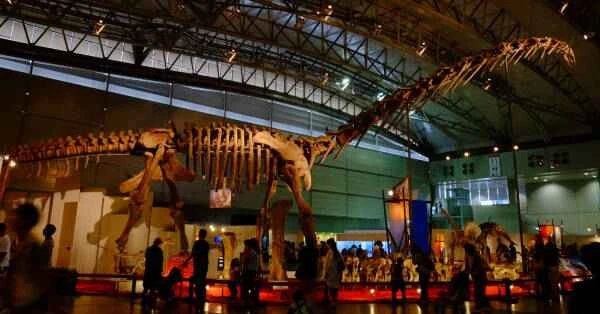
2. Giant Ruyang Dragon (over 38 meters in length and weighing over 100 tons)
What is the largest dinosaur? The giant Ruyangosaurus ranks among the top three largest dinosaurs in the world. The giant Ruyangosaurus was a massive sauropod dinosaur belonging to the Titanosauria group. Its dorsal vertebrae featured low neural spines and lacked prevertebral articular septa. The excavated tibiae, femurs, ribs, and dorsal and caudal vertebrae were all extremely robust. Its femur reached 2.35 meters in length, and the diameter of a single dorsal vertebra reached 51 centimeters, 1 centimeter larger than the largest known dinosaur—Argentinosaurus. The giant Ruyangosaurus was over 38 meters long, over 17 meters tall, and weighed over 130 tons, equivalent to the weight of 20 elephants. It is the most robust, heaviest, and largest dinosaur known to have been reconstructed and mounted.
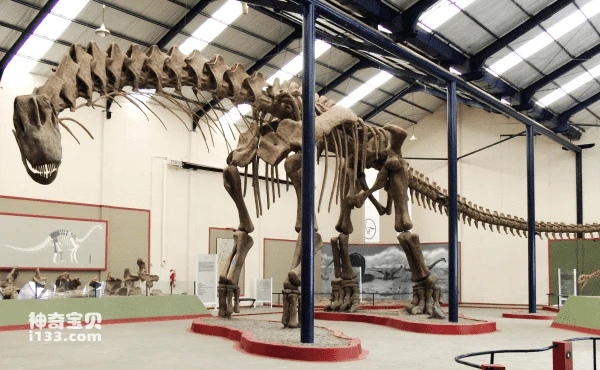
3. Argentinosaurus (35-43 meters in length, weighing approximately 88 tons)
Argentinosaurus, belonging to the Titanosaurae family of sauropod dinosaurs, is named after its discovery in Argentina. It lived during the Middle Cretaceous period, approximately 100 million years ago, continuing through the Cenomanian stage of the Late Cretaceous, about 93 million years ago. It possessed the enormous size of what is possibly the largest land animal in Earth's history and is one of the largest dinosaurs. Argentinosaurus stood up to 12 meters tall, reached a length of 42 meters, and weighed nearly 100 tons. It was truly a behemoth that once roamed the earth. However, even such a massive animal could not escape the threat of predators. Mapusaurus, the largest carnivorous dinosaur, was the apex predator in Argentinosaurus's world, posing a threat even to such a colossus. Among modern creatures, only Amphicoelias fragillimus exceeded Argentinosaurus in length.
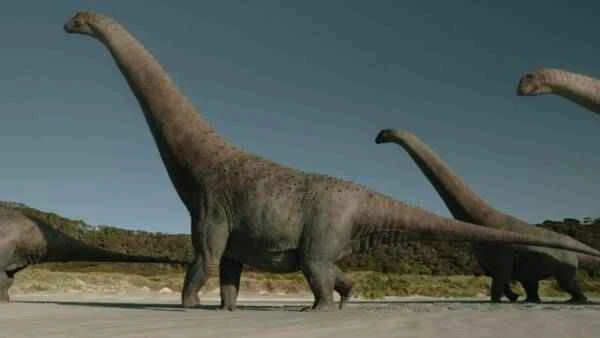
4. Alamolong (over 30 meters in length and weighing 70-80 tons)
Alamosaurus is a genus of sauropod dinosaur that lived in North America during the Late Cretaceous period. It was a large, quadrupedal herbivorous dinosaur, one of the last surviving herbivorous families within the Titanosaur lineage. Similar to other sauropods, Alamosaurus possessed a long neck and tail with a whip-like tip. Reaching over 30 meters in length and weighing up to 75 tons, it was one of the largest dinosaurs in the world.
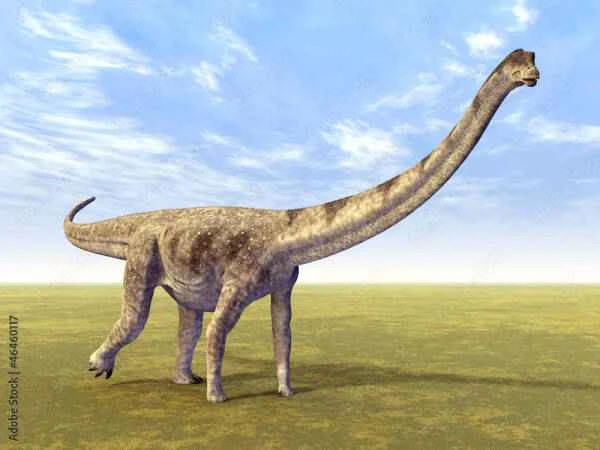
5. Puertaur (30-40 meters in length, weighing over 70 tons)
Puertasaurus lived in Argentina during the Late Cretaceous period, approximately 70 million years ago. Similar in size to Alamosaurus, it was one of the largest known dinosaurs. It possessed the widest vertebrae of any dinosaur, even wider than Argentinosaurus, and is speculated to have been one of the strongest. A member of the Titanosaur family, Puertasaurus was a quadrupedal sauropod dinosaur with a long neck and tail. Its thoracic cavity could reach 5 meters in diameter, equivalent to the size of a modern elephant, while Puertasaurus rex possessed the largest hips in the world. Puertasaurus rex reached a length of 40 meters and weighed over 70 tons, making it one of the largest dinosaurs ever.
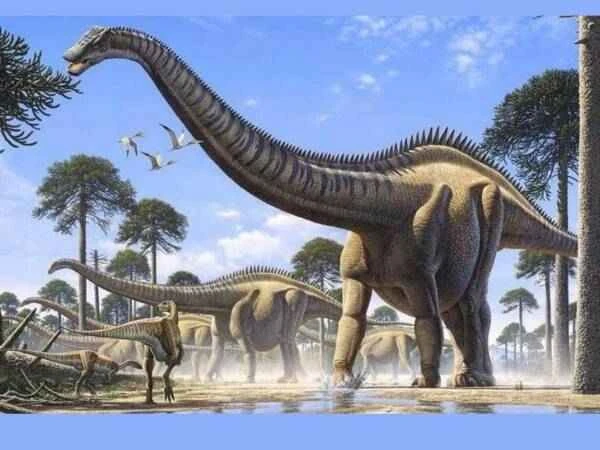
6. Super Dragon (27-30 meters in length, 60-80 tons in weight)
Supersaurus (also known as Superdragon) is a diplodocid dinosaur, meaning "super lizard" in Chinese. Its fossils were discovered in 1972 in the Morrison Formation in Colorado, USA. The discovery also included the skeleton of a giant Supersaurus, later identified as an alternate name for the species. Although never formally named or scientifically described, the scattered skeletons found include a 2.5-meter-long scapula, a 1.8-meter-wide pelvis, and 3.1-meter-long ribs. Some paleontologists speculate that Supersaurus may have reached 27 meters in length and weighed up to 68 tons, while others estimate it could have been even longer, possibly weighing up to 90 tons. Regardless, it was certainly a gigantic creature; Supersaurus's spine alone could reach 1.4 meters in length. The true answer awaits further fossil discoveries.
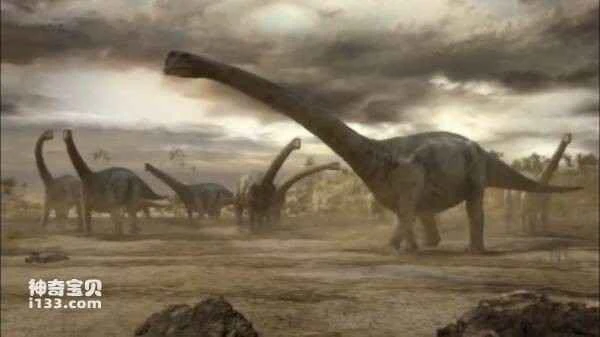
7. Tidal Dragon (27-30 meters in length, 60-80 tons in weight)
Tidalosaurus is a giant titanosaur-like sauropod dinosaur, and the first dinosaur confirmed to have lived in a mangrove ecosystem. The fossils were discovered in the Bahariya Formation in Egypt, an Late Cretaceous coastal sedimentary layer. Based on the fossils, Tidalosaurus is estimated to have been 27-30 meters long. Its height is currently uncertain, but its weight is estimated at 60-80 tons, making it one of the heaviest known dinosaurs and ranking among the top ten largest dinosaurs.
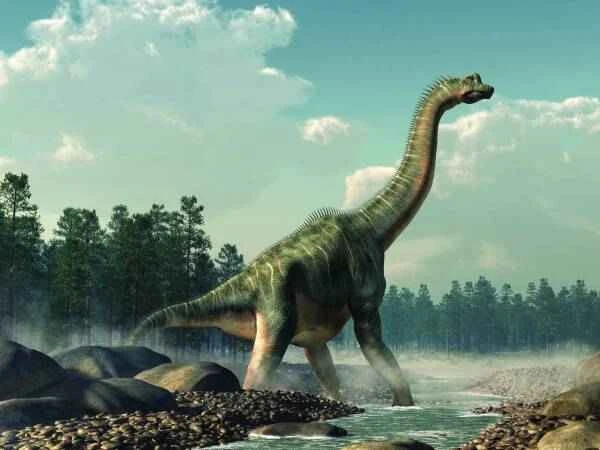
8. Poseidon (30-34 meters in length, 50-60 tons in weight)
Poseidonosaurus (also known as Poseidonosaurus or Poseidonosaurus var. pulcherrima) was a herbivorous dinosaur belonging to the order Sauropoda. It lived during the Early Cretaceous period and was closely related to Brachiosaurus, being one of the latest-appearing large brachiosaurs in North America. Poseidonosaurus is considered one of the tallest dinosaurs, estimated to have reached a height of 17 meters, equivalent to about six stories; its length was approximately 30 to 34 meters, and its weight was estimated to be between 50 and 60 tons. In some respects, Poseidonosaurus resembled modern giraffes, both having short bodies and long necks, with shoulders possibly reaching 6 or 7 meters in height.
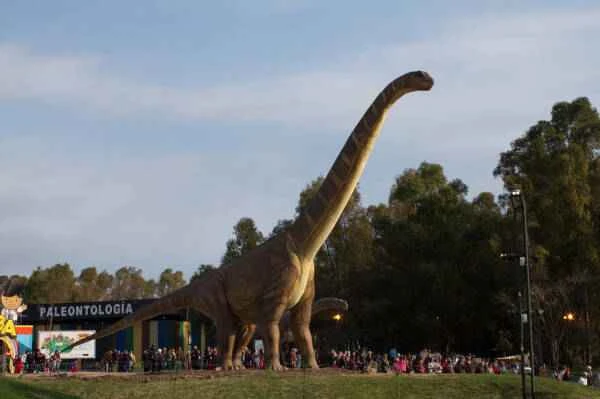
9. Futalonkolon (approximately 26 meters in length and weighing 40-90 tons)
Futaloncosaurus is a titanosaur, its scientific name derived from the local Mapuche language, meaning "giant chief lizard." Its fossils were discovered in Neuquén Province, Argentina in 2000, and excavation began on October 17, 2007. The fossil, which reconstructs 70% of its skeleton, is considered one of the most complete giant dinosaur fossils ever discovered. Futaloncosaurus lived during the Late Cretaceous period, approximately 80 million years ago, and is said to have been larger than a blue whale, weighing around 90 tons, making it one of the ten largest dinosaurs. Its skeleton is on display at the Museum of Ferns in Atlanta, Georgia, USA.
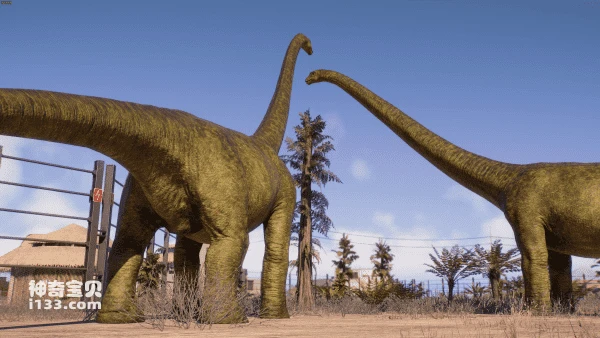
10. Mamenchisaurus (over 20 meters in length and weighing up to 55 tons)
Mamenchisaurus, belonging to the order Argasiomorpha, is one of the largest sauropod dinosaurs discovered in China and one of the largest dinosaurs in the world. It was approximately 22 meters long, nearly 7 meters tall, and weighed up to 55 tons. Mamenchisaurus possessed the longest neck of all dinosaurs (reaching up to 12.1 meters, equivalent to half its body length), with 19 long cervical vertebrae, the most among sauropods. Mamenchisaurus lived during the Late Jurassic period, 140 million years ago, and became extinct at the end of the Cretaceous period. It was very similar in appearance to Brontosaurus, the only difference being the length of its neck.
The ten largest dinosaurs in the world are ranked primarily based on their size. This list is for reference only; please feel free to comment/discuss at the end if you have any questions.