In cultures and legends around the world, some animals have been imbued with ominous symbols, often associated with negative connotations such as death, misfortune, and evil. These animals are not inherently harmful, but due to ancient beliefs, legends, or superstitions, their appearance is believed to foreshadow disaster or bad luck. This article will delve into which animals are considered unlucky in different cultures, and the reasons and background behind these beliefs.
1. Crow – Messenger of Death
1. Symbolic meaning
In many cultures, crows are seen as symbols of death and misfortune. Their black feathers, piercing caws, and frequent appearances near graves and battlefields have led people to believe that crows are harbingers of death. In European and North American traditions, crows are closely associated with witchcraft and evil. People believe that crows are messengers of the dead, and their appearance often foreshadows death or disaster.
2. Crows in ancient cultures
In Celtic mythology, the raven was considered the embodiment of Morrigan, the goddess of war and death, and often appeared on the battlefield, symbolizing impending death. In ancient Rome and Greece, the raven was also frequently associated with death and dark prophecies.
3. The Real-World Ecology of Crows
Although crows are considered unlucky in many cultures, they are actually very intelligent birds, adept at problem-solving, and even skilled at using tools. Crows play important roles in ecosystems, such as cleaning up animal carcasses and helping to maintain environmental hygiene.
II. Owl – The Sentinel of the Night
1. Symbolic meaning
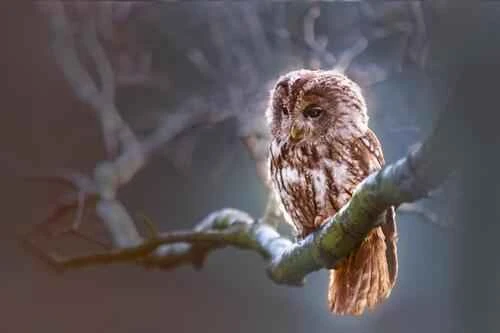
Owls, due to their nocturnal habits and eerie calls in the darkness, are often considered omens of misfortune. In traditional cultures of Europe, the Middle East, and Africa, the appearance of owls is often associated with death and bad luck. The ancient Romans believed that the owl's call foretold death within the family, while in some African tribes, owls were regarded as companions of shamans or messengers of evil spirits.
2. The role of the owl in mythology
In ancient Greece, while owls symbolized wisdom and the goddess Athena, their nocturnal nature and cold appearance still unsettled many. In some Native American legends, owls represent travelers of the soul, foreshadowing someone's impending death.
3. The ecological role of owls
In fact, owls are important predators in nocturnal ecosystems, helping to control rodent and insect populations. Their nocturnal activity and ability to fly silently make them highly efficient predators at night.
3. Black Cat – A Symbol of Bad Luck
1. Symbolic meaning
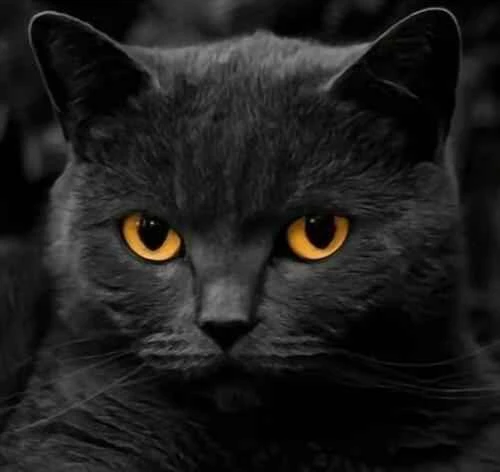
In Western culture, black cats are often considered companions of wizards, especially in medieval Europe, where they were closely associated with witches. Many people believed that seeing a black cat, particularly when it crosses their path, would bring bad luck or disaster. In Halloween and witchcraft-related culture, black cats frequently appear as symbols of evil.
2. The Legend of the Black Cat and the Witch
In medieval Europe, witch hunts were prevalent, and black cats were considered the "incarnations" or "servants" of witches, assisting them in performing evil witchcraft. Even in modern times, some people still consider black cats to be unlucky, especially in rural areas of some European and American countries.
3. Black cats in real life
While black cats are disliked in some cultures, they are considered lucky in many others. For example, in Britain and Japan, black cats are believed to bring good fortune. In modern society, black cats are simply dark-colored felines, and they are not fundamentally different from other cats.
IV. Bats – Mysterious Creatures of the Dark
1. Symbolic meaning
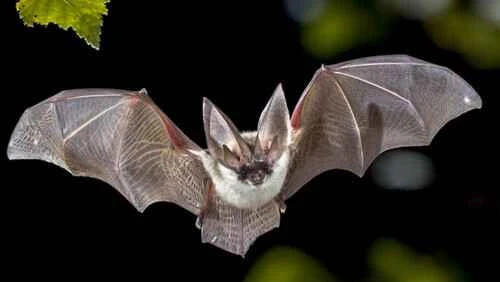
Bats are often associated with darkness, fear, and death, especially in Western cultures where they are closely linked to vampire legends. Because of their nocturnal activity, their tendency to hang in caves, and the blood-sucking habits of some species, bats are frequently depicted as embodiments of evil creatures.
2. The Legend of Vampire Bats and Vampires
In Central and Eastern European folklore, vampires are often associated with bats, especially the presence of vampire bats, which makes this connection even more vivid. Legend has it that vampires can transform into bats and seek out victims at night to drink their blood.
3. The ecological importance of bats
Although bats are often associated with evil in culture, they play a vital role in ecosystems. Bats are major predators of nocturnal insects, helping to control pest populations. Fruit bats also play a crucial role in seed dispersal and pollination.
5. Snake – A symbol of betrayal and evil.
1. Symbolic meaning
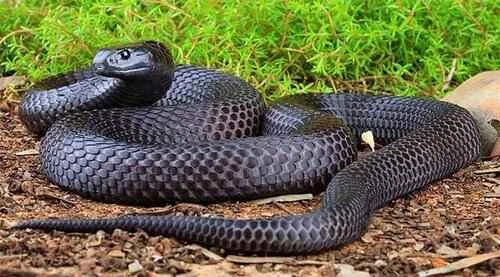
In many cultures, snakes are seen as symbols of betrayal, evil, and death. The most famous example is in the biblical story where the serpent tempts Eve to eat the forbidden fruit, leading to humanity's fall. The serpent's gliding motion and its cold-blooded nature imbue it with mystery and fear in the eyes of humans.
2. The relationship between snakes and religion
In Christianity, snakes often symbolize Satan or evil. In Hinduism and Buddhism, snakes are given more complex symbolic meanings, representing both protectors and destroyers.
3. The Real-World Role of Snakes
Snakes are important predators in ecosystems, helping to control the populations of rodents and other small creatures. While their venom and bite force are frightening, most snakes are actually harmless to humans, with only a few species possessing lethal venom.
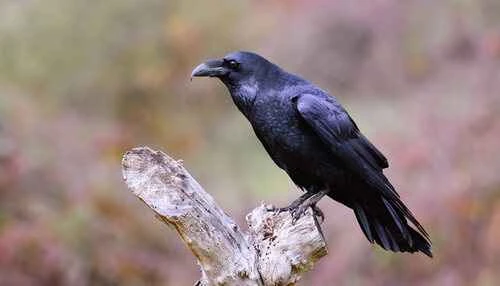
VI. Raven – Mystery and an Omen of Death
1. Symbolic meaning
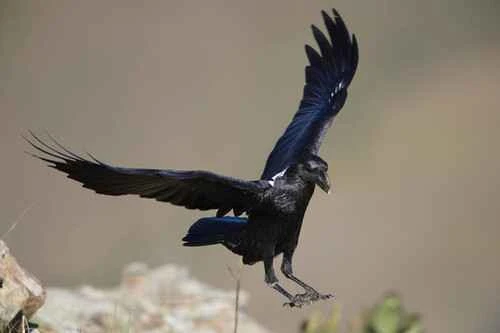
Like crows, ravens are often seen as omens of death and misfortune. Due to their black plumage and habit of living in desolate places, ravens are frequently associated with battlefields and death in Norse mythology and Celtic legends.
2. Ravens in Norse mythology
In Norse mythology, ravens are attendants of Odin, the chief god. They are responsible for scouting the battlefield and helping Odin decide the course of battles. This makes ravens a symbol of war, death, and fate.
3. The Wisdom of Ravens
Although ravens are often associated with ominous signs in culture, they are actually extremely intelligent birds. Ravens have complex social structures and high intelligence, and are even capable of problem-solving and tool use.
7. Moth – A ghost in the darkness
1. Symbolic meaning
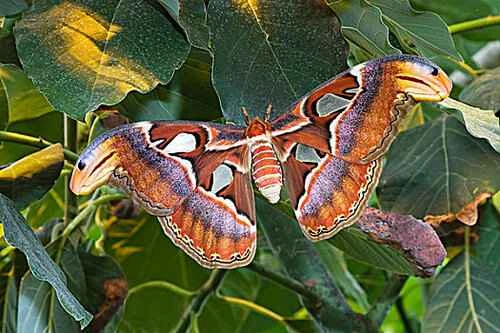
Moths, especially large moths, are seen as symbols of death and misfortune in many cultures. Their irregular flight patterns, often approaching light sources at night, make them appear like ghosts lurking in the darkness. Moths are considered symbols of the spirit, particularly in some Latin American and African cultures, where they are believed to bring bad news or foreshadow death.
2. Moths and Religious Symbolism
In some cultures, moths represent the departure of souls or the resurrection of the dead. Unlike butterflies, they symbolize the mystery and unknowable forces of darkness.
3. Ecological role of moths
Despite their ominous symbolism, moths play a vital role in nature. Many moths are nocturnal pollinators, helping to maintain plant reproductive cycles. Moth larvae are also an important food source for many birds.
VIII. Common Characteristics of Animals with Unlucky Omens
Many animals considered unlucky have acquired negative connotations in different cultures, often due to their appearance, behavior, or lifestyle. Nocturnal habits, black or dark fur, irregular calls, or mysterious lifestyles make these animals symbols of mystery and fear in human superstitions and legends.
9. How should we view these ominous animals?
Despite being associated with ominous symbols in culture, these animals play an indispensable role in nature. Through proper understanding and scientific knowledge, we can break down superstitions about these animals and recognize their contributions to the ecosystem.