When discussing the dangers of wild animals, the question "Which bear is the most dangerous?" often arises. While bear encounters are relatively rare, understanding which species pose the greatest risk can enhance the safety of outdoor enthusiasts.

How do we define a dangerous bear?
Identifying the most dangerous bear requires assessing the following factors:
Physical strength : bite force, body size, and power.
Predatory behavior : the possibility of attacking or hunting humans.
Attack frequency and severity : the number of casualties recorded.
Geographical factors: the frequency of encounters between humans and bears.
Bear species danger level ranking
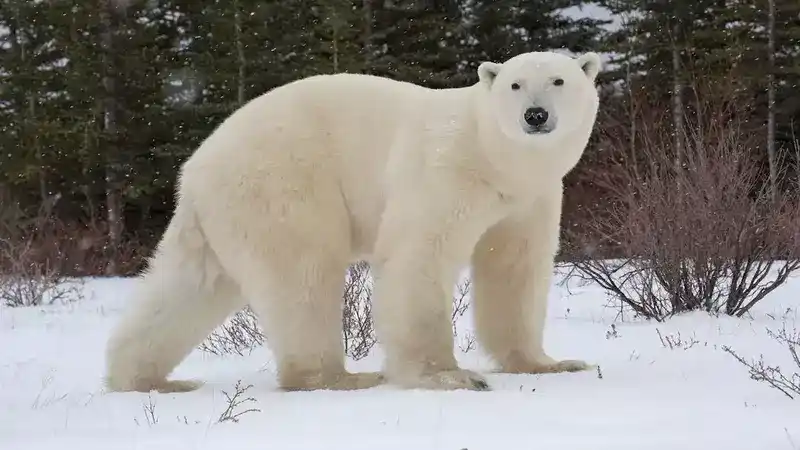
1. Polar bear
Polar bears are apex predators, capable of hunting humans, and are almost fearless of them.
Bite force: Approximately 1,200 psi
Average weight: up to 1,700 pounds
Deaths: Since 1870, the number of recorded deaths is approximately 20.
Notable events:
A polar bear attack in Svalbard in 2011 resulted in the death of one student and injuries to several others.
2. Grizzly bear (brown bear)
Grizzly bears are highly territorial and aggressive, especially mothers protecting their cubs.
Bite force: Approximately 1,160 psi
Average weight: up to 1,500 pounds
Deaths: Approximately 10 per year globally, particularly in North America and Russia.
Events worth noting:
The attacks in Yellowstone National Park have sparked ongoing safety concerns among campers.

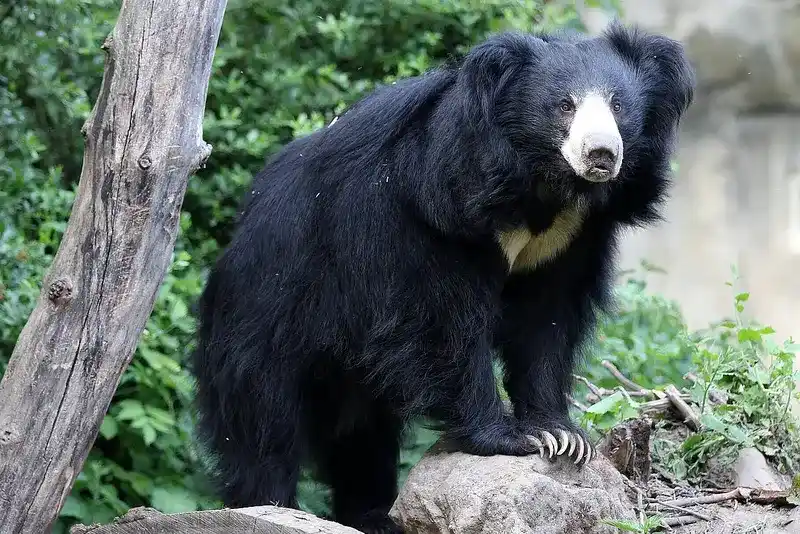
3. Sloth Bear
Sloth bears are mainly found in India and are known for their aggressiveness, causing numerous attacks every year.
Bite force: Approximately 1,000 psi
Average weight: up to 310 pounds
Death toll: Hundreds of deaths have been recorded in India in recent decades.
Notable events:
Due to overlapping habitats, attacks frequently occur in rural communities in India.
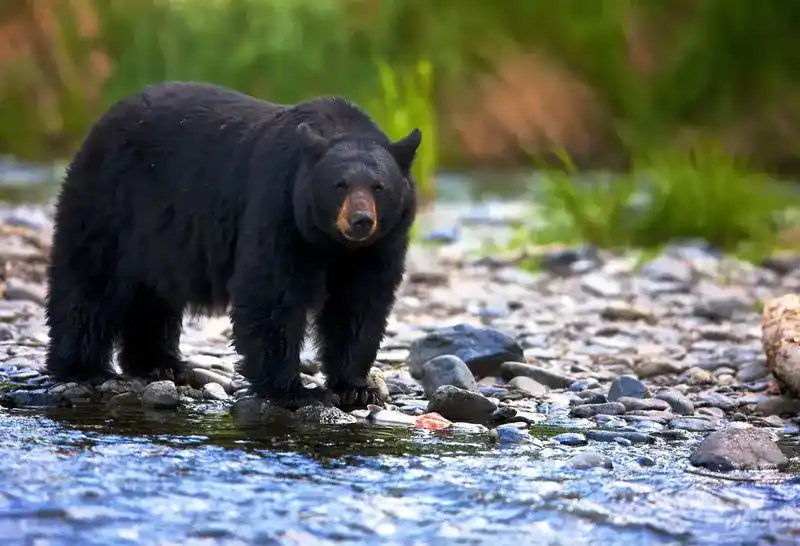
4. American black bear
They are usually timid, but can be dangerous if provoked or if they become accustomed to human food.
Bite force: approximately 975 psi
Average weight: up to 600 pounds
Death toll: Approximately 1 person dies each year in North America.
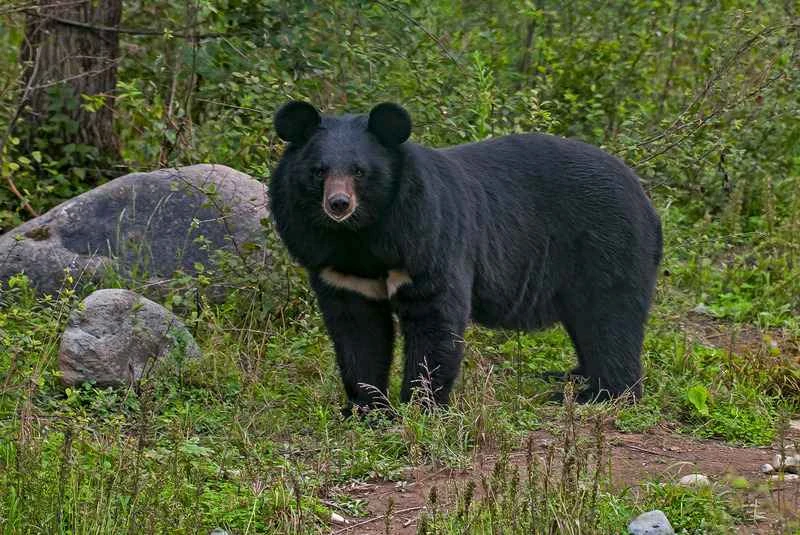
5. Asiatic black bear
These bears will become aggressive if threatened, but attacks are not common.
Bite force: approximately 850 psi
Average weight: up to 440 pounds
Death toll: Occasional reports of attacks, particularly in rural areas of Asia.
Comparison Table: Bear Hazard Indicators
| bears | Bite force (psi) | Weight (pounds) | Annual death toll |
|---|---|---|---|
| polar bear | 1,200 | 1,700 | <1 |
| Grizzly | 1,160 | 1,500 | ~10 |
| Sloth Bear | 1,000 | 310 | Dozens |
| American black bear | 975 | 600 | ~1 |
| Asian black bear | 850 | 440 | Some |
Bear safety and prevention tips
Understanding bear behavior and making appropriate preparations can significantly reduce risk:
Carry bear spray: Bear spray has been proven to be 92% effective, making it much more reliable than firearms.
Traveling in groups: Bears will avoid large groups; make sounds to indicate your presence.
Food safety: Use bear-proof containers, store food properly, and never feed bears.
Maintain distance : Respect wildlife and never approach or feed bears.
Real Case Studies
Polar bear (Svalbard, 2011): A tragic attack highlights the need for strict security protocols in remote Arctic regions.
Sloth Bear (India, 2023): Ongoing attacks in rural areas highlight the challenges posed by human-wildlife conflict.
Protection and human-bear conflict
Habitat loss, climate change, and the increase in human settlements have exacerbated human-bear interactions, making conservation and management decisions difficult on a global scale.
Frequently Asked Questions (FAQ)
Are black bears dangerous? Under normal circumstances, black bears are not aggressive, but they can be dangerous if provoked or if they become accustomed to humans.
What should you do if you encounter a polar bear? Use deterrents such as bear spray, remain calm, back away slowly, and never run.
in conclusion
Polar bears are among the most dangerous bear species due to their predatory nature and immense strength. Grizzly bears and sloth bears can also pose significant risks in certain environments. To coexist safely with these powerful animals, vigilance and preparedness are crucial.