Claws are keratinous structures extending from the tips of the fingers of some animals, and are usually sharper and more pointed than nails. They play a crucial role in hunting, defense, climbing, digging, and grasping, and are important tools for animals to survive and adapt to their environment.
In this article, we will introduce 20 animals with exceptionally long claws, analyze their habits, evolutionary characteristics, and the specific uses of their claws, and provide illustrations to help you better identify these unique species.
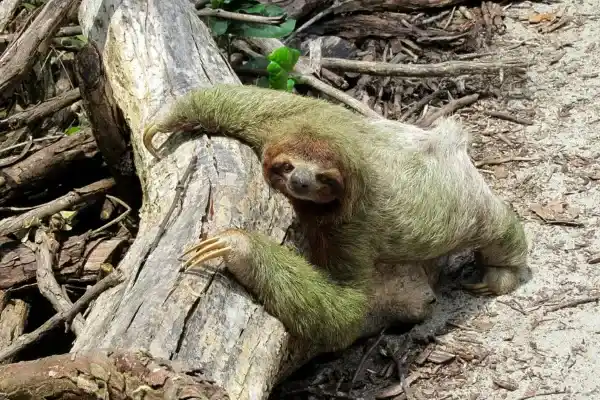
1. Sloth (Order Folivora)
Sloths are among the mammals with the longest known claws, with their forelimb claws reaching up to 15 centimeters in length. This is an evolutionary legacy left by their extinct giant ancestors—one of the prehistoric "giants." Ancient sloths used their powerful claws to walk in trees and even dig for food. Modern sloths use these claws to hang from branches, maintaining their signature "slow-movement life," and also to strike enemies when threatened.
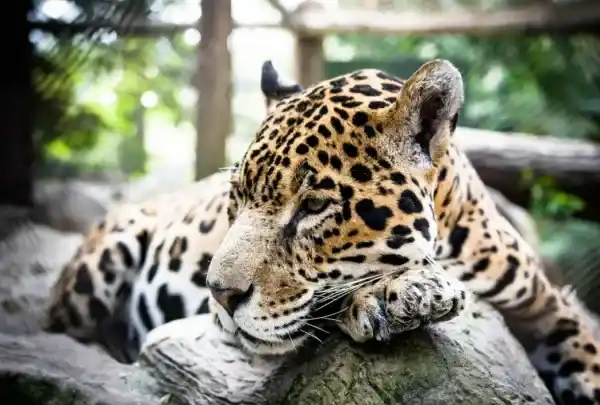
2. Jaguar ( Panthera onca )
Like other large felines, jaguars possess retractable claws. Normally, the claws are concealed within the skin of their toes, extending only when needed for hunting or climbing. This structure protects the claws from injury and is a crucial weapon for their success in the rainforest. They can easily climb trees and hunt prey, demonstrating exceptional survival skills.
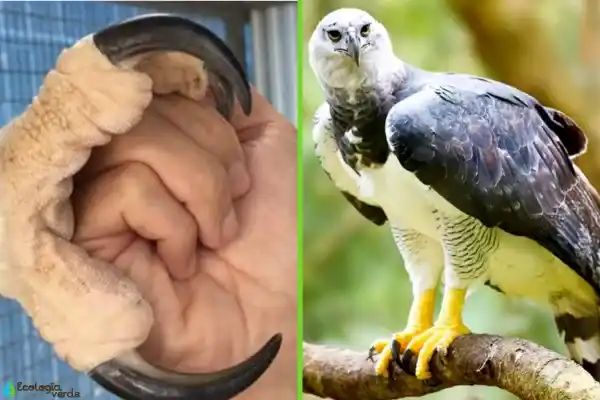
3. Harpia harpyja
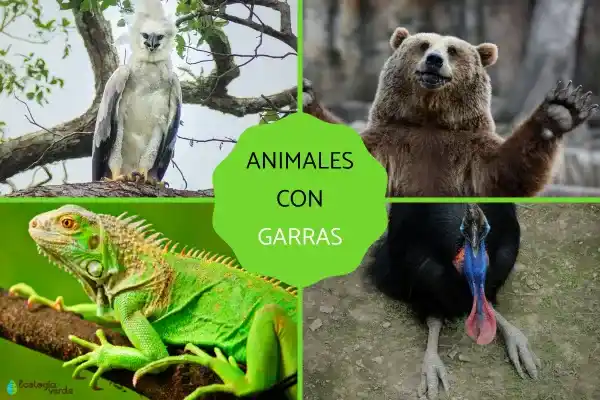
The Great Harpy Eagle, also known as the harpy eagle, is the national bird of Panama and an endangered bird of prey. Its talons are extremely powerful, curved almost perfectly round, and capable of grasping prey more than three times its own weight. The talons can pierce through the prey's body in the instant of capture. Their diet includes monkeys, sloths, armadillos, and birds.
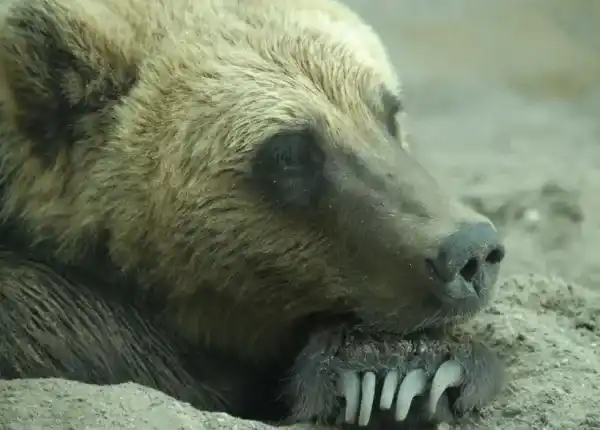
4. Grizzly bear ( Ursus arctos horribilis )
Grizzly bears are a type of brown bear, known for having the longest bear claws, reaching up to 9 centimeters in length. These claws are used for digging up roots and stems, foraging for fruit, hunting subterranean animals, and fishing, making them essential tools for the grizzly bear's survival. However, their claws have also become targets for poachers, leading to the species facing the threat of illegal hunting.
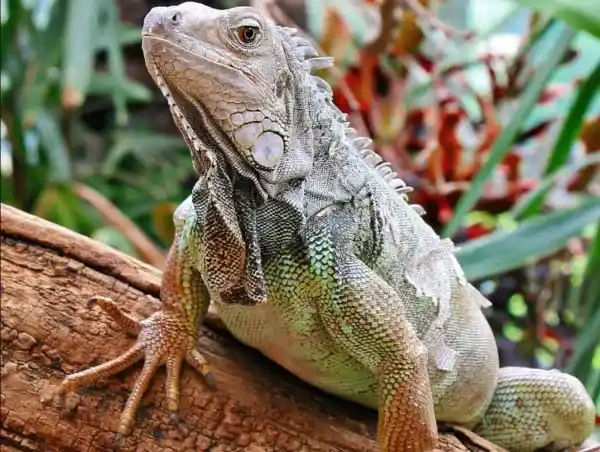
5. Iguana ( Iguana spp. )
Iguanas possess curved, sharp claws that allow them to grip various surfaces firmly. As typical arboreal animals, they rely on their claws to climb trees and maintain balance, making them an indispensable tool for adapting to forest life.
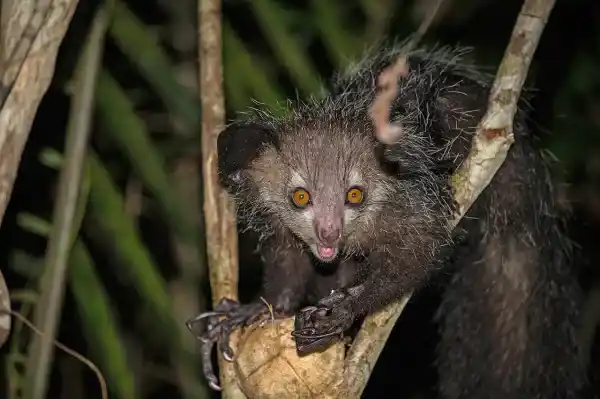
6. Aye-aye ( Daubentonia madagascariensis )
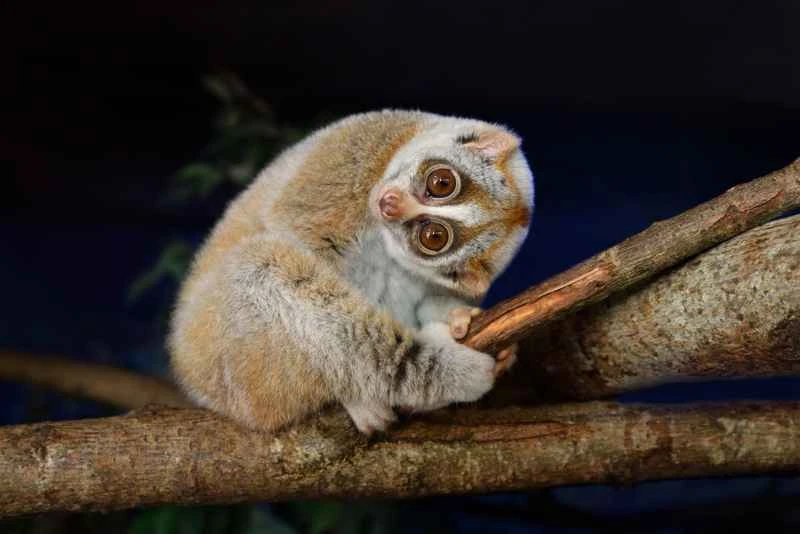
This is a mysterious nocturnal primate from Madagascar. They possess a specialized middle finger, long and flexible, used to tap tree bark to locate insects and then scrape them off with sharp claws. They also have a special cleaning claw for grooming their fur. Their hind big toe is palmate and clawless, designed to enhance grip strength.
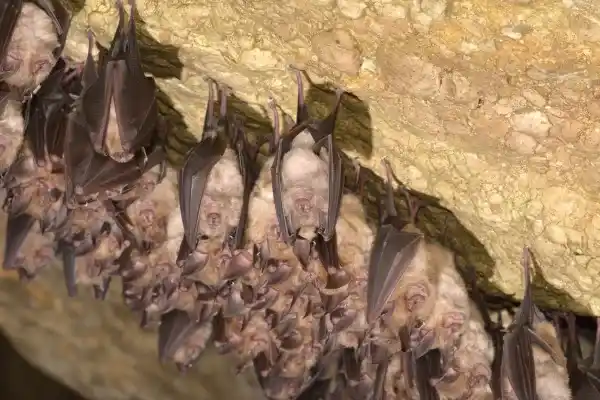
7. Bats ( Chiroptera , order Bats)
Bats are the only mammals capable of true flight. Unable to walk, they have evolved sharp claws on their hind feet to grip branches, rocks, buildings, and other objects. Their forelimbs have evolved into wings, but they retain a clawed thumb for grasping food or crawling. The size and shape of the claws vary slightly among different bat species, but most can support their weight.
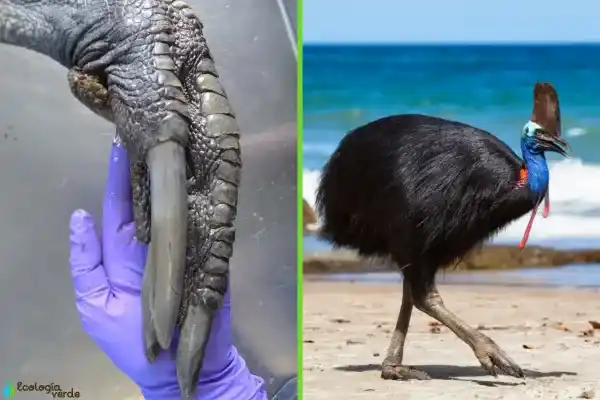
8. Cassowary ( Casuarius spp. )
Cassowaries are birds endemic to Australia and are often called "modern dinosaurs." They can reach a height of 2 meters, have a bright blue face, and possess sharp claws up to 10 centimeters long. While unable to fly, they can run at speeds of up to 50 kilometers per hour. Their claws help them escape quickly and also serve as a defense tool; a single kick can be fatal. Furthermore, they use their claws to pierce insects, fungi, and snails.
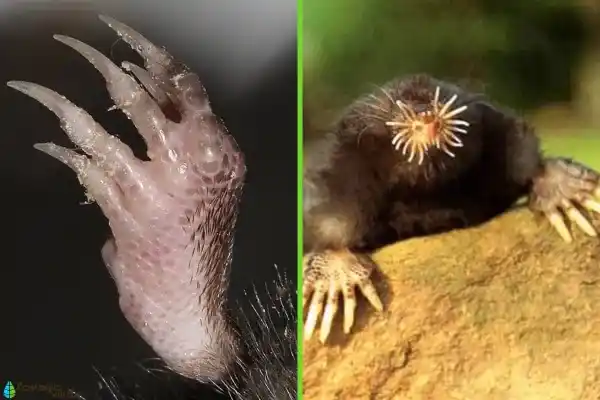
9. Star-nosed mole ( Condylura cristata )
As a typical subterranean animal, the star-nosed mole has evolved exceptionally long and straight claws for digging tunnels. Its claws are twice the length of its fingers, enabling it to efficiently carve out passages in the soil and build intricate networks of underground burrows.
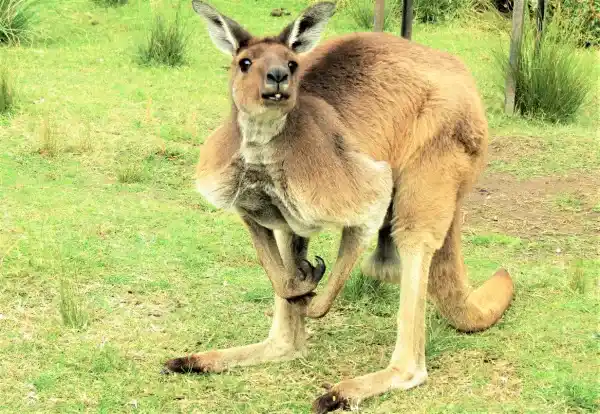
10. Red Kangaroo ( Macropus rufus )
Red kangaroos are the largest marsupials in the world, with razor-sharp claws on both their forelimbs and hindlimbs. Their forelimbs have three main claws, with the middle finger claw being the longest; their hindlimbs have five long claws. In combat, they combine powerful kicks from their hind legs with claw strikes, their claws capable of tearing through an enemy's skin.
Other animals with sharp claws (brief description)
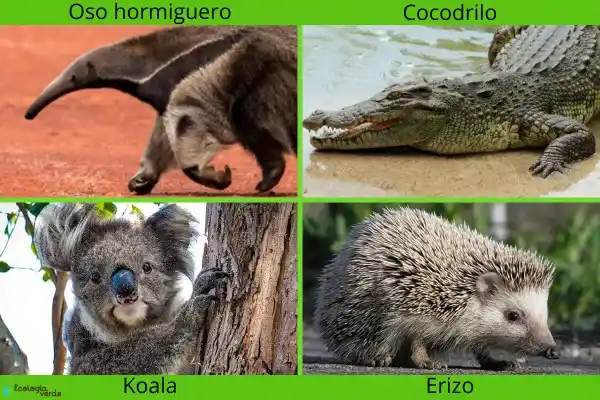
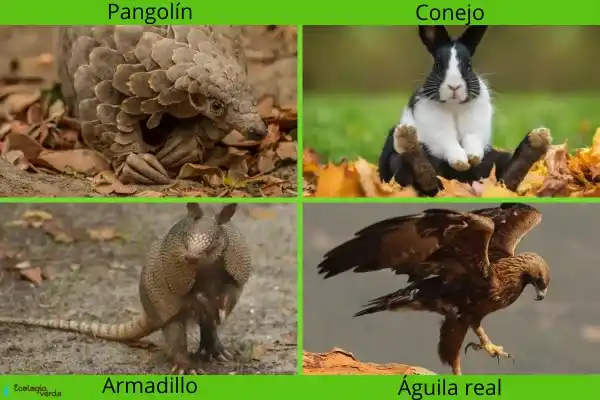
In addition to the 10 animals detailed above, the following animals are also known for their sharp claws:
Anteater ( Myrmecophaga tridactyla )
Crocodiles ( Crocodylidae family)
Koala ( Phascolarctos cinereus )
Hedgehog ( Erinaceinae family)
Pangolin (Pholidota, order Scalypoda )
Rabbit ( Leporidae family)
Armadillo ( Dasypodidae family)
Golden Eagle ( Aquila chrysaetos )
Tortoises and aquatic turtles ( Testudines )
Meerkat ( Suricata suricatta )
American Black Condor ( Coragyps atratus )
Owl ( Strigidae )
Gecko ( Gekkota suborder)
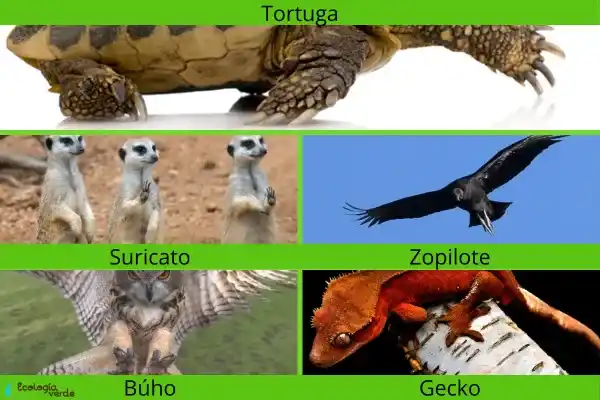
Summary: The diverse uses of claws
The shape and function of claws vary from species to species, but they all demonstrate the ingenious design of nature. Whether used for hunting, defense, climbing, or digging, these animals have achieved greater survival capabilities through their claws. Understanding these animals helps us better appreciate the diversity of nature.
bibliography
Fischer, A. (2021) Cassowaries, the world's most dangerous birds, are as aggressive as velociraptors. Available at: https://www.ngenespanol.com/animales/asi-es-el-casuario-el-ave-de-apariencia-prehistorica-que-el-bosque-papu/
The National Geographic editorial team (2020) points to a plovers. Accessible at: https://www.nationalgeographic.es/animales/aye-aye
Beatty, R., Beer, A., and Deeming, C. (2010). The Book of Nature. Dorling Kindersley, UK.