1. Clouded Leopard (Neofelis nebulosa)
Rare in number. An endangered species, a Class I protected wild animal in China, and listed in CITES Appendix I. Inhabiting tropical and subtropical evergreen forests or mixed coniferous and broad-leaved forests below 3000 meters in altitude, it is the most typical forest-dwelling animal among leopards. Strongly arboreal and adept at climbing. It typically nests in the upper parts of trees. Solitary and nocturnal. Primarily feeds on herbivorous mammals, but also consumes rodents and small birds. Distributed in western, central, and southern Yunnan.
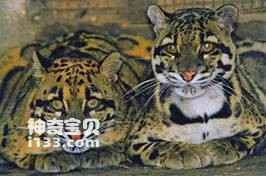
Clouded Leopard Neofelis nebulosa
2. Paguma larvata
Due to deforestation and habitat shrinkage, the wild population has declined significantly. It is listed in the CITES Appendix. It inhabits monsoon forests, evergreen or deciduous broad-leaved forests, and sparse shrublands. It is an adept climber, leaping freely among branches. It is nocturnal and forages at night, with a varied diet primarily consisting of berries and figs, occasionally consuming small birds and bird eggs. It is distributed throughout most of Yunnan province.
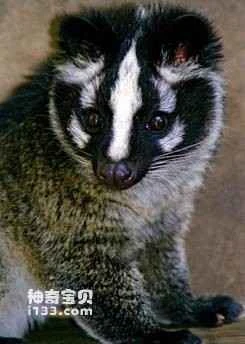
Paguma larvata
3. Dulong cattle (Bos frontalis)
This species is endemic to Assam, India, northern Myanmar, and northwestern Yunnan, and is a semi-wild cattle. Its population is small. It mainly inhabits forest edges, shrublands, and grassy slopes, rarely venturing into dense forests. It feeds on fresh, tender plant branches and leaves, as well as small bamboo leaves. In China, it is only found in northwestern Yunnan and southeastern Tibet.
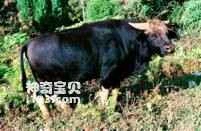
Dulong cattle Bos frontalis
4. Yunnan Rabbit Lepus comus
They inhabit foothills, hillside thickets, or grasslands near farmland. Their nests are disc-shaped, located in slightly sunken areas of the ground. They are found in pairs. They primarily forage at night, feeding mainly on tender grasses and the young leaves and branches of small shrubs, but they will also steal crops such as wheat seedlings, corn seedlings, and soybeans. They breed in summer and autumn, producing 2-3 litters per year, with 1-4 offspring per litter. They are distributed throughout most of Yunnan province.
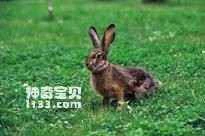
Yunnan Rabbit Lepus comus
5. Garruulax canorus (eyebrow bud)
This species is listed in Appendix I of the Convention on International Trade in Endangered Species of Wild Fauna and Flora (CITES). The male's call is melodious and loud, making it a traditional ornamental bird in my country. It inhabits forest edges, thickets, grasslands, and bamboo groves in low mountains and hills. It is usually found singly or in pairs. It is omnivorous, but during the breeding season, it primarily feeds on insects and other animal matter. The breeding season is generally from April to July. It nests in grasslands, thickets, or low trees, laying 3-5 eggs per clutch. It is distributed throughout most of Yunnan Province and is a resident bird.
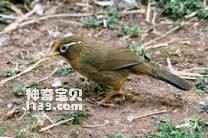
Eyebrow Garrulax canorus
6. White-throated Laughingthrush (Garrulax albogularis)
It inhabits evergreen broad-leaved forests, mixed coniferous and broad-leaved forests, sparse forests, and bamboo forests. It is also commonly found in sparse forests at forest edges, thickets, and thickets and sparse forests near villages and farmland. It forms small flocks in the canopy or dense thickets, foraging mainly on the forest floor or in the thickets, primarily feeding on insects, but also consuming fruits and seeds. The breeding season is from May to July, and it nests in understory shrubs or in the forks of small branches not high on the ground. It is distributed throughout most of Yunnan Province and is a resident bird.
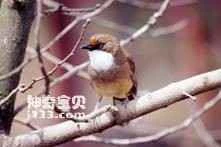
White-throated Laughingthrush (Garrulax albogularis)
7. Blue-throated Sunbird (Aethopyga gouldiae)
It inhabits evergreen broad-leaved forests, coniferous forests, and sparse shrublands, and is also commonly found in groves of trees and bamboo along riverbanks and roadsides. It is usually found solitary or in pairs foraging, often in flowering thickets or among parasitic plants in the upper and middle layers of forest, feeding on nectar, stamens, and insects. It is distributed throughout most of Yunnan Province and is a resident bird.
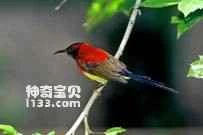
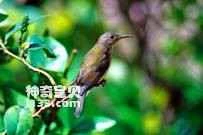
Blue-throated Sunbird Aethopyga gouldiae (above: ,Down: )
8. Yellow-breasted Weaver Bird (Ploceus philippinus)
It gets its name from the fact that both male and female birds can weave intricate and delicate nests, much like weavers. It inhabits farmland and grasslands in tropical regions. They are gregarious and primarily feed on grains and other plant seeds, but also consume some insects. The breeding season is from March to August. Nests are often built on the branches of trees or bamboo groves; more than ten nests can hang from a single tree. The nests are gourd-shaped and woven from grass fibers. Each clutch contains 2-4 white eggs. In China, it is only found in southwestern Yunnan and is a resident bird.
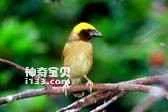
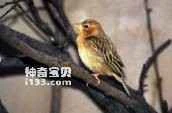
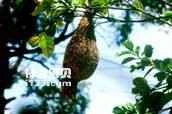
Yellow-breasted Weaver Bird Ploceus philippinus (above: ,middle: (below: nest)
9. Green Pigeon with Wedge-tailed Tail (Treron sphenura)
This is a nationally protected wild animal. It inhabits broad-leaved forests or mixed coniferous and broad-leaved forests in mountainous areas, and is usually found alone, in pairs, or in small groups. Its diet consists mainly of plant seeds and berries. The breeding season is from April to August. It nests in trees, producing two broods per year, with two eggs per brood. It is widely distributed throughout most of Yunnan Province and is a resident bird.
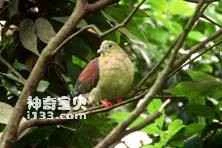
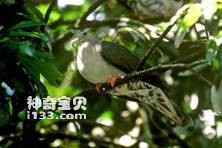
Treron sphenura (above:) ,Down: )
10. Black-tailed Grosbeak (Eophona migratoria)
It inhabits broad-leaved forests and mixed coniferous and broad-leaved forests, and is also found in sparse woodlands, bamboo groves, and tall trees near villages, roadsides, farmland, orchards, and courtyards. It is often seen alone, in pairs, or in groups of dozens. It feeds on plant fruits and seeds, and also consumes some insects. It is distributed throughout most of Yunnan Province and is a migratory bird and winter visitor.
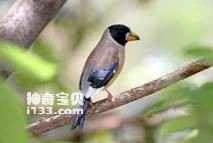
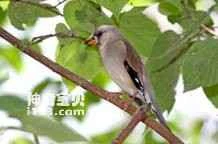
Black-tailed Grosbeak Eophona migratoria (above: ,Down: )
11. Tufted Duck (Aythya fuligula)
Beneficial and economically and scientifically valuable terrestrial wild animals of Yunnan Province. They inhabit wide bodies of water such as rivers, lakes, reservoirs, and ponds, often forming large flocks of hundreds that drift on the surface, sometimes mixing with other duck species. Skilled swimmers and divers, they can dive several meters to the bottom to prey on shrimp, crabs, small fish, tadpoles, snails, and young frogs, and also eat aquatic plants. They roost at night on beaches near the water or on the surface of the water not far from the shore. The breeding season is from May to June, nesting in reeds or on floating reed mounds among aquatic plants in lakes. Each clutch contains 7-12 eggs. They are mainly distributed in northwestern and western Yunnan, as well as the central Yunnan Plateau, and are winter migratory birds.
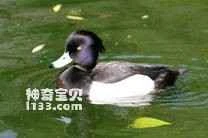
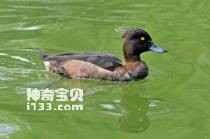
Aythya fuligula (above): ,Down: )
12. Anas formosa (Patterned Duck)
This species is listed in Appendix II of the Convention on International Trade in Endangered Species of Wild Fauna and Flora (CITES). It inhabits wetlands such as lakes, reservoirs, and marshes, and during winter, it is found alone or in small groups, but can also be seen foraging in shallow waters near the water's edge with other wild ducks such as mallards and spot-billed ducks. Its diet consists mainly of plant matter, including the buds, tender leaves, fruits, and seeds of various aquatic plants. It also eats small invertebrates such as snails, mollusks, and aquatic insects. In Yunnan, it has only been sporadically recorded in Dianchi Lake in Kunming, Mengzi, and Lashi Lake in Lijiang, making it a rare winter migratory bird.
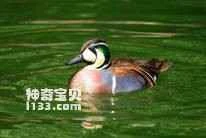
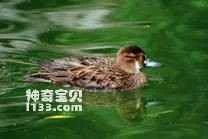
Anas formosa (above): ,Down: )
13. Psammodynastes pulverulentus
It is a reptile belonging to the genus *Columbridae* in the family Colubridae. It generally inhabits shady, grassy areas in low-mountain forests below 1620m altitude, as well as environments with abundant shrubs and grasses at the boundary between agricultural areas and forests, and environments with abundant fallen leaves. It moves slowly. It has a wide distribution in China, including western, southern, and central Yunnan.
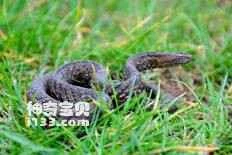
Psammodynastes pulverulentus
14. Bungarus multicinctus (Silver-ringed snake)
Belonging to the genus *Bungarus* of the family Elapidae, this is a highly venomous snake. It inhabits plains or mountains below 1300m in altitude. The banded krait is nocturnal, primarily inhabiting waterside areas, and feeds on fish, frogs, snakes, and rodents. It is oviparous, with its breeding season from August to September. In Yunnan, it is distributed in central, southern, and southeastern Yunnan.
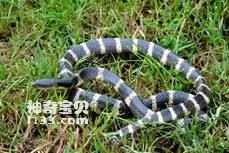
Bungarus multicinctus
15. Ptyas korros (Grey Rat Snake)
Belonging to the genus *Columbridae* of the family Colubridae, it is also known as the Tree Rat. It inhabits mountainous areas at altitudes of 500-1600m, commonly found in agricultural areas and near residential areas, as well as in thickets or trees. Its main diet consists of rodents and lizards. In China, it is mainly distributed in southern provinces, including central, western, southern, and southeastern Yunnan.
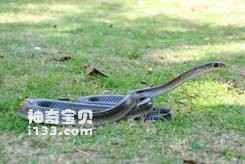
Ptyas korros (Grey Rat Snake)
16. King Snake (Elaphe carinata)
It belongs to the genus *Colubridae* of the Colubridae family. It is distributed in mountainous areas below 2400m in altitude. It typically preys on frogs, lizards, snakes, birds, and rodents in dense, shrub-covered mountain environments. It is oviparous, laying eggs in August. It has a wide distribution in China, including various parts of Yunnan province.
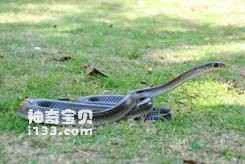
Wang Jinshe (Elaphe carinata)
17. Mountain stream salamander (Batrachperus pinchonii)
The mountain stream salamander, belonging to the genus *Hynobiidae* of the family Hynobiidae, is a species endemic to China. It is distributed in Sichuan, Guizhou, and Yunnan provinces, inhabiting mountain streams and marshes at altitudes of 1700-4000 meters. It typically inhabits under rocks, tree roots, moss, or in caves within springs and streams. In Yunnan, it is mainly distributed in northwestern Yunnan.
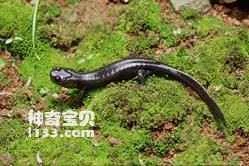
Mountain stream salamander Batrachperus pinchonii
18. Yunnan Stink Frog (Rana andersonii)
The Yunnan stink frog is an amphibian belonging to the genus *Ranidae* in the family Ranidae. It inhabits mountain streams or ponds in dense forests at altitudes of 1200-2100m, or near ponds beneath small waterfalls. It is distributed throughout Yunnan, except for the northern and northwestern regions.
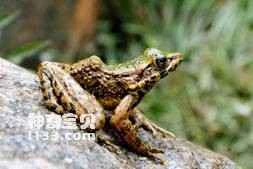
Yunnan Stink Frog (Rana andersonii)
19. Yunnan Frog (Rana pleuraden)
The Yunnan frog (Ranidae) is an amphibian belonging to the genus Ranidae. It mainly inhabits the Yunnan Plateau and the southern Hengduan Mountains, in still waters at altitudes of 1800-3000 meters and their vicinity. It is highly adaptable and easily found in rice paddies. In Yunnan, it is distributed in central, western, northwestern, and eastern regions.
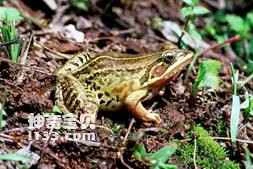
Yunnan frog (Rana pleuraden)
20. The saw-legged tree frog, *Philautus carvirostris*
The saw-legged tree frog is an amphibian belonging to the genus *Rhacophoridae* in the family Rhacophoridae. It inhabits altitudes ranging from 800 to 1500 meters and generally lives in shrublands, often perching on the branches and leaves of shrubs, vines, and weeds. In Yunnan, it is mainly distributed in southern and southeastern Yunnan.
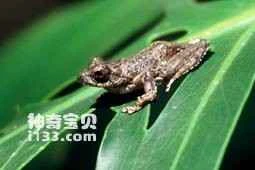
The saw-legged tree frog, Philatus carvirostris
21. Commander of the Blue Swallowtail Butterfly (Graphium agamemnon)
Species in the genus *Papilionus* are medium to large in size and fly rapidly. This species has black or dark brown wings with scattered yellowish-green spots, and a short tail on the hindwings. They are often used in butterfly handicrafts. The larvae feed on plants of the genera *Tomato* and *Michelia*. They are distributed throughout most of Yunnan province.
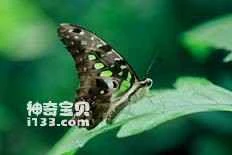
Commander Blue Swallowtail Butterfly Graphium agamemnon
22. Euploeea core (Purple Butterfly)
The wing coloration changes dramatically depending on the viewing angle, creating a truly fantastical effect. It can be found from river valleys to mountains at altitudes of up to 1200 meters, preferring sunny, dry, and breezy mountain environments. When visiting flowers, it constantly flaps its wings, and its habitat consists mainly of dry leaves or similarly colored debris. The larvae feed on plants of the genera *Ardisia*, *Nerium*, *Ficus*, and some members of the Rubiaceae and Ulmaceae families. It is distributed in southern and southeastern Yunnan.
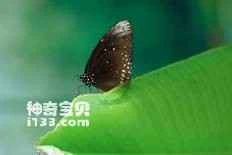
Eupleea core
23. Kapok horned longhorn beetle (Diastocera wallichi)
These pests live in subtropical forests and are found in forests and economic forests. Their host plants include kapok, toon, oak, willow, alder, mimosa, schefflera, and peach. In Yunnan Province, they are mainly distributed in western, central, southeastern, and northeastern Yunnan.
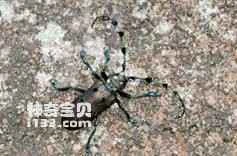
Kapok tuft longhorn beetle (Diastocera wallichi)
24. Giant Red Bug (Macroceroea grandis)
The male giant red bug has an extremely elongated abdomen, far exceeding its forewings, while the female's abdomen is wider and shorter. The male's antennae are exceptionally long. The entire body is red to vermilion, with brownish-black to black markings on the scutellum, a subtriangular spot in the middle of the pronotum, a row of large triangular spots in the center of the tarsal plate, the forewing membranes, and the sutures of the legs and abdominal segments. Host plants include cotton, solanum, and bamboo shoots. In Yunnan, it is mainly distributed in the southern region.
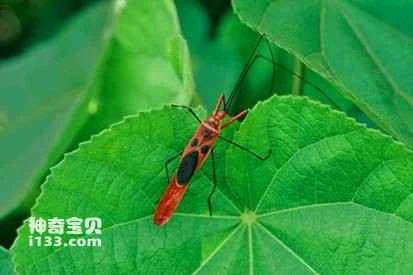
Giant Red Bug (Macroceroea grandis)