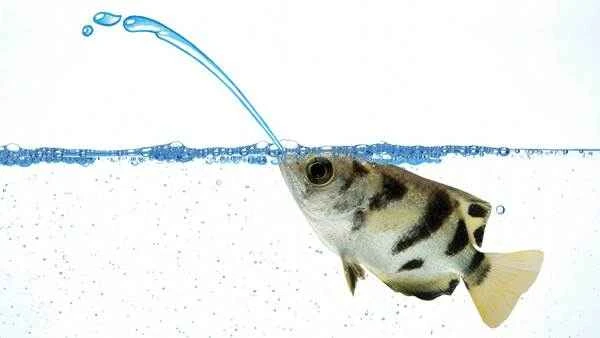
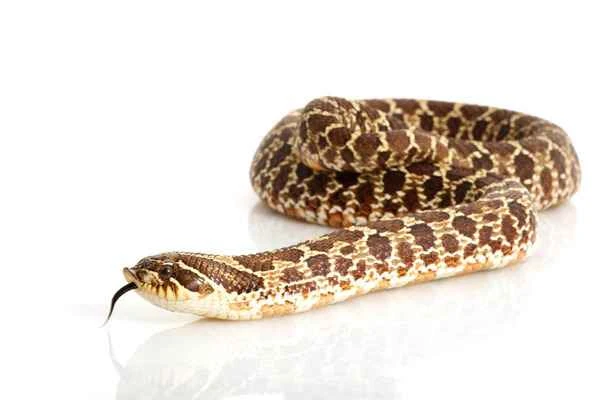
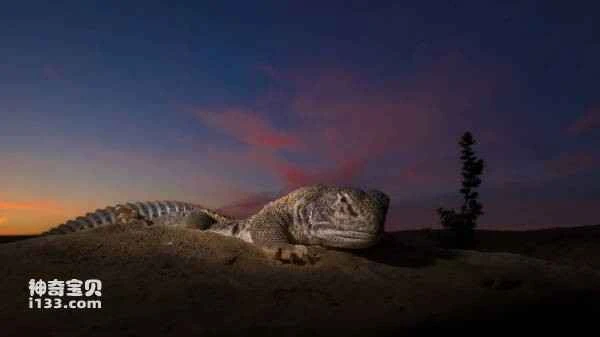
Cold-blooded animals, also known as poikilothermic animals, are those animals that lack an internal temperature regulation system. Apart from mammals and birds, almost all animals on Earth are cold-blooded. They are diverse and widely distributed, commonly including fish, frogs, snakes, turtles, shellfish, and crocodiles. Below is a list of the world's ten largest cold-blooded animals: whale shark, saltwater crocodile, Amazonian anaconda, leatherback turtle, Komodo dragon, giant ground squid, Chinese giant salamander, African giant frog, giant spider crab, and giant clam.
1. Whale shark (9-12 meters)
Whale sharks are the largest species of shark and one of the largest living fish, typically ranging from 9 to 12 meters in length. Scientific records show that the largest individual reached 12.65 meters in length and weighed up to 12 tons. Their bodies are mostly gray, scattered with yellowish-white spots, and each whale shark's spots have unique characteristics.
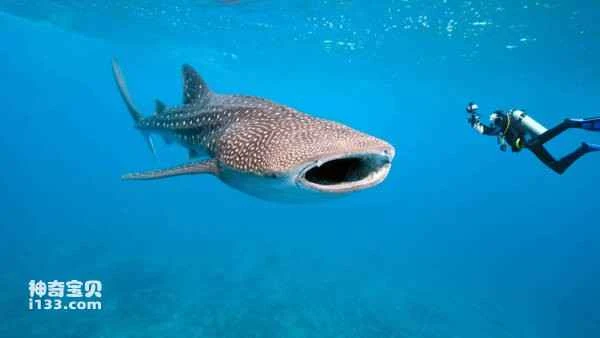
Despite their enormous size, whale sharks are remarkably gentle and will even interact closely with divers. Aside from humans, whale sharks have virtually no natural predators. They are widely distributed throughout the world's oceans, primarily in tropical and temperate coastal waters. Whale sharks are filter feeders, mainly feeding on plankton, giant algae, and krill.
2. Saltwater crocodile (3-7 meters)
The saltwater crocodile is the largest of the 23 extant crocodile species and one of the largest living reptiles on Earth. Adult saltwater crocodiles typically reach 3-5 meters in length, with some exceeding 7 meters and weighing over 1.6 tons. Compared to other crocodiles, the saltwater crocodile lacks prominent large scales on its neck and back, hence its nickname "naked-neck crocodile."
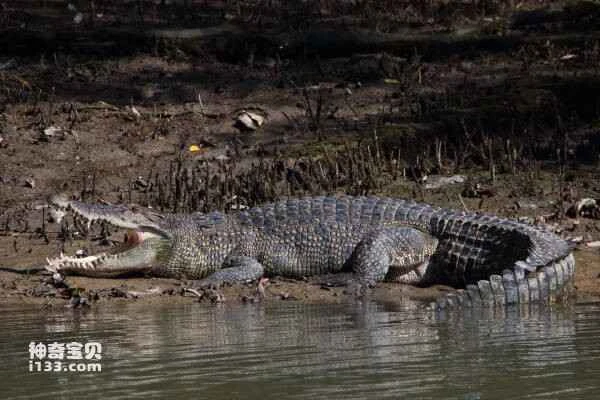
Saltwater crocodiles are mainly distributed along the coast of Southeast Asia to northern Australia and Papua New Guinea, typically inhabiting estuaries, mangrove forests, swamps, and other coastal and tidal zones. They feed on large fish and birds, and occasionally prey on large animals such as wild deer and bison. Saltwater crocodiles can easily crush the hard shells of sea turtles and are considered to have one of the strongest bites in the world.
3. Amazonian anaconda (5-10 meters)
The Amazonian anaconda is considered the largest snake on Earth. Adult anacondas typically reach a length of about 5 meters, with some individuals exceeding 10 meters and weighing over 225 kilograms. Their bodies are as strong as an adult male's torso, and their wide mouths can open up to 180 degrees. They possess stretchy skin, enabling them to swallow prey larger than themselves.
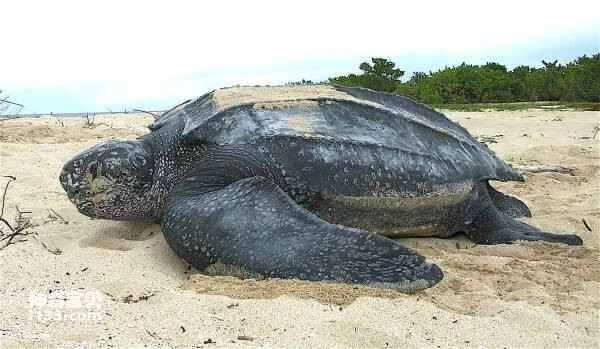
Amazonian anacondas primarily inhabit South America, typically living in muddy, shallow waters. They prey on capybaras, waterfowl, tortoises, and even caimans, demonstrating their formidable hunting abilities and adaptability to aquatic environments.
4. Leatherback turtle (2 meters)
Leatherback sea turtles are one of the largest sea turtle species in the world, typically growing up to 2 meters long and weighing over 100 kg. They live in the ocean, and unlike traditional sea turtles, leatherback sea turtles do not have a hard shell; instead, they have leathery skin. Their limbs are paddle-shaped, with particularly well-developed forelimbs, allowing them to swim quickly and nimbly in the ocean.
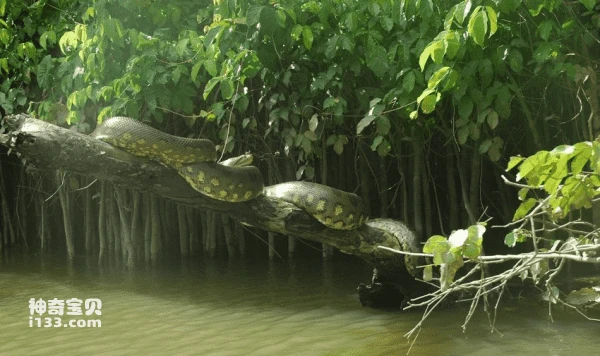
Leatherback turtles primarily feed on fish, shrimp, shellfish, seaweed, and jellyfish. Although they lack teeth, their esophagus is lined with large, sharp keratinous spines that easily grind their food for digestion. These spectacular leatherback turtles are widely distributed and can be found in coastal areas around the world. They mainly inhabit the upper and middle layers of tropical waters, and sometimes also appear in nearshore areas and harbors.
5. Komodo dragon (2-3 meters)
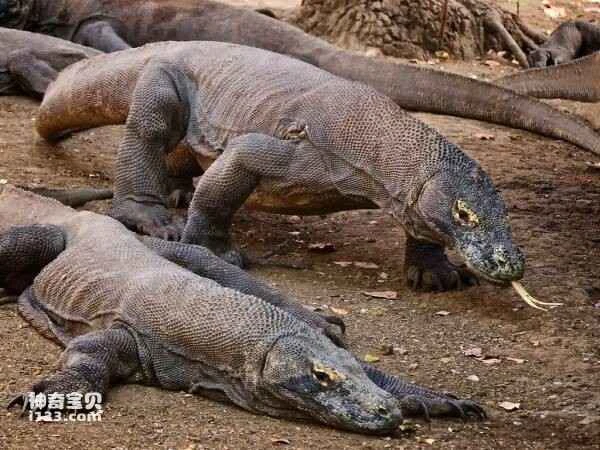
Komodo dragons, also known as Komodo monitors, are so enormous they are practically dragons in appearance, typically reaching 2-3 meters in length, making them one of the largest known lizards. These massive creatures are equally astonishing in speed, capable of accelerating to an astonishing 20-25 kilometers per hour in an instant. However, they are more adept at stealthy ambushes, using venom to incapacitate their prey before tearing them to pieces and devouring them voraciously. They primarily prey on water buffalo to satisfy their enormous appetites.
Komodo dragons are mostly found in the Lesser Sunda Islands of Indonesia, inhabiting tropical grasslands and forests. It wasn't until the early 20th century that these mysterious and amazing creatures gradually became known to people.
6. Giant Squid (4-5 meters)

The colossal squid is even larger than the giant squid, making it the largest known squid and one of the largest invertebrates in the world. These squid are typical deep-sea giant squids, living in the depths of the Antarctic Ocean, and are extremely mysterious; to date, humans have only captured a very small number of individuals.
In 2007, a colossal squid caught in the Antarctic Ocean measured 4-5 meters in length and weighed up to 245 kilograms; while in 2013, a colossal squid caught weighed an even larger 350 kilograms. These creatures grow at an astonishing rate, transforming from juveniles to enormous animals in just about 450 days—a growth rate unique in the animal kingdom and truly breathtaking.
7. Chinese giant salamander (1-2 meters)
The Chinese giant salamander is a precious wild animal unique to China, known as the "baby fish" because it makes a sound at night that resembles a baby crying. As one of the largest extant amphibians in the world, the Chinese giant salamander is usually about 1 meter long, with a maximum length of 2 meters and a weight of up to 50 kilograms. Its skin is smooth and its color varies depending on the environment, mainly brown or reddish-brown.

The Chinese giant salamander was once widely distributed in the Yellow River, Yangtze River, and Pearl River basins, inhabiting clear streams and lakes. They mainly preyed on fish, shrimp, and aquatic insects, and sometimes also hunted small birds and rodents.
8. African Giant Frog (1 meter)
The African giant frog is one of the largest frog species on Earth, its discovery and naming dating back to the renowned herpetologist Pauleng in 1906. These giant frogs can grow up to 32 centimeters long, and when their bodies are spread out, they can reach nearly 1 meter in length. They have a distinctive triangular head and a flat, broad body, with a large mouth large enough to swallow relatively large prey. The African giant frog has an amazing jumping ability, capable of leaping up to 5 meters high.
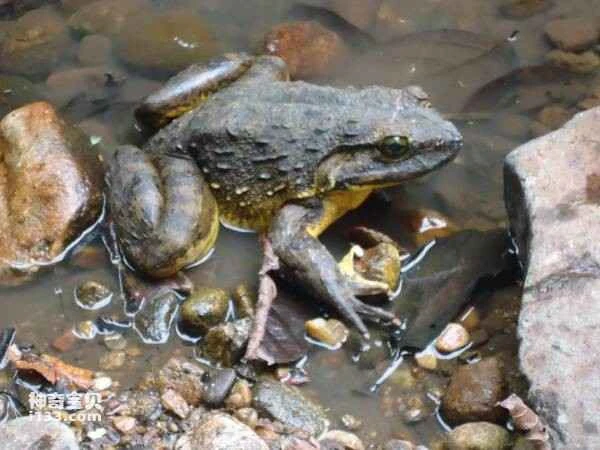
This giant frog is found only in the riverine regions of West Africa, primarily in the hot, humid primary forests and large rivers of southern Cameroon and northern Equatorial Guinea. They prey on a variety of foods, including insects, fish, small mammals, and other amphibians.
9. Giant spider crab (4.2 meters)
The giant spider crab is one of the largest crustaceans in the world and the prototype for the "killer crab" myth circulating in China. The largest known specimen of the giant spider crab can reach 4.2 meters in leg span, 38 centimeters in body length, and weigh up to 20 kilograms. Their lifespan can even extend to a century. These creatures are entirely orange with spots and possess ten long, slender, sharp claws, preying exclusively on fish.
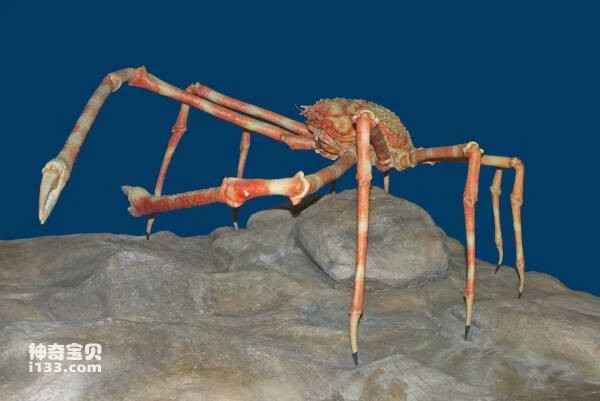
Giant swamp crabs are mainly distributed along the Pacific coast near Japan, with most inhabiting the area near the Japanese archipelago. They live on the continental shelf and slopes in the deep sea, as well as on sandy beaches and rocky bottoms.
10. Giant clam (over 1 meter in length)
Giant clams are among the largest bivalve mollusks in the ocean, often referred to as the "King of Clams." They can reach lengths exceeding 1 meter and weigh over 300 kilograms. These shells are thick and rough, their appearance unremarkable. However, once opened in the sea, the interior displays a dazzling array of colors, often adorned with elaborate patterns. Giant clams have a mutually beneficial symbiotic relationship with zooxanthellae and feed on plankton.
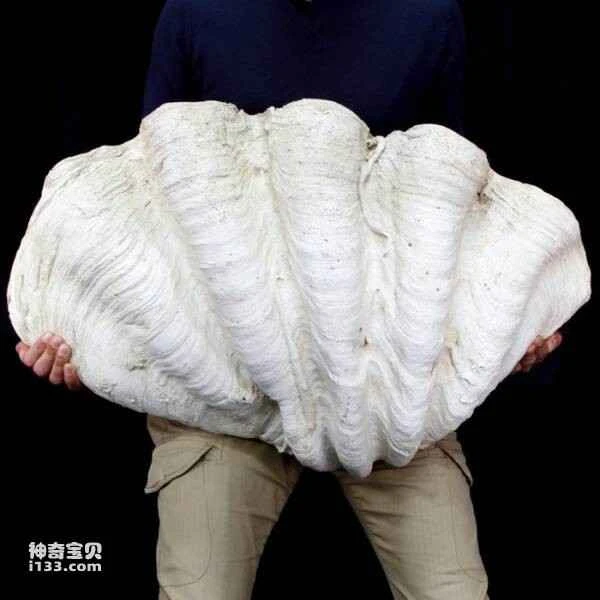
These spectacular creatures are mainly distributed in the coral reef environments of the tropical waters of the Indian and Pacific Oceans, where they coexist with beautiful and diverse marine life.
The list of the world's top ten largest cold-blooded animals was compiled by searching for cold-blooded (ectothermic) animals on relevant online platforms and taking into account factors such as their morphological characteristics, habits, population size, and popularity and influence. This list aims to showcase the largest and most prominent species in the animal kingdom. However, it should be noted that this ranking is for reference only, and the specific order may vary depending on different data sources and evaluation criteria.

If you have any questions about this list, or any comments or criticisms, please leave a message at the end of the article. Your feedback is very important for improving the discussion on this topic. Let's explore these giant cold-blooded animals together and feel their extraordinary presence and captivating charm in the natural world. Thank you for your attention and support!