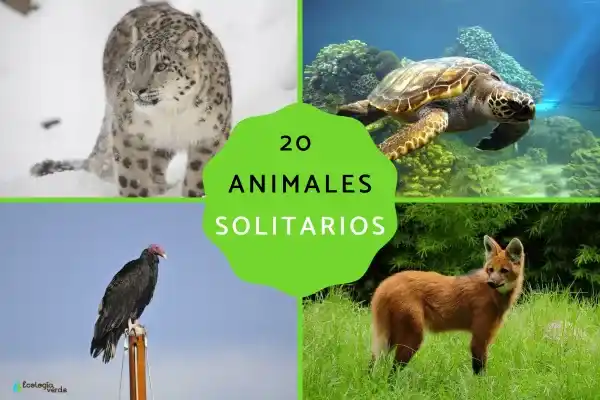
Animal behavior is incredibly diverse. Some animals rely on group living for organization, foraging, or raising their young; others choose to live alone, far from their own kind. While this may sound like a disadvantage, many species demonstrate that solitary living can be a successful survival strategy. In this article, we will introduce 20 typical solitary animals and explain their behavioral characteristics, habitat habits, and survival strategies.
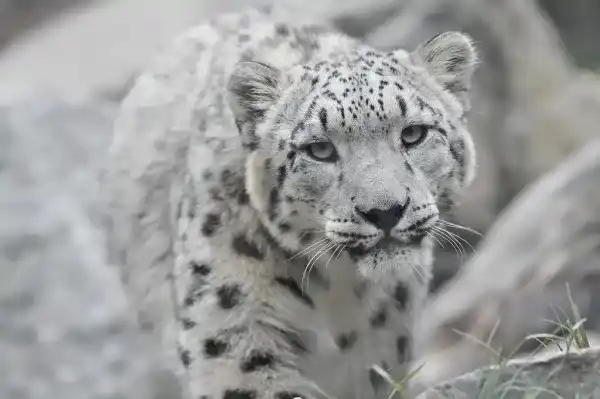
1. Snow leopard (Panthera uncia)
Snow leopards are among the most representative solitary species of large cats. They live in the cold, mountainous regions of the Himalayas at altitudes above 4,000 meters, in extreme environments with low oxygen levels and low biodiversity. This also means scarce food resources. To find prey, snow leopards often need to trek as much as 800 kilometers. They have a wide range, rarely encounter each other, and maintain a distance from almost any other animal.
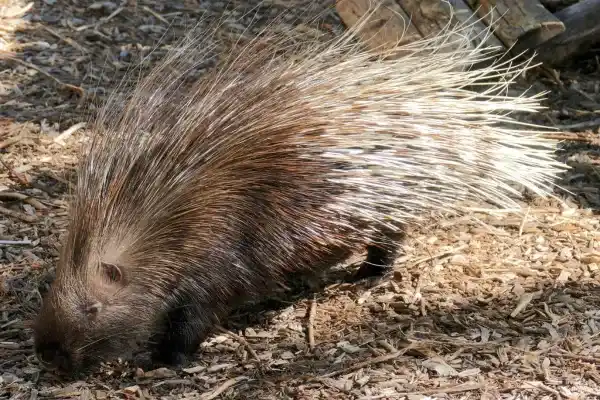
2. Crowned porcupine (Hystrix cristata)
Crested porcupines are timid and shy, usually living alone in burrows they dig themselves, occasionally connecting with the burrows of family members. When threatened, they typically flee, but if forced to defend themselves, they will use the hollow spines at the end of their tails to create a squeak to warn enemies. The hard spines on their bodies also serve as a strong deterrent.
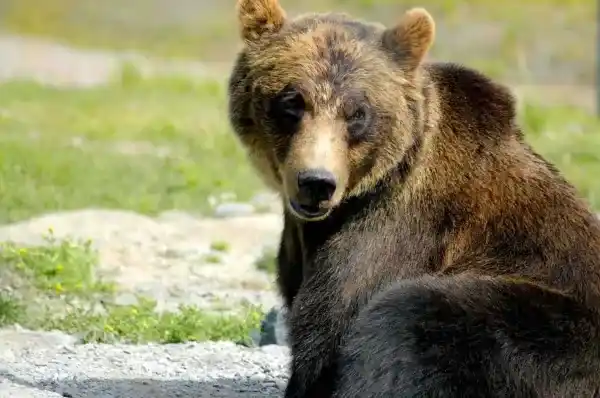
3. Brown bear (Ursus arctos)
Brown bears are among the most solitary of mammals. They are temperamental and highly territorial, especially in areas with abundant food resources and sparse human activity. When two male brown bears meet, fierce territorial battles often erupt. Brown bears only briefly associate with each other during the breeding season or when raising cubs. They also hibernate, further emphasizing their solitary nature.
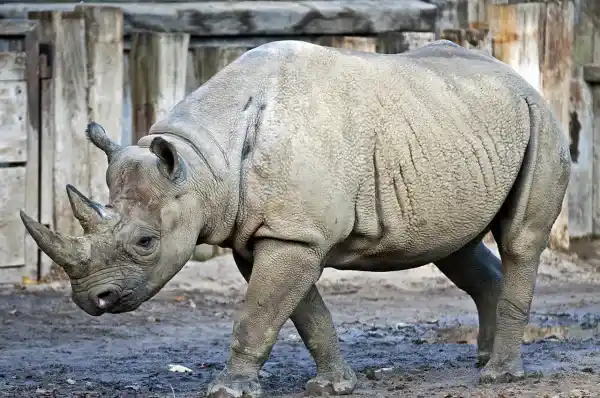
4. Black rhinoceros (Diceros bicornis)
Male black rhinoceroses are typical solitary animals. In contrast, females live with their calves for several years. They mark their territory with feces to avoid unnecessary contact. Despite their large size and imposing appearance, black rhinoceroses are not aggressive. Territorial disputes are often resolved through a clinking of horns rather than a real fight.
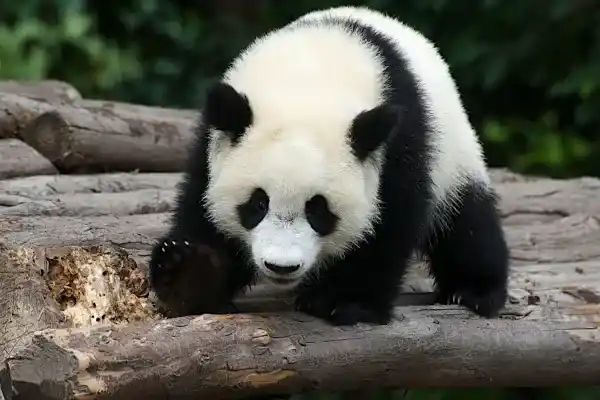
5. Giant Panda (Ailuropoda melanoleuca)
Giant pandas are not only solitary but also have low activity levels. They mark their territory by scratching tree trunks, urinating, or secreting scents to avoid contact with other pandas. The breeding season is the only time they will actively approach other pandas; after mating, females return to a solitary life and raise their cubs alone. They mainly inhabit bamboo forests and are only active in the early morning and evening.
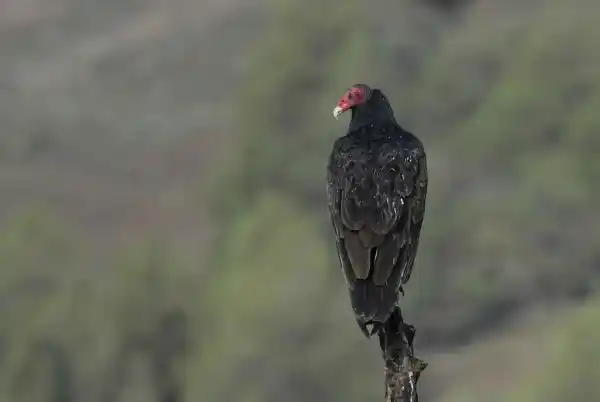
6. Red-headed vulture (Sarcogyps calvus)
Unlike other vultures that prefer to forage in flocks, red-crested vultures are shy and cautious, usually waiting until other scavengers have left before approaching carcasses to feed. Their nests are also mostly built solitarily, rarely in pairs. Even when they do appear in pairs, their overall lifestyle remains highly independent.
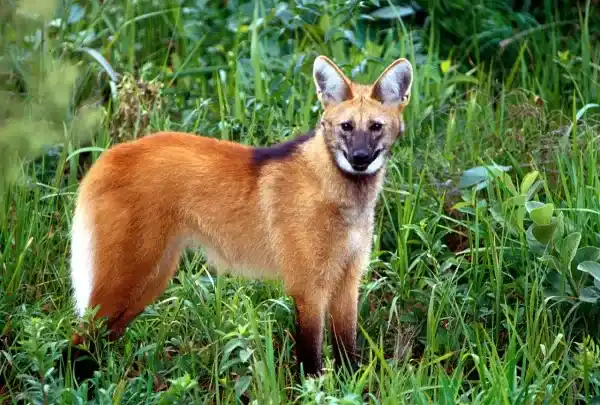
7. Maned Wolf (Chrysocyon brachyurus)
The maned wolf is a canid endemic to South America, often mistaken for a fox or wolf. They are quiet, solitary creatures that inhabit open grasslands. Due to their difficulty in observation, they were once thought to be extinct. They only interact with each other during the breeding season. They primarily feed on small rodents, hunting in a way that leaves no trace and is difficult for humans to detect.
8. Sea turtle (Superfamily: Chelonioidea)
All sea turtles are solitary travelers. They prefer to traverse the vast ocean alone, spending almost their entire lives in the water, only gathering briefly during the breeding season. They can live up to a hundred years, and their hard shells provide them with essential protection.

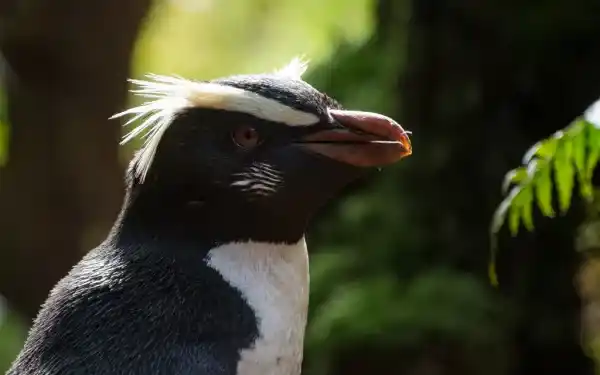
9. New Zealand Penguin (Eudyptes pachyrhynchus)
These penguins spend most of their time living alone in the sea, only briefly gathering with their kind on land to breed. In search of food, they can swim thousands of kilometers alone, completing energy-intensive migrations.
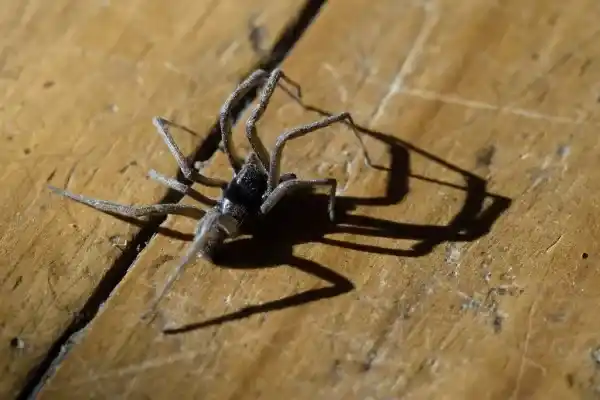
10. Violin Spider (Loxosceles reclusa)
Also known as the hermit spider or reclusive spider, it is a solitary spider species that is secretive and nocturnal. It typically builds its nest in secluded places such as corners and behind furniture. Although it does not actively attack humans, if disturbed, its venom can cause severe necrotic wounds and even systemic reactions, posing a certain medical risk.
Other typical solitary animals (briefly listed)
Besides the 10 species mentioned above, there are other animals that are also known for their solitary lifestyles:
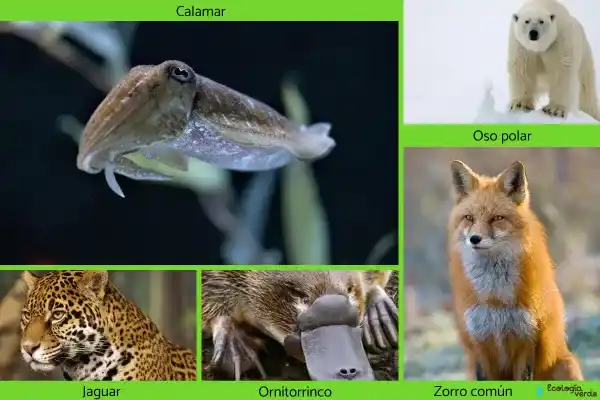
Squid (Teuthida) : Usually hunted alone, with some species occasionally forming short groups.
Polar bear (Ursus maritimus) : Except for mother-child relationships, they spend most of their time alone.
Jaguar (Panthera onca) : A typical solitary hunter with a strong sense of territory.
Platypus (Ornithorhynchus anatinus) : A peculiar oviparous mammal with mysterious lifestyle habits.
Red fox (Vulpes vulpes) : Although it frequently appears in cities, it mostly lives a solitary life of foraging.
Conclusion: Living alone does not equate to vulnerability.
These animals, though choosing to distance themselves from their own kind, are not weak. They have adapted to the challenges of solitude, developing keen senses, self-defense capabilities, or extremely strong survival instincts. Solitary living is a form of wisdom born of natural selection.