Snakes are fascinating and unique pets, each with its own personality, and many species are easy to care for. If you're considering keeping a pet snake, here's a detailed introduction to ten popular snake species, including information on their habits, habitats, diet, and care.
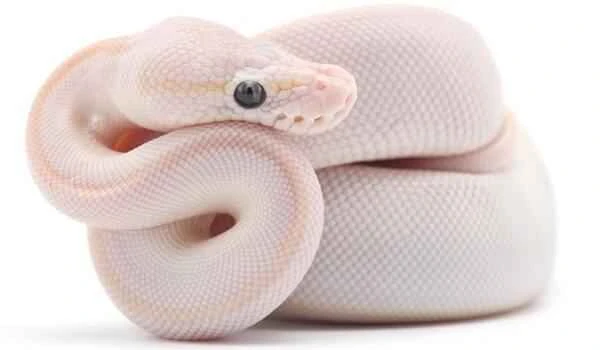
1. Ball Python
Habits and Habitat
Ball pythons are known for their docile nature and often curl into a ball when startled. They come from the grasslands and forests of West Africa.
diet
They primarily feed on rodents. Young snakes may eat small mice, while adult snakes typically eat larger mice.
Nursing
Ball pythons require a habitat with appropriate humidity and temperature gradients (75°F to 80°F on the cooler side and 88°F to 96°F on the warmer side). Safe roosts and hiding places are important for their comfort.
2. Corn snake
Habits and Habitat
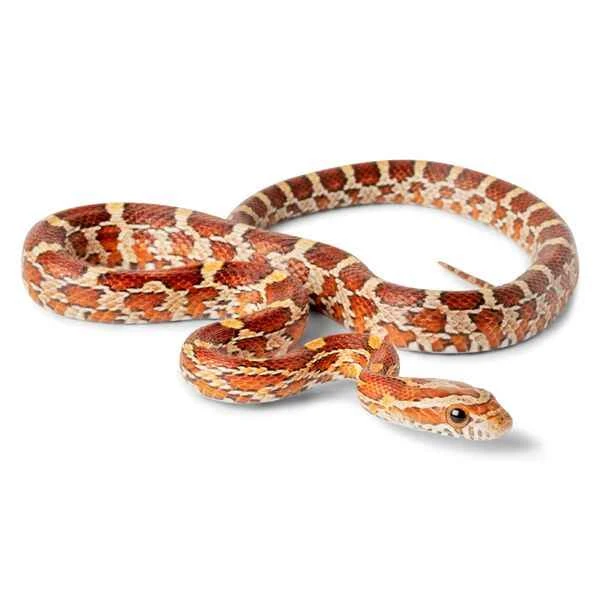
Corn snakes are friendly and easy to handle, and are mainly found in the southeastern United States, commonly in forests and fields.
diet
They primarily feed on rodents and birds. They are fed appropriately sized prey every 5 to 7 days.
Nursing
Corn snakes survive in temperatures ranging from 75°F to 85°F, with sunbathing areas ideally around 85°F. They require a safe, unassailable enclosure that offers opportunities for climbing.
3. King Serpent
Habits and Habitat
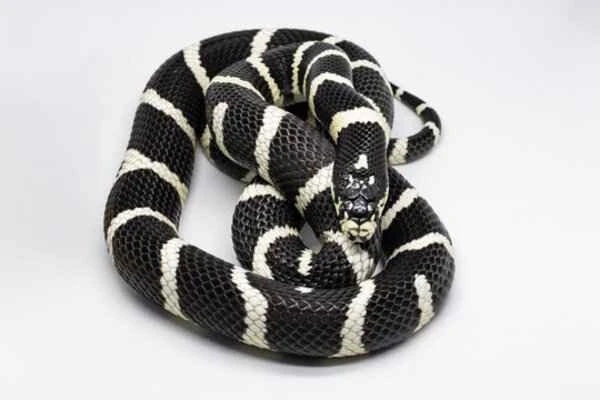
The King Snake is known for its diverse colors and patterns and is found in North America, inhabiting a variety of environments including deserts and forests.
diet
They are opportunistic predators, consuming a variety of prey, including rodents, lizards, and even other snakes. Feeding them once a week is sufficient.
Nursing
King snakes require a temperature range of 75°F to 85°F, with sunbathing areas around 90°F. As their body length increases, they need a larger habitat.
4. Boa Python
Habits and Habitat
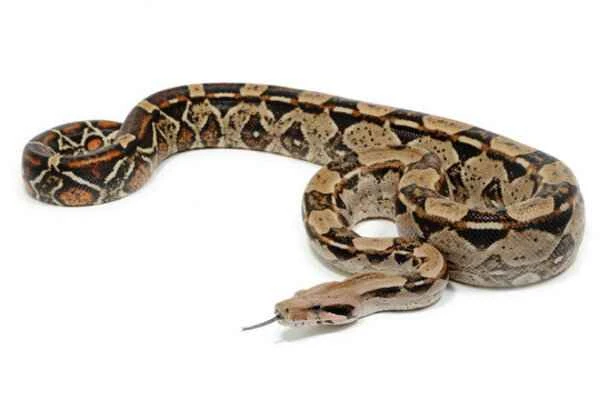
Boa pythons are large, docile snakes that are mainly found in the tropical forests of Central and South America.
diet
They mainly feed on mammals and birds. Young snakes are fed every 5 to 7 days, while adult snakes are fed every 10 to 14 days.
Nursing
Boa pythons require a temperature gradient of 75°F to 85°F, with a sunbathing area of approximately 90°F. Spacious terrariums and hiding places are very important.
5. Spotted snake
Habits and Habitat
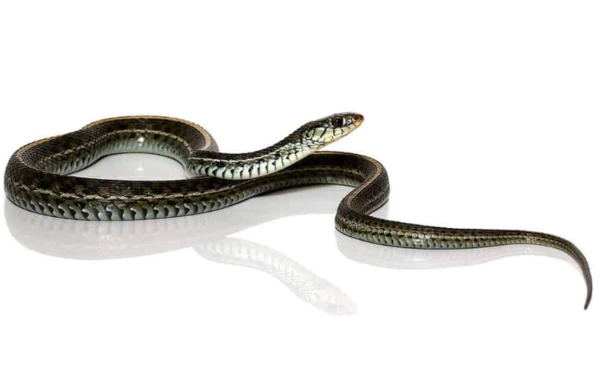
The spotted snake is a small, usually brightly colored snake that is very common in North America and inhabits a variety of environments, including gardens and wetlands.
diet
They mainly feed on amphibians, fish, and small mammals. They only need to be fed once every 3 to 5 days.
Nursing
Spotted snakes require a temperature range of 70°F to 80°F, with a sun-drenched area of about 85°F. They are adapted to humid environments.
6. Red-tailed Boa Python
Habits and Habitat
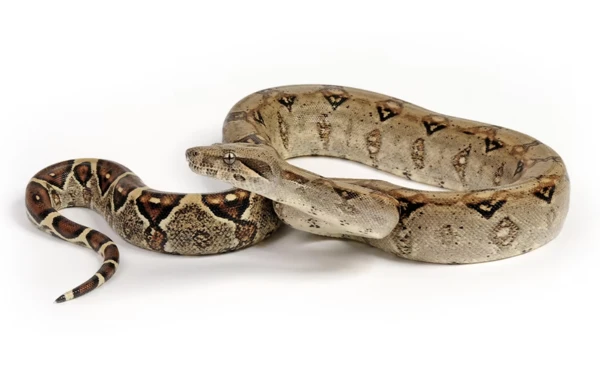
The red-tailed boa python is known for its striking colors and large size, and is mainly found in the rainforests of Central and South America.
diet
Like other boa pythons, they feed on mammals and birds, with juveniles being fed more frequently than adults.
Nursing
Red-tailed pythons require a temperature gradient of 75°F to 85°F, with a sunbathing area of approximately 90°F. Spacious terrariums and hiding places are essential.
7. Milk Snake
Habits and Habitat
Milk snakes are non-venomous, come in various appearances, and are mainly distributed in North America, where they are commonly found in rocky areas.
diet
They primarily feed on small mammals, birds, and reptiles. Feeding once a week is sufficient.
Nursing
Milk snakes require a temperature range of 75°F to 85°F, with a sunbathing area of around 90°F. They enjoy climbing, so a taller terrarium is better.

8. Oriental Indian Snake
Habits and Habitat
The Eastern Indian snake is a large, non-venomous snake with a smooth, bluish-black body. It is found in the southeastern United States and inhabits diverse environments.
diet
It feeds on a variety of prey, including rodents and other snakes, and its feeding frequency is similar to that of other large snakes.
Nursing
It requires a temperature gradient of 75°F to 85°F, with a sunbathing area of approximately 90°F. It needs a spacious perch and hiding place.
9. Nose-headed snake
Habits and Habitat
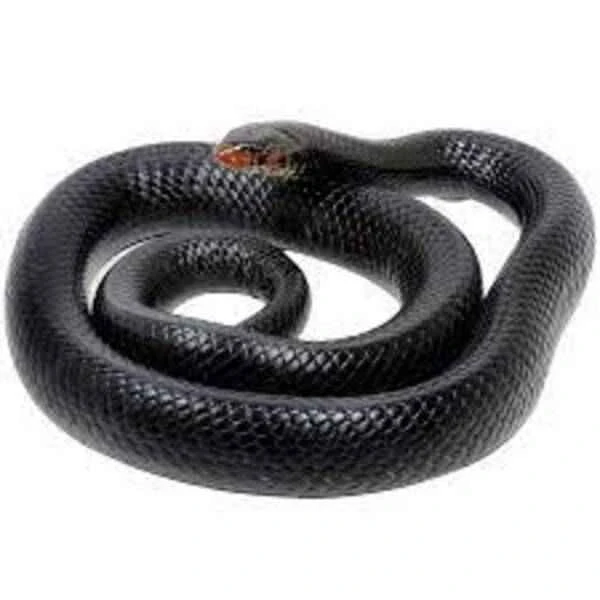
The nose-tip snake is known for its upturned nose and exaggerated defensive behavior, and is mainly distributed in North America.
diet
They primarily feed on toads and small mammals. They are fed every 5 to 7 days.
Nursing
They require a temperature range of 75°F to 85°F, with approximately 90°F in sun-drenched areas. They like to dig, so a suitable substrate is important.
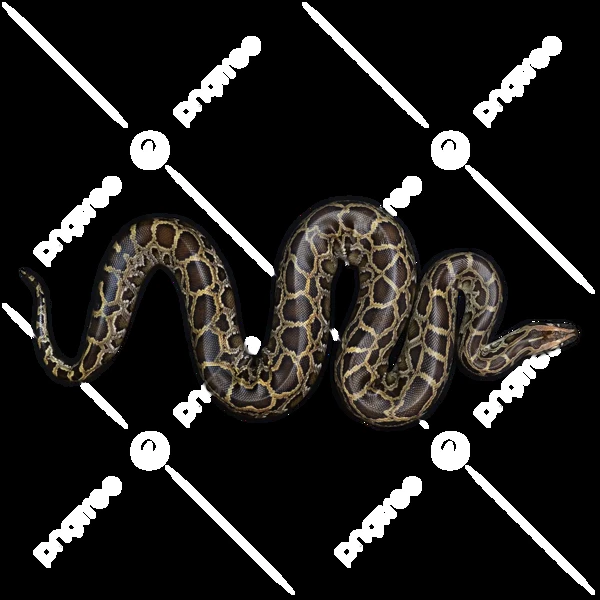
10. Burmese python
Habits and Habitat
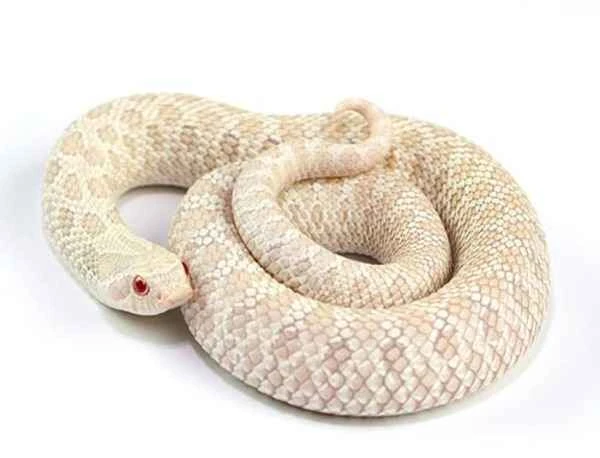
Burmese pythons are large in size, usually docile, and native to Southeast Asia, mainly inhabiting forests and swamps.
diet
They feed on larger prey, including rabbits and even pigs. They are fed once every 1 to 2 weeks.
Nursing
Burmese pythons require a temperature gradient of 75°F to 85°F, with a sunbathing area of approximately 90°F. Due to their large size, they need very spacious enclosures.
When choosing a pet snake, you need to consider its specific needs and whether you can meet those needs. Before making a decision, ensure you do thorough research on each species. With proper care and a suitable environment, snakes can be satisfying and enjoyable companions!
Choose the most suitable pet snake
Choosing the right pet snake depends on your experience level, available space, and personal preference. Here are some top options for both beginners and experienced keepers.
1. Ball Python
Ball pythons are generally considered the best pet snakes for beginners. They are gentle, friendly, and easy to handle, typically growing to 3 to 5 feet, making them manageable for most people. Ball pythons have a simple diet, primarily consisting of rodents, and require relatively low maintenance of their habitat.
2. Corn snake
Corn snakes are another excellent choice. Known for their vibrant colors and patterns, they typically grow to 4 to 5 feet in length. Corn snakes are hardy, easy to care for, and have a gentle temperament. They adapt to a variety of environments, making them versatile pets.
3. Spotted snake
The spotted snake is relatively small, typically between 2 and 3 feet in length, making it ideal for beginners. They are active, playful, and curious, making them fascinating to observe. Their diet is diverse, including insects and small fish, adding some variety to their meals.
4. California Kingsnake
California kingsnakes are popular for their striking patterns and colors. They are generally docile but can be more active than other snakes. Reaching about 3 to 4 feet in length, they require slightly more space. They feed on rodents and are a good choice for those seeking a distinctive snake.
5. Milk Snake
Milk snakes are known for their vibrant and beautiful colors, exhibiting a wide range of hues. They are kept in a similar manner to corn snakes and typically grow to 2 to 4 feet in length. Milk snakes are generally friendly and easy to handle, making them suitable for both beginners and experienced keepers.
Recommendations for choosing the right snake species
When choosing a pet snake, please consider the following points:
Size: Ensure you have enough space to accommodate the snake's habitat and to accommodate its growing size.
Temperament: Some snakes are more docile than others. Research different species to find a snake that suits your comfort level.
Diet: Understand the snake's dietary needs and feeding frequency. Some snakes may require specific prey.
Habitat: Ensure that a suitable environment is provided, including temperature, humidity and shelter.
Final Reflections
The best pet snake is one that matches your lifestyle and experience level. Ball pythons and corn snakes are excellent choices for beginners, while others such as king snakes and milk snakes offer more variety. With proper care and a suitable environment, these snakes can make fascinating and satisfying pets!
Are snakes good pets?
If you're considering getting a pet, you might be wondering if a snake is a good option. While snakes are quite different from traditional pets like dogs or cats, they can be worthwhile companions. Here are some advantages of snakes as pets and things you should know before getting one.
1. Low maintenance
One of the biggest advantages of keeping snakes is their relatively low maintenance. Unlike dogs, snakes don't require daily walks or constant attention. Most snakes only need to be fed once a week, or even less, depending on their size and species. Their habitats are also easy to clean, typically requiring only a change of substrate every few weeks.
2. Unique and captivating
Snakes are a unique pet that can spark curiosity and fascination. They come in a variety of colors, patterns, and sizes, making them visually fascinating. Observing a snake's movement, molting, or hunting behavior is a captivating experience. If you enjoy learning about different species and their behaviors, keeping a snake can offer endless opportunities for exploration.
3. Space Requirements
Snakes do need suitable habitats, but their space requirements are not as demanding as those of large pets. A properly sized enclosure can accommodate most living spaces, provided the temperature and humidity are suitable. Many smaller species, such as corn snakes or ball pythons, are of moderate size and require relatively simple setup.
4. A quiet companion
If you live in an apartment or prefer a quiet environment, snakes may be the ideal pet. They don't bark, meow, or make loud noises, making them perfect for those who appreciate tranquility. Their calm nature can also bring comfort to their owners.
5. Less likely to cause allergies
For people allergic to hair or feathers, snakes are a great alternative. They don't have hair, which means no shedding and fewer allergens in the home. However, it's important to note that snake substrate and food materials can still trigger some allergic reactions.
Things to consider
While snakes can make great pets, there are a few things to consider before bringing one home:
**Lifespan:** Many snakes can live for more than 15 years, so be prepared for long-term care.
**Diet:** Snakes feed on whole prey, usually rodents. You will need to adapt to this feeding method, including handling frozen prey.
**Handling Requirements:** Some snakes are more docile and easier to handle than others. Studying specific species will help you find a snake that suits your comfort level.
**Laws and Regulations:** Some regions have laws governing snake possession. Before acquiring a snake, be sure to check local regulations.
Final Reflections
So, are snakes good pets? The answer depends on your lifestyle and personal preferences. If you're looking for a low-maintenance, unique, and quiet companion, a snake might be perfect for you. With proper care and understanding, snakes can be fascinating and delightful pets, adding an exotic touch to your life!