The Ultimate Guide to Ball Pythons
Ball Python Introduction <br/>Ball pythons, also known as royal pythons, are one of the most popular pet snakes. Their gentle temperament, moderate size, and vibrant color variations make them an ideal choice for both beginners and experienced snake owners.
Physical Characteristics <br/>Ball pythons typically grow to about 3 to 5 feet in length. They are robust and have distinctive light and dark scale patterns. Their colors vary widely, including yellow, brown, and black, and they often attract collectors with their beautiful combinations.
Distinguishing from similar species: <br/>Although ball pythons share habitats with other pythons (such as Burmese pythons), they are smaller and more docile. Unlike the more aggressive reticulated python, ball pythons tend to curl up into a ball when threatened, hence their name.
Reproduction <br/>Ball pythons are oviparous, meaning they lay eggs. Females typically lay 4 to 10 eggs and incubate them by coiling around them, maintaining suitable temperature and humidity until hatching.
Confinement Environment <br />Creating a suitable environment is crucial. Ball pythons thrive in glass enclosures with temperatures ranging from 75°F to 95°F. A humidity level of 50% to 60% helps them shed their skin effectively.
How to Keep Ball Pythons<br/>Feeding ball pythons is simple; they primarily eat rodents. Providing appropriately sized prey and ensuring a constant supply of fresh water is important. Handle them gently to minimize their stress.
Disease Prevention and Control <br />Common problems include respiratory infections and mites. Regular veterinary checkups and maintaining a clean living environment can help prevent these problems. When introducing new snakes, they should be quarantined to prevent the spread of disease.
Important Notes : Pay close attention to their feeding schedule and habitat. Overfeeding can lead to obesity, while inappropriate temperatures can cause stress. Always monitor their behavior to detect any signs of illness.
Husbandry conditions : Optimal conditions include a safe habitat, proper heating, and regular cleaning. Providing hiding places is also important, as this helps them feel safe and reduces stress.
Relationship with Humans <br />Ball pythons are known for their calm temperament and ability to bond with their owners. They are generally easy to handle and make good family pets. However, respecting their needs and providing proper care is essential.
Ball pythons are fascinating and easy-to-care-for pets. With proper care and understanding, they can thrive in captivity and develop a lasting bond with their owners. Whether you are an experienced snake enthusiast or a beginner, ball pythons are exceptional creatures worth keeping.
Ball Python: 10 Colors and Variations
Ball pythons are beloved not only for their docile nature but also for their stunning colors and patterns. These variations have become an important aspect of interest for collectors and reptile enthusiasts. This article will explore ten popular color variations in ball pythons and the factors that contribute to these fascinating changes.
1. Common ball python
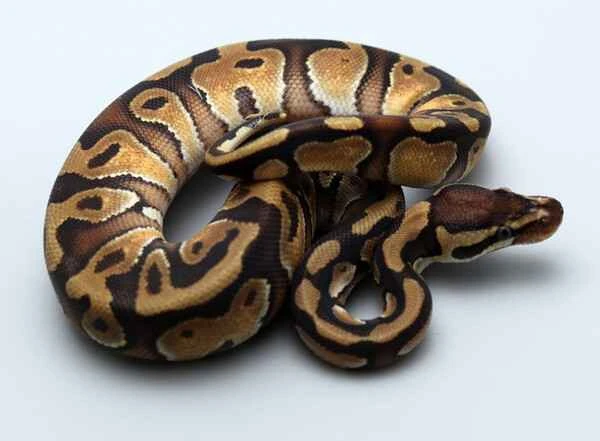
Typical ball pythons have a brown or tan base color with black and gold markings. This coloration is common in the wild and is a good starting point for understanding other variations.
2. Light-colored ball python
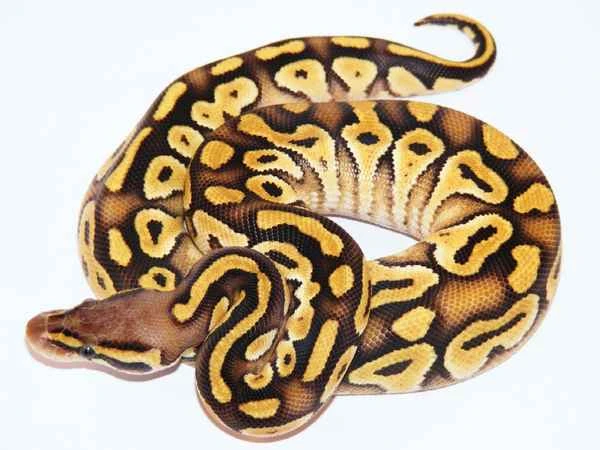
Light-colored variants of ball pythons have brighter, more vibrant colors compared to regular ball pythons. Their yellow hues are more pronounced, and their markings are typically reduced, resulting in a more striking appearance.
3. Albino ball python
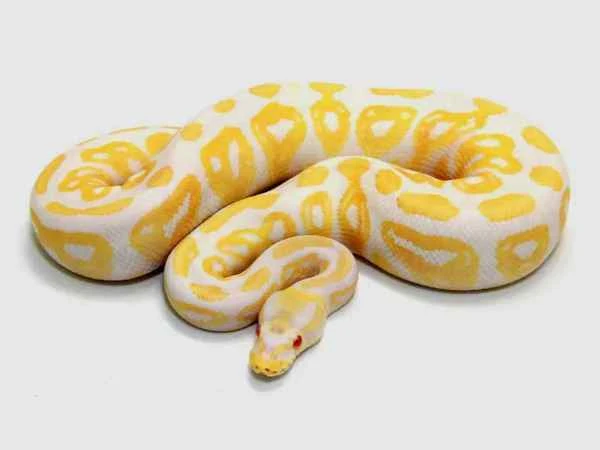
Albino ball pythons are known for their lack of melanin, resulting in a beautiful white or yellow color with red or pink eyes. This mutation is particularly sought after due to its unique appearance.
4. Spider Ball Python
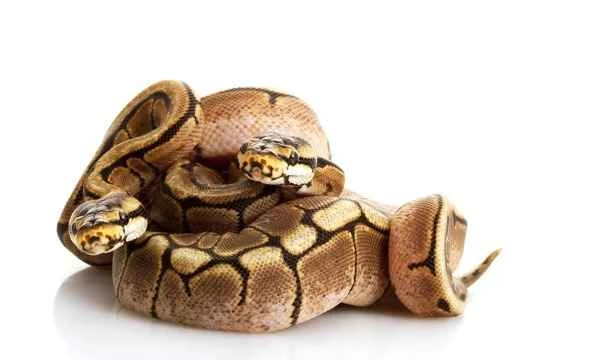
Spider-mutated ball pythons are known for their unique patterns, resembling spider webs. They typically have a light yellow base color and black stripes, creating a striking contrast that is admired by many.
5. Banana Ball Python
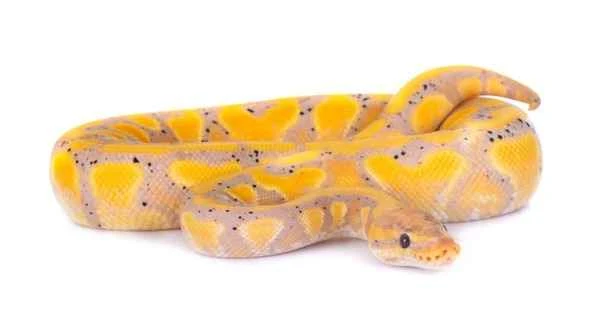
Banana ball pythons are known for their bright yellow and purple spots, giving them a lively appearance. As they grow, their colors also develop a unique fading effect.
6. Mojave Ball Python
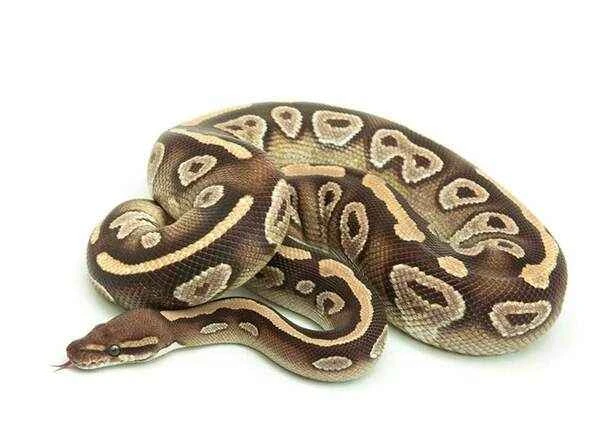
The Mojave variant of the ball python features rich, dark colors combined with beautiful, intricate patterns. Their sides often have distinctive "flame" patterns, adding to their allure.
7. Fat Cypress Python
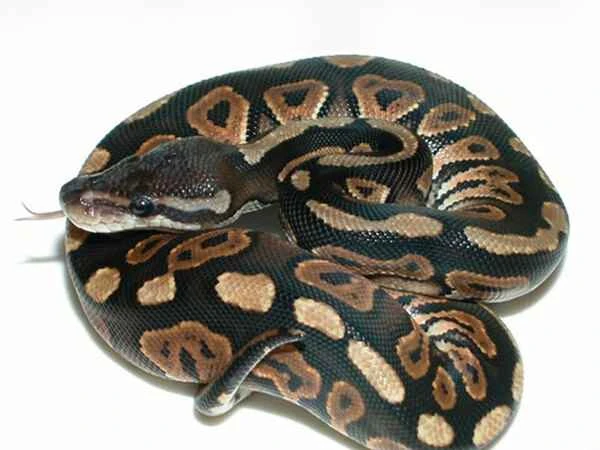
Fat laurel pythons exhibit a warm, deep brown hue with lighter patterns. Their rich tones and unique patterns make them a favorite among collectors.
8. Clown Ball Python
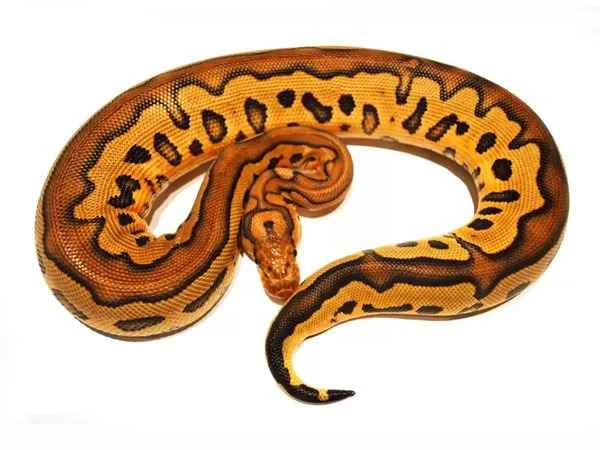
Clown variant ball pythons are known for their unique, reduced patterns and vibrant colors. They tend to have a more lively appearance, and the transitions in their colors are quite distinctive.
9. Transparent Ball Python
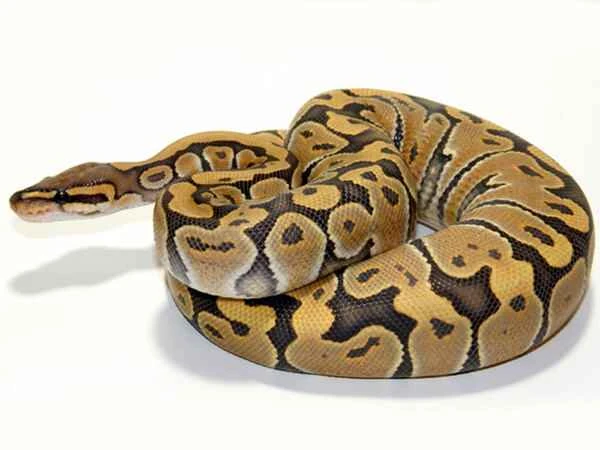
Clear (or "clear-separated melanin") ball pythons have reduced melanin, resulting in a brighter overall appearance. Their colors appear more vibrant, making them popular among keepers.
10. Ghost Ball Python
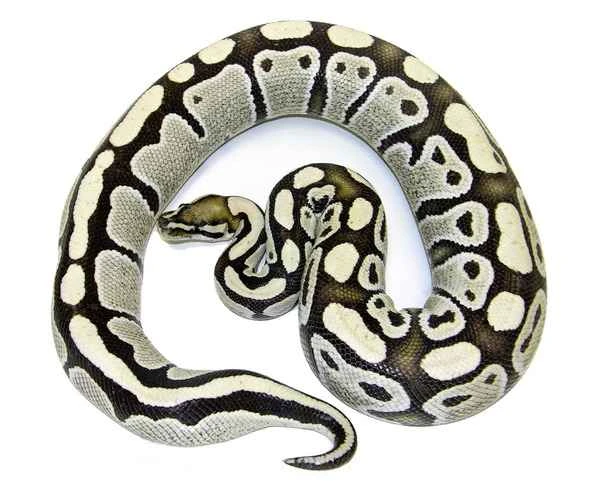
The ghostly mutated ball python has a subtle and ethereal appearance with softer colors. Their color combinations are typically gray, yellow, and light brown, creating a unique ghostly effect.
Factors causing color variation: The beautiful color variations in ball pythons mainly stem from several genetic factors:
Genetics: Variations in color and pattern are primarily determined by recessive, dominant, and incompletely dominant genes. Breeders select specific snakes for pairing to create desired traits, leading to new variations.
Selective breeding: By pairing individuals with specific traits, breeders can enhance certain traits, thereby generating new color variations over several generations.
Mutation: Natural mutations in genes can produce unexpected traits. These spontaneous changes can lead to unique variations that attract the attention of snake enthusiasts.
Environmental influences: Factors such as temperature and humidity during incubation may also affect the formation of color patterns, although genetic factors remain the main influencing factor.
The world of color variation in ball pythons is vast and exciting, with each variation bringing a unique charm. Understanding the factors behind these stunning colors helps us appreciate the beauty and complexity of these extraordinary snakes. Whether you are a collector or simply an enthusiast, the diversity of ball pythons is always impressive!
Does a high-fat diet cause color changes in ball pythons?
Ball pythons are beloved pets, renowned for their captivating colors and patterns. As a responsible owner, you might consider the impact of diet on your snake's health and appearance. A common question is: Does a high-fat diet cause color changes in ball pythons? Let's explore this topic in detail.
Learn about the colors of ball pythons
Ball pythons come in a variety of colors and patterns, primarily determined by their genetics. Different variations, such as albino, light-colored, and spider-like, possess unique genetic traits that produce their distinctive appearance. However, environmental factors such as diet can also influence their overall health and may indirectly affect their color.
The role of diet in ball python health
Ball pythons are carnivorous, primarily feeding on rodents. The quality and quantity of their food are crucial to their health. An excessively high-fat diet (e.g., overfeeding fatty prey) can lead to obesity, fatty liver disease, and digestive problems. These health issues may indirectly affect their coloration, making them appear duller.
Does a high-fat diet cause color changes?
While there is no direct link between a high-fat diet and color changes, poor dietary habits can lead to health problems that affect their appearance. When snakes are in poor health or under stress, their colors may appear less vibrant. Shedding, stress, and metabolic problems can all influence a snake's coloration.
Obesity and Health Effects: If ball pythons become obese due to a high-fat diet, it can lead to lethargy and health problems, which may cause their colors to appear less vibrant. Healthy snakes typically exhibit brighter colors, while unhealthy snakes may appear faded or dull.
Stress and environmental factors: Poor diet can lead to stress, which can also affect color. Stressed snakes may be unable to shed their skin properly, and incomplete or improper shedding can affect their coloration.
Nutrition and Color: A balanced diet can enhance a snake's natural coloration. For example, providing a varied diet and appropriate vitamin supplements can help maintain vibrant colors.
Best practices for feeding ball pythons
To ensure your ball python is healthy and brightly colored, please consider the following feeding recommendations:
Balanced diet: Provide rodents of appropriate size and avoid feeding them prey that is too fatty. Maintain a regular feeding schedule and never overfeed.
High-quality prey: Choose high-quality, healthy prey. If possible, provide different species of rodents to ensure a balanced diet.
Monitor health: Observe the snake's weight and behavior. If you notice any changes in its color or energy levels, consult a veterinarian.
Hydration: Ensure the ball python has access to fresh water at all times. Adequate hydration is crucial for overall health and vibrant coloration.
While a high-fat diet itself may not directly cause color changes in ball pythons, it can lead to health problems that affect their appearance. Maintaining a balanced diet is crucial for a snake's health and color vibrancy. By providing proper nutrition and care, you can help your ball python thrive and display its captivating beauty!
Do ball pythons change color?
Ball pythons can indeed change color, but this change is mainly influenced by the following factors:
Age: Young ball pythons typically differ in color from adult ball pythons. As they grow, their colors may become more vibrant or their patterns may change.
Shedding: After a ball python sheds its skin, it may temporarily appear brighter or more vibrant because the new skin may differ from the old skin before it adapts.
Health: A snake's health condition can affect its color. Stress, illness, or poor diet can cause its color to become dull. Conversely, a healthy ball python will typically display more vibrant colors.
Environmental factors : Environmental factors such as light and humidity can affect the coloration of snakes. For example, certain light sources may enhance or diminish coloration.
Heredity: Different variations have specific genetic characteristics that determine their color and pattern. Some variations may exhibit color changes upon ripening, such as the banana variation, which gradually fades in color as it ages.
In general, while ball pythons may exhibit some color changes throughout their lives, these changes are usually related to growth, health, or environmental factors, rather than having an innate ability to change color like some other reptiles.
Can ball pythons see colors?
Ball pythons' unique visual system is one of their most fascinating aspects. Many pet owners wonder if these beautiful snakes can see colors like humans. Understanding how ball pythons perceive the world can enhance our appreciation of these extraordinary creatures.
How does a snake's vision work?
Snakes, including ball pythons, have a different visual system than mammals. Humans have three types of color receptors (cones) that allow us to see a wide spectrum of colors, while snakes only have two. This means their color vision is limited compared to humans, but it doesn't mean they are completely unable to see color.
Ball python's color perception
Studies have shown that ball pythons can see some colors, particularly within the red and green wavelength range. While they may not perceive the full range of colors, they are sensitive to certain hues. Their ability to detect movement and contrast is more developed than their color vision, which helps them hunt and navigate effectively.
Infrared vision
One of the most fascinating characteristics of many snakes, including some close relatives of ball pythons, is their ability to sense infrared radiation. This allows them to detect the body temperature of prey in low-light conditions. However, ball pythons do not have specialized heat-sensing pits like rattlesnakes.
Environmental adaptation
Ball pythons are primarily nocturnal, meaning they are more active at night. Their vision is adapted to low-light environments, allowing them to see better in dim conditions. This adaptation makes their vision rely more on contrast and movement than on color differentiation.
In summary, while ball pythons do possess some color vision, it is limited compared to humans. They may be able to see certain colors, particularly red and green, but their strength lies in detecting movement and contrast. Understanding their visual abilities helps us appreciate how these snakes interact with their environment and hunt for food, making them even more fascinating as pets and in the wild.