Current climate change is causing numerous environmental changes, such as rising temperatures, which directly impact ocean and ocean currents, and the drying up of aquatic systems during droughts, leading to the loss of aquatic biodiversity, including zooplankton. In the face of these ecological changes, research on planktonic communities plays a crucial role because understanding the biotic and abiotic factors involved in the dynamics and structural regulation of aquatic ecosystems allows us to promote their protection and preservation.
Continue reading to immerse yourself in the amazing aquatic world and learn what zooplankton are, their importance, and many examples of the organisms that make them.
What are zooplankton - Definition and characteristics
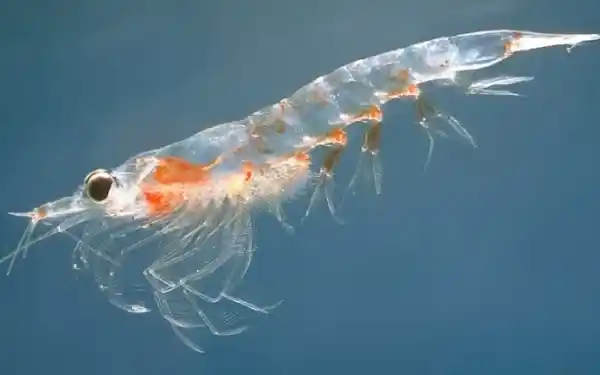
Zooplankton, or zooplankton, is a collective term for all organisms belonging to the animal kingdom that float and wander within the first 200 meters of depth in many aquatic ecosystems on Earth.
These animals that make up zooplankton are often very small and, along with phytoplankton, form a suspended mass of life in both freshwater and brackish waters of aquatic ecosystems. Let's see more characteristics of zooplankton in the list below:
The organisms that form zooplankton are heterotrophic, feeding on primary producers such as phytoplankton, as well as other animals that make up zooplankton and other suspended microorganisms (such as decomposing bacteria and organic waste).
They grow quickly, but have short lifespans.
Zooplankton are considered an important part of the aquatic ecosystem community, occupying the position of major consumers in the trophic chain and serving as a link between autotrophic producers (phytoplankton) and secondary consumers (fish, marine mammals, some birds, and all types of invertebrates).
Zooplankton exist in both high-altitude marine ecosystems (the world's oceans) and freshwater still-water ecosystems (lakes, lagoons, etc.).
Zooplankton: Examples
As we mentioned earlier, zooplankton are primarily composed of microorganisms, so many of these animals may be largely unknown if we are not familiar with the taxonomic groups of invertebrates. Krill (Meganyctiphanes norvegica) is perhaps the most well-known zooplankton, but what about the other animals that make up it? The following list of examples of zooplankton will help you learn the names of many of these species:
Copepods.
Cladocera.
Rotifers.
Comb jellyfish.
Siphonophores.
Oceanic polychaetes.
Mediatized classes.
Echinoderm larvae.
Small crustaceans, such as decapods, and their characteristic nauplius larvae.
The eggs, larvae, and juveniles of certain fish species.
The importance of zooplankton
As an integral part of the trophic chain in aquatic ecosystems, the presence of zooplankton is crucial for the proper functioning and optimal balance of these ecosystems. Based on the specific composition and life characteristics of zooplankton, we can understand the health status of aquatic communities and biological systems, or conversely, their deficiencies. Therefore, we can confidently say that zooplankton is an optimal indicator of the quality of aquatic ecosystems.
In addition, zooplankton play a very important role in planktonic interactions, namely in the biological relationships that occur between organisms that are part of the zooplankton-phytoplankton group and within the zooplankton itself.
On the other hand, the amazing biodiversity of zooplankton is considered one of the most important natural resources of aquatic ecosystems because they ensure the availability of nutrients and animals for other parts of the food chain during important natural phenomena such as El Niño.
The difference between zooplankton and phytoplankton
As we've seen before, both zooplankton and phytoplankton are part of the planktonic community, providing food for numerous animals and thus maintaining the balance of the trophic chain in aquatic ecosystems. However, there are some differences between the two groups of aquatic organisms. These are the main distinctions between zooplankton and phytoplankton:
As their names suggest, zooplankton are composed of animal species, while phytoplankton are composed of plant species.
These are heterotrophic organisms and autotrophic organisms, respectively.
Zooplankton are distributed at any depth within 200 meters of open marine ecosystems, while phytoplankton only exist in the highest layers that receive sunlight.
To gain a complete understanding of these organisms, we recommend that you read other articles about what phytoplankton are and what plankton are and their importance.