In nature, some animals have evolved astonishing self-defense capabilities, effectively resisting external threats. These animals not only possess powerful survival skills but also natural "armor," making them virtually invulnerable, turning them into "armored warriors" of nature. These animals' defense systems allow them to calmly cope with predators or environmental crises. This article will detail which animals possess this invulnerability and explore how they utilize these unique defense mechanisms for survival.
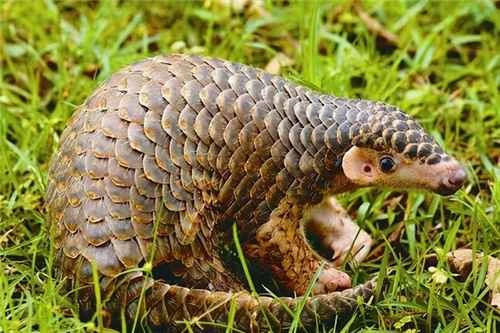
I. Pangolin – Protected by scales
1. Scale structure
Pangolins are recognized as "armored warriors" in nature. Their bodies are covered with hard scales made of keratin, which are arranged like overlapping tiles, protecting them from most predators. The scales are so hard that even the claws and teeth of large animals such as lions and tigers cannot pierce or bite through them.
2. Defense Mechanism
When pangolins feel threatened, they immediately curl their bodies into a hard ball, exposing their dense, impenetrable scales for protection. These scales are virtually impervious to both aggressive animals and hunters' tools. The scales also effectively prevent injury and infection.
3. Habitat and Living Habits
Pangolins are mainly distributed in tropical regions of Africa and Asia, feeding on ants and termites. They not only locate prey using their powerful sense of smell but also dig ant nests with their sharp claws. Due to their unique defense mechanisms, pangolins possess an extremely high survival rate in the wild, although they are threatened by illegal hunting due to the scale trade.
II. Armadillo – Natural Armor and Defense
1. Armored outer shell
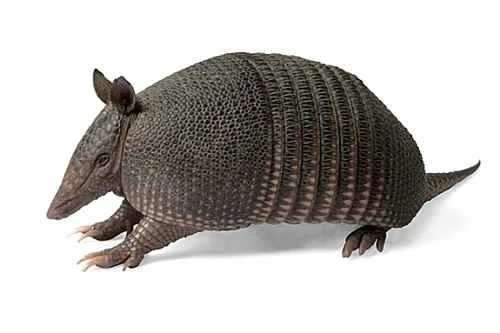
Armadillos are small mammals found in the Americas. Their name means "little armored man" in Spanish because their bodies are covered in a hard exoskeleton of bone and skin, especially on their backs. This armor not only protects them from predators but also provides some protection against sharp objects in their environment.
2. Defensive response
Similar to pangolins, armadillos quickly curl into a tight ball when threatened to protect themselves from predators. This defensive posture makes it difficult for predators to grasp their vulnerable parts. The armadillo's armor is thick and tough, capable of withstanding attacks from large predators.
3. Other survival characteristics
Armadillos feed on insects and typically live in arid grasslands, deserts, and forests. Their keen sense of smell and powerful digging abilities allow them to easily find food or evade predators. The armadillo's armor not only helps protect it from attacks but also aids in its survival in complex environments.
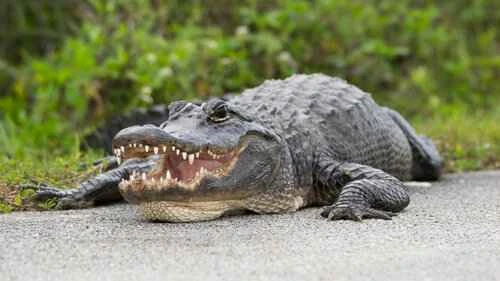
3. Crocodile – Thick skin for protection and powerful bite.
1. Thick-skinned defense
Crocodiles possess extremely thick skin, especially their backs, which are covered with thick keratinous plates arranged like armor. These plates are extremely hard and can withstand various physical injuries. Crocodile skin is tough and dense, making it difficult for knives or other sharp objects to penetrate.
2. Bite force and self-defense
Although crocodiles are not completely invulnerable, their thick skin allows them to maintain a high level of defense when faced with an attack. Coupled with their powerful bite, crocodiles are often able to retaliate quickly, subduing or scaring away any predators or humans who dare to approach.
3. Habitat and Habits
Crocodiles are widely distributed in rivers, lakes, and wetlands in tropical and subtropical regions. As apex predators, they not only possess powerful attack capabilities but also rely on thick hides to survive in harsh natural environments.
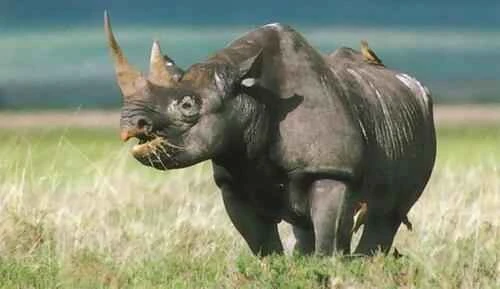
IV. Rhinoceros – A colossal beast with thick skin
1. Thick skin
Rhinoceros skin is up to 5 centimeters thick, covering its entire body, especially its shoulders and back. This skin is not only extremely thick but also highly elastic, capable of absorbing and withstanding significant physical impacts. Rhinoceros hide is one of the thickest skins in nature, providing immense protection during predator attacks or battles.
2. Size and Defense
Rhinos have virtually no natural predators thanks to their massive size and thick skin. Although their skin resembles "armor," they typically do not rely on it for defense, but rather protect themselves through their size advantage and the striking power of their horns.
3. Habitat and Current Status
Rhinos are mainly distributed in the grasslands and rainforests of Africa and Asia. Although they have strong natural defenses, they currently face a great threat to their survival due to poaching, especially the illegal hunting of their horns.
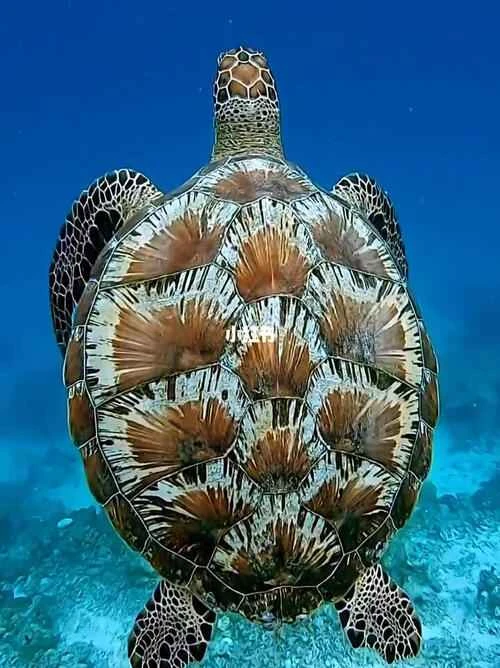
V. Sea Turtle – Protected by a Hard Shell
1. Hard tortoise shell
Sea turtles possess a hard shell, composed of bone and keratin, which is an extremely robust protective layer, effectively shielding them from most predators. The shell covers not only the back but also the belly, forming a strong protective barrier.
2. Defense and Survival
Sea turtle shells are hard enough to withstand the bites of predators such as sharks and seabirds. Adult sea turtles have virtually no natural enemies in the ocean, and their shells are one of their key weapons for survival.
3. Migration and Reproduction
Sea turtles are long-distance migratory animals that roam the world's oceans, relying on their hard shells to protect themselves from external threats. However, due to marine pollution and habitat destruction, sea turtle populations are gradually declining.
VI. Other animals with unique defense mechanisms
Besides the animals mentioned above, other animals also enhance their self-defense capabilities in different ways, such as:
Porcupine : defends itself against predators with its sharp quills.
Lizards : They escape by shedding their tails and protect themselves with thick skin.
Beetles : Some beetle species have a hard exoskeleton that can withstand physical attacks from the outside world.
VII. The Ecological Significance of Animals Invulnerable to Weapons and Shields
These armored animals play vital roles in ecosystems. They not only utilize their defense mechanisms to protect themselves from predators, but also maintain ecosystem balance through hunting, pollination, and seed production. Furthermore, these seemingly invincible creatures often occupy key positions in the food chain, making the protection of their habitats and population diversity crucial for the health of the ecological environment.
8. Protect animals that are invulnerable to weapons.
Despite possessing robust defense mechanisms, many invulnerable animals still face threats from humans. Illegal hunting, habitat destruction, climate change, and pollution are major challenges to their survival. Therefore, global animal conservation efforts, particularly for endangered species such as pangolins and rhinos, are of paramount importance.
Habitat protection : Protecting these animals from human disturbance by establishing nature reserves.
Reduce illegal hunting : Strengthen law enforcement and crack down on the illegal wildlife trade.
Public education : Raise public awareness of animal protection and reduce demand for these species.
Many animals in nature have evolved near-invulnerable self-defense systems, and their wisdom in survival deserves our awe. These animals not only demonstrate the diversity of nature but also remind us to cherish and protect this vast ecological home. Protecting these seemingly invulnerable animals is, in effect, protecting the Earth's ecosystem.