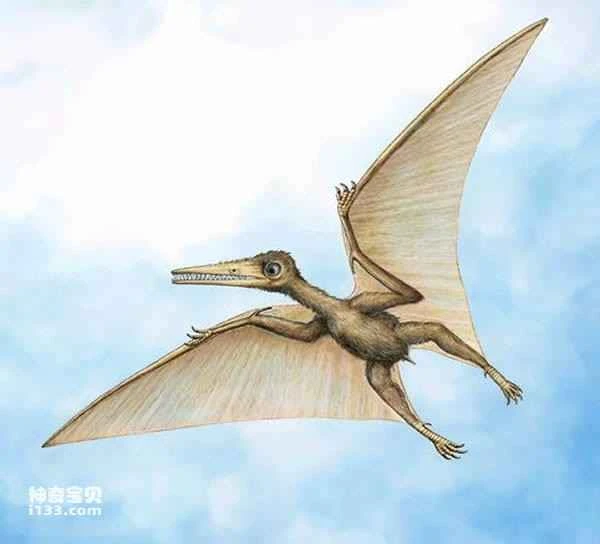
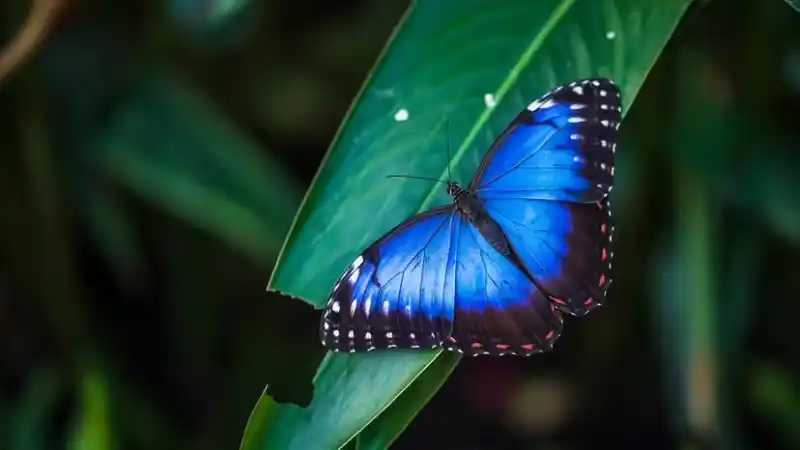
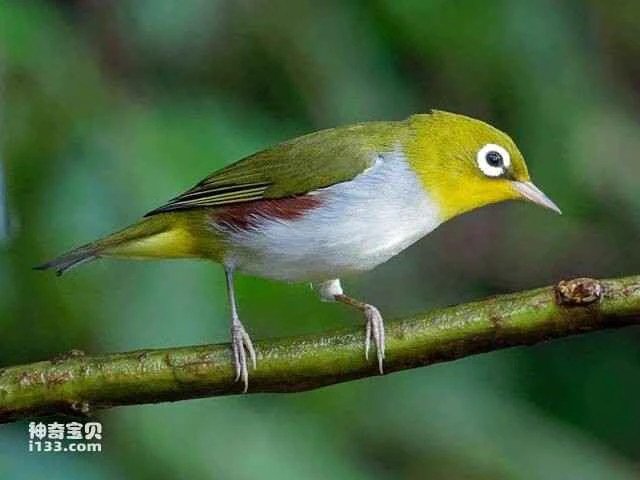
Even the simplest animals are incredibly complex. Higher vertebrates, such as birds and mammals, consist of many closely connected, interdependent locomotion systems that are difficult for non-biologists to follow. Here are 12 organ systems common to most higher animals.
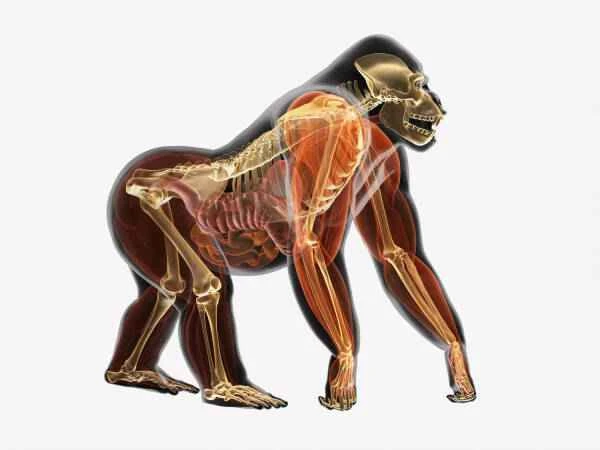
01. Respiratory System
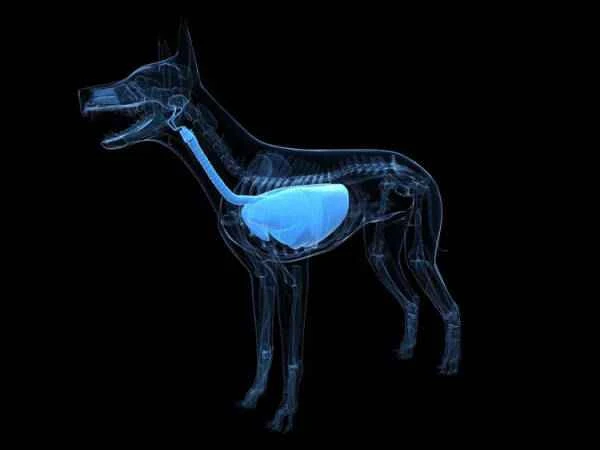
All cells need oxygen, a crucial component for extracting energy from organic compounds. Animals obtain oxygen from their environment through their respiratory systems. Terrestrial vertebrates' lungs collect oxygen from the air, marine vertebrates' gills filter oxygen from the water, and invertebrates' exoskeletons facilitate the free diffusion of oxygen (from water or air) into their bodies. Animals' respiratory systems also expel carbon dioxide, a metabolic waste product that can be fatal if it accumulates in the body.
02. Circulatory System
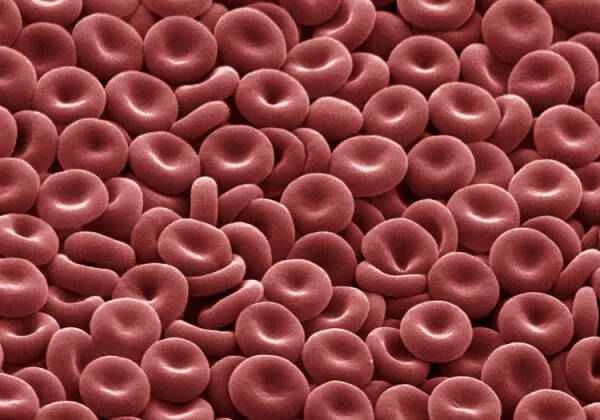
Vertebrates supply oxygen to their cells through a circulatory system, a network of arteries, veins, and capillaries that transports oxygenated blood cells to every cell in the body. In higher animals, the circulatory system is powered by the heart, a dense muscle that beats millions of times throughout the organism's life.
Invertebrates have much more primitive circulatory systems. Essentially, their blood diffuses freely within smaller body cavities.
03. Nervous System
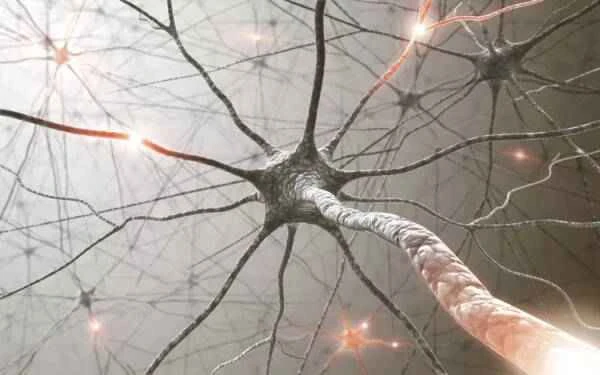
The nervous system enables animals to send, receive, and process nerve and sensory impulses, as well as move muscles. In vertebrates, this system can be divided into three main components: the central nervous system (including the brain and spinal cord), the peripheral nervous system (smaller nerves that branch off from the spinal cord and transmit nerve signals to distant muscles and glands), and the autonomic nervous system (which controls involuntary activities such as heartbeat and digestion).
Mammals have the most advanced nervous systems, while invertebrates have a more rudimentary nervous system.
04. Digestive System
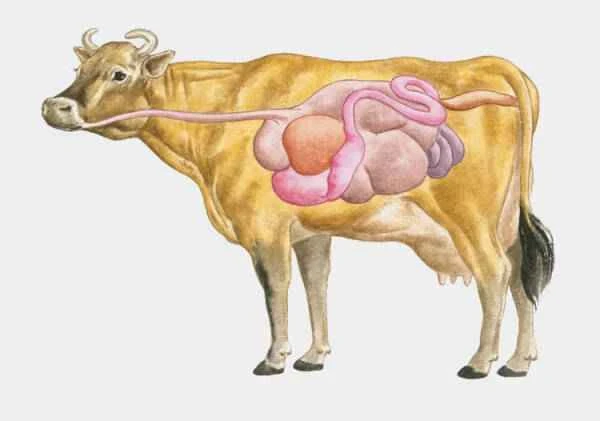
Animals need to break down their food into its basic components to facilitate metabolism. Invertebrates have simple digestive systems—one end to the other (like worms or insects). But all vertebrates are equipped with some combination of a mouth, throat, stomach, intestines, anus, or cloaca, as well as organs that secrete digestive enzymes (such as the liver and pancreas). Ruminant mammals like cows have four stomachs for efficient digestion of fibrous plants.
05. Endocrine System
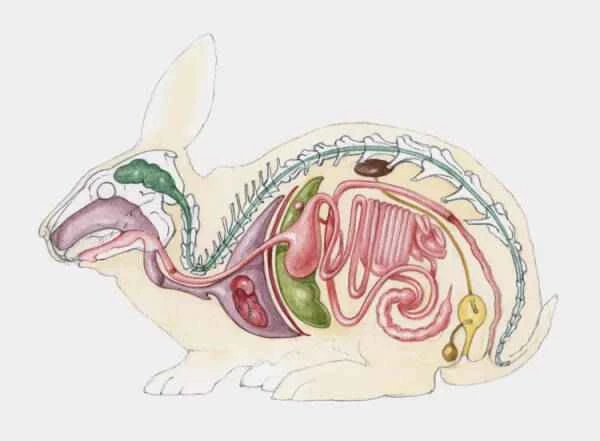
In higher animals, the endocrine system consists of glands (such as the thyroid and thymus) and the hormones secreted by these glands, which affect or control various bodily functions, including metabolism, growth, and reproduction.
It can be difficult to completely distinguish the endocrine system from other organ systems in vertebrates. For example, the testes and ovaries (both closely related to the reproductive system) are strictly speaking glands. The same is true of the pancreas, which is an important part of the digestive system.
06. Reproductive System
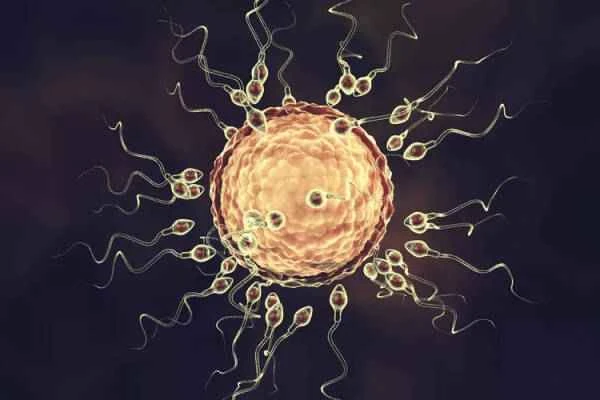
From an evolutionary perspective, the reproductive system is arguably the most important organ system, enabling animals to create offspring. Invertebrates exhibit a wide variety of reproductive behaviors, but most importantly, at some point in this process, the female lays eggs, and the male fertilizes the eggs, either internally or externally.
All vertebrates—from fish to reptiles to humans—possess gonads, paired organs that produce sperm (males) and eggs (females). Most higher vertebrate males have a penis, while females have a vagina, nipples that secrete milk, and a uterus for fetal development.
07. Lymphatic System
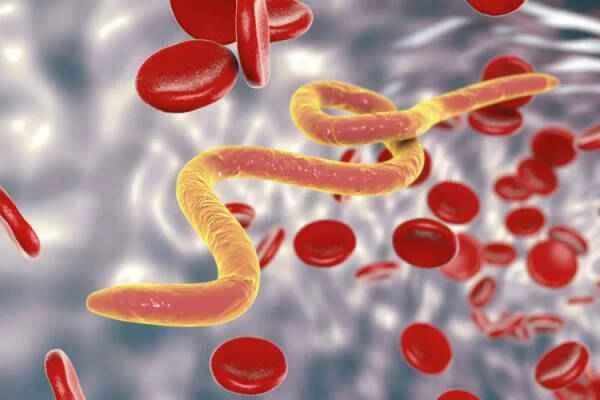
The lymphatic system is closely related to the circulatory system and consists of a network of lymph nodes that are distributed throughout the body. Lymph nodes secrete and circulate a clear fluid called lymph (which is actually the same as blood, except that it lacks red blood cells and contains a slightly excess of white blood cells).
The lymphatic system exists only in higher vertebrates and has two main functions: maintaining the plasma components that supply blood to the circulatory system and maintaining the immune system. In lower vertebrates and invertebrates, blood and lymph are usually mixed together rather than processed by two separate systems.
08. Muscular System
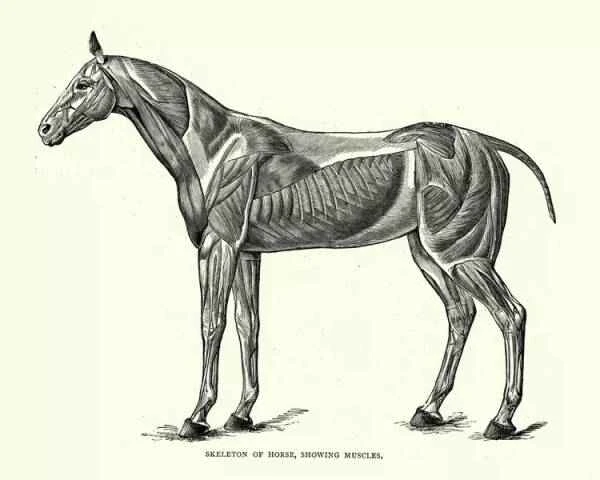
Muscles are the tissues that allow animals to move and control their movement. The muscular system consists of three main components: skeletal muscles (which enable higher vertebrates to walk, run, swim, and grasp objects with their hands or claws), smooth muscles (which are involved in respiration and digestion and are not under conscious control), and cardiac muscles (which power the circulatory system).
Some invertebrates, such as sponges, lack muscle tissue entirely, but can still move due to the contraction of epithelial cells.
09. Immune System
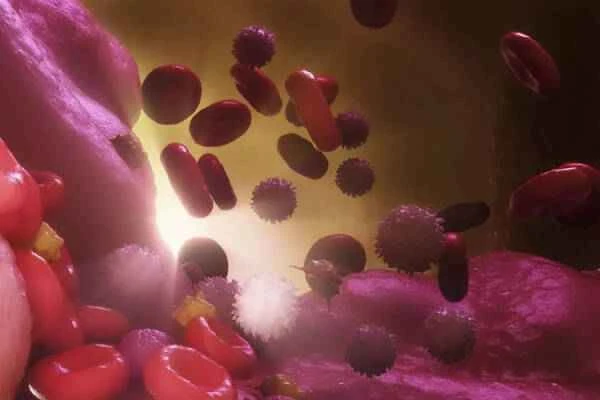
The immune system is perhaps the most complex and technologically advanced of all the systems listed here. It is responsible for distinguishing between an animal's natural tissues and foreign bodies, as well as pathogens such as viruses, bacteria, and parasites. It is also responsible for mobilizing the immune response, which enables the body to produce various cells, proteins, and enzymes to eliminate invaders.
The lymphatic system is the primary carrier of the immune system. Both systems exist to varying degrees in vertebrates, and are most advanced in mammals.
10. Skeletal (Support) System

Higher animals are composed of trillions of differentiated cells, thus requiring some means to maintain their structural integrity. Many invertebrates (such as insects and crustaceans) have an external body covering made of chitin and other tough proteins, called an exoskeleton. Sharks and rays are held together by cartilage. Vertebrates are supported by an internal skeleton (called an endoskeleton), assembled from calcium and various organic tissues.
Many invertebrates completely lack any type of exoskeleton or endoskeleton. Consider jellyfish, sponges, and worms.
11. Urinary system
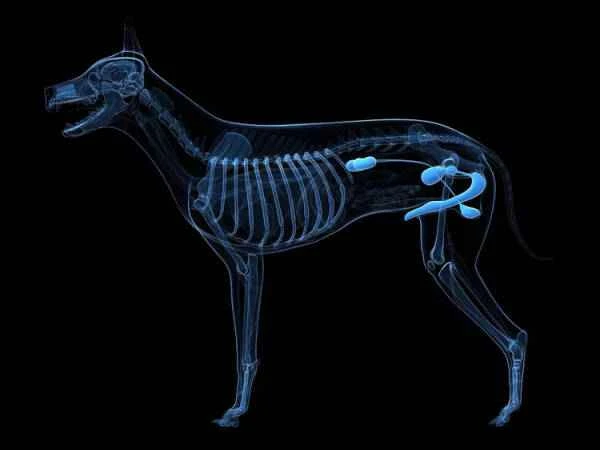
All terrestrial vertebrates produce ammonia as a byproduct of digestion. In mammals and amphibians, this ammonia is converted into urea, which is then processed by the kidneys, mixed with water, and excreted as urine.
Interestingly, birds and reptiles secrete urea and other waste products in solid form. Technically, these animals have urinary systems, but they don't produce liquid urine. Fish excrete ammonia directly from their bodies without first converting it into urea.
12. Skin system
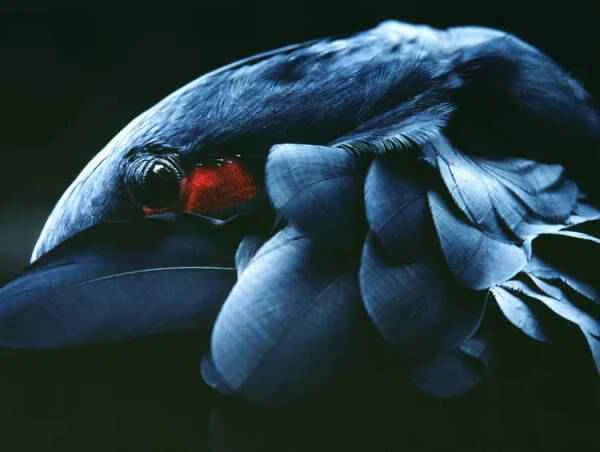
The exoskeleton system consists of the skin and the structures or growths covering it (feathers in birds, scales in fish, hair in mammals, etc.), as well as claws, nails, hooves, etc. The most obvious function of the exoskeleton system is to protect animals from environmental hazards, but it is also indispensable for temperature regulation (the coating of hair or feathers helps retain body heat) and protection against predators (the animal's thick shell). (Sea turtles make them a difficult prey for crocodiles). It can sense pain and stress, and for humans, it can even produce important biochemicals such as vitamin D.