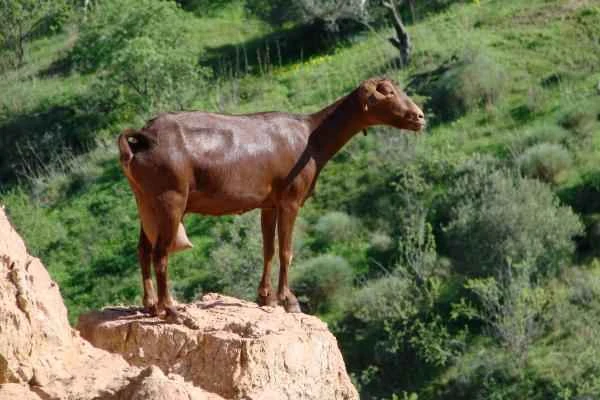
Goats belong to the genus *Capra* of the family Bovidae. They are ruminants and have been widely domesticated and raised by humans since ancient times. Different goat breeds, such as wild goats, Nubian goats, Kiko goats, and Savannah goats, are all animals with extremely wide uses on farms. This article will introduce the main types of goats, focusing on their origins, distribution, and unique characteristics.

Nubian goat
The Nubian goat, also known in some regions as the Anglo-Nubian, originated in Africa. It is believed to have been domesticated in Nubia (present-day parts of Sudan and Egypt) more than 5,000 years ago. This breed has short, soft hair in a variety of colors, including brown, black, and white. They are medium to large in size, averaging 80 cm in height and weighing approximately 70-100 kg.
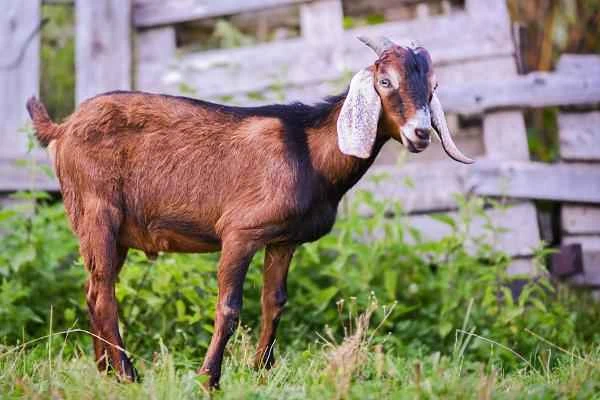
wild goat
Wild goats were originally distributed in southern France, Andorra, Spain, and Portugal. Currently, this species is mainly endemic to the mountainous regions of Spain and northern Portugal. Wild goats exhibit distinct sexual dimorphism; females are approximately 1.2 meters long, 60 centimeters tall at the shoulder, and weigh between 30 and 45 kilograms.
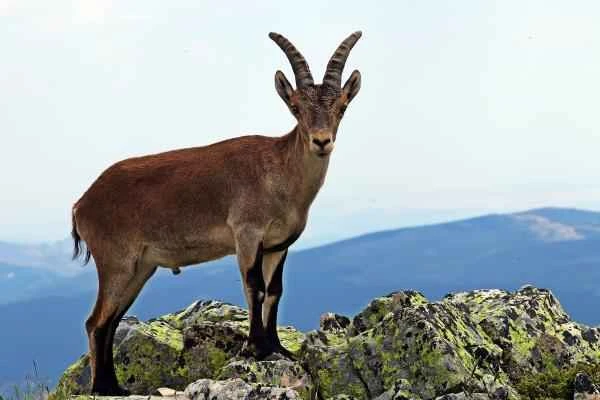
Boer goats
Boer goats originated in 19th-century South Africa, a result of crossbreeding local breeds with European goats. They are medium to large in size, with rams averaging 70-135 kg and ewes 50-100 kg. Boer goat wool is primarily white, often with dark brown or reddish patches on the head and limbs.
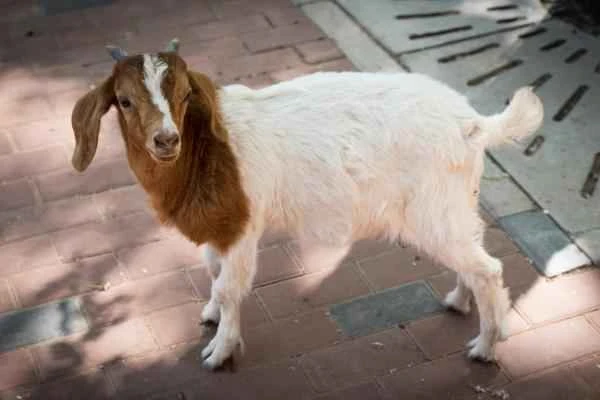
Kico Goat
Kico goats originated in New Zealand and were established in the late 1980s. These goats are robust, adaptable, and fast-growing. They possess well-developed muscles and a solid skeleton, have high feed conversion efficiency, strong disease and parasite resistance, and are easy to manage.

Alpine goats
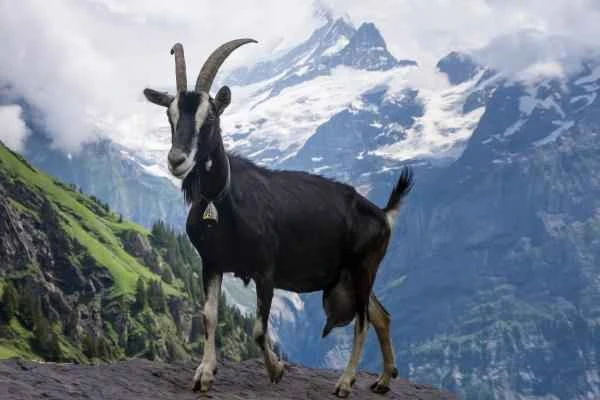
The Alpine goat originated in the Swiss Alps and is now mainly distributed in Asturias, Cantabria, Castile and León, Galicia, the Basque Country, and Catalonia in Spain. It is medium-sized with a slender build. Rams average 90 kg, and ewes approximately 70 kg.
Palmera goats
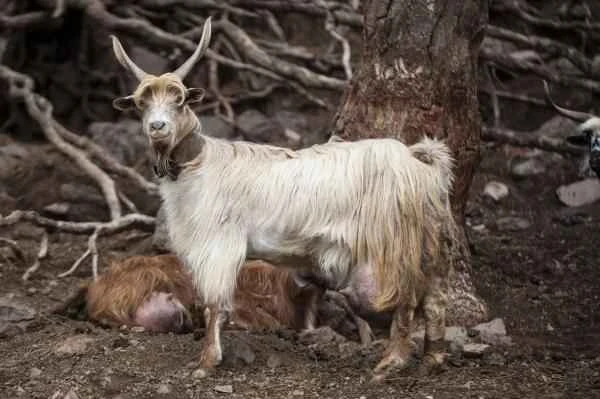
The Palmera goat originated on the island of La Palma in the Canary Islands. It is a medium-sized goat, standing approximately 70-80 cm tall at the shoulder and weighing 50-60 kg. Its coat is short and coarse, ranging in color from light brown to black.
Savannah goats
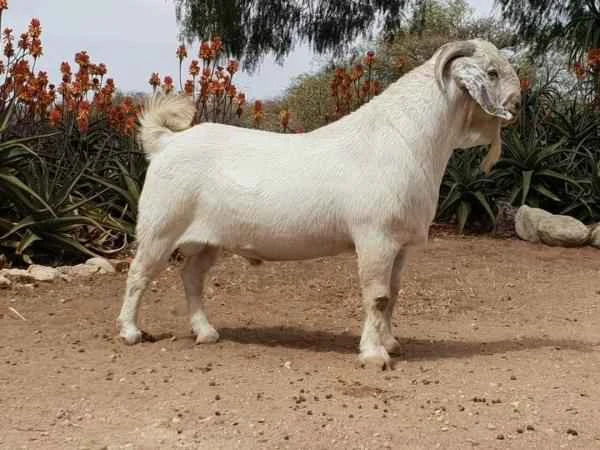
Savannah goats originated in South Africa and gradually spread to the United States, Australia, Brazil, and Mexico starting in the 1970s. They stand approximately 70-80 cm tall at the shoulder and weigh 50-70 kg. Their coat is short, dense, and creamy white, and they are adapted to various climatic conditions.
Canary goat
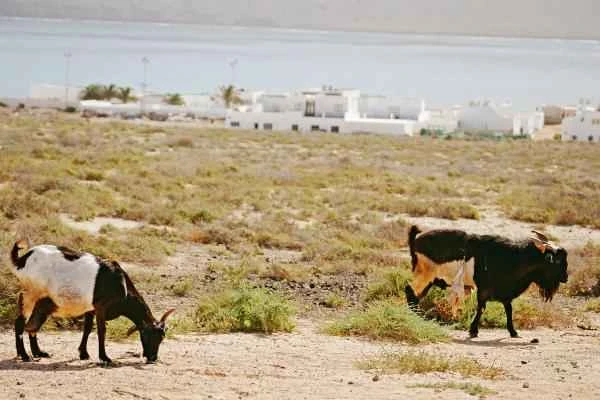
The Canary Goat originated in the Canary Islands of the Atlantic Ocean. It is renowned for its ability to adapt to arid terrain and produce high-quality milk even in harsh climates. It is a medium-sized goat, standing 70-80 cm tall at the shoulder and weighing approximately 50-60 kg.
Asturiana goats
The Asturian goat originates from northern Spain. It is a medium-sized goat, standing 70-80 cm tall at the shoulder and weighing approximately 50-60 kg. Its coat is short and thick, ranging in color from light brown to black.
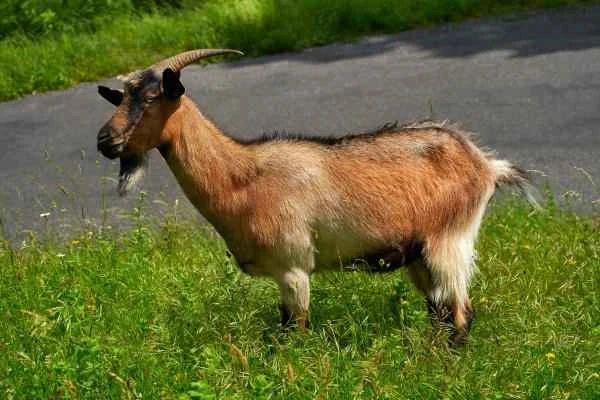
Malaga goats
Malaga goats originated in the province of Malaga in southern Spain. They are medium-sized, standing 70-80 cm tall at the shoulder and weighing approximately 50-60 kg. Their wool is soft and silky, ranging in color from light brown to black. Due to the excellent quality and taste of their milk, they are highly valued by cheese producers.