In nature, cooperative hunting is a strategy employed by some animals to increase their hunting success rate. Unlike solitary predators, cooperative hunting typically requires a high degree of coordination and teamwork. This article will introduce several animals with hunting partners, explore their cooperative strategies in hunting, and demonstrate how the animal kingdom increases hunting efficiency through teamwork.
I. Lion – The Team Hunter of the Grasslands
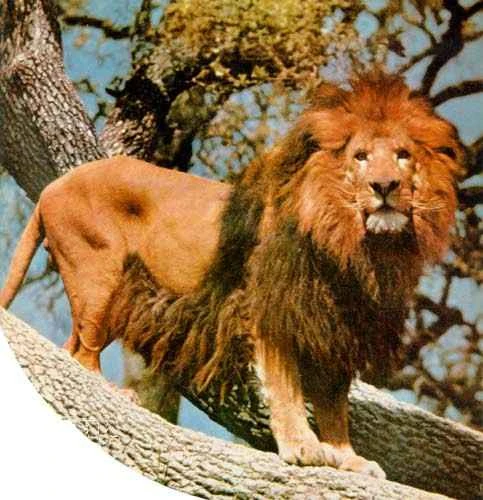
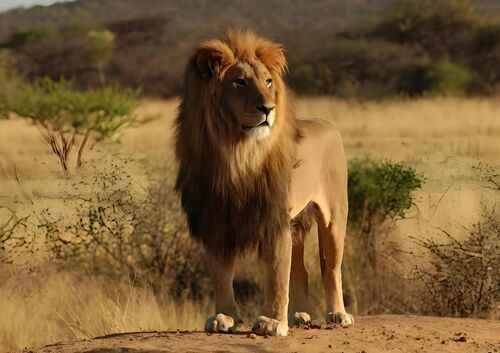
Lions are among the most famous cooperative hunters, typically hunting in family prides . Within a pride, members have clearly defined roles: lionesses are usually responsible for hunting, while male lions are responsible for protecting the territory and the pride.
Cooperative Strategy : Lions employ a division of labor when hunting to encircle and trap prey. Some lionesses drive the prey away, while others ambush it. Once the prey enters the encirclement, they launch a swift attack.
Prey : Lions typically hunt large herbivores such as zebras, wildebeests, and antelopes. Because these prey are large and fast, cooperative hunting within the pride is especially important.
II. Wolves – A Well-Organized Team
Cooperative hunting is a key survival strategy for wolves. A wolf pack typically consists of a dominant pair of wolves, with the other members living and acting according to a strict social hierarchy.
Cooperative Strategies : Wolves hunt cooperatively through teamwork, strategic encirclement, and pursuit of prey. They utilize the strength of the pack to hunt prey larger than themselves, such as elk or bison. Each wolf plays a different role in the pack; some guide the prey, while others are responsible for the final strike.
Prey : Wolves hunt large mammals such as deer and elk. Through cooperation, they are able to defeat prey that they cannot catch alone.

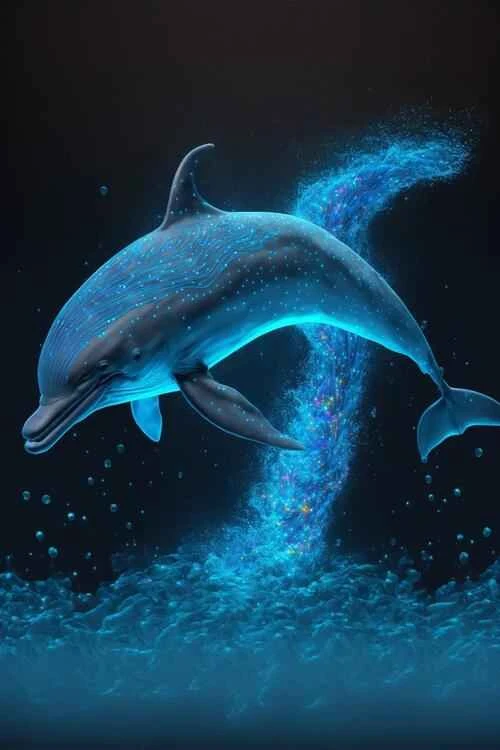
III. Dolphins – Wise Men of the Ocean
Dolphins are intelligent hunters in the ocean, employing cooperative hunting strategies extensively. Their high intelligence and flexible communication methods make them extremely effective predators.
Cooperative Strategies : Dolphins hunt in teams using sound waves and body movements, often forming a circle to lure schools of fish to the surface before taking turns to catch them. They also use seabed mud or seaweed as tools to trap prey, increasing their catch rate.
Prey : Dolphins primarily prey on fish and squid. Teamwork allows them to quickly and precisely control schools of fish, preventing prey from escaping.
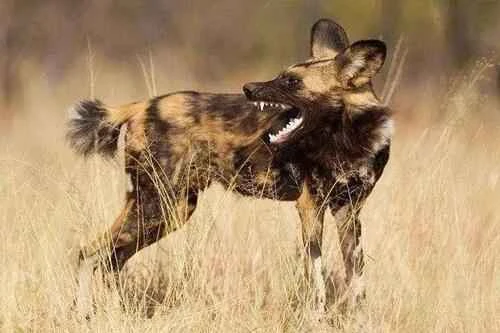
IV. African Wild Dogs – Efficient Hunters in Nature
African wild dogs are known for their highly cooperative hunting methods and are considered to be among the most successful land predators, with a success rate approaching 80%.
Cooperative Strategy : African wild dogs hunt prey through pack cooperation and close tactical coordination. They take turns chasing prey to ensure the others conserve their energy. Furthermore, there is a clear division of labor among the dogs: some drive the prey, while others attack at the opportune moment.
Prey : Wild dogs primarily prey on small and medium-sized herbivores, such as antelope and zebra. Their teamwork and persistent chasing ability enable them to successfully capture extremely fast prey.
V. Whales – Team Tactics of Ocean Giants
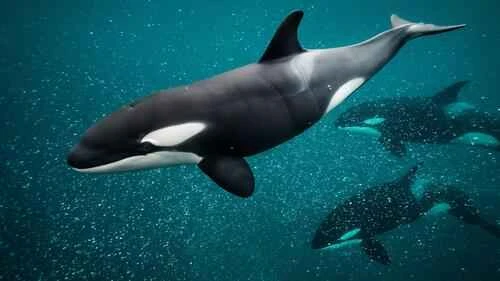
Despite their enormous size, some whale species, such as killer whales , also choose to hunt cooperatively. Killer whales are apex predators with virtually no natural enemies, and they are able to hunt a wide variety of marine life by virtue of their collective strength and high intelligence.
Cooperative Strategies : Orcas form small groups and employ complex cooperative hunting methods to hunt seals, sharks, and even other whales. They work together to surround their prey or use sound waves and water currents to disrupt the prey's direction, leaving it with nowhere to escape.
Prey : Orcas prey on fish, seals, dolphins, and even large whales. Teamwork allows them to catch fast or well-defended prey.
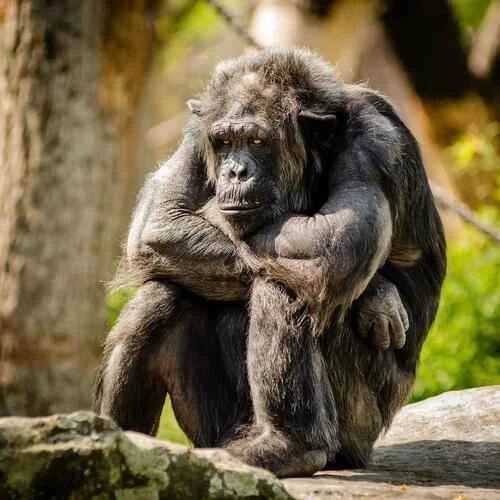
VI. Orangutans – A combination of intelligence and cooperation
Although orangutans are primarily omnivorous, feeding on fruits and plants, they also engage in cooperative hunting in certain situations, especially when hunting small mammals.
Cooperative strategy : Orangutans hunt small animals or birds through group cooperation. They use complex gestures and sounds to communicate and coordinate their actions to ensure that their prey has nowhere to escape.
Prey : Orangutans typically hunt insects, small mammals, and birds. Through cooperation, they are able to more easily obtain scarce protein sources.
VII. Falcons – Hunting Partners in the Sky
Birds of prey such as peregrine falcons , while usually hunting alone, may form temporary hunting alliances under certain special circumstances.
Cooperative strategy : In some situations where hunting is difficult, such as when catching extremely fast birds, falcons may cooperate, using the power of the group to drive prey to a specific area, and then another falcon will attack.
Prey : Falcons typically prey on small birds or insects, and through cooperation, they can more accurately capture extremely fast prey.
Conclusion
In the animal kingdom, cooperative hunting is not only about increasing hunting efficiency but also about enhancing the group's survival ability. Whether on land, in the air, or at sea, these animals demonstrate amazing hunting skills through teamwork. Lions, wolves, dolphins, African wild dogs, and other animals have secured their positions as apex predators in complex natural environments through highly efficient cooperation.
Interspecies friendships: Unveiling the incredible bonds of friendship in the animal kingdom
In nature, animals typically follow food chains or competitive relationships, but sometimes they exhibit astonishing interspecies friendships. These extraordinary emotional bonds not only move us but also reveal unique ways animals interact. Here are some of the most famous interspecies friendships that challenge conventional understanding of animal behavior.
I. The Friendship Between Dogs and Dolphins
The interspecies friendship between dogs and dolphins is a common story heard in coastal areas. Despite living in completely different environments, the two species sometimes develop deep bonds.
Case Study : In Florida, USA, a golden retriever named Gunther often plays with local dolphins near the coastline. They swim together, chase each other, and exhibit interactions similar to those between humans.
Possible reason : Both dogs and dolphins are highly social and naturally friendly and curious, which may be why they can become friends across species.
II. The Special Bond Between Elephants and Dogs
Elephants are often considered very friendly animals because of their gentleness and intelligence, while dogs' loyalty and affection make them good companions for many animals. These two animals have formed a deep bond in some protected areas.
Case Study : At an elephant sanctuary in Tennessee, USA, an Asian elephant named Tarra and a dog named Bella became inseparable friends. They kept each other company, and even when Bella was sick, Tarra would stay by her side for a long time.
Possible reason : Elephants and dogs are both social animals and can sense each other's emotional needs. They become dependent on each other in the sanctuary environment and gradually form a friendship.
III. A heartwarming story about a chimpanzee and a kitten
Chimpanzees are close relatives of humans, possessing extremely high intelligence and emotional expression abilities. They frequently demonstrate affection and curiosity towards other species. In some cases, chimpanzees even form heartwarming friendships with kittens.
Case Study : Anjana, a chimpanzee, became friends with a kitten. The chimpanzee cared for the kitten, playing and resting with it, and showed a strong protective instinct.
Possible reason : Chimpanzees exhibit caregiving behavior in nature, and their strong empathy and compassion make them willing to accept animals that are very different from themselves as friends.
IV. The Unexpected Friendship Between a Tortoise and a Baby Hippo
In some wildlife reserves in Africa, the unexpected friendship between a tortoise and a baby hippo has become a hot topic among tourists. This seemingly unbelievable friendship demonstrates the inclusiveness and warmth in the animal world.
Case Study : In a wildlife sanctuary in Kenya, a lonely baby hippopotamus and a 100-year-old tortoise formed a friendship. After losing its mother, the baby hippopotamus found emotional support in the tortoise; they were inseparable, even resting and foraging together.
Possible reason : The baby hippo may have seen the older tortoise as a replacement for its mother, and the tortoise, with its calm and patient nature, accepted this special little friend.
V. A Harmonious Moment Between Lions and Zebras
Lions and zebras are usually in a predator-prey relationship, but under certain special circumstances, they can also form a brief friendly relationship.
Case Study : In some zoos or sanctuaries, lion cubs and zebra calves sometimes develop close relationships when raised together in their early years. Before they realize their predator-prey relationship, they play together and trust each other.
Possible reasons : Young animals typically lack hunting and defense instincts, and cross-species offspring are more likely to develop close relationships through interaction, especially in protected environments.
VI. The Friendship Between the Fox and the Dog
Foxes and dogs both belong to the Canidae family, but wild foxes are generally considered cautious and solitary animals. However, under certain conditions, they can develop deep friendships with domestic dogs.
Case Study : In Norway, a fox named "Sniffer" and a dog named "Tinny" became close friends. They would explore and play together in the forest, demonstrating a bond that transcended species.
Possible reason : Foxes and dogs share similar behaviors, especially during their highly social early childhood, making it easier for them to form bonds.
VII. The heartwarming companionship of kangaroos and alpacas
On some farms in Australia, kangaroos and alpacas have formed a close partnership. Despite their different lifestyles, they live together harmoniously and depend on each other in a peaceful environment.
Case Study : On a farm in Australia, a kangaroo and an alpaca became inseparable friends. The kangaroo often snuggles up next to the alpaca, and the two keep each other company in their daily lives.
Possible reasons : Kangaroos and alpacas are both social animals, and their friendship may stem from their need for social interaction and their adaptation to the environment, especially when there are sufficient food resources.
Conclusion
Interspecies friendships not only provide us with heartwarming stories but also help us better understand the emotional world of animals. Whether in the wild or in captivity, these interspecies relationships demonstrate the inclusiveness, adaptability, and social skills among animals. They teach us that friendship is not limited to those of the same species; deep emotional bonds can form even between different species.
Symbiotic relationships in nature: cooperation and interdependence among animals
In nature, many animals cooperate and coexist through symbiotic relationships. Symbiosis is a long-term interaction between organisms, generally categorized into mutualistic symbiosis , parasitic symbiosis , and symbiotic symbiosis . Below are some well-known animal symbiotic relationships that demonstrate the interdependence and cooperation between different species in the animal kingdom.
I. Mutualistic Symbiosis between Sea Anemones and Clownfish
Clownfish and sea anemones represent one of the most classic mutualistic symbiotic relationships in the ocean. Their cooperation not only helps each other survive but also creates a stable microenvironment within the marine ecosystem.
Benefits of clownfish : Clownfish use the stingers of sea anemones to avoid predators because they are immune to the anemone's toxins, allowing them to live safely around sea anemones.
Benefits of sea anemones : Clownfish attract other fish to sea anemones, which then prey on these attracted fish. Additionally, clownfish clean sea anemones and repel harmful parasites.
II. The Mutually Beneficial Symbiosis of Rhinoceroses and Oxbirds
The symbiotic relationship between rhinoceroses and oxpeckers is another typical example of mutualistic symbiosis on the African savanna. Both benefit from each other through cooperation.
Benefits of using rhinoceroses : Oxbirds feed on parasites on rhinoceroses, helping them get rid of pests. At the same time, oxbirds emit warning calls to alert rhinoceroses to dangers in their vicinity.
Benefits of oxpeckers : Oxpeckers obtain a rich food source, especially the ticks and other parasites on rhinos, which provide them with a stable source of nutrition.
III. The symbiotic relationship between sharks and remoras
The relationship between remoras and sharks is one of eutrophic symbiosis, meaning that one organism benefits while the other neither benefits nor is harmed.
Advantages of remora : Remora use the suckers on their abdomens to attach to sharks, move quickly by following the shark's movements, and enjoy the leftover food scraps, saving them the trouble of finding food themselves.
The impact of sharks : Sharks do not directly benefit from remoras, but they are not disturbed by them either; the two coexist peacefully.
IV. Mutualistic Symbiosis between Ants and Aphids
The mutualistic relationship between ants and aphids is very common in the plant world, especially in trees and garden plants.
Benefits of ants : Ants protect aphids from predators, especially ladybugs and other natural enemies. Ants build nests to protect aphids and drive away creatures that threaten them.
Benefits of ants : Honeydew, a sweet liquid secreted by aphids, is the main food source for ants, which obtain nutrition by collecting it.
V. Mutualistic Symbiosis Between Crabs and Sponges
Some types of crabs, such as sponge crabs, have formed a mutualistic symbiotic relationship with sponges. Their cooperation provides each other with food and protection.
Benefits of crabs : Crabs place sponges on their bodies, using the sponges' camouflage ability to hide themselves and avoid being discovered by predators.
Benefits of sponges : Crabs provide a stable habitat for sponges. As the crabs move, the sponges can access more water flow and obtain nutrients.
VI. Clean Coexistence of Shrimp and Fish
In coral reef ecosystems, cleaner shrimp and some cleaner fish (such as cleaner goby and cleaner bream) form a mutually beneficial symbiotic relationship by cleaning the bodies of other large fish.
Benefits for large fish : These cleaning shrimp and fish help large fish remove parasites, dead skin, and food debris, keeping them healthy.
Benefits of cleaning shrimp and fish : They gain an ample food source by cleaning up large fish. Surprisingly, these large predatory fish do not prey on the cleaners during the cleaning process; they even open their gills to make cleaning easier.
VII. Parasitic Symbiosis Between Sea Turtles and Fleas
The relationship between sea turtles and lice is a parasitic symbiosis. While this relationship isn't as mutually beneficial as mutualism, it demonstrates how parasitic organisms in nature can benefit from their hosts.
Benefits of skin lice : Skin lice attach to the skin of sea turtles and feed on their blood and tissues to obtain nutrients.
Impact on sea turtles : Although lice do not cause immediate death to sea turtles, they consume the host's nutrients and can cause skin infections.
8. The Mutually Beneficial Symbiosis Between Crocodiles and Toothpick Birds
The symbiotic relationship between crocodiles and plovers is a classic example of mutualism. Plovers not only clean the crocodiles' mouths but also help them maintain their health.
Benefits for crocodiles : Psylockes peck at meat scraps and parasites in the mouths of crocodiles, helping to clean their oral cavity and prevent oral infections.
Benefits of the plover : Crocodiles provide the plover with an abundant food source, from which the plover can obtain sufficient nutrition.
Conclusion
Symbiotic relationships in nature demonstrate the diversity of cooperation and interdependence among animals. From mutualism to symbiotic relationships to parasitic symbiosis, the ways in which different species interact are rich and varied. These relationships not only contribute to the survival and reproduction of species but also maintain the balance and stability of the entire ecosystem.