In nature, the competition for survival is extremely fierce. To protect themselves from predators, many animals have evolved unique defense mechanisms to cleverly cope with threats. Below are some of the animals with the coolest defense mechanisms; their survival skills are not only amazing but also demonstrate the wisdom and diversity of nature.
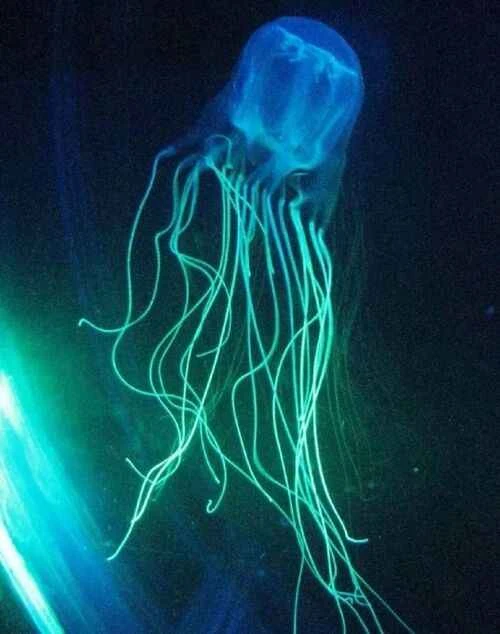
1. Box Jellyfish – Deadly Toxin Defense
Box jellyfish are creatures that live in tropical oceans and are known for their transparent bodies and deadly venom. Their defense mechanisms are extremely effective and lethal.
Defense mechanism : Box jellyfish have tentacles covered with stinging cells containing potent venom. When threatened or sensing danger, they release the venom, which can paralyze or kill predators or prey within minutes.
Cool point : Box jellyfish toxins are also extremely lethal to humans, and their transparent bodies make them difficult for predators to spot, further enhancing their survival ability.
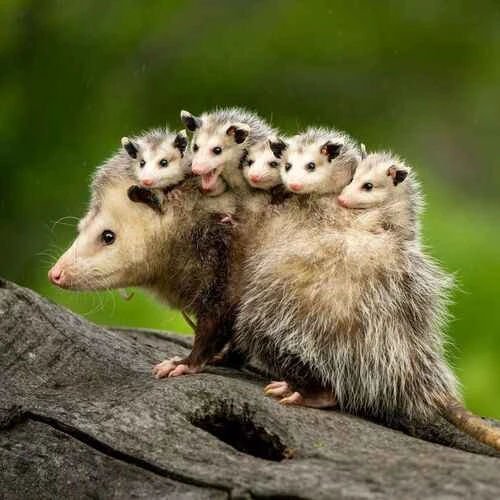
II. Opossum – Playing Dead
Opossums are known for their feigned death defense mechanism. When encountering a predator, they will feign death to avoid being attacked.
Defense mechanism : When an opossum feels threatened, it enters a state similar to death, its body stiffens, it foams at the mouth, and it may even emit a putrid odor, causing predators to mistakenly believe that it is dead and thus lose interest.
Cool point : This state of apparent death can last from several minutes to several hours, and the opossum cannot control this process; it is a natural physiological response.
III. Bombardier Beetle – Chemical Spray Defense
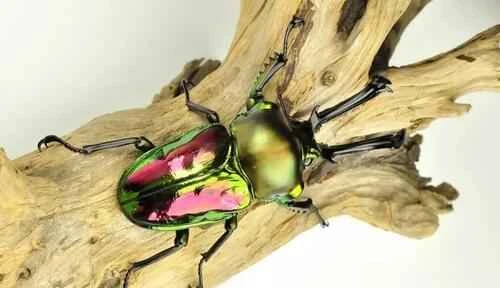
Beetles are among the most complex insects in terms of defense mechanisms, especially the spray beetle, which can effectively defend itself through chemical reactions.
Defense mechanism : When attacked, the spraying beetle ejects a scalding chemical liquid from its abdomen. This liquid is a mixture of two chemicals from the beetle's body, reaching temperatures of up to 100°C, and has a pungent odor that is enough to send predators fleeing in panic.
Cool point : This defense not only involves complex chemical reactions, but also requires the beetle to have precise control to avoid harming itself.
IV. Cuttlefish – Color-Changing Camouflage Defense
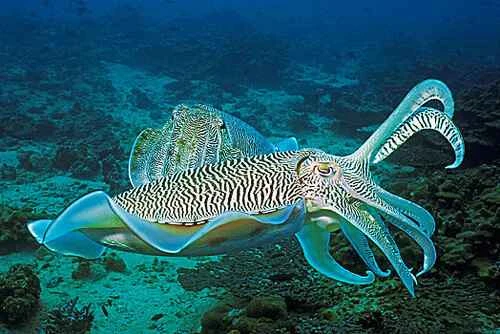
Cuttlefish are known for their remarkable ability to change color. By altering their body color, they can easily blend into their environment and avoid the attention of predators.
Defense Mechanisms : Cuttlefish possess pigment cells and pigment sacs within their bodies. They can rapidly regulate these cells to change their body color, mimicking their surroundings and achieving a camouflage effect. Furthermore, cuttlefish can expel ink, allowing them to quickly escape in times of danger.
Cool point : Cuttlefish can not only change their body color according to the environment, but they can also imitate the textures of other animals or objects, making their camouflage more realistic.
5. Porcupine – Spiked Defense
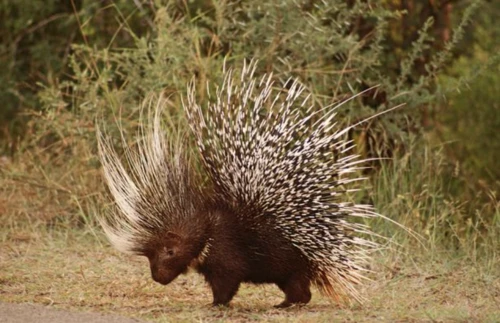
Porcupines are animals with natural armor, their bodies covered in bristles covered in sharp spines, making them a nightmare for predators.
Defense mechanism : When a porcupine feels threatened, it will raise its quills and lash out at the predator with its tail. These quills are barbed and, once they pierce the predator's skin, are extremely difficult to remove and may even cause infection.
Cool point : Porcupine quills not only provide physical defense, but also visually deter predators, increasing their chances of survival.
6. Poison Dart Frog – Toxin Defense
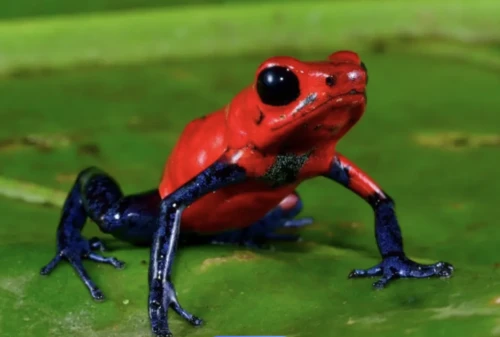
Poison dart frogs are among the most poisonous animals in the world. They secrete potent toxins from their bodies, which serve as a powerful defense against predators.
Defense mechanism : Poison dart frogs secrete highly toxic chemicals on their skin, which can poison or even kill predators. Many predators will quickly retreat upon contact with poison dart frogs to avoid eating them.
Cool point : These frogs often have bright colors, which serve as a warning to predators that they are poisonous.
7. Crab Spider – Transparent Camouflage
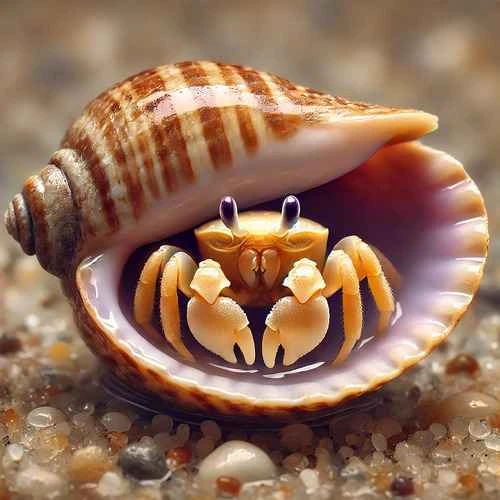
Flea crabs are small marine creatures whose defense mechanisms rely on extreme transparency and camouflage skills.
Defense mechanisms : Fleas are almost completely transparent, allowing them to blend easily into their environment and become difficult for predators to spot. Additionally, they can perch on sea anemones, using the anemones' venomous stingers for protection.
Cool point : Their transparent bodies make them appear to blend into the water, making them almost impossible for predators to spot.
8. Squirrel – Snake-skin defense
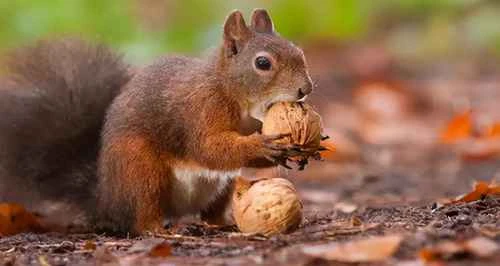
Although squirrels may appear gentle and cute, some have evolved incredible defense strategies. They use snakeskin as a defensive tool to confuse predators.
Defense mechanism : In the western United States, a type of ground squirrel collects scraps of snake skin and rubs them onto its fur. The scent of snakes can confuse or frighten predators such as rattlesnakes, thus preventing them from attacking.
Cool point : Squirrels use predators' "weapons" to protect themselves, a clever behavior that demonstrates the innovation of animals in defense strategies.
9. Flying Fish – Escape by Flight
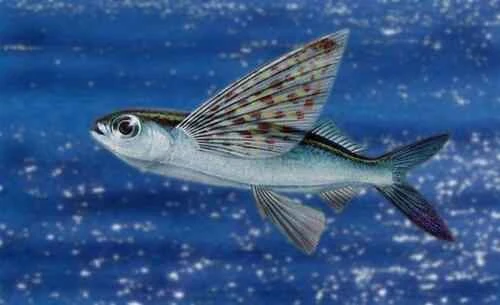
Flying fish have a very unique defense mechanism; they escape predators by leaping out of the water, demonstrating an extraordinary escape strategy in nature.
Defense mechanism : Flying fish have long pectoral fins that allow them to "fly" short distances above the water. When chased by predators, they will suddenly leap out of the water and glide for tens of meters, thus quickly escaping the predator's pursuit.
Cool point : Flying fish glide at extremely high speeds, even leaping over ships, making them one of the most agile escape masters in the ocean.
Conclusion
The defense mechanisms of animals in nature showcase the wonder and diversity of life. Each animal has secured its place in the brutal competition for survival through unique evolutionary methods. From chemical spraying to feigning death, to sophisticated camouflage and flight escape, these cool defense mechanisms not only help them evade predators but also reveal the infinite charm of biological evolution.
Herbivores that have evolved aggressive behavior in nature
In nature, herbivores typically feed on plants and have no need to hunt. However, when faced with threats or in competition for resources, many herbivores have evolved aggressive behaviors to protect themselves, their kind, or their territory. Below are some herbivores exhibiting aggressive behaviors, whose ferocity rivals that of predators.
1. Hippos (Hippopotamus) – the rulers of the water
Although hippos are typical herbivores, feeding mainly on grass, they are extremely aggressive and considered one of the most dangerous animals in Africa.
Aggressive Behavior : Hippos possess enormous mouths and sharp teeth, and when threatened, they will launch a swift and deadly attack, whether against predators or humans. Hippos are also known for their strong territorial instincts, especially in water, and may attack any creature that enters their territory.
Reason for attack : Hippos usually attack to protect their territory or their young. Their defensive instincts make them fearsome animals, and they do not back down even when facing natural enemies such as crocodiles and lions.
II. Cape Buffalo – Warriors of the African Savannah
African buffalo are herbivores, but they can become extremely aggressive when threatened. They can even attack predators such as lions.
Aggressive Behavior : The aggressiveness of buffalo is mainly manifested in their charging attacks. They will charge at enemies with their huge horns and form a group attack. If one buffalo is attacked, the entire herd may retaliate against the predator and even chase the prey.
Reason for attack : Buffalo's aggressiveness largely stems from self-preservation and group defense, especially when facing predators such as lions, buffalo will fight back to protect the weak and young in the group.
3. Wild Boar – A herbivore with sharp tusks.
Although wild boars primarily feed on plants, they are extremely aggressive, especially male wild boars during the breeding season.
Aggressive Behavior : Wild boars possess sharp tusks and a strong body, and they will launch fierce attacks when they feel threatened or encounter competition. Their charging force and bite force are sufficient to cause serious injury to their enemies.
Reasons for attack : Wild boars' aggressive behavior is usually related to territorial disputes and mating rights. Male wild boars, in particular, will actively attack in order to compete for mates or protect their territory.
IV. Elephant – A large herbivore with strong defensive instincts.
Elephants are the largest land animals in the world. Although they are herbivores, they exhibit powerful attack capabilities when threatened.
Aggressive behavior : Elephants attack by charging, trampling, and stabbing enemies with their tusks. They possess great strength, especially male elephants during their estrus cycle (known as "Musth"), when hormonal fluctuations make them extremely irritable and aggressive.
Rationale for attack : Elephants typically attack when they feel threatened, especially when their calves or herd are in danger. Territoriality and the protection of their families are the main reasons for their attacks.
5. Moose – the ruler of the North American grasslands
Moose are herbivores that live in North America, Europe, and Asia, and are known for their large size and powerful attacks.
Aggressive behavior : Moose's forehooves are their most powerful weapons. When threatened, they will kick enemies with their forehooves, sometimes even repelling predators. Male moose also use their large antlers to compete for mates or territory during the mating season.
Reason for attack : Moose aggression usually stems from self-defense or to protect their calves. Their aggression is particularly strong during winter or mating season.
VI. Rhinoceros – Attacker with Strong Armor
Although rhinoceroses are herbivores, feeding mainly on grass and leaves, they are extremely powerful predators, especially when threatened.
Aggressive Behavior : Rhinos primarily rely on their massive bodies and sharp horns for offense. Their charges can reach astonishing speeds, enough to knock enemies away. Furthermore, rhinos will not hesitate to attack when they feel threatened or provoked.
Reason for attack : Rhinos' aggression is usually related to protecting their territory and defending against predators. Especially when they feel threatened or provoked, they will charge quickly and display powerful attack capabilities.
7. Ostrich – A powerful herbivorous bird.
Ostriches are the largest birds in the world and primarily feed on grass and seeds. However, ostriches can be highly aggressive when threatened.
Aggressive Behavior : Ostriches have exceptionally strong legs, and their kicks can inflict fatal injuries on predators. An ostrich's kick is powerful enough to repel large predators such as lions, and its long legs also help it escape quickly or launch attacks.
Reason for attack : Ostriches usually attack out of self-defense or to protect their nests and chicks. When they feel threatened, they will quickly retaliate with their legs and use their strong claws to attack enemies.
8. Antelope – a fast and aggressive herbivore
Antelopes are herbivores, known for their speed and agility. However, many antelopes can also exhibit aggressive behavior when facing predators.
Aggressive behavior : Antelopes primarily use their horns to attack enemies, especially during the mating season when male antelopes engage in fierce battles for mates. Additionally, when antelopes feel surrounded, they will also use their speed and agility to launch an attack.
Reason for attack : Antelopes' aggressive behavior is usually related to mating competition and self-defense. When they have nowhere to escape, they will use their horns in a last-ditch effort.
Conclusion
Although herbivores primarily feed on plants and have no need to hunt, they can exhibit extremely strong aggression when faced with threats. Whether it's a hippo's deadly charge or a moose's fierce kick, these herbivores use aggressive behavior to protect themselves and their groups, demonstrating complex survival strategies in nature.