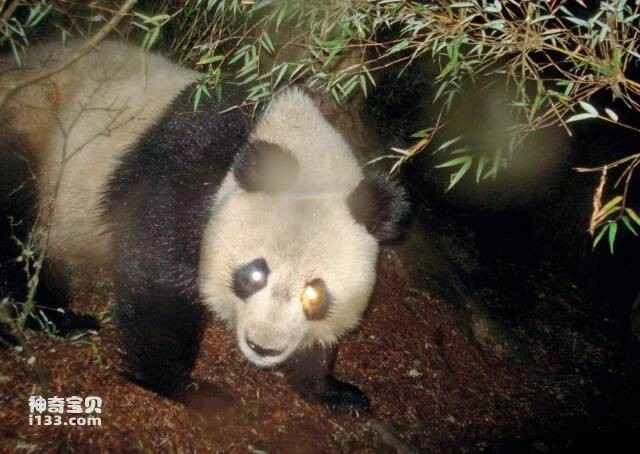
The biodiversity on Earth is astounding, with some animals becoming treasures of nature due to their rarity and uniqueness. These rare animals are valued not only for their scarcity but also for their distinctive characteristics and habitats. Below are some of the rarest animals on Earth, showcasing the wonder and fragility of nature.
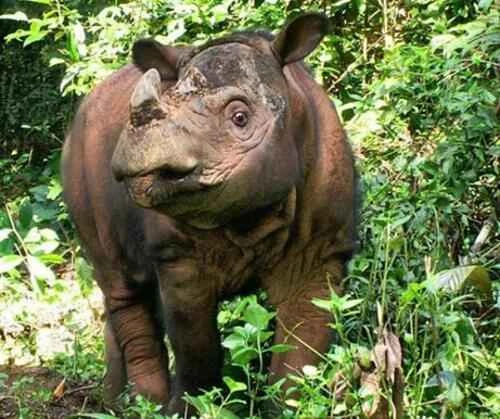
1. Sumatran Rhinoceros
Characteristics : The Sumatran rhinoceros is the smallest rhinoceros species in the world, with a body size of about 1.2-1.5 meters in length. They have dark brown skin and two prominent horns on their back and belly.
Habitat : Mainly distributed in the humid forests of Sumatra Island and some other areas of Indonesia.
Number : There are fewer than 80 individuals remaining, and they are critically endangered.
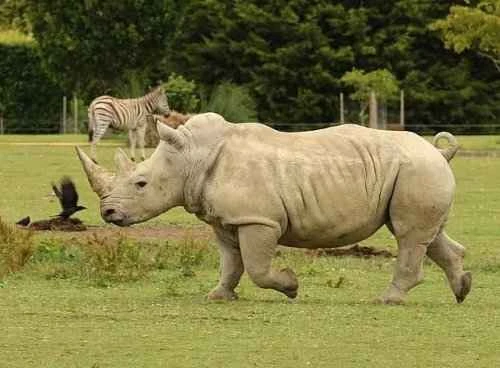
2. Northern White Rhinoceros
Characteristics : The northern white rhinoceros is a large animal with a wide muzzle and white skin. Only two females remain, and it is nearly extinct.
Habitat : It was once distributed in the grasslands and forest edges of Uganda and Sudan.
Number : Only two known females remain, facing extinction.
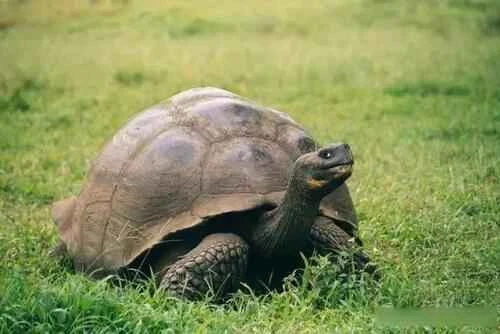
3. Galapagos Tortoise
Characteristics : Galapagos tortoises are the largest land tortoises in the world, reaching up to 1.2 meters in length and living for over 100 years. They are characterized by their thick shells and longevity.
Habitat : Primarily inhabits different ecological regions of the Galapagos Islands.
Number : The number of species is declining, and some subspecies are facing serious endangerment due to threats from invasive species and human activities.
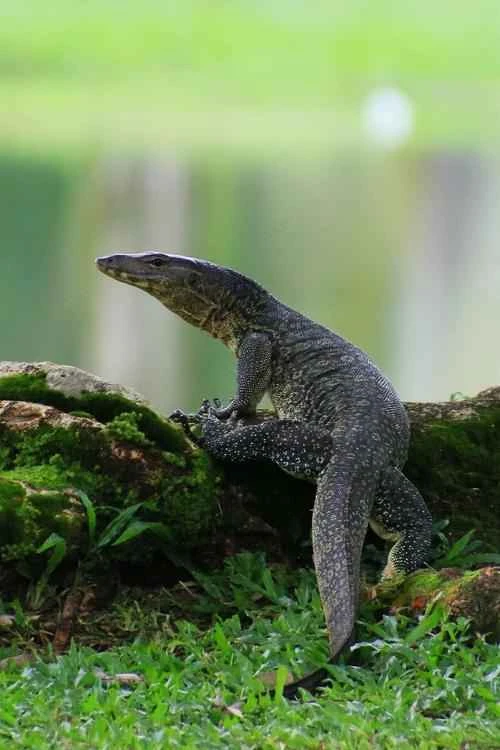
4. Vietnamese Monitor Lizard (Vietnamese Dragon)
Characteristics : The Vietnamese monitor lizard is a large reptile, reaching up to 3 meters in length. They possess a unique appearance and enormous size.
Habitat : Mainly distributed in humid forests and near rivers in Vietnam.
Population : Due to habitat loss and poaching, the population has declined sharply and faces serious threats.
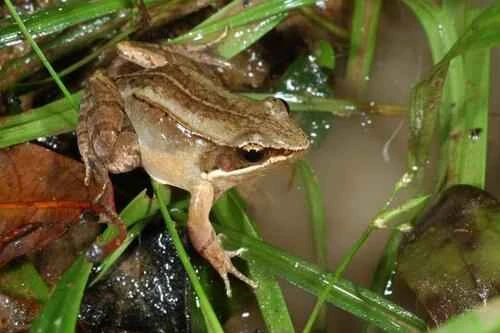
5. Ryukyu Frog
Characteristics : Ryukyu frogs are small in size, have green skin, and are highly adaptable.
Habitat : Mainly distributed in the forests of the Ryukyu Islands of Japan.
Number : Habitat loss and invasive alien species threaten their survival.
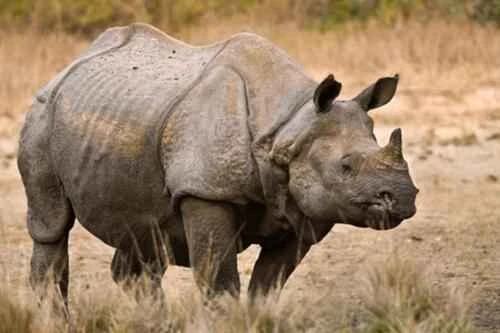
6. Javan Rhinoceros
Characteristics : The Javan rhinoceros is the rarest species of rhinoceros in existence. It is relatively small, with a body length of about 3-4 meters, and has a small horn.
Habitat : Mainly distributed in protected areas on Java Island, Indonesia.
Number : There are only about 60 left, facing a serious threat of extinction.
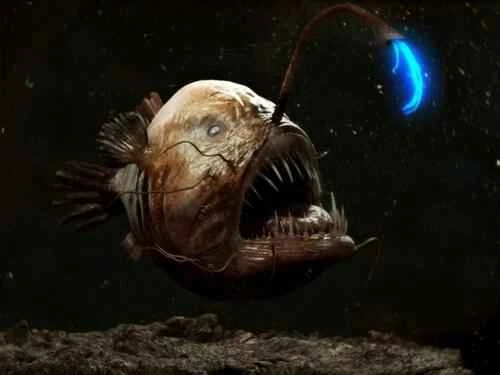
7. Deep-Sea Lanternfish
Characteristics : They live in extremely deep ocean areas, are small in size, possess bioluminescent organs, and are adapted to the deep-sea environment.
Habitat : Mainly distributed in deep ocean abysses at depths of over 2000 meters.
Quantity : Deep-sea fish are generally scarce, but their survival status is unknown and they are threatened by deep-sea fishing and pollution.
8. Alpine Rock-Pigeon
Characteristics : Small in size, with a wide variety of feather colors. Primarily inhabits high-altitude rocky environments.
Habitat : Mainly distributed in the high mountain areas of the Alps.
Number : Small in number, facing threats from habitat loss and climate change.
Protective measures
Protecting these rare animals is key to ensuring biodiversity and ecological balance. Here are some measures to protect these endangered species:
Habitat protection : Establish protected areas and nature reserves to reduce the impact of human activities on their habitats.
Anti-poaching efforts : Strengthen law enforcement, combat illegal hunting and trade, and protect endangered animals from threats.
Breeding programs : Implement artificial breeding and habitat restoration programs to increase the population of rare animals.
Public education : Raise public awareness, promote the protection and support of endangered animals, and encourage more people to participate in conservation efforts.
Conclusion
Rare animals on Earth are not only wonders of nature but also a focal point of our concern for biodiversity and ecological conservation. Understanding and protecting these rare animals is everyone's responsibility. Through collective efforts, we can help these precious creatures continue to survive on Earth and protect nature's invaluable heritage.