Marine animals that humans cannot touch: Deadly dangers in the ocean
The ocean is one of the most mysterious environments on Earth, home to countless unique and beautiful creatures. However, not all marine life is safe to encounter. Some animals, seemingly harmless, possess powerful defense mechanisms that can cause serious harm to humans. This article will introduce several marine animals that humans should not touch, helping you understand the potential dangers of the sea.
1. Box Jellyfish
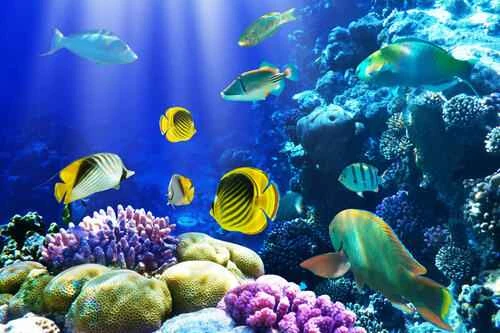
Danger : Box jellyfish are considered one of the deadliest marine creatures in the world. Their tentacles are covered with highly venomous stinging cells that can rapidly release toxins, causing intense pain, cardiac arrest, and even death.
Habitat : Mainly distributed in warm waters of Australia and Southeast Asia, especially active in shallow waters.
Recommendation : When swimming in these areas, be sure to pay attention to jellyfish warning signs and avoid contact with any jellyfish in the seawater.
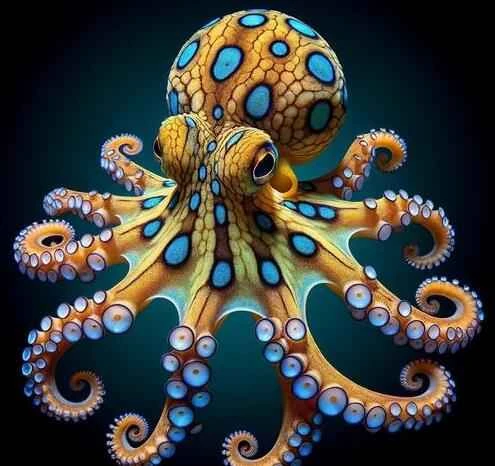
II. Blue-Ringed Octopus
Danger : Blue-ringed octopuses are beautiful in appearance, but extremely dangerous. The toxins they secrete are enough to paralyze an adult within minutes, and can even lead to respiratory failure and death. There is currently no antidote for blue-ringed octopus toxins.
Habitat : Mainly distributed in intertidal rocky areas and coral reefs in Australia, the Indian Ocean and the Pacific Ocean.
Recommendation : If you see a blue-ringed octopus, do not approach or try to touch it; maintain a safe distance.
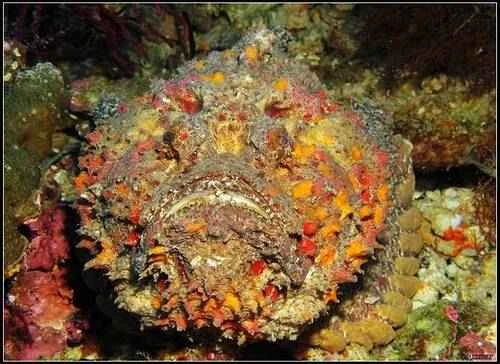
3. Stonefish
Danger : Stonefish are among the most venomous fish in the world. They disguise themselves as rocks and hide on the seabed. When a human accidentally steps on one, the venomous spines on its back pierce the skin, releasing a potent toxin that causes excruciating pain, tissue necrosis, and can even be fatal.
Habitat : Widely distributed in shallow waters of the Pacific and Indian Oceans, especially near coral reefs and beaches.
Recommendation : When swimming or diving in these waters, wear protective footwear and always be aware of your surroundings.
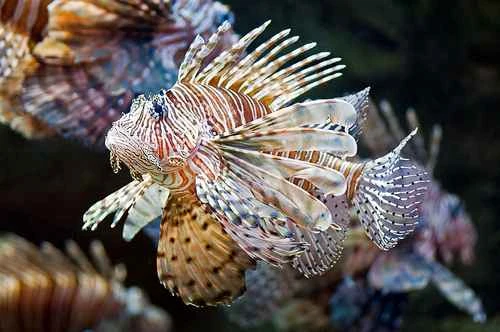
IV. Lionfish
Danger : Lionfish are known for their striking appearance and venomous spines. The spines on their dorsal fins contain venom, which, when it penetrates a human, can cause severe pain, swelling, and difficulty breathing. While not often fatal, the venom can be extremely harmful to the body.
Habitat : Lionfish are mainly distributed in coral reef areas of the Indian and Pacific Oceans, but in recent years they have also appeared in the Caribbean Sea and the Atlantic Ocean.
Recommendation : When observing these beautiful fish, be sure to maintain a safe distance and avoid direct contact with their venomous spines.
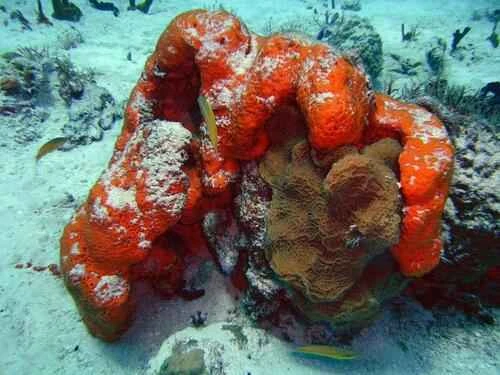
5. Fire Coral
Dangers : Although fire coral looks similar to ordinary coral, its surface is covered with stinging cells. Contact with these cells will release toxins, causing severe burning pain, redness, and rashes.
Habitat : Widely distributed in tropical and subtropical coral reefs, especially in the Red Sea, Indian Ocean and Caribbean Sea.
Recommendation : Do not touch corals directly while diving, especially fire corals, to avoid accidental injury.
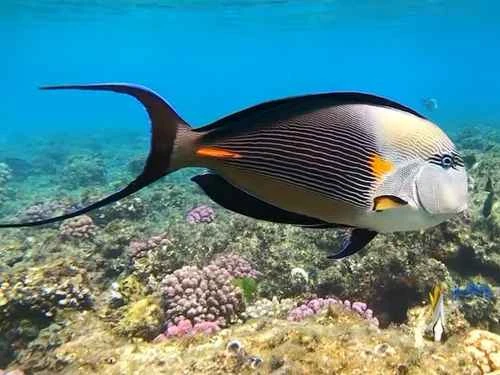
6. Surgeonfish
Danger : Spinetails have sharp, hard spines on their backs and tails that are venomous and can cause severe pain, swelling, and infection.
Habitat : Widely distributed in tropical waters of the Indian and Pacific Oceans, especially active near coral reefs.
Recommendation : Keep your distance when admiring these fish and avoid trying to touch or catch them.
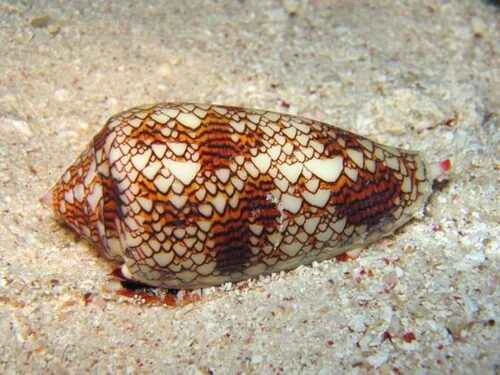
7. Cone Snail
Danger : Cone snails are known for their beautiful shells and potent venom. Their venom, injected through sharp teeth, is enough to paralyze or even kill prey or enemies. There is no antidote for the toxins of cone snails in humans.
Habitat : Mainly distributed near coral reefs and beaches in the Indian and Pacific Oceans.
Recommendation : Do not pick up beautiful conch shells with your bare hands, especially cone-shaped conches. Although they look attractive, they are extremely dangerous.
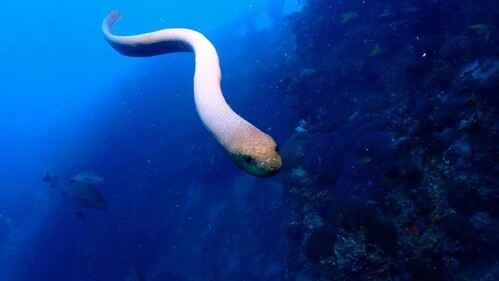
8. Sea Snake
Danger : Sea snakes are among the most venomous snakes. Although they do not usually attack humans unless threatened, their venom can be fatal in a short time.
Habitat : Primarily inhabits warm waters of the Indian and Pacific Oceans, especially coral reefs and shallow coastal waters.
Recommendation : Do not attempt to approach or provoke sea snakes when you see them. Keep your distance to avoid being attacked.
Many marine animals, though beautiful and captivating, possess powerful defense mechanisms that can cause serious harm to humans. Respecting their natural habitats and maintaining a safe distance during marine activities is the best way to avoid danger. Understanding their characteristics and habits can help us ensure our safety while enjoying the beauty of the ocean.
Human Impact on Marine Life: Crisis and Conservation
Oceans cover more than 70% of the Earth's surface, maintaining global ecological balance and nurturing a rich diversity of marine life. However, with increasing human activity, the oceans and their organisms face unprecedented threats. This article will explore the impact of humans on marine life and the resulting crisis.
1. Overfishing
Impact : Overfishing is one of the most direct forms of human destruction of marine life. Large-scale commercial fishing is rapidly reducing fish populations, especially high-value species such as bluefin tuna and sharks. Some species have declined to irrecoverable levels, disrupting the balance of the food chain.
as a result of :
Ecological imbalance : The decline in fish populations has disrupted the stability of the food chain, making it impossible for predators and other organisms that depend on these fish to survive.
Species endangered : Many fish species are on the verge of extinction due to overfishing, such as Atlantic cod and various shark species.
2. Marine Pollution
Impact : Plastic pollution, chemical spills, and oil spills are major causes of marine life deaths. Every year, large amounts of plastic waste flow into the ocean, forming "garbage islands." Many marine animals ingest plastic, causing intestinal blockages and even death.
as a result of :
Marine life deaths : such as sea turtles, seabirds and fish, die from ingesting plastic or becoming entangled in plastic.
Toxin accumulation : Chemical pollutants such as heavy metals, pesticides and industrial waste enter marine organisms through water bodies and accumulate in the food chain, ultimately affecting human health.
3. Climate Change & Ocean Acidification
Impacts : Global climate change is altering the physical and chemical properties of the ocean. As carbon dioxide emissions increase, the ocean absorbs large amounts of CO₂, leading to ocean acidification. Acidification damages the habitats of coral reefs and calcareous organisms, impacting other organisms that depend on these ecosystems.
as a result of :
Coral bleaching : Coral reefs are habitats for marine life, but due to warming seawater caused by climate change, large-scale bleaching of coral reefs is threatening biodiversity.
Shellfish survival is affected : Ocean acidification makes it difficult for shellfish and crustaceans to form strong shells, reducing their chances of survival.
4. Habitat Destruction
Impact : Human development activities, such as urbanization in coastal areas, port construction and tourism, have led to the destruction of habitats for many marine organisms, especially important ecosystems such as mangroves, seagrass beds and coral reefs.
as a result of :
Species loss : Many marine organisms depend on these habitats for breeding and foraging, and once the habitats are lost, the number of species also declines sharply.
Marine ecosystem imbalance : Habitat destruction leads to ecosystem collapse, further exacerbating biodiversity loss.
5. Illegal hunting and wildlife trade
Impact : Illegal hunting and the illicit trade in marine animals pose a deadly threat to some endangered species. Products such as shark fins, seahorses, and turtle shells are highly sought after in the market, leading to a sharp decline in the numbers of these species.
as a result of :
Species on the verge of extinction : For example, tens of millions of sharks are killed every year due to the shark fin trade, and some shark species are already on the verge of extinction.
Ecological balance is disrupted : Illegal hunting not only reduces the population of certain species, but also undermines the stability of ecosystems.
6. Noise Pollution
Impact : Noise pollution in the ocean comes from ships, drilling platforms, and sonar equipment. This noise disrupts the normal lives of marine life, especially animals such as whales and dolphins that rely on sound waves for navigation and communication.
as a result of :
Abnormal behavior : Noise pollution causes marine mammals to become disoriented and even stranded, severely affecting their foraging and reproduction.
Increased stress : Marine animals exposed to noise for extended periods face significant psychological and physiological stress, impacting their survival.
Actions and measures to protect marine life
To address the negative impacts of humans on marine life, conservation measures are being strengthened globally.
Establish Marine Protected Areas (MPAs)
Establishing marine protected areas is one of the important measures to protect marine biodiversity. Within these protected areas, fishing activities are prohibited or restricted to ensure that species can reproduce and recover their numbers.Reduce plastic use . Reduce the use of single-use plastic products, promote sustainable plastic alternatives, and prevent plastic waste from entering the ocean.
Strengthen climate change response measures <br />Reduce greenhouse gas emissions, take global collaborative measures to mitigate the impacts of climate change on the ocean, and protect coral reefs and marine ecosystems.
Implement sustainable fishing . Promote sustainable fishing policies to protect fish resources and reduce the negative impacts of overfishing on marine ecosystems.
Education and Awareness <br/>Raise public awareness of marine conservation, encourage individuals to reduce marine pollution, and support environmental projects and organizations.
Human activities have had a profound and far-reaching impact on marine life. However, it remains possible to protect marine life and its habitats through global cooperation and individual action. Only through collective efforts can we ensure the future of the oceans and the continued prosperity of their diverse biodiversity.